How to Tell If Your Rabbit or Small Pet Is Pregnant
By Dr. Zubair Khalid, DVM, MS, PhD ·
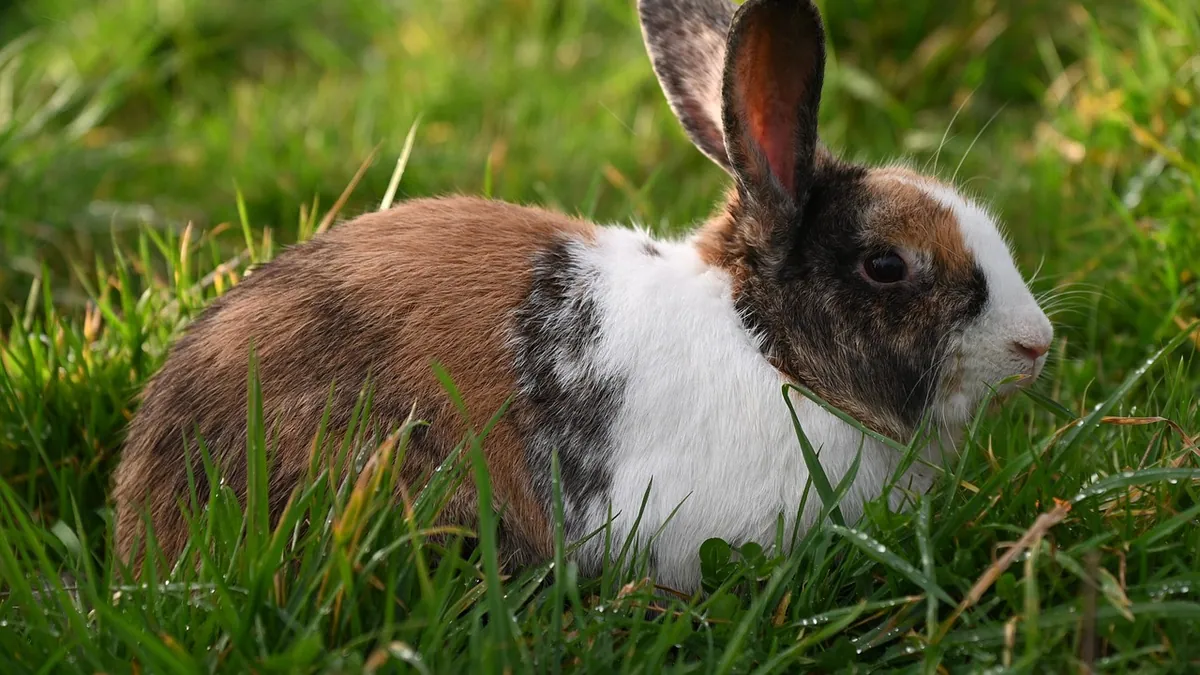
Pregnancy in a rabbit usually lasts about 31 days, so the window to notice signs is short. If you are asking how to tell if my rabbit is pregnant, start counting from the day she was with a male and watch for a growing belly, nesting behavior, and a change in appetite. This article is educational and is not a substitute for veterinary diagnosis or treatment.
Quick Answer
- A rabbit's pregnancy lasts roughly 4 weeks, and many does show no obvious signs until the last week.
- The most reliable early step is to note the breeding date and count forward, because physical changes are easy to miss.
- Palpation by an experienced veterinarian can detect pregnancy around day 10 to 14, but you should not squeeze or probe the belly yourself.
- Nesting, fur pulling, and a sudden urge to gather bedding usually mean kindling is within a few days.
- Separate the male now. Rabbits can breed again within hours of giving birth, and back-to-back pregnancies are hard on the doe.
How to Tell If My Rabbit Is Pregnant: Step-by-Step
Step 1: Confirm the breeding date
If your doe was housed with an intact male, assume she is pregnant until proven otherwise. Rabbits are induced ovulators, meaning mating itself triggers ovulation, so a single successful mating can result in pregnancy. Write the date on a calendar and count 28 to 32 days forward as your kindling window.
Step 2: Watch for subtle behavior changes
In the first two weeks, you may notice very little. Some does become slightly more affectionate, some become grumpy, and some eat a bit more. These changes are not specific to pregnancy and can also happen with false pregnancy, which is common in rabbits.
Step 3: Look for physical signs in the second half
Between day 14 and day 21, the abdomen may start to look fuller and rounder, especially when viewed in published veterinary research. You might see the doe resting more and eating more hay. Do not press on the belly to check. Rough palpation can injure the fetuses or the doe.
Step 4: Recognize pre-kindling nesting
In the final 3 to 5 days, most does start building a nest. She may gather hay, shred paper, and pull fur from her chest and belly to line the nest. This fur pulling is one of the clearest signs that birth is close. Set up a nest box now if you have not already.
Step 5: Prepare the kindling area
Place a sturdy nest box in the corner of the enclosure with soft bedding. Keep the area quiet and dim. Reduce handling to a minimum in the last week. If you must move her, support the chest and hindquarters together and keep the trip short.
Step 6: Plan for the birth
Kindling often happens at night or early morning and usually takes 15 to 30 minutes, though it can take longer. Stay nearby but do not hover. Most does handle kindling on their own. If a kit is stuck or the doe strains for more than 30 minutes without delivering, call your veterinarian right away.
Rabbit Pregnancy Timeline and Checklist
| Time frame | What you may see | What to do |
|---|---|---|
| Day 0 | Breeding observed | Record the date, separate the male |
| Day 1 to 9 | Little to no change | Keep routine calm, offer fresh hay and water |
| Day 10 to 14 | Possible diagnosis by palpation | Schedule a vet visit if you want confirmation |
| Day 14 to 21 | Fuller abdomen, increased appetite | Do not press the belly, limit rough handling |
| Day 21 to 28 | Nesting begins, fur pulling | Add nest box and soft bedding |
| Day 28 to 32 | Kindling | Keep quiet, check kits after the doe settles |
| Day 32+ with no birth | Possible false pregnancy or resorption | Contact your veterinarian |
If you want a deeper look at the full timeline from breeding to birth, see Rabbit Gestation Period: What to Expect from Breeding to Kindling.
Other Small Pets: Rats and Guinea Pigs
The same question comes up for other pocket pets, and the timelines differ.
How to tell if my rat is pregnant
A rat's pregnancy lasts about 21 to 23 days. Signs include a rounded belly, weight gain, and nest building in the last few days. Some rats become more territorial near birth.
How to tell if my guinea pig is pregnant
Guinea pigs carry their young for a long time, roughly 59 to 72 days. Because the pups are large and well developed at birth, the belly becomes visibly pear shaped in the second half. A guinea pig's pubic bones may separate in the days before birth.
For both species, the same rule applies. Do not squeeze the abdomen. Let a veterinarian examine your pet if you need confirmation.
Signs That Something Is Wrong
Pregnancy is usually uneventful in rabbits, but problems can happen. Watch for these warning signs.
- Vaginal discharge that is thick, yellow, or foul smelling. Bacterial infections of the reproductive tract can cause secretions from the vagina, and infected rabbits should not be bred [1].
- Sores or scabs around the genitals. A sexually transmitted infection called treponematosis can cause small blisters or slow-healing sores with thick scabs, usually around the genitals but sometimes on the lips or eyelids [1]. This can spread from mother to kits, so testing matters [1].
- Straining with no kits delivered. This can mean a kit is stuck or positioned wrong.
- Sudden loss of appetite or lethargy. This is always a reason to call your veterinarian.
- Heat stress. High temperatures reduce fertility and raise the risk of early pregnancy loss in rabbits [2]. Keep the enclosure out of direct sun and provide cool, shaded space.
Common Mistakes Owners Make
- Squeezing the belly to check for babies. This is the most common and most harmful mistake. You can injure the doe or the kits. Leave palpation to a veterinarian.
- Leaving the male in the enclosure. A doe can become pregnant again very soon after giving birth. Separate them as soon as breeding is suspected.
- Assuming a big belly means pregnancy. False pregnancy is common, and a bloated abdomen can also signal a digestive problem.
- Skipping the nest box. Without a place to nest, a doe may kindle on the wire floor, which puts kits at risk of chilling.
- Overhandling in the last week. Stress near kindling can cause a doe to abandon or scatter her litter.
- Ignoring heat. Warm environments hurt reproductive outcomes, so cooling matters during pregnancy [2].
Supplies and Setup That Matter for Health
A few items make a real difference for a pregnant doe and her kits.
- Nest box. Choose one large enough for the doe to turn around in but low enough for her to hop in and out easily.
- Bedding. Soft hay or shredded paper works well. Avoid bedding with strong perfumes.
- Fresh hay and water at all times. A pregnant doe needs steady access to both.
- A quiet corner. Place the enclosure away from foot traffic, loud TVs, and other pets.
- A scale. Weighing your doe weekly gives you objective data. Ask your veterinarian what weight range is normal for her.
- A thermometer for the room. Keep the area cool, especially in summer, since heat stress raises the risk of embryonic loss [2].
If you also care for dogs or cats, pregnancy signs in those species look very different. You can compare notes with dog pregnancy symptoms and How Long Are Cats Pregnant? Gestation, Care, and When to Call a Veterinarian.
Limitations and When to Contact a Veterinarian
No article can replace an exam. Individual cases need a veterinarian, and only your vet can confirm pregnancy or rule out other causes of a swollen abdomen.
Call your veterinarian the same day if you see:
- Thick or foul-smelling vaginal discharge [1]
- Sores, scabs, or blisters around the genitals [1]
- Loss of appetite, lethargy, or labored breathing
- Straining to urinate or defecate
Go to an emergency clinic now if:
- The doe has been straining to deliver for more than 30 minutes with no kits
- A kit is visibly stuck in the birth canal
- The doe is collapsed, trembling, or unresponsive
- You see heavy bleeding
Schedule a routine visit if:
- You want to confirm pregnancy
- Day 32 passes with no kindling
- You are unsure whether your rabbit is pregnant or has a false pregnancy
- You plan to breed and want a health check first
Frequently Asked Questions
How soon can a veterinarian confirm pregnancy?
An experienced veterinarian can often feel the fetuses by palpation around day 10 to 14. Ultrasound is another option and can be used earlier in some cases. If you want confirmation without risk, ask your vet instead of checking at home.
Can a rabbit be pregnant and not show any signs?
Yes, this happens often. Many does look and act normal until the final week, when nesting and fur pulling begin. Counting from the breeding date is more reliable than watching for physical changes.
What should I feed a pregnant rabbit?
Offer unlimited fresh hay, a measured amount of quality pellets, and clean water at all times. Your veterinarian can tell you whether her current diet needs adjusting based on her weight and body condition. Do not add supplements without veterinary guidance.
How many babies should I expect?
Litter size varies widely by breed, age, and health. Genetic studies show that litter size traits have low heritability, meaning environment and management play a large role [3]. Ask your veterinarian what is typical for your rabbit's breed.
Is it safe to pick up a pregnant rabbit?
Short, gentle handling is usually fine in early pregnancy, but limit it in the last week. Always support the chest and hindquarters together, and never lift her by the scruff. If she struggles, put her down and try again later.
Related Articles
- Rabbit Gestation Period: What to Expect from Breeding to Kindling
- Pregnancy Diagnosis in the Bitch: Methods and Interpretation
- How Long Are Rabbits Pregnant? Gestation Timeline
- Why Is My Rabbit Making a Nest? Nesting Explained
- Pregnancy Checks and Nest-Box Timing in Rabbit Production
- Rabbit Production Cycle: From Mating to Weaning
References
- Reproductive Disorders of Rabbits - All Other Pets. Merck Veterinary Manual.
- Health promoting spirulina platensis nanoparticles induce early embryonic loss in heat-stressed rabbit does. Scientific reports, 2026.
- Genetic Parameter Estimation and Breeding Value Ranking for Litter Size Traits in Meat Rabbits: REML and Bayesian Inference Under Limited Data Conditions. Animals : an open access journal from MDPI, 2026.