How to Help a Rabbit Poop: Constipation and Stasis
By Dr. Zubair Khalid, DVM, MS, PhD ·
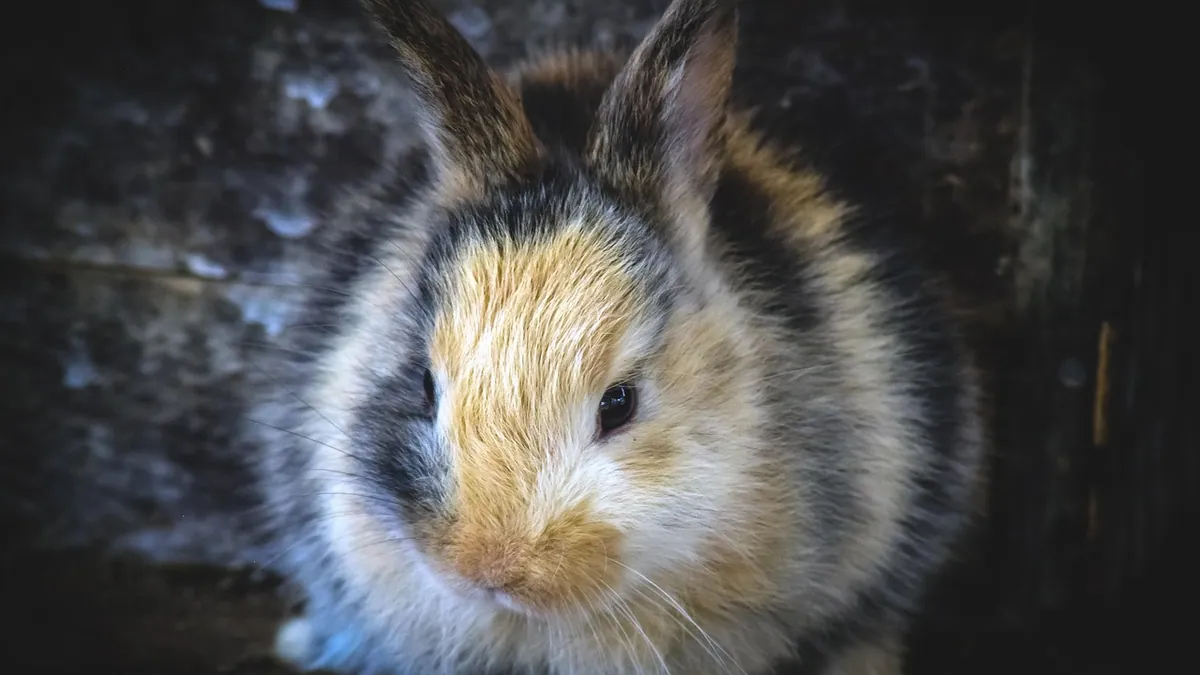
If your rabbit has stopped pooping or is passing tiny, dry droppings, treat it as an emergency. You can help a rabbit poop by keeping the rabbit warm, offering fresh hay and water, and getting to a veterinarian quickly, because a rabbit that does not poop can decline within hours. This article is educational and is not a substitute for veterinary diagnosis or treatment.
Quick Answer
- A rabbit that has not pooped in 12 to 24 hours, or is passing very small or misshapen droppings, needs to be seen by a veterinarian the same day.
- Do not wait to "see if it passes." Digestive disease is a major health concern in rabbits, and a rabbit that stops eating or has fewer droppings should get veterinary care promptly [1].
- Keep the rabbit warm, quiet, and hydrated. Offer fresh hay, leafy greens, and water, but do not force food or water into the mouth unless your veterinarian tells you to.
- Never give human laxatives, enemas, or pain medications. Some are toxic to rabbits, and enemas can be dangerous if done incorrectly.
- Call your veterinarian or an emergency exotic animal clinic before you try anything at home, and expect that stasis often needs prescription treatment.
What a Rabbit Not Pooping Looks Like (and What Is Normal)
Normal rabbit droppings are round, firm, and fairly uniform. A healthy rabbit produces a steady supply of them throughout the day, plus softer night droppings (cecotropes) that it usually eats directly from its bottom. If you see plenty of normal pellets and your rabbit is eating, drinking, and hopping around, the gut is probably moving well.
Trouble looks different. You may find fewer droppings than usual, or droppings that are small, dry, hard, or strung together with hair. Your rabbit may stop eating, sit hunched in a corner, grind its teeth, or press its belly to the floor. Some rabbits become restless and shift position often. Others go quiet and hide.
Constipation itself means infrequent or difficult passing of feces that are typically dry and hard [2]. In rabbits, the bigger concern is often gastrointestinal (GI) stasis. In GI stasis, the movement of food through the digestive tract slows, unhealthy bacteria grow, and the bacteria produce toxic substances and gas that build up [1]. The rabbit feels bloated and painful, which makes it even less likely to eat [1]. That cycle can spiral fast.
A true slowdown is not the same as a rabbit that skipped one meal. Rabbits graze almost constantly, so a rabbit that refuses food for several hours is already abnormal. If you are unsure whether your rabbit is in stasis, review the signs in Rabbit GI Stasis Symptoms and call your vet.
Main Causes of a Rabbit Not Pooping
Many different problems can cause a rabbit to stop pooping. GI stasis is a syndrome that is frequently caused by various primary conditions, including problems in the digestive tract itself [3]. In other words, the slow gut is often a symptom of something else.
| Cause | Typical clues | How urgent |
|---|---|---|
| GI stasis from low fiber or stress | Reduced droppings, not eating, hunched posture, recent diet change or stress | Emergency, same day |
| Dental disease | Drooling, dropping food, weight loss, preference for soft food | Urgent, within 24 hours |
| True hairball or intestinal blockage | Sudden complete stop, severe pain, no droppings at all | Emergency, surgery may be needed [1] |
| Dehydration or poor water intake | Dry droppings, tacky gums, reduced drinking | Urgent, same day |
| Pain from another illness | Grinding teeth, reluctance to move, changes in appetite | Urgent, same day |
| Diet too high in pellets or treats | Obesity, soft droppings, intermittent slowdowns | Routine visit, but act now if not pooping |
Diet plays a large role. A survey of pet rabbit owners and hobby breeders found that hay is provided in large amounts by almost all participants, meeting rabbits' need for high fiber intake, but breeders often gave less hay and fresh food and more concentrates such as pellets and cereals [4]. The same survey noted a link between feeding practices and health conditions like diarrhea and constipation [4]. Fiber keeps the gut moving. Too many pellets and treats, and too little hay, work against your rabbit.
Dental disease deserves special attention. Rabbits with painful teeth often eat less, and less food means a slower gut. If your rabbit is dropping food, drooling, or losing weight, ask your veterinarian to check the teeth at the same visit.
Red Flags That Mean an Emergency
Some signs mean you should go to a veterinarian now, not later today.
- No droppings at all for 12 hours or more.
- Complete refusal of food for more than a few hours.
- Lying flat, pressing the belly down, or crying out when touched.
- A bloated, tight, or drum-like belly.
- Grinding teeth loudly or sitting hunched and unresponsive.
- Cold ears, pale gums, or labored breathing.
- Sudden collapse, weakness, or seizures.
Both hairball blockage and GI stasis can become life-threatening if not treated [1]. Rabbits are prey animals, so they hide pain until they are very sick. A rabbit that looks "a little off" in the morning can be critical by evening. If you see any red flag on this list, call an emergency clinic that treats rabbits and go.
How to Help Your Rabbit Poop at Home While You Wait for the Vet
Home care buys time. It does not replace treatment. Do these things while you arrange your appointment.
Keep the rabbit warm and calm
A sick rabbit loses body heat quickly. Move your rabbit to a quiet, warm room away from other pets and noise. A gentle heat source, such as a warm water bottle wrapped in a towel, placed next to the rabbit (not on top of it) can help. Never leave a heating pad on high or unattended.
Offer water and fresh hay
Dehydration makes droppings drier and harder to pass, since feces that stay in the colon longer become drier, harder, and more difficult to pass [2]. Offer a water bowl as well as a bottle, since some rabbits drink more from a bowl. You can also offer a small amount of plain, unflavored electrolyte solution if your veterinarian approves it. Fresh grass hay should always be available.
Offer tempting greens
Wet, leafy greens such as romaine, cilantro, or parsley may encourage a rabbit to eat when pellets do not appeal. Rinse them so they carry extra water. Do not offer sugary fruit, yogurt drops, or starchy treats. Sugar feeds the wrong bacteria.
Gentle belly massage
Some rabbits tolerate very gentle belly massage with a flat hand, moving in slow circles. Stop immediately if your rabbit tenses, cries, or tries to get away. Never press hard on a bloated belly, because a blocked or gas-filled gut can rupture. If you want a step-by-step approach, see Rabbit Care: GI stasis massage and emergency syringe feeding protocol.
Do not force food or water
Syringe feeding is sometimes part of stasis treatment, but it must be done correctly and only when a veterinarian has ruled out a true blockage. Feeding a rabbit with a complete obstruction can cause serious harm. GI stasis is usually treated with injections of fluid beneath the skin, pain medicine, supportive feeding, and liquid food given by syringe to restore healthy digestive bacteria [1]. Those are veterinary decisions. If your vet instructs you to syringe feed at home, follow the exact amounts and schedule they give you.
Do not give human medicines
Never give human laxatives, stool softeners, enemas, or pain relievers. Doses for rabbits are not the same as for people, and some common human products are toxic to rabbits. Your veterinarian calculates any medication dose from your rabbit's weight and health.
What Your Veterinarian Will Check and Test
Your veterinarian will start with a full physical examination, including weight, hydration, gum color, belly palpation, and a dental check. They will ask about diet, droppings, and how long your rabbit has been off food.
Imaging is often next. Veterinarians use x-rays, ultrasound, and CT scans to distinguish a true intestinal blockage from GI stasis [1]. That distinction matters a great deal. A true blockage usually needs to be removed by surgery, while GI stasis is usually treated with fluids, pain medicine, and supportive feeding [1].
Blood work may be recommended to check organ function, hydration, and infection. Your veterinarian may also examine a fecal sample. Research on pet rabbits with GI stasis found changes in the fecal microbiota, including higher amounts of certain bacteria such as Clostridium sensu stricto 1 and an unclassified genus in the Enterobacteriaceae family in affected rabbits [5]. This kind of testing helps veterinarians understand what is happening in the gut, though it is not yet a routine bedside test.
Treatment often includes subcutaneous fluids, pain relief, medication to help the gut move, and assisted feeding [1]. Some rabbits need hospitalization. Others can go home with a treatment plan you carry out over several days. Recovery is not instant. Expect close monitoring and follow-up visits.
If your rabbit is diagnosed with stasis, learning more about the condition helps you advocate for your pet. See Gastrointestinal Stasis in Rabbits and GI Stasis in Rabbits: A Life-Threatening Emergency.
Preventing Constipation and Stasis
Prevention is mostly about fiber, water, and early detection.
Feed a hay-first diet
Grass hay should make up the bulk of your rabbit's diet. It provides the long fiber that keeps the gut moving. Pellets are a supplement, not the main course. Keep treats small and occasional. The link between feeding practices and digestive problems like constipation and diarrhea shows up in real-world rabbit care [4], so diet changes are worth making with your veterinarian's guidance.
Keep water available at all times
Offer fresh water daily in a bowl and a bottle. Rabbits that drink poorly are more prone to dry, hard droppings [2]. If your rabbit suddenly drinks much more or much less, mention it to your vet.
Watch the litter box daily
You know your rabbit's normal output better than anyone. Scoop the box at the same time each day and note the number, size, and shape of droppings. A change in output is often the first sign of trouble, before your rabbit acts sick.
Support gut health thoughtfully
Probiotics, prebiotics, and synbiotics are studied in rabbits, and a study in growing rabbits found that synbiotic supplements (a combination of Saccharomyces cerevisiae and mannan-oligosaccharide) were evaluated for effects on growth and blood parameters [6]. This research is about production rabbits, not sick pets, so do not treat it as a home remedy. Ask your veterinarian before adding any supplement.
Schedule routine checkups
Dental disease, chronic dehydration, and other illnesses can trigger stasis. A yearly exam with a rabbit-savvy veterinarian catches problems before they become emergencies. Older rabbits and rabbits with previous episodes of constipation need closer monitoring [2].
Limitations and When to Contact a Veterinarian
This article cannot tell you whether your specific rabbit has stasis, constipation, or a surgical blockage. Only a veterinarian can do that, and individual cases need a veterinarian's hands-on evaluation.
Contact a veterinarian the same day if your rabbit has fewer droppings than normal, is eating less, or seems uncomfortable. Go to an emergency clinic now if your rabbit has not pooped in 12 hours, refuses all food, has a bloated belly, is grinding its teeth, or is lying flat and unresponsive. Both hairball blockage and GI stasis can become life-threatening if not treated [1]. Schedule a routine visit if you want help with diet, weight, or dental care, or if your rabbit has had repeated episodes of slow gut motility.
Frequently Asked Questions
How long can a rabbit go without pooping before it is an emergency?
A rabbit that has not pooped for 12 hours needs urgent veterinary care, and 24 hours without droppings is a serious emergency. Rabbits eat almost constantly, so a full day without output means the gut has slowed dramatically. Do not wait for a full 24 hours if your rabbit is also refusing food or acting painful.
Can I give my rabbit olive oil or a hairball remedy to make it poop?
No. Do not give oils, laxatives, or over-the-counter hairball products unless your veterinarian specifically prescribes them. True hairballs that block the digestive tract are uncommon but serious, and a true blockage usually needs surgery [1]. Giving a laxative to a blocked rabbit can make things worse.
Will exercise help my rabbit start pooping again?
Gentle activity can support normal gut movement in a rabbit that is only mildly sluggish, but it will not fix stasis. If your rabbit is sick, let it rest in a warm, quiet space and call your vet. Once your veterinarian clears your rabbit for activity, short, supervised hopping sessions in a familiar room can be part of recovery.
What should I feed a rabbit that is not pooping?
Offer fresh grass hay, water in a bowl, and wet leafy greens. Do not push pellets, fruit, or sugary treats, because sugar can feed harmful bacteria. If your veterinarian recommends syringe feeding, use only the specific product and amount they provide, since GI stasis treatment often includes liquid food given by syringe [1].
How can I tell constipation from GI stasis in my rabbit?
Constipation means dry, hard feces that are difficult to pass, while GI stasis means the movement of food through the digestive tract has slowed and gas and toxins are building up [1][2]. The two can overlap, and both can look similar at home. Your veterinarian uses imaging and an exam to sort out which problem your rabbit has and how to treat it.
Related Articles
- Gastrointestinal Stasis in Rabbits
- Rabbit GI Stasis Symptoms
- Rabbit GI Stasis Signs
- GI Stasis in Rabbits: A Life-Threatening Emergency
- Rabbit Care: GI stasis massage and emergency syringe feeding protocol
- Rabbit Not Pooping: Causes, GI Stasis, and What to Do
- Rabbit Not Pooping but Acting Normal: When to Call the Vet
- Do Rabbits Fart? Gas, Bloat, and Gut Stasis Signs
- Rabbit Food and Hay: A Nutritional Guide for Optimal Health
References
- Digestive Disorders of Rabbits - All Other Pets. Merck Veterinary Manual.
- Constipation, Obstipation, and Megacolon in Small Animals - Digestive System. Merck Veterinary Manual.
- Rabbit Gastroenterology. The veterinary clinics of North America. Exotic animal practice, 2025.
- Differences in Feeding Management of Pet Rabbits by Owners and Hobby Breeders and Their Impact on Animals' Health: A Survey. Journal of animal physiology and animal nutrition, 2026.
- Effect of rabbit gastrointestinal stasis (RGIS) on the fecal microbiota of pet rabbits (Oryctolagus cuniculus). PloS one, 2025.
- Synbiotics are Better Than Probiotics and Prebiotics for Use as Nutrition in Growing Rabbits. Veterinary medicine and science, 2026.