Do Rabbits Fart? Gas, Bloat, and Gut Stasis Signs
By Dr. Zubair Khalid, DVM, MS, PhD ·
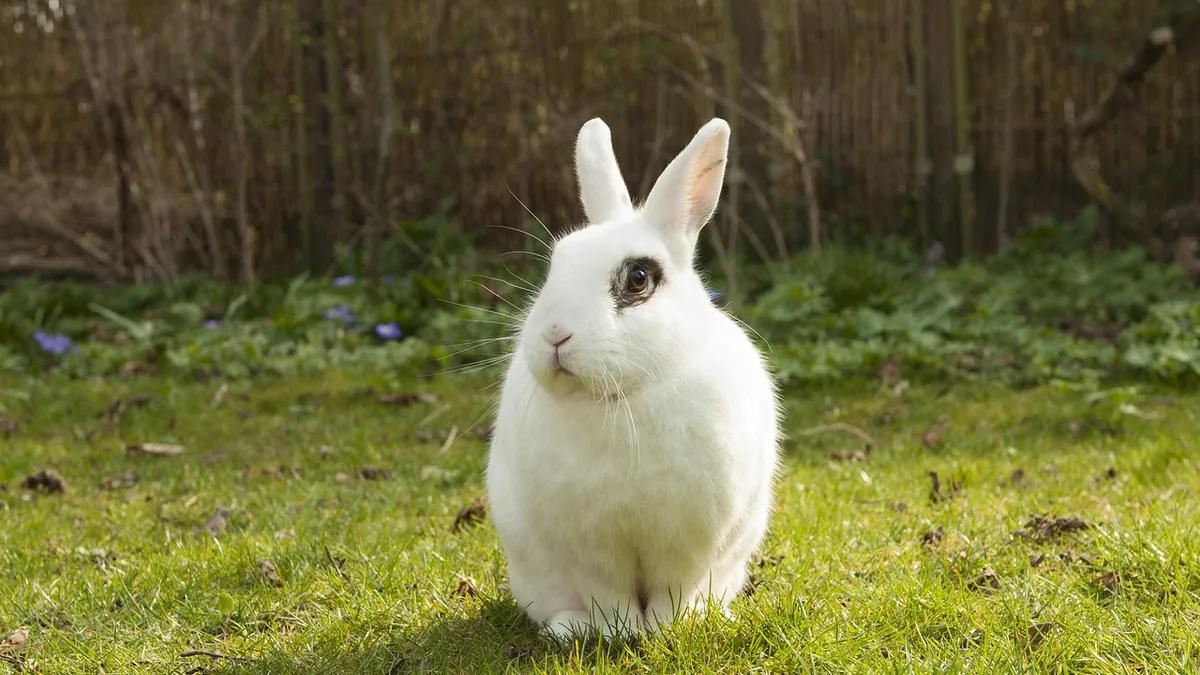
Yes, rabbits fart. Passing gas is a normal part of digestion for rabbits, just as it is for people and many other animals. The real question is whether the gas is moving through a healthy gut or building up behind a slowdown. When gas traps inside a rabbit's stomach or intestines, it can become a painful and sometimes life-threatening problem.
This article is educational and is not a substitute for veterinary diagnosis or treatment.
Quick Answer
- Normal gas passes quietly and your rabbit keeps eating, pooping, and acting like itself.
- A rabbit that stops eating, stops producing droppings, or presses its belly to the floor needs veterinary care promptly [1].
- Gas buildup is a common feature of gastrointestinal (GI) stasis, where gut movement slows and unhealthy bacteria produce gas and toxins [1].
- Bloat (gastric dilation) is an emergency. Large amounts of gas in the stomach are linked to higher death rates in rabbits with this condition [2].
- Never give your rabbit human gas medicine, yogurt, or antibiotics on your own. Call your veterinarian first.
What Normal Rabbit Gas Looks Like
Rabbits have a unique digestive system built for constant grazing. Food moves through the stomach, small intestine, cecum, and colon in a steady rhythm. The cecum is a large fermentation chamber where bacteria break down fiber. Fermentation produces gas, and most of that gas passes out through the rectum or is absorbed without any drama.
So what does normal gas look like? Often, nothing at all. You might hear a soft gurgle when you put your ear near your rabbit's belly. You might notice a little gas passed during a stretch or a hop. Your rabbit keeps eating hay, drinking, hopping around, and leaving a steady supply of droppings. That is normal.
A healthy rabbit produces a lot of droppings, and the output matters as much as the input. If your rabbit is eating well and pooping well, occasional gas is not a concern. The trouble starts when gas cannot move.
Is It Normal for Rabbits to Fart? When Gas Becomes a Problem
Gas becomes a problem when gut movement slows. In GI stasis, the normal wave-like contractions of the digestive tract weaken. Food and gas sit in place. Unhealthy bacteria multiply in the stagnant contents and produce toxic substances and more gas, which builds up and makes the rabbit feel bloated and painful [1]. That pain makes the rabbit eat even less, and the cycle gets worse.
This is why gas is often the first clue owners notice. A rabbit with a painful, gassy gut may sit hunched, grind its teeth, or refuse its favorite treat. If you see those signs, treat them as a warning, not a wait-and-see situation. You can read more about early warning signs in Rabbit GI Stasis Signs.
What GI stasis actually is
GI stasis is not a single disease. It is a syndrome, meaning many different primary problems can cause it, including problems within the digestive tract itself and problems elsewhere in the body [3]. Reduced motility in any part of the digestive tract can lead to impaction and death if it is not treated [4]. That is why your veterinarian will look for the underlying cause, not just treat the gas.
What bloat (gastric dilation) is
Bloat is different and more dangerous. In gastric dilation, the stomach fills with gas and enlarges. In a study of 155 rabbits with gastric dilation, extensive gas accumulation in the stomach and a ventral or central position of that gas were linked to significantly higher death rates [2]. A bloated stomach can also twist or press on other organs. This is a true emergency.
Main Causes of Gas, Bloat, and GI Stasis
| Cause | Typical clues | How urgent |
|---|---|---|
| Low-fiber diet | Small or fewer droppings, soft stool, gas after diet changes | See a vet soon, same day if not eating |
| GI stasis from any cause | Not eating, no droppings, hunched posture, teeth grinding | Emergency, same day |
| Dental disease | Drooling, dropping food, weight loss, then stasis | Same day |
| True intestinal blockage (hairball or other) | Sudden severe pain, no droppings, bloated belly | Emergency, surgery may be needed [1] |
| Gastric dilation (bloat) | Distended belly, rapid breathing, severe pain | Emergency now |
| Gut infection or inflammation | Diarrhea, lethargy, poor appetite | Same day |
| Sudden diet change | Gas, diarrhea, flatulence | Call your vet, monitor closely |
Diet sits at the center of most of these cases. A rabbit needs a constant supply of grass hay to keep the gut moving and the teeth worn down. When fiber is too low, or when a rabbit stops eating for another reason such as dental pain, stasis follows [1].
Sudden diet changes matter too. In one study, rabbits switched abruptly from a standard diet to an antibiotic-free diet developed intestinal signs including diarrhea and flatulence [5]. Any abrupt change in what your rabbit eats can upset the gut bacteria that keep digestion stable.
Less common causes exist as well. Inflammation of the sacculus rotundus and appendix, two structures in the rabbit gut, has been reported as a cause of GI stasis in a rabbit that presented with lethargy and anorexia [6]. Your veterinarian may consider these possibilities when the usual causes do not fit.
Red Flags That Mean Emergency
Call an emergency veterinary hospital right away if your rabbit has any of these:
- A hard, distended, or drum-like belly
- Rapid or open-mouth breathing
- Lying flat with the belly pressed to the floor and refusing to move
- No droppings for 12 hours or more
- Complete refusal of food and water
- Loud teeth grinding (a sign of severe pain)
- Collapse, weakness, or a body temperature that feels cold
A rabbit with a bloated stomach and heavy gas accumulation has a higher risk of dying [2]. Minutes matter. Do not wait to see if it passes.
If your rabbit is still eating but producing fewer or smaller droppings, that is urgent too, though not always an immediate emergency. Call your veterinarian the same day. More detail on the symptom pattern is available in Rabbit GI Stasis Symptoms.
Safe Things You Can Do at Home While You Wait
Your job at home is to keep your rabbit comfortable and get veterinary help fast. Do not try to treat the problem yourself.
Do these things:
- Keep your rabbit warm and quiet. A sick rabbit loses body heat quickly.
- Offer fresh hay, leafy greens, and water. If your rabbit will eat, let it.
- Offer a bowl of water as well as a bottle, since some rabbits drink more from a bowl.
- Gently feel the belly only if your rabbit allows it. Stop if it seems painful.
- Call your veterinarian or an emergency clinic and describe exactly what you see.
Do not do these things:
- Do not give human gas drops, pain relievers, or any medication unless your veterinarian tells you to.
- Do not force-feed a rabbit with a bloated or hard belly. If there is a blockage, pushing food in can make things worse.
- Do not give yogurt, probiotics, or antibiotics on your own.
- Do not wait overnight to see if your rabbit improves.
If your rabbit is not eating at all, that alone is enough reason to call. Inappetence in rabbits is a welfare concern because it can lead to potentially fatal GI stasis [7]. Appetite stimulants exist for rabbits, but they are prescription treatments your veterinarian chooses based on your rabbit's condition, not something you can buy and use at home [7].
What Your Veterinarian Will Check and Test
Your veterinarian will start with a full physical exam, including weight, hydration, body temperature, and a careful feel of the abdomen. They will also look at the teeth, since dental disease is a common trigger for stasis [1].
Imaging is often the next step. X-rays, ultrasound, and CT scans help distinguish a true intestinal blockage from GI stasis [1]. That distinction matters a great deal, because a true blockage usually needs surgery, while GI stasis is usually treated with medication and supportive care [1]. On x-rays, your veterinarian can also measure how far the stomach is distended and where gas has collected, which helps predict how serious the case is [2].
Blood work gives more information. In rabbits with gastric dilation, the most common biochemical abnormalities found were azotemia (51%), high blood sugar (44%), and low sodium (37%) [2]. These results help your veterinarian gauge how sick your rabbit is and guide treatment.
Treatment for GI stasis typically includes fluids injected beneath the skin, pain medicine, supportive feeding, and liquid food given by syringe to help restore healthy digestive bacteria [1]. If your veterinarian suspects a blockage, surgery may be needed [1]. Some cases involve more specific problems, such as inflammation of the sacculus rotundus or appendix, which may be treated medically [6].
Your veterinarian may also recommend a fecal test. Rabbits with GI stasis show different gut bacteria than healthy rabbits, with higher levels of certain Clostridium and Enterobacteriaceae bacteria and lower levels of several beneficial genera [4]. This kind of testing can help guide care in complicated cases.
Preventing Gas Problems and Monitoring Your Rabbit
Prevention comes down to three things: fiber, water, and daily observation.
Feed a hay-based diet. Unlimited grass hay should make up most of what your rabbit eats. Hay keeps the gut moving and wears down the teeth that would otherwise overgrow and cause pain. A rabbit that stops eating because of dental pain is a prime candidate for stasis [1].
Make diet changes slowly. If you need to switch pellets or introduce a new vegetable, do it gradually over one to two weeks. Abrupt changes can trigger gas and diarrhea [5].
Keep water available at all times. Offer both a bowl and a bottle. Dehydration slows gut movement.
Watch the litter box every day. You should know what normal looks like for your rabbit. Count droppings, check their size and shape, and notice whether your rabbit is eating with its usual enthusiasm. A drop in either one is your earliest warning.
Weigh your rabbit regularly. A kitchen scale can catch weight loss before you notice it by eye. Weight loss often points to dental problems or other chronic issues that lead to stasis.
Schedule routine checkups. A yearly exam with a veterinarian who treats rabbits lets you catch dental disease and other problems early. If your rabbit has had stasis before, ask your veterinarian how often it should be rechecked.
For a deeper look at how stasis develops and how it is treated, see Gastrointestinal Stasis in Rabbits.
Limitations and When to Contact a Veterinarian
This article cannot tell you whether your specific rabbit has simple gas or something serious. Only a veterinarian who examines your rabbit can do that.
Contact your veterinarian the same day if your rabbit:
- Is eating less than usual
- Has smaller, fewer, or misshapen droppings
- Seems quieter or less interested in activity
- Has mild gas or gurgling sounds with a soft belly
Go to an emergency clinic right now if your rabbit:
- Has a hard or swollen belly
- Is breathing fast or with an open mouth
- Has not passed droppings for 12 hours or more
- Is grinding its teeth loudly or pressing its belly to the floor
- Will not eat or drink at all
- Is weak, cold, or unresponsive
Schedule a routine visit if:
- Your rabbit has had stasis before and you want a prevention plan
- You notice gradual weight loss or changes in eating habits
- You want help fine-tuning the diet
Every rabbit is an individual, and your veterinarian needs to evaluate your rabbit in person to give safe advice.
Frequently Asked Questions
Can a rabbit die from gas?
Yes, if the gas is trapped and the gut stops moving. Gas buildup is part of GI stasis, and reduced motility can lead to impaction and death without treatment [4]. Bloat with heavy gas in the stomach is linked to higher death rates [2]. Early treatment saves lives.
How can I tell the difference between normal gas and stasis?
Normal gas passes and your rabbit keeps eating and pooping. Stasis comes with a change in behavior: less appetite, fewer droppings, a hunched posture, or teeth grinding. If your rabbit's routine has changed at all, call your veterinarian.
Should I give my rabbit simethicone for gas?
Do not give any medication without talking to your veterinarian first. A rabbit with a blockage or bloat can be harmed by home treatment, and the wrong approach can delay real care. Your veterinarian will decide what is safe and calculate any dose based on your rabbit's weight and condition.
Does a rabbit with GI stasis always need surgery?
No. A true intestinal blockage usually needs surgery, but most GI stasis cases are treated with fluids, pain medicine, and supportive feeding [1]. Your veterinarian uses x-rays, ultrasound, or CT scans to tell the two apart [1].
What should I feed a rabbit to prevent gas?
Unlimited grass hay, fresh water, and a slow, gradual approach to any diet change. Low fiber and abrupt diet switches both raise the risk of digestive upset [1][5]. Ask your veterinarian for a feeding plan tailored to your rabbit's age and weight.
Related Articles
- Rabbit GI Stasis Signs
- Rabbit GI Stasis Symptoms
- Gastrointestinal Stasis in Rabbits
- GI Stasis in Rabbits: A Life-Threatening Emergency
- Rabbit Not Pooping: Causes, GI Stasis, and What to Do
- How to Help a Rabbit Poop: Constipation and Stasis
References
- Digestive Disorders of Rabbits - All Other Pets. Merck Veterinary Manual.
- Radiological and laboratory prognostic parameters for gastric dilation in rabbits (Oryctolagus cuniculus). The Veterinary record, 2024.
- Rabbit Gastroenterology. The veterinary clinics of North America. Exotic animal practice, 2025.
- Effect of rabbit gastrointestinal stasis (RGIS) on the fecal microbiota of pet rabbits (Oryctolagus cuniculus). PloS one, 2025.
- Untargeted Metabolomics Reveals Intestinal Pathogenesis and Self-Repair in Rabbits Fed an Antibiotic-Free Diet. Animals : an open access journal from MDPI, 2021.
- Ultrasound and computed tomography of sacculitis and appendicitis in a rabbit. Veterinary radiology & ultrasound : the official journal of the American College of Veterinary Radiology and the International Veterinary Radiology Association, 2018.
- Comparison of Effects of Capromorelin and Mirtazapine on Appetite in New Zealand White Rabbits (Oryctolagus cuniculus). Journal of the American Association for Laboratory Animal Science : JAALAS, 2022.