How to Help a Rabbit Give Birth and Care for Newborns
By Dr. Zubair Khalid, DVM, MS, PhD ·
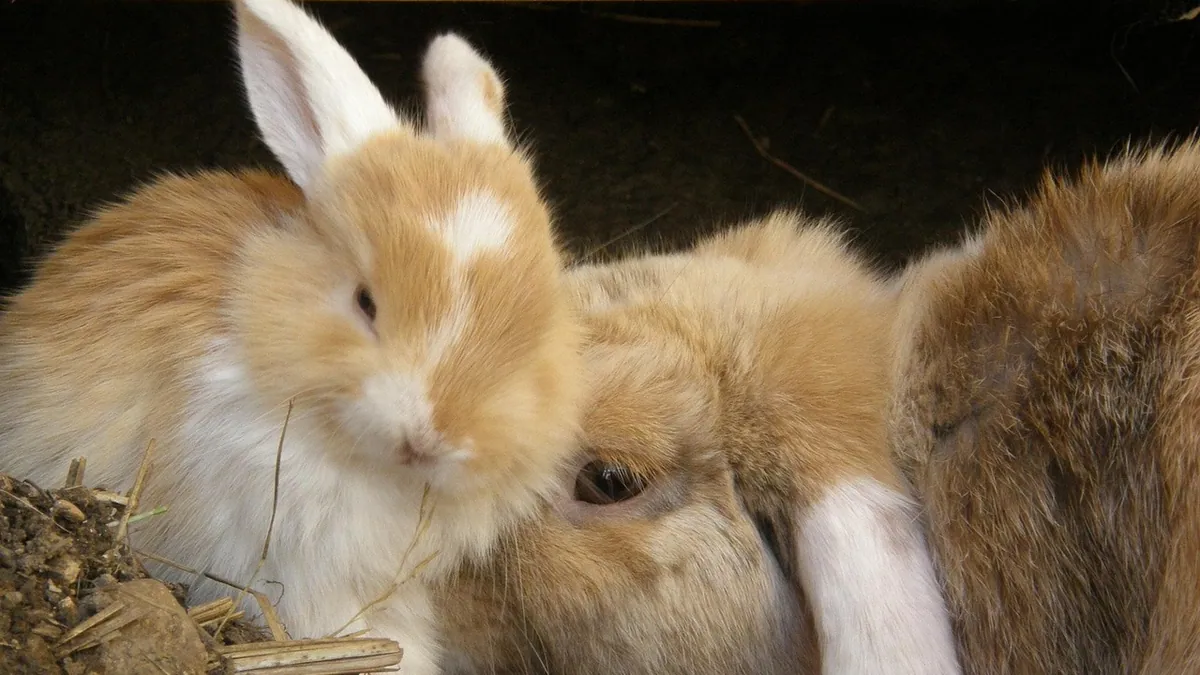
Most rabbits give birth on their own with no help at all, and your main job is to provide a safe nest box, leave the doe alone, and keep the area calm. If you know how to help a rabbit give birth, you can spot problems early and know when to call a veterinarian instead of intervening yourself.
This article is educational and is not a substitute for veterinary diagnosis or treatment.
Quick Answer
- Kindling usually happens at night or early morning and takes 10 to 30 minutes for the whole litter.
- Give the doe a nest box lined with safe bedding about 25 to 28 days after breeding, and let her arrange it herself.
- Do not hover, handle the doe constantly, or move the nest. Stress can make her abandon or harm the kits.
- Newborn kits are born blind, deaf, and hairless, and the doe typically nurses them only once or twice a day.
- Call a veterinarian the same day if a doe strains for more than 30 minutes without delivering a kit, or if she has a kit stuck in the birth canal.
What Happens During Kindling
Rabbits are reflex ovulators, meaning mating itself triggers ovulation instead of a set cycle [1]. That is why a doe can kindle roughly a month after a successful mating. Kindling is usually quick. Most does deliver their whole litter within 10 to 30 minutes, though first-time mothers may take longer.
A doe in labor may pull fur from her belly and dewlap to line the nest. She may become restless, breathe faster, and settle into the nest box. Some does make soft grunting sounds. Others kindle with no visible signs at all, which is why many owners wake up to find kits already born.
Kits are born in a fetal membrane that the doe usually removes and eats. She cleans each kit and nudges it toward her belly to nurse. This is normal behavior and not a sign of aggression.
How to Help a Rabbit Give Birth: Step by Step
Before Kindling
Set up the nest box about 25 to 28 days after breeding. A wooden or plastic box with a low front lip works well. Line it with plain paper bedding or soft hay, not cedar or pine shavings, which can irritate the respiratory tract.
Place the box in a quiet corner of the hutch. Keep the room temperature steady and free of drafts. Limit visitors, loud noises, and other pets. A calm environment supports normal maternal behavior.
Check that the doe is eating and drinking normally in late pregnancy. A doe's metabolic needs shift around parturition, with changes in lipid and energy metabolism that reflect the demands of late pregnancy and birth [2]. Offer her usual diet plus unlimited fresh water. See Rabbit Feeding And Nutrition for details on a balanced diet.
During Kindling
Watch from a distance. Do not open the hutch, pick up the doe, or reach into the nest box while she is delivering. Most does need zero assistance.
If a kit is born outside the nest box, wait until the doe finishes kindling, then gently move the kit into the nest using clean hands or a clean spoon. Wipe your hands first so you do not leave a strong scent.
If the doe is straining hard for more than 30 minutes with no kit delivered, that is a medical emergency. Call a veterinarian right away.
Right After Birth
Count the kits without disturbing the nest more than necessary. Litter size varies widely, and seasonal and management factors affect how many kits a doe delivers and weans [3]. Leave the doe to clean herself and the kits.
Offer fresh water and a small portion of her normal food. Many does are hungry and thirsty after kindling. Do not force interaction.
Postpartum Doe Care: Feeding, Hydration, and Rest
A nursing doe needs more calories and water than a non-nursing doe. Free-feed a high-quality grass hay and a balanced pellet ration, and keep the water bottle or bowl full at all times. Milk production draws heavily on her energy reserves, and her metabolism shifts again as she moves from parturition toward weaning [2].
Give her a quiet space away from the kits when she wants it. Does naturally leave the nest for most of the day and return to nurse. This is normal and does not mean she is rejecting the kits.
Check her belly, nipples, and rear end daily for redness, swelling, or discharge. Warm, firm, painful mammary tissue can signal mastitis, which needs veterinary care.
Do not breed her again while she is nursing. Back-to-back pregnancies drain her body and reduce kit survival. The survival rate for kits is lowest in a doe's first parity and improves in later parities, so giving a young doe time to recover matters [4]. If you keep a male rabbit, house him separately. See Spaying and Neutering Your Pet Rabbit for long-term reproductive health options.
Nest Box and Kitting Schedule
| Time | Action |
|---|---|
| Day 25 to 28 after breeding | Place nest box with safe bedding in a quiet corner |
| Day 28 to 31 | Expect kindling, usually at night or early morning |
| Day 0 (birth day) | Leave the doe alone, offer food and water |
| Day 1 | Do a quick kit check if the doe is calm |
| Day 1 to 14 | Check kits daily for full bellies and warmth |
| Day 14 to 21 | Kits open their eyes and start exploring |
| Day 21 to 28 | Kits begin nibbling solid food |
| Day 28 to 56 | Weaning period, monitor weight and appetite |
Early neonatal mortality is a real concern, with most losses happening in the first five days of life [4]. Daily gentle checks help you catch problems early.
Checking the Kits Safely
Wash your hands and rub them in a little of the doe's nest bedding before touching kits. This masks your scent. Keep checks short, under a minute if possible.
A healthy newborn kit has a round, full belly, warm skin, and stays tucked in the nest. A kit with a wrinkled belly, cool skin, or constant squirming may not be getting enough milk.
If a kit is cold, warm it slowly against your skin or with a warm (not hot) towel before returning it to the nest. Never feed a cold kit. Warm it first.
If the doe rejects a kit or a litter, hand-rearing is difficult and often unsuccessful. Contact a veterinarian or a rabbit-savvy rescue for guidance. Kitten milk replacer is sometimes used, but the exact formula and feeding amount should come from your veterinarian based on the kit's weight and condition.
Signs Something Is Wrong
Call a veterinarian right away if you see any of these:
- The doe strains for more than 30 minutes without delivering a kit.
- A kit or placenta is visibly stuck.
- The doe is bleeding heavily from the vulva.
- The doe is collapsed, unresponsive, or breathing with her mouth open.
- The doe has not delivered all kits and seems painful or distressed hours later.
- Kits are cold, scattered outside the nest, or crying constantly.
- The doe's mammary glands are hot, red, or oozing pus.
- The doe ignores the nest entirely for more than 24 hours.
Some of these are emergencies. Others need a same-day visit. When in doubt, call your veterinarian and describe what you see.
Common Mistakes to Avoid
Overhandling the doe. Stress around kindling can cause a doe to abandon, scatter, or cannibalize her litter. Keep handling to a minimum, especially in the first 48 hours.
Moving the nest box. Once the doe has kindled, leave the box where it is. Moving it can confuse her and cause her to stop nursing.
Checking kits too often. One or two brief checks a day is plenty. Constant opening of the nest box disturbs the doe and chills the kits.
Breeding back too soon. A doe should not be rebred while nursing. Give her body time to recover before the next mating.
Assuming the doe is rejecting the kits. Does nurse only once or twice a day for a few minutes. If the kits have full bellies, they are being fed.
Feeding kits without warming them first. Cold kits cannot digest food. Warm them slowly before any feeding attempt.
Using unsafe bedding. Cedar and pine shavings can cause respiratory irritation. Stick with paper bedding or soft hay.
Supplies and Setup That Matter for Health
A few items make kindling safer and easier:
- A nest box with a low entry lip and enough room for the doe to lie down.
- Plain paper bedding or soft grass hay for lining.
- A water bottle or heavy bowl that will not tip.
- A digital thermometer for checking the room and nest temperature.
- A small kitchen scale for tracking kit weight gain.
- Clean gloves or unscented soap for brief kit checks.
Keep the hutch clean but do not deep-clean the nest area in the first week. The doe relies on her scent to identify the nest and her kits.
For general housing and handling guidance, see Rabbit Care Guide for New Owners. If you are planning a breeding, review Rabbit Gestation Period: What to Expect from Breeding to Kindling before you start.
Limitations and When to Contact a Veterinarian
This guide covers normal kindling and routine postpartum care. It cannot tell you what is happening with your specific doe or litter. Individual cases need a veterinarian who can examine the rabbit in person.
Call now (emergency): heavy bleeding, a stuck kit, straining for more than 30 minutes, collapse, mouth breathing, or a doe who cannot stand.
Call the same day: a doe who has not eaten or drunk for 12 hours, hot or swollen mammary glands, foul-smelling discharge, kits that are cold or crying nonstop, or a doe who has ignored the nest for a full day.
Routine visit: a wellness check for the doe a few days after kindling, a check for the kits at weaning, or a pre-breeding exam if you plan to breed again.
Your veterinarian will calculate any medication dose from your rabbit's weight and health status. Never give a rabbit medication meant for another species or another rabbit.
Frequently Asked Questions
How long does it take for a rabbit to give birth?
Most does deliver their entire litter in 10 to 30 minutes. First-time mothers may take longer, and some kindle over an hour. If straining lasts more than 30 minutes without a kit, call a veterinarian.
Should I stay with my rabbit while she gives birth?
No, stay nearby but out of sight. Most does kindle best when left alone. Watch quietly from a distance and only step in if you see a clear problem like a stuck kit or heavy bleeding.
How do I know if the mother rabbit is feeding her kits?
Check the kits' bellies once a day. Full, round bellies mean they are nursing. Does usually nurse only once or twice a day for a few minutes, so you may never see it happen.
Can I touch newborn rabbits?
Yes, briefly, if you need to check them. Wash your hands and rub them in the nest bedding first. Keep each check under a minute and return the kit to the nest right away.
When can baby rabbits leave their mother?
Kits usually start nibbling solid food around 3 weeks and are fully weaned by 6 to 8 weeks. Keep them with the doe until they are eating and drinking on their own.
Related Articles
- Rabbit Care Guide for New Owners
- Spaying and Neutering Your Pet Rabbit
- Rabbit Feeding And Nutrition
- Rabbit Gestation Period: What to Expect from Breeding to Kindling
- Rabbit Care: Pyramiding & Shell Health Management
- How Long Are Rabbits Pregnant? Gestation Timeline
- Why Is My Rabbit Making a Nest? Nesting Explained
- How to Tell If Your Rabbit or Small Pet Is Pregnant
- How to Start Breeding Rabbits: A Beginner's Guide to Responsible Practices
- Rabbit Production Cycle: From Mating to Weaning
References
- Intravaginal GnRH analogues in rabbits: Fertirelin as the most effective option for ovulation induction. Theriogenology, 2026.
- Rabbit Does as a Model for Studying Plasma Metabolomic Adaptations Across Reproductive Stages: Insights from Parturition to Weaning. Veterinary sciences, 2026.
- Seasonal Effects and Heritability of Litter Size at Birth and Weaning in Commercial Rabbits in Central Mexico (2015-2021). Veterinary sciences, 2025.
- Survival analysis and assessment of maternal-related risk factors for mortality of rabbits in the humid tropics of Nigeria. Tropical animal health and production, 2026.