Why Is My Hamster Eating So Much? Normal Hoarding or a Problem
By Dr. Zubair Khalid, DVM, MS, PhD ·
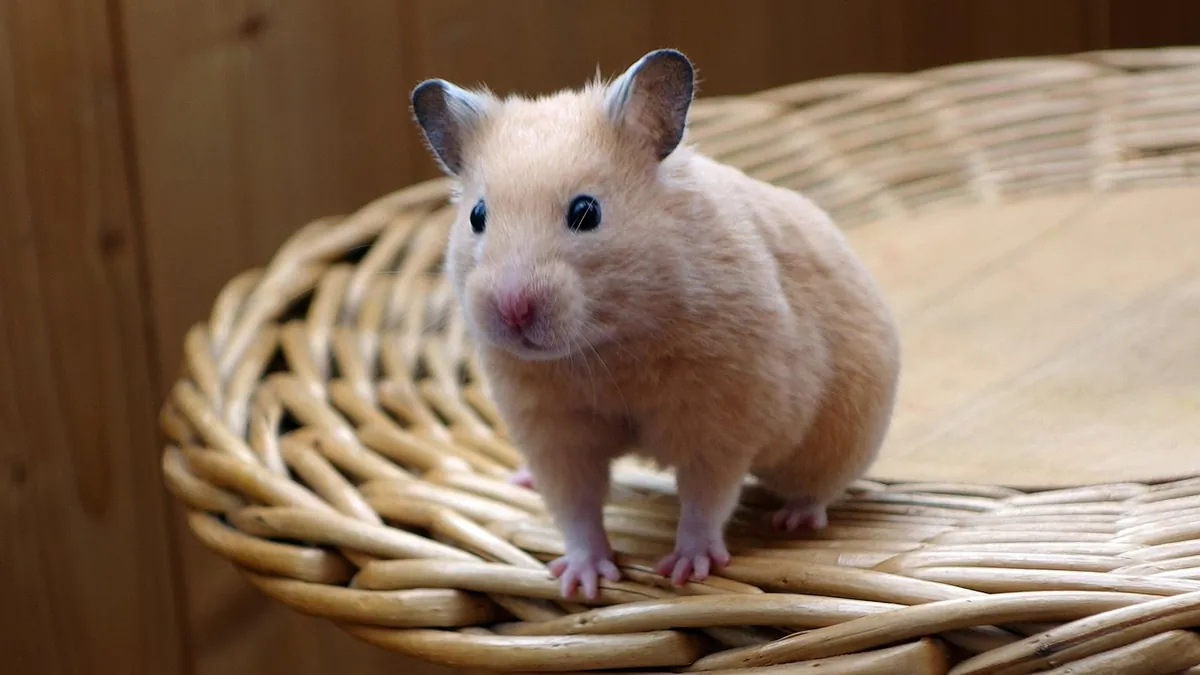
If your hamster is eating so much that you refill the bowl constantly, you are probably seeing normal hoarding behavior, not true overeating. Hamsters stuff food into their cheek pouches and stash it in a hidden corner, so the bowl empties fast even when your pet eats very little. Real overeating, called polyphagia, is different and can point to diabetes, parasites, or stress.
This article is educational and is not a substitute for veterinary diagnosis or treatment.
Quick Answer
- A hamster who empties the bowl but stays a healthy weight is almost certainly hoarding, which is normal and expected.
- A hamster who eats constantly and still loses weight, drinks heavily, or has a messy, wet-looking coat needs a veterinary exam.
- Syrian hamsters are the most common pet hamster in the United States [1].
- Weigh your hamster weekly on a small kitchen scale and write the number down, since trends matter more than any single reading.
- Never restrict food to slow down hoarding, because hamsters do not fatten before hibernation and can starve if they cannot eat regularly [1].
What Is Actually Happening: Hoarding vs. Overeating
Hoarding is built into hamster biology
Wild hamsters eat green plants, seeds, fruit, and meat, and they carry food back to a safe spot instead of eating it all at once [1]. Your pet is doing the same thing. The cheek pouches stretch far back along the neck, and a hamster can pack them until the head looks wide and lumpy. Hours later, you find a pile of pellets behind the wheel or under the hide.
This is why the bowl seems to vanish overnight. The food is not gone. It has moved.
Polyphagia means eating more than the body needs
True overeating is when a hamster consumes more calories than a hamster of that size and activity level should, and the extra shows up as weight gain, or the appetite stays high while the body wastes away. That second pattern is the one that worries veterinarians. An animal that eats ravenously but gets thinner has a medical problem, not a big appetite.
Stress changes both eating and hoarding
Research in golden hamsters shows that social stress during adolescence leads to lasting weight gain, obesity, and stronger food hoarding behavior [2]. A separate review notes that golden hamsters are unusual among laboratory animals because they gain weight and eat more under stress, and their hoarding also increases [3]. So a hamster who suddenly hoards more may be responding to a change at home, such as a new pet, a moved cage, or a noisy room.
Signs Owners Notice First
Owners usually spot one of these before anything else:
- The food bowl empties within a day or two.
- Cheek pouches look stretched and full most of the evening.
- A hidden stash appears behind the wheel, in a tunnel, or under bedding.
- The hamster seems to eat all night long.
- Weight changes, either up or down, over a few weeks.
- Water bottle drains faster than usual.
- The coat looks greasy, clumped, or wet around the belly and rear.
- The hamster seems hungrier but less active.
The last few items on that list matter most. A busy hamster with a full stash and a stable weight is fine. A hungry hamster with a poor coat and a shrinking body is not.
Why Is My Hamster Eating So Much? Causes and Risk Factors
Normal hoarding
This is the answer for most healthy hamsters. Hoarding is a species-typical behavior, and it can increase when the environment feels less secure. Cold temperatures also push hamsters to gather food [1]. If your hamster's room dips below about 50°F, expect more frantic collecting.
Stress and social change
Stress reliably increases food intake, weight gain, and hoarding in golden hamsters [2][3]. A hamster living near a barking dog, in a high-traffic hallway, or in a cage that is too small may eat and stash more. The article on Designing the Ideal Hamster Habitat: Size, Substrate, and Enrichment walks through cage setup in detail.
Diabetes
Diabetes is common in some hamster lines, especially dwarf hamsters. The classic picture is a hamster who eats and drinks a lot, urinates a lot, and still loses weight. The cage smells strongly of urine, and the bedding gets soaked quickly.
Parasites and intestinal disease
Tapeworms and other intestinal parasites steal nutrients. The hamster eats normally or more than normal but cannot hold weight. You may see soft stool, a dull coat, or a messy bottom.
Poor diet quality
Seed mixes let hamsters pick out the fatty seeds and leave the pellets behind [1]. The result is a diet high in fat and low in balanced nutrition, which can drive weight gain and picky eating. A complete pelleted hamster diet is the better base [1].
Pregnancy and nursing
A pregnant or nursing female eats far more than usual. This is expected. Keep food available at all times and avoid handling the nest, because disturbing the mother and young is a major cause of pup loss [1].
Food restriction and competition
When food is scarce, hamsters change how they spend energy. In one study, hamsters restricted to 20% less food than they would eat freely still defended territory aggressively, and their metabolic rate and body temperature rose when an intruder appeared [4]. Hunger changes behavior, and a hamster who feels food-insecure may eat and hoard differently.
Brain chemistry
Appetite and hoarding are controlled by separate circuits. When researchers gave Siberian hamsters agouti-related protein, a signal tied to hunger, hoarding increased up to ten times more than actual food intake, and both changed within an hour [5]. In other words, a hamster can be driven to collect food without being driven to eat it. That is the clearest scientific explanation for why the bowl empties while your hamster stays slim.
| What you see | Most likely cause | What to do |
|---|---|---|
| Bowl empties, weight stable, stash found | Normal hoarding | Keep feeding a measured portion, leave the stash alone |
| Eats a lot, drinks a lot, urinates a lot, losing weight | Diabetes | Veterinary visit this week |
| Eats a lot, weight dropping, soft stool or messy rear | Parasites or gut disease | Veterinary visit this week |
| Sudden increase in hoarding after a household change | Stress | Reduce noise, enlarge the cage, add enrichment |
| Weight climbing over weeks with a seed-heavy diet | Diet quality and calories | Switch to a complete pelleted diet [1] |
| Female with a large belly and heavy appetite | Pregnancy or nursing | Leave her alone, keep food and water full [1] |
How Veterinarians Sort This Out
History and husbandry questions
Your vet will ask what you feed, how much, how often the bowl is refilled, whether you find stashes, how much water disappears, and whether the cage smells stronger than usual. Bring the actual food bag or a photo of the label. A seed mix versus a pellet diet changes the whole picture [1].
Physical exam
The vet checks body condition, weighs your hamster, feels the belly, looks at the teeth, and inspects the coat and rear end. Cheek pouches get checked too, since an impacted pouch can look like a hamster who just ate.
Weight trend
A single weight means little. Two or three weights over a few weeks tell the story. Weigh at the same time of day, ideally before the evening meal, on a gram scale.
Urine and stool testing
Urine dipsticks can screen for glucose, which supports a diabetes diagnosis. Fecal testing looks for parasite eggs. These are simple, low-stress tests for most hamsters.
Blood work
Blood collection in a hamster is delicate because of their small size. Your vet will decide whether the information is worth the risk. Many cases are managed from history, exam, urine, and stool alone.
Treatment Options
Treatment depends entirely on the cause.
- Normal hoarding: no treatment. Feed a measured amount of a complete pelleted diet and accept that some of it will end up in a stash [1].
- Diabetes: your veterinarian will discuss diet changes, monitoring, and whether medication is appropriate. Doses are calculated from your hamster's weight and health status, so never use a dose from the internet.
- Parasites: deworming medication prescribed by your vet, plus a full cage clean and bedding change.
- Stress-related overeating: enlarge the enclosure, add a deeper bedding layer, provide a quiet room, and keep a predictable routine. The stress research in hamsters shows that social stress drives weight gain and hoarding, so reducing the stressor is the treatment [2][3].
- Diet-related weight gain: transition to a complete pelleted hamster diet and stop free-feeding seed mixes [1].
Never withhold food as a weight control method. Hamsters do not store fat before hibernation and will starve if they cannot eat regularly [1].
Recovery, Outlook, and Long-Term Management
Hamsters with simple hoarding behavior need no recovery. They are behaving normally.
Hamsters with diabetes or parasites can often be managed, but the outlook depends on how early you catch it and how well the hamster tolerates handling and treatment. Small patients decline fast, so early visits matter.
For long-term care:
- Weigh weekly and log the numbers.
- Feed a fixed portion of a complete pelleted diet [1].
- Refresh the water bottle daily and note how fast it empties.
- Clean the cage on a schedule and watch for a strong urine smell.
- Keep the room between roughly 65°F and 75°F, since cold drives food gathering and can trigger torpor below 41°F [1].
- Track your hamster's overall lifespan expectations, which are covered in Hamster Lifespan: What to Expect and How to Maximize It.
Prevention
You cannot prevent hoarding, and you should not try. You can prevent the problems that get mistaken for overeating.
Feed a complete, balanced pelleted diet made for hamsters, and avoid generic seed mixes that let your pet pick out the fatty pieces and leave the rest [1]. Measure the portion instead of topping off a full bowl. Keep the cage large, the bedding deep, and the room quiet. Handle your hamster gently and avoid disturbing a nest with young, since that disturbance is a leading cause of pup death [1].
If you have other pets, keep them out of sight and smell range of the cage. Stress is a real driver of appetite and hoarding changes in this species [2][3].
Limitations and When to Contact a Veterinarian
No article can examine your hamster. Individual cases need a veterinarian who can weigh, feel, and test your pet.
Contact an emergency veterinary hospital now if your hamster is limp, cold, breathing hard, having trouble breathing, or cannot be roused.
Call for a same-day appointment if you see weight loss despite a good appetite, a swollen belly, a wet or soiled rear end, straining to urinate, blood in the urine, or a cheek pouch that stays packed and looks swollen or painful.
Schedule a routine visit within a week if the water bottle empties much faster than usual, the cage smells strongly of urine, your hamster's weight is climbing steadily, or you find soft stool.
For any suspected poisoning, contact a pet poison control service right away. Have your hamster's weight and the product label ready.
Frequently Asked Questions
Should I take away the hidden stash of food?
No, leave the stash alone. Removing it causes stress and pushes your hamster to hoard even more. Instead, feed a measured portion each day and let your pet manage its own supply.
How much food should a hamster get each day?
Most adult Syrian hamsters do well with about one to two tablespoons of a complete pelleted diet daily, adjusted for body condition and activity. Dwarf hamsters need less. Your veterinarian can tailor the amount to your specific hamster.
Does a full cheek pouch mean my hamster is overeating?
Not at all. Cheek pouches are for carrying, not for eating. A hamster can stuff both pouches completely and then eat only a small part of what it collected.
Can stress really make a hamster eat more?
Yes. Research in golden hamsters shows that social stress during adolescence leads to lasting weight gain, obesity, and stronger food hoarding [2]. A related review confirms that golden hamsters gain weight and eat more under stress, unlike rats and mice [3].
Is my hamster's weight gain from food or from something medical?
It depends on the pattern. Steady gain with a seed-heavy diet points to calories. Rapid gain, a swollen belly, or weight gain alongside heavy drinking and urination points to a medical cause that needs testing.
Related Articles
- Hamster Lifespan: What to Expect and How to Maximize It
- Designing the Ideal Hamster Habitat: Size, Substrate, and Enrichment
- Hamster Care: Pyramiding & Shell Health Management
- Why Is My Hamster Not Eating? Causes and Next Steps
- Hamster Weight Problems: Helping Your Hamster Gain or Lose Weight
- Why Is My Hamster Peeing and Pooping So Much?
References
- Hamsters - Exotic and Laboratory Animals. Merck Veterinary Manual.
- Blunted food conditioned place preference-like behavior in adolescent-stressed male hamsters. Behavioural brain research, 2025.
- A hamster model for stress-induced weight gain. Hormones and behavior, 2024.
- Territory aggression and energy budget in food-restricted striped hamsters. Physiology & behavior, 2022.
- Agouti-related protein increases food hoarding more than food intake in Siberian hamsters. American journal of physiology. Regulatory, integrative and comparative physiology, 2004.