Why Is My Hamster Sleeping So Much?
By Dr. Zubair Khalid, DVM, MS, PhD ·
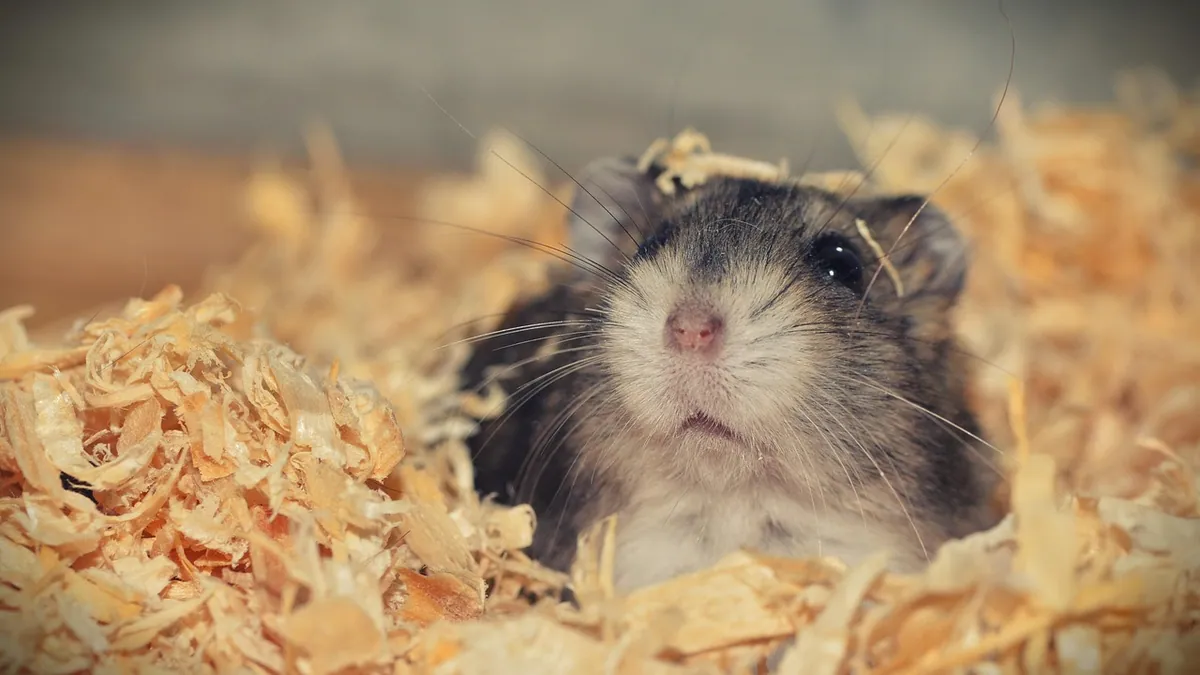
Hamsters are naturally nocturnal and crepuscular, so sleeping through most of the day is normal behavior, not a sign of laziness. If your hamster is sleeping more than usual, the answer usually comes down to one of three things: normal daytime rest, a seasonal energy-saving state called torpor, or an underlying illness. This article is educational and is not a substitute for veterinary diagnosis or treatment.
Quick Answer
- A healthy hamster sleeps most of the daylight hours and is active in the evening and night. This is normal.
- Syrian hamsters can enter torpor or true hibernation when days are short and temperatures drop, with body temperature falling as low as 10°C in laboratory conditions [1][2].
- Extra sleep becomes a red flag when it comes with not eating, no droppings, drooling, a hunched posture, or feeling cold and limp.
- Never try to make a hamster vomit. Hamsters cannot vomit, so any drooling or retching needs a vet right away.
- If your hamster is hard to wake, breathing slowly, or cold to the touch, treat it as an emergency and call a veterinarian who treats exotic pets.
What Extra Sleeping Looks Like and What Is Normal
Hamsters are not day animals. They wake in the late afternoon and evening, forage, run on a wheel, and stash food, then sleep through much of the day. A hamster that naps all day and perks up at dusk is behaving exactly as it should.
The most common pet hamster is the golden, or Syrian, hamster (Mesocricetus auratus), and all captive Syrian hamsters appear to descend from a single litter of eight collected near Aleppo, Syria, in 1930 [3]. Dwarf hamsters such as the Djungarian (Phodopus sungorus) and Roborovsky (Phodopus roborovskii) hamsters are also common pets [3]. Both groups share the same basic sleep pattern.
Normal daytime sleep looks like this:
- Your hamster is curled in a nest, often in a hide or burrow.
- It wakes when you offer food, when the room gets active, or when the lights go down.
- Its breathing is quiet and regular, and its body feels warm.
- It eats, drinks, grooms, and produces droppings overnight.
Abnormal sleep looks different. Your hamster may stay out in the open instead of nesting, feel cool or cold, breathe slowly, and fail to wake for food. It may also stop producing droppings or stop eating. That pattern points to illness or torpor, not ordinary rest.
If you are comparing sleep changes across species, the same principles apply to dogs, and our guide on why dogs sleep so much explains how normal rest differs from lethargy.
Why Is My Hamster Sleeping So Much? The Main Causes
Several very different problems can look alike. The table below separates them by what you actually see.
| Cause | Typical clues | How urgent |
|---|---|---|
| Normal crepuscular sleep | Wakes at dusk, eats and runs at night, warm and responsive | Not urgent |
| Torpor or hibernation | Cool body, slow breathing, hard to rouse, triggered by cold or short days | Urgent if it does not warm up and wake |
| Cold stress or a drafty cage | Hamster huddled, cage near a window or floor, room temperature low | Same-day vet call |
| Dental disease or mouth pain | Drooling, dropping food, weight loss, eating less | Same-day vet visit |
| Digestive upset or ileus | No droppings, small droppings, bloated belly, hunched posture | Emergency |
| Respiratory infection | Noisy breathing, discharge from nose, clicking sounds | Same-day vet visit |
| Pain, injury, or a mass | Limping, swelling, guarding one area, not moving much | Same-day vet visit |
| Old age | Gradual slowdown over weeks, still eating and grooming | Routine visit |
| Wet tail (severe diarrhea) | Watery diarrhea, soiled rear, strong odor, very quiet | Emergency |
Normal Crepuscular and Nocturnal Sleep
This is the most common reason a hamster sleeps a lot, and it needs no treatment. Hamsters evolved to avoid daytime predators and heat. A hamster that sleeps from morning until early evening is doing what its body clock tells it to do.
Torpor and Hibernation
Some hamsters can drop into torpor, a state with a sharp fall in metabolic rate and body temperature [4]. In Djungarian hamsters, this daily torpor is a precisely timed energy-saving strategy that occurs in winter [4]. In Mongolian hamsters, a gradual drop in room temperature from 24 to 4°C led most animals to become more active, and six hamsters entered torpor bouts and hibernation with body temperature falling to 10°C [1].
Syrian hamsters also hibernate. They begin hibernating in response to a short photoperiod and cold, and they end hibernation on their own after several months without any change in their environment [2]. Diet during the weeks after weaning also affects whether hibernation happens, and female hamsters showed hibernation induction rates over 80% regardless of diet type in one study [5].
This matters for pet owners because a pet hamster kept in a cool room during winter can slide into torpor. It may feel cold and seem barely alive. A true hibernating hamster can be warmed and roused, but a hamster that stays cold and unresponsive needs veterinary help.
Illness-Related Lethargy
When a hamster is sick, sleep is often the first change you notice. Small mammals hide illness well, and by the time they seem "just sleepy," the problem may be advanced. Dental pain, gut stasis, respiratory disease, and wet tail all cause a hamster to slow down and sleep more.
Pain and Stress
A hamster in pain may sleep in an unusual spot, stop using a wheel, or sit hunched. Stress from a new cage mate, a moved cage, or a noisy room can also increase sleep and hiding.
Age
Older hamsters sleep more and move less. This is expected, but it still deserves a checkup, because arthritis and dental problems are common in older animals and can be treated or managed.
Red Flags That Mean an Emergency
Call an exotic-pet veterinarian right away if you see any of these:
- Your hamster is cold to the touch and will not warm up or wake.
- Breathing is very slow, very fast, or noisy.
- There is drooling, or your hamster is pawing at its mouth.
- There are no droppings for 12 to 24 hours, or droppings are tiny.
- The belly looks bloated or feels tight.
- There is watery diarrhea or a soiled, smelly rear end.
- Your hamster is hunched, grinding its teeth, or crying out.
- There is blood, a wound, or a swollen area.
- Your hamster has not eaten or drunk in 12 hours or more.
Hamsters cannot vomit, so drooling is never a sign of an upset stomach that will pass on its own. It usually points to mouth or dental pain and needs a same-day exam.
Safe Things You Can Do at Home While You Wait
You cannot diagnose your hamster at home, but you can keep it stable and gather useful information for your vet.
- Warm the cage gently. Move the cage away from windows, floors, and air conditioning vents. A room kept comfortably warm for you is usually right for a hamster. Do not use a heat lamp or heating pad directly on the cage, because hamsters can overheat quickly.
- Offer easy, familiar food. Place a small piece of a favorite food near the nest. Do not force food or water into the mouth.
- Check for droppings. Look in the bedding for fresh droppings. Note the number, size, and color.
- Weigh your hamster if you can. A small kitchen scale works. Weight loss over a few days is a strong clue for your vet.
- Keep handling calm and brief. Stress makes a sick hamster worse. Limit handling to quick checks.
- Write down a timeline. Note when the sleep change started, what your hamster is eating, and any other signs. This helps your vet a lot.
Do not give any medication, including human pain relievers, without veterinary direction. Your veterinarian calculates any dose from your pet's weight and health.
What Your Veterinarian Will Check and Test
Your vet will start with a full physical exam, including the mouth, teeth, belly, and rear end. Hamsters have enormous cheek pouches that open inside the lips and extend well back of the shoulders, so your vet will also check the pouches for packed food, injury, or infection [3].
Expect questions about diet, cage temperature, bedding, and how long the sleep change has lasted. Your vet may also ask about your hamster's cycle. Female hamsters have a 4-day estrous cycle that ends with a thick, creamy white discharge with a distinct odor, and owners sometimes mistake this for illness [3].
Testing may include:
- A fecal check for parasites and diarrhea causes.
- A glucose check or bloodwork if your vet can safely collect a sample.
- X-rays or ultrasound for masses, dental problems, or fluid.
- A dental exam under light sedation if the mouth is painful.
Treatment depends on the cause. A hamster in torpor is warmed gradually and monitored. A hamster with dental disease may need a tooth trim. A hamster with an infection needs antibiotics chosen by your vet.
If you also notice your hamster drinking far more than usual, keep a water log, because increased drinking can point to kidney or hormonal problems. Our article on why dogs drink so much water explains how vets use water intake as a clue, and the same record-keeping helps with hamsters.
Prevention and Monitoring
Most sleep problems in hamsters come from environment and husbandry, so a few habits go a long way.
- Keep the cage warm and stable. Avoid cold rooms, drafts, and sudden temperature swings. This is the single best way to prevent torpor in a pet hamster.
- Keep a consistent light schedule. Hamsters use day length as a cue. A steady light and dark cycle helps their body clock stay normal.
- Feed a complete hamster diet. Sudden diet changes can trigger digestive problems. Introduce new foods slowly.
- Check droppings daily. This is the fastest way to catch gut problems early.
- Weigh weekly. A small kitchen scale catches weight loss before you see it.
- Schedule routine exams. Twice-yearly checkups are reasonable for hamsters, since their lives are short. Our guide on hamster lifespan explains what to expect at each stage.
- Watch for yawning and mouth pawing. Frequent yawning or pawing at the mouth can be an early sign of dental pain, so mention it at your next visit.
Limitations and When to Contact a Veterinarian
This article cannot tell you what is wrong with your specific hamster. Only a veterinarian who examines your pet can do that. Individual cases always need a veterinarian, and hamsters decline fast.
Contact a veterinarian the same day if your hamster is sleeping more than usual and also shows any of these: drooling, not eating, small or no droppings, a bloated belly, noisy breathing, or a hunched posture.
Go to an emergency clinic now if your hamster is cold and unresponsive, gasping, having seizures, or has severe watery diarrhea.
Call for a routine visit if the change is mild, your hamster still eats and produces droppings, and you simply want to rule out a slow problem. Do not wait a week to see if it improves on its own, because small mammals often show only subtle signs until they are very sick.
Frequently Asked Questions
Is my hamster hibernating?
It might be, if the room is cold and your hamster feels cool, breathes slowly, and is hard to wake. Syrian hamsters hibernate when exposed to short days and cold, and they can stay in that state for months [2]. A hibernating hamster can be warmed and roused, but one that stays cold and limp needs a vet.
Why does my hamster sleep so much during the day?
That is normal for a crepuscular animal that is active at dusk and at night. A hamster that sleeps all day and plays all evening is healthy. The concern starts when your hamster also stops eating, stops producing droppings, or feels cold.
Why does my hamster yawn so much?
Occasional yawning is normal, especially when your hamster wakes up. Frequent yawning, drooling, or pawing at the mouth can point to dental pain, so have your vet check the teeth and cheek pouches.
Why is my rat sleeping so much?
Rats are also nocturnal, so daytime sleeping is normal for them too. In both rats and hamsters, extra sleep becomes a concern when it comes with not eating, labored breathing, or a lack of droppings. If your rat is showing those signs, see an exotic-pet vet.
Can a hamster sleep too much and still be healthy?
Yes, if the extra sleep follows a normal pattern and your hamster still eats, drinks, grooms, and produces droppings overnight. Cold rooms, short winter days, and old age can all increase sleep without meaning illness. When in doubt, a quick exam is the safest choice.
Related Articles
- Hamster Lifespan: What to Expect and How to Maximize It
- Why Is My Hamster Always Sleeping or Not Sleeping?
- Is It Normal for Hamsters to Sleep All Day?
- How Long Do Hamsters Sleep? Normal Patterns by Species
- Hamster Polyomavirus
References
- Unusual Pattern of Cerebral Electrical Activity in the Mongolian Hamster (Allocricetulus curtatus) During Heterothermia. Doklady biological sciences : proceedings of the Academy of Sciences of the USSR, Biological sciences sections, 2025.
- Spontaneous recurrence of a summer-like diel rhythm in the body temperature of the Syrian hamster after hibernation. Proceedings. Biological sciences, 2023.
- Hamsters - Exotic and Laboratory Animals. Merck Veterinary Manual.
- Daily torpor in the Djungarian hamster (Phodopus sungorus) is orchestrated by the suprachiasmatic nucleus: evidence from immediate early gene mapping and nucleus-specific sequencing. Journal of comparative physiology. B, Biochemical, systemic, and environmental physiology, 2026.
- Effect of post-weaning diet on hibernation occurrence in Syrian hamsters. Experimental animals, 2026.