Hamster Food Guide: Safe Foods, Portions, and Diet
By Dr. Zubair Khalid, DVM, MS, PhD ·
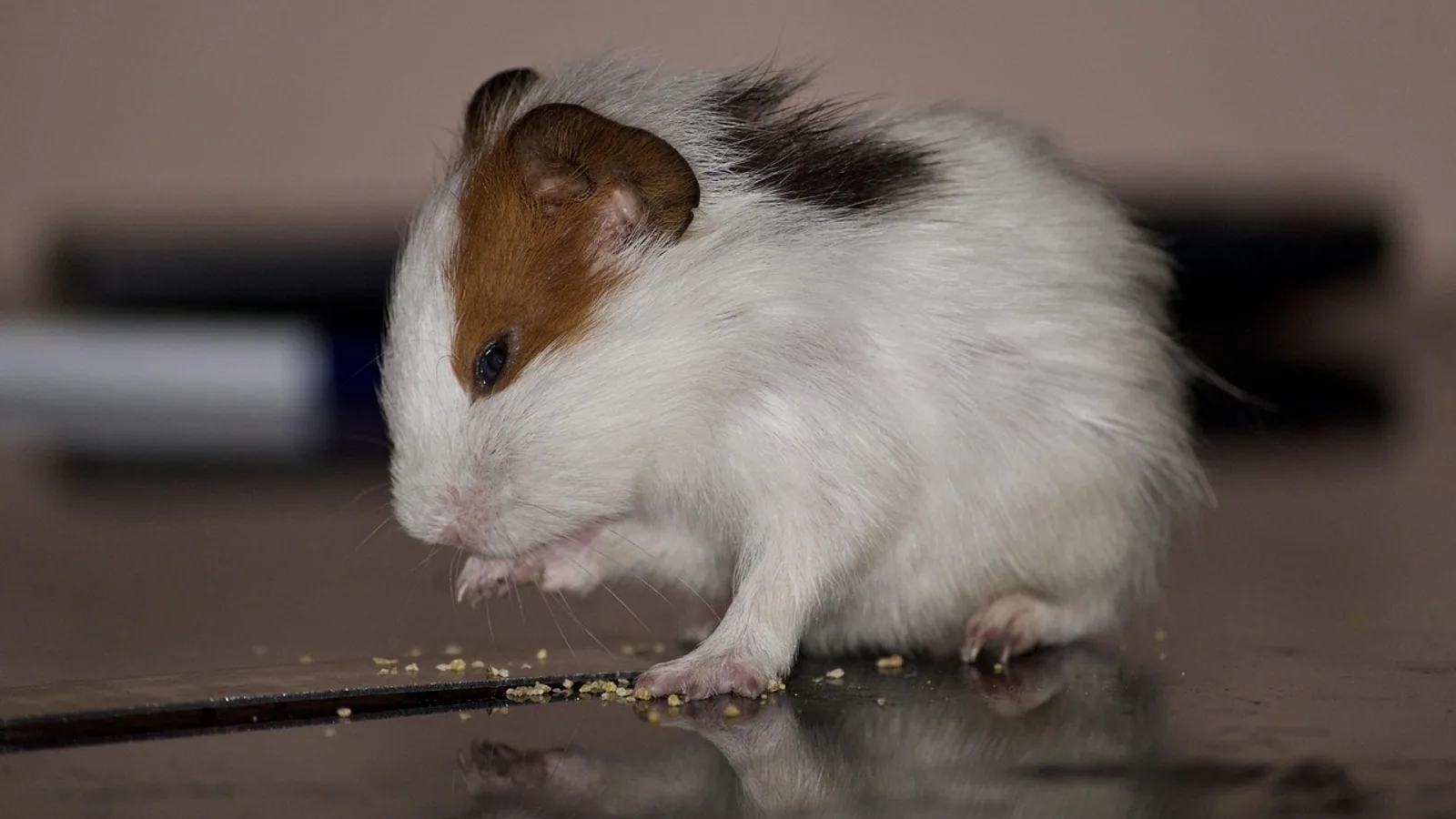
A healthy adult Syrian hamster eats roughly 1 to 2 tablespoons (about 10 to 15 grams) of a quality commercial diet each day, while a dwarf hamster eats about half that, roughly 1 to 2 teaspoons (about 5 to 8 grams). Feed a pelleted or block-style diet that supplies about 16 to 19 percent protein, keep fresh water available at all times, and limit treats to less than 10 percent of daily intake. Vegetables and small amounts of fruit are safe in measured portions. Citrus, onion, garlic, chocolate, avocado, raw potato, and almonds are not safe.
This guide explains why those numbers matter, how Syrian and dwarf hamsters differ, which foods are safe, which are dangerous, and how to build a weekly feeding plan that supports long-term health.
This article is educational and is not a substitute for veterinary diagnosis or treatment.
At a Glance: Daily Feeding Targets
| Item | Syrian (golden) hamster | Dwarf hamster (Campbell's, winter white, Roborovski) |
|---|---|---|
| Body size | Larger, roughly 85 to 150 g as adults | Smaller, roughly 25 to 50 g as adults |
| Daily staple | 1 to 2 tbsp (about 10 to 15 g) of quality pellet mix | 1 to 2 tsp (about 5 to 8 g) of quality pellet mix |
| Protein target | About 16 to 19 percent of the diet | About 16 to 19 percent of the diet |
| Sugar and simple carbohydrate | Moderate restriction | Stronger restriction because of diabetes risk in some lines |
| Fresh vegetables | 1 to 2 small pieces per day | 1 small piece per day |
| Fruit | 1 to 2 times per week, thumbnail-sized | Rarely, pea-sized, once per week or less |
| Treats | Under 10 percent of daily intake | Under 10 percent of daily intake |
| Water | Fresh, always available | Fresh, always available |
| Housing | Solitary, one hamster per enclosure | Solitary, one hamster per enclosure |
Use this table as a starting point. Adjust based on body condition, activity, and your veterinarian's advice.
Why Hamster Nutrition Is Different from Other Small Pets
Hamsters are not small rabbits and they are not small rats. Their feeding physiology has measurable differences that change how you should feed them.
Research on golden hamsters shows that their energy regulation during pregnancy and lactation differs from that of rats. When lactating hamsters were given access to separated macronutrients, they increased their intake of protein and fat but not carbohydrate, which suggests hamsters regulate macronutrient selection in a species-specific way [1]. That finding matters for everyday feeding because it shows hamsters do not simply eat to a fixed calorie target. They make choices, and the choices you offer shape their intake.
Hamsters also have distinct satiety signaling. In golden hamsters, peripheral injection of cholecystokinin octapeptide reduced feeding in a dose-related manner, and the effect differed between males and females tested in the light versus dark phase [2]. Other peptides such as bombesin, thyrotropin releasing hormone, and calcitonin also suppressed feeding, though not always through a selective effect on appetite [2]. The practical takeaway is that hamsters have working appetite controls, but those controls respond to diet composition. A diet built on simple sugars and fat can override normal regulation.
That risk is documented. A high-sugar, high-butter diet combined with a warm environmental temperature induced obesity in hamsters after 38 days, and the obese animals developed higher cholesterol and triglyceride levels and increased leukocyte numbers, changes that resemble the human obese condition [3]. A separate line of work showed that a high-sucrose diet with a low proportion of cholesterol produced cholesterol gallstones in about half of hamsters after a 5-week feeding period [4]. These are laboratory findings, not predictions about any single pet hamster, but they establish that hamster metabolism is sensitive to the amount and type of carbohydrate and fat in the diet.
Protein requirements are also well studied. In growing hamsters, daily weight gain improved significantly when dietary protein increased from 10.6 to 13.7 and 16.7 percent [5]. Adult male hamsters stayed in positive nitrogen balance and gained a small amount of weight on diets containing 7.8 percent or 5.6 percent protein [5]. A separate study found that protein-restricted hamsters given access to high-protein pellets adjusted their behavior to obtain protein and still derived an average of 11 to 12 percent of total calories from protein even at the highest work requirement [6]. Taken together, these studies support a practical target of roughly 16 to 19 percent protein for adult maintenance, with the understanding that adult hamsters can survive on lower protein but do better with adequate intake.
Soluble fiber and diet composition affect bile acid excretion in hamsters, as shown in a meta-analysis that included hamster data alongside rats, guinea pigs, and dogs [7]. This is one reason a diet with moderate, consistent fiber from vegetables and a quality pellet base supports digestive health better than a diet of random table scraps.
Finally, baseline data from Syrian hamsters fed a standard maintenance diet for 24 weeks showed that total plasma cholesterol, LDL cholesterol, and HDL cholesterol increased over the study period, while aortic cholesteryl ester, a marker of atherosclerosis, stayed very low [8]. This tells us that a standard maintenance diet does not by itself raise atherosclerotic risk in golden Syrian hamsters. The diet you choose should aim to keep that baseline stable.
Syrian vs Dwarf Hamsters: Two Feeding Plans
The two groups most owners keep are Syrian (golden) hamsters and dwarf hamsters. The dwarf group includes Campbell's dwarf hamsters, winter white dwarf hamsters, and Roborovski hamsters. They are not interchangeable when you plan portions.
Syrian (Golden) Hamsters
Syrian hamsters are larger and heavier. An adult typically weighs around 85 to 150 grams. They are solitary and should be housed alone. Their daily staple is 1 to 2 tablespoons of a quality pellet or block mix, roughly 10 to 15 grams, adjusted for body condition. Syrian hamsters handle a slightly wider range of vegetables and small fruit portions than dwarfs, but the same unsafe-food list applies.
Dwarf Hamsters
Dwarf hamsters are smaller, often 25 to 50 grams as adults, and they have a higher metabolic rate relative to body size. They eat less per meal but more frequently. Feed about 1 to 2 teaspoons of a quality pellet mix daily, roughly 5 to 8 grams. Some lines of dwarf hamsters, particularly Campbell's, carry a higher risk of diabetes. For these animals, keep sugar and simple carbohydrate intake low. That means fruit is rare, sweet treats are avoided, and the staple diet should not be built on sugary mixes with dried fruit, honey, or molasses.
Both species are solitary. Group housing causes stress and fighting, and stress affects eating. One hamster per enclosure is the standard.
The Staple Diet: What to Feed Every Day
The base of the diet should be a complete commercial hamster diet in pellet or block form. These products are formulated to deliver consistent protein, fat, fiber, vitamins, and minerals. A seed mix alone is not a complete diet because hamsters selectively eat the high-fat seeds and leave the fortified pieces behind.
Selection Criteria for a Staple Diet
Look for these features on the label or in the product description:
- Protein content around 16 to 19 percent, consistent with the growth and maintenance data in hamsters [5].
- Moderate fat content, not a high-fat formula, because high-fat and high-sugar diets promote obesity and metabolic changes in this species [3].
- Fiber from wholesome plant sources, since diet composition and soluble fiber influence bile acid handling in hamsters [7].
- No added sugar, honey, molasses, or heavy dried-fruit content, especially for dwarf hamsters.
- A uniform pellet or block form so the hamster cannot pick out only the palatable pieces.
- A manufacturer that provides a guaranteed analysis and a fixed formula.
If you use a loose mix, choose one where the pellets and blocks make up the majority and the seeds and dried pieces are a small minority. Better still, feed a complete pellet as the base and use seeds and vegetables as measured extras.
How Much to Feed
Weigh your hamster periodically, or at least assess body condition by feel. You should be able to feel the ribs under a thin layer of fat but not see them sharply. A hamster that feels bony needs more. A hamster that feels soft and round with no palpable ribs needs less.
For a Syrian hamster, start with 1 to 2 tablespoons per day. For a dwarf, start with 1 to 2 teaspoons per day. Hamsters hoard food, so you will often find stashes in the bedding. Check the stash before adding more food. If the stash is large and untouched, you may be overfeeding. If the stash is empty and the hamster seems hungry, review the portion.
Water
Fresh water must be available at all times. Use a bottle with a metal sipper or a heavy ceramic bowl that cannot be tipped. Change the water daily. A hamster that stops drinking can become dehydrated quickly, especially dwarfs.
Safe Foods Table
The following foods are safe in the portions listed. Introduce new foods one at a time and watch for diarrhea or other digestive upset.
| Food | Safe for Syrians | Safe for Dwarfs | Portion guidance |
|---|---|---|---|
| Leafy greens (romaine, spinach, kale) | Yes | Yes | 1 to 2 small pieces daily for Syrians, 1 small piece daily for dwarfs |
| Carrot | Yes | Yes | Small slice or two, a few times per week |
| Broccoli | Yes | Yes | Small floret, a few times per week |
| Apple without seeds | Yes | Yes | Thumbnail-sized piece for Syrians, pea-sized for dwarfs, once or twice per week |
| Pear without seeds | Yes | Yes | Same as apple |
| Cucumber | Yes | Yes | Small slice, a few times per week |
| Bell pepper | Yes | Yes | Small piece, a few times per week |
| Cooked plain squash | Yes | Yes | Small spoonful, occasional |
| Plain cooked egg | Yes | Yes | Tiny piece, occasional protein treat |
| Plain cooked chicken | Yes | Yes | Tiny piece, occasional protein treat |
| Plain oats | Yes | Yes | Pinch, occasional |
| Sunflower seeds | Yes | Yes | 1 to 2 seeds as a treat, not a staple |
| Pumpkin seeds | Yes | Yes | 1 seed as a treat |
| Plain unsweetened yogurt | Yes | Yes | Tiny amount, occasional, only if tolerated |
| Timothy hay | Yes | Yes | Small amount, more for enrichment than nutrition |
Remove the seeds and core from apples and pears. Apple seeds contain compounds that are not safe for small mammals. Cut all pieces small enough that the hamster cannot pouch a large chunk that could later cause a blockage.
Unsafe Foods Table
These foods should not be fed. Some are toxic, and some cause digestive or metabolic problems.
| Food | Why it is unsafe |
|---|---|
| Citrus fruits (orange, lemon, lime, grapefruit) | High acidity, can cause digestive upset |
| Onion | Can damage red blood cells |
| Garlic | Same concern as onion |
| Chocolate | Contains compounds toxic to small mammals |
| Avocado | High fat, potential toxicity |
| Raw potato | Contains solanine, toxic |
| Almonds | Can cause digestive problems and are not a safe nut for hamsters |
| Rhubarb | Toxic plant compounds |
| Raw beans | Contain toxins that require cooking to destroy |
| Caffeine | Stimulant, unsafe |
| Alcohol | Toxic |
| Sugary human snacks, candy, cake | High sugar, promotes obesity and metabolic disease, especially in dwarfs [3] |
| Salty snacks, chips, pretzels | Excess sodium |
| Xylitol and other artificial sweeteners | Can cause serious metabolic problems |
| Moldy or spoiled food | Mycotoxins |
| Fruit seeds and pits | Contain compounds that are not safe |
If your hamster eats any of these, contact a veterinarian promptly. Do not wait for symptoms.
Protein, Fat, and Carbohydrate Balance
Protein is the macronutrient with the clearest evidence base in hamsters. Growing hamsters gained weight better at 13.7 and 16.7 percent protein than at 10.6 percent [5]. Adult males maintained positive nitrogen balance at 7.8 and 5.6 percent protein, but that is a maintenance floor, not a target [5]. For a pet hamster, aim for the middle of the range that supports growth and maintenance, roughly 16 to 19 percent protein.
Fat should be moderate. High-fat diets can reduce weight loss during lactation and alter energy regulation [1], and a high-sugar, high-butter diet induced obesity and metabolic changes in hamsters [3]. A standard maintenance diet keeps cardiovascular markers stable over 24 weeks in Syrian hamsters [8], so there is no reason to push fat content up.
Carbohydrate quality matters more than total carbohydrate. A high-sucrose diet produced gallstones in about half of hamsters after 5 weeks [4], and a high-sugar diet combined with fat induced obesity [3]. For dwarf hamsters with diabetes risk, keep simple sugars low and rely on complex carbohydrate from the pellet base and vegetables.
Sample Weekly Diet Plan
This plan assumes a healthy adult hamster with no diagnosed medical condition. Adjust portions based on body condition and your veterinarian's advice.
Syrian Hamster Weekly Plan
| Day | Staple | Vegetables | Fruit | Treat |
|---|---|---|---|---|
| Monday | 1 to 2 tbsp pellet mix | Small piece of romaine | None | 1 sunflower seed |
| Tuesday | 1 to 2 tbsp pellet mix | Small slice of cucumber | None | None |
| Wednesday | 1 to 2 tbsp pellet mix | Small floret of broccoli | Thumbnail-sized apple piece | None |
| Thursday | 1 to 2 tbsp pellet mix | Small piece of bell pepper | None | 1 pumpkin seed |
| Friday | 1 to 2 tbsp pellet mix | Small piece of kale | None | None |
| Saturday | 1 to 2 tbsp pellet mix | Small slice of carrot | None | Tiny piece of plain cooked egg |
| Sunday | 1 to 2 tbsp pellet mix | Small piece of spinach | None | None |
Dwarf Hamster Weekly Plan
| Day | Staple | Vegetables | Fruit | Treat |
|---|---|---|---|---|
| Monday | 1 to 2 tsp pellet mix | Tiny piece of romaine | None | None |
| Tuesday | 1 to 2 tsp pellet mix | Tiny slice of cucumber | None | 1 sunflower seed |
| Wednesday | 1 to 2 tsp pellet mix | Tiny floret of broccoli | None | None |
| Thursday | 1 to 2 tsp pellet mix | Tiny piece of bell pepper | None | None |
| Friday | 1 to 2 tsp pellet mix | Tiny piece of kale | Pea-sized apple piece | None |
| Saturday | 1 to 2 tsp pellet mix | Tiny slice of carrot | None | None |
| Sunday | 1 to 2 tsp pellet mix | Tiny piece of spinach | None | None |
Treats should stay under 10 percent of daily intake. For a dwarf hamster, that is a very small amount, often just one seed or one tiny piece of fruit per day at most. For a Syrian, one seed or one small piece of fruit is also appropriate. The 10 percent limit is a ceiling, not a target.
Common Feeding Mistakes
- Feeding a seed mix as the entire diet. Hamsters selectively eat the fatty seeds and leave the fortified pieces, which leads to nutritional gaps.
- Overfeeding treats. Treats should be under 10 percent of intake. Many owners exceed this without realizing it.
- Giving fruit daily to dwarf hamsters. Some dwarf lines have higher diabetes risk, so fruit should be rare.
- Leaving stale or spoiled food in the cage. Remove fresh food that has not been eaten within a few hours.
- Ignoring the hoard. Hamsters stash food, and uneaten stashes can rot. Check and clean stashes regularly.
- Sudden diet changes. Introduce new foods one at a time to avoid digestive upset.
- Using a bowl that tips. A spilled water bowl leaves a hamster without water. Use a bottle or a heavy ceramic bowl.
- Assuming all small-pet treats are safe. Many commercial treats contain sugar, honey, or molasses.
- Feeding human food fads. Hamsters have specific nutritional needs, and human diet trends do not apply to them.
- Housing hamsters together. Stress from group housing affects eating and health. Keep hamsters solitary.
Troubleshooting Feeding Problems
My hamster is not eating
Check the teeth first. Hamsters have continuously growing incisors, and overgrowth or injury can make eating painful. Check for signs of illness such as lethargy, hunched posture, or labored breathing. Offer the usual staple diet and remove treats to see if the hamster eats the base diet. If the hamster refuses food for more than 24 hours, contact a veterinarian.
My hamster is eating but losing weight
Weigh the hamster and compare to previous weights. Weight loss with normal appetite can indicate dental problems, parasites, or metabolic disease. A veterinarian can examine the teeth and run appropriate tests.
My hamster has diarrhea
Stop all fresh foods and treats. Offer only the staple pellet and water. Diarrhea in hamsters can be serious, especially in dwarfs, because they dehydrate quickly. If diarrhea persists for more than a few hours, or if the hamster seems weak, contact a veterinarian.
My hamster is overweight
Reduce treats and high-fat seeds first. Measure the staple portion and stick to it. Increase foraging opportunities by scattering food in the bedding so the hamster has to work for it. Do not restrict food to the point of weight loss without veterinary guidance.
My hamster hoards too much food
This is normal behavior. Check the stash before adding more food. If the stash is large, reduce the daily portion slightly. Clean out old, spoiled food from the stash regularly.
My hamster is pouching food and not eating it
Cheek pouches are normal storage organs. A hamster may pouch food and eat it later. If the pouch looks swollen, impacted, or the hamster seems uncomfortable, contact a veterinarian. Pouch impaction is a medical issue.
Welfare and Safety Points
Hamsters are prey animals. They hide illness until they are quite sick. Daily observation is important. Watch for changes in appetite, water intake, activity, and droppings.
Provide enrichment that supports natural feeding behavior. Scattering food in the bedding encourages foraging. Offering a variety of safe vegetables gives texture and interest. Chew items help wear down teeth.
Keep the enclosure clean. Remove uneaten fresh food daily. Clean the water bottle and refill it daily. Replace soiled bedding regularly.
Handle your hamster gently and briefly. Stress affects appetite and digestion. A calm, predictable routine supports good eating.
When to Contact a Veterinarian
Contact a veterinarian if your hamster shows any of these signs:
- Refusing food for more than 24 hours.
- Weight loss despite eating.
- Diarrhea lasting more than a few hours.
- Lethargy, weakness, or unresponsiveness.
- Labored breathing or noisy breathing.
- Swollen or impacted cheek pouch.
- Drooling, difficulty chewing, or visibly overgrown teeth.
- Blood in the stool or urine.
- Sudden change in water intake, either increased or decreased.
- Any suspected ingestion of an unsafe food.
A veterinarian with experience in small mammals can examine the teeth, assess body condition, and run appropriate tests. Early intervention improves outcomes.
Limitations and When to Contact a Veterinarian
This article provides general guidance for feeding healthy adult hamsters. Individual hamsters vary in size, metabolism, and health status. A hamster with diabetes, dental disease, kidney disease, or other conditions needs a specific plan from a veterinarian. The portions in this guide are starting points, not prescriptions.
Escalation criteria are clear. Contact a veterinarian if your hamster stops eating, loses weight, develops diarrhea, becomes lethargic, has trouble breathing, or shows any sign of pain or distress. Do not wait to see if the problem resolves on its own. Small mammals can decline quickly.
Frequently Asked Questions
How much food should I feed my hamster each day?
Feed a Syrian hamster about 1 to 2 tablespoons (roughly 10 to 15 grams) of a quality pellet mix daily. Feed a dwarf hamster about 1 to 2 teaspoons (roughly 5 to 8 grams) daily. Adjust based on body condition and check the food stash before adding more.
Can hamsters eat carrots?
Yes. Carrots are safe in small amounts. Give a small slice or two a few times per week. Carrots contain sugar, so keep portions modest, especially for dwarf hamsters.
Can hamsters eat apples?
Yes, apple flesh without seeds is safe. Give a thumbnail-sized piece for a Syrian hamster or a pea-sized piece for a dwarf, once or twice per week. Remove all seeds and the core.
Why can't hamsters eat citrus fruits?
Citrus fruits are highly acidic and can cause digestive upset in hamsters. Offer safer fruits like apple or pear in small amounts instead.
Do hamsters need hay?
Timothy hay is not a nutritional staple for hamsters the way it is for rabbits and guinea pigs. A small amount can provide enrichment and fiber, but the base of the diet should be a complete pellet mix.
How many treats can my hamster have?
Treats should make up less than 10 percent of daily intake. For most hamsters, that means one small seed or one tiny piece of fruit per day at most. Treats are a supplement, not a meal.
Can hamsters eat almonds?
No. Almonds are not a safe food for hamsters. They can cause digestive problems. Offer a sunflower or pumpkin seed instead, and only as an occasional treat.
What should I do if my hamster eats something unsafe?
Contact a veterinarian promptly. Do not wait for symptoms. Bring the packaging or a sample of the food if possible so the veterinarian knows what was ingested.
Related Articles
- Can Dogs Eat Mulberries? Safe Portions Guide
- Bearded Dragon Diet: Safe Foods, Insects, and Greens
- Cat Food Allergies: Signs, Diagnosis, and Safe Diet Trials
- Can Dogs Eat Strawberries? Safe Portions & Health Benefits
- Hamster Care Guide: Habitat, Diet, and Health
- Can Dogs Eat Watermelon? Safe Portions, Rind and Seed Risks
- Chicken Treats: Safe Options and Portion Limits
- How Long Do Hamsters Live? Lifespan by Species
- Hypoallergenic Diet for Dogs: Trial Protocol
Sources
- Effects of diet on feeding and body weight regulation during pregnancy and lactation in the golden hamster (Mesocricetus auratus).
- Effects of putative satiety peptides on feeding and drinking behavior in golden hamsters (Mesocricetus auratus).
- Obesity induction in hamster that mimics the human clinical condition.
- Magnetic resonance imaging for the visualization of cholesterol gallstones in hamster fed a new high sucrose lithogenic diet.
- Protein requirement of hamsters fed a natural diet.
- Operant responding for dietary protein in the golden hamster (Mesocricetus auratus).
- Examining the Effects of Diet Composition, Soluble Fiber, and Species on Total Fecal Excretion of Bile Acids: A Meta-Analysis.
- Blood Lipid Distribution, Aortic Cholesterol Concentrations, and Selected Inflammatory and Bile Metabolism Markers in Syrian Hamsters Fed a Standard Breeding Diet.