Can Guinea Pigs and Rabbits Eat Sprouts?
By Dr. Zubair Khalid, DVM, MS, PhD ·
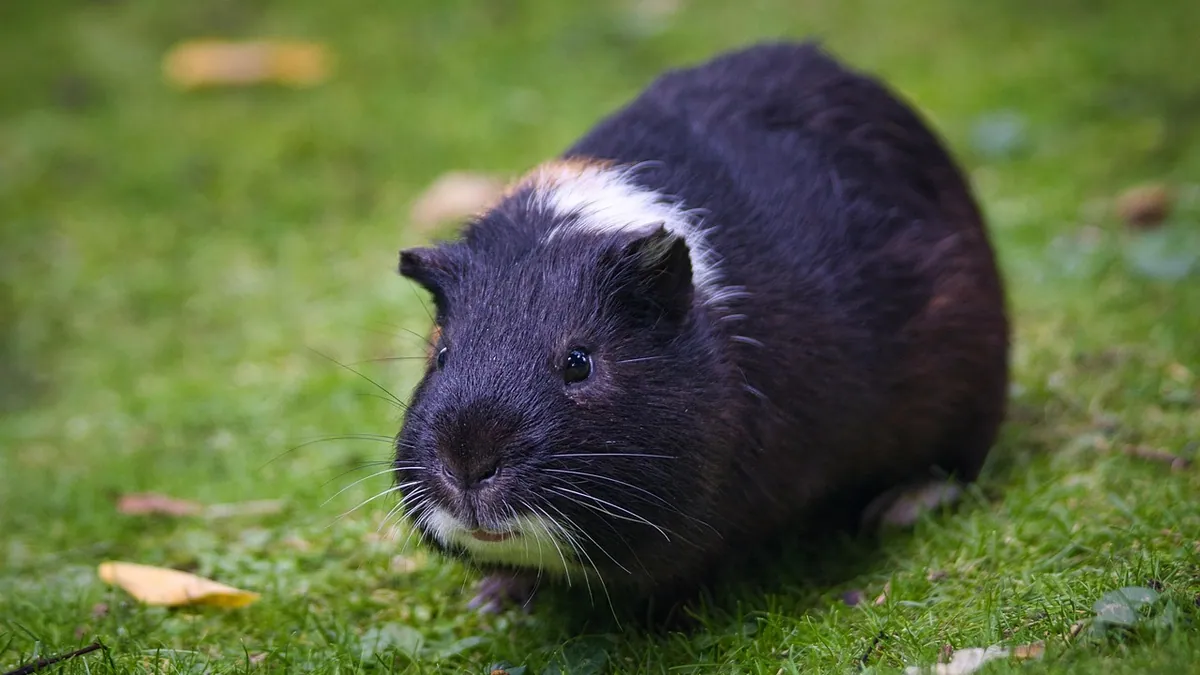
Can guinea pigs eat alfalfa sprouts? Yes, but only in small amounts and mostly for young, growing, pregnant, or nursing guinea pigs. Adult guinea pigs should get alfalfa sprouts rarely, if at all, because alfalfa is high in calcium. Other sprouts range from safe to dangerous, and onion sprouts should never be fed.
This article is educational and is not a substitute for veterinary diagnosis or treatment.
Quick Answer
- Alfalfa sprouts are safe only as an occasional small treat. They are high in calcium, so adult guinea pigs should not eat them often.
- Safe sprout options for guinea pigs include small amounts of lentil, chickpea, and broccoli sprouts.
- Onion sprouts are toxic to guinea pigs and should never be offered.
- Sprouts are a treat, not a meal. Grass hay should make up the main part of your guinea pig's diet every day.
- Wash all sprouts thoroughly and offer only a small pinch at a time to avoid gas, bloating, and digestive upset.
Are Sprouts Safe for Guinea Pigs?
Sprouts are germinated seeds, and they can be a healthy food for people. For guinea pigs, the answer depends on which sprout you mean. Some sprouts fit into a guinea pig diet as an occasional treat. Others can cause real harm.
Guinea pigs are herbivores, meaning they eat only plant material [1]. Their digestive system is built for fiber, and their teeth grow continuously. A healthy guinea pig diet centers on good-quality grass hay, such as timothy or orchard grass, offered free choice in a hay rack [1]. Hay wears down the teeth and provides the fiber needed for proper digestion [1]. Pellets and vegetables play a smaller role.
Sprouts are wet, soft, and low in the abrasive fiber that hay provides. That means they cannot replace hay, and they should never become a large part of the diet. Think of them as a garnish, not a food group.
If you are still building your guinea pig's basic menu, start with What Guinea Pigs Can and Cannot Eat before adding anything new.
Can Guinea Pigs Eat Alfalfa Sprouts?
Alfalfa sprouts are not toxic to guinea pigs, but they are high in calcium. That single fact drives the whole recommendation.
Calcium matters a lot in guinea pigs because of urinary tract disease. Calcium carbonate stones are the most common type of bladder stone found in guinea pigs, and a calcium-rich diet has been suggested as a risk factor for forming them [2]. One study changed a guinea pig colony from an alfalfa hay-based pellet diet to a portioned timothy hay-based diet specifically to reduce urinary tract risk [2]. That is why adult guinea pigs are usually fed timothy-based pellets with less calcium, while alfalfa-based pellets are reserved for young, growing, or pregnant animals [1].
So where do alfalfa sprouts fit? They are a high-calcium food, similar in spirit to alfalfa hay. For a young, growing, pregnant, or nursing guinea pig, a small pinch now and then is reasonable. For a healthy adult guinea pig, alfalfa sprouts should be a rare treat or skipped entirely. If your guinea pig has a history of bladder stones, bladder sludge, or urinary problems, do not feed alfalfa sprouts without asking your veterinarian first.
Can Rabbits Eat Alfalfa Sprouts?
Rabbits handle alfalfa differently than adult guinea pigs, and this is a common point of confusion. Young, growing rabbits are often fed alfalfa because they need the calcium and nutrients for growth. Adult rabbits are usually transitioned to grass hay.
A healthy adult rabbit diet is about 85 to 90 percent grass hay, plus a smaller amount of pellets containing 15 to 20 percent crude fiber [3]. High fiber supports digestion and lowers the risk of intestinal disease, while low-fiber diets raise the chance of serious digestive illness, especially in young rabbits [3]. Alfalfa sprouts are a treat at best for an adult rabbit, and grass hay should still dominate the bowl.
If you keep both species, read What Type Of Diet Do Rabbits Have so you do not mix up their needs.
Can Guinea Pigs Eat Lentil Sprouts?
Lentil sprouts are generally considered safe for guinea pigs in small amounts. They offer plant protein and some fiber, and many guinea pigs will eat them readily.
The catch is portion size. Lentils and other legumes can cause gas and bloating in sensitive animals. A guinea pig's gut is a delicate balance of bacteria, and sudden diet changes can tip that balance. Introduce any new food slowly, one small piece at a time, and watch for soft stools, bloating, or a drop in appetite.
Start with one or two small sprouts. If your guinea pig tolerates them, you can offer a small pinch a few times a week. If you see any digestive upset, stop and go back to the usual hay, pellets, and familiar vegetables.
Can Guinea Pigs Eat Chickpea Sprouts?
Chickpea sprouts fall into the same category as lentil sprouts. They are not toxic, and a small amount is fine for most healthy guinea pigs.
Chickpeas are also legumes, so the same gas and bloating caution applies. Some guinea pigs are more sensitive than others. Offer a tiny amount the first time and wait a day to see how your pet responds.
Never feed sprouted chickpeas that have been seasoned, salted, or cooked with oil, garlic, or onion. Plain, raw, well-washed sprouts only.
Can Guinea Pigs Eat Broccoli Sprouts?
Broccoli sprouts are safe for guinea pigs in small amounts. They come from a vegetable that guinea pigs can already eat, so they are a reasonable choice.
Broccoli is a cruciferous vegetable, and cruciferous plants can cause gas in some animals. Keep the serving small. A few sprouts mixed into a salad of safe vegetables is plenty.
Wash broccoli sprouts well. Sprouts are grown in warm, damp conditions, which is also a good environment for bacteria. Rinsing under running water and patting them dry reduces that risk.
Can Guinea Pigs Eat Onion Sprouts?
No. Onion sprouts are not safe for guinea pigs. Onion, in any form, including the green sprouts, is toxic to guinea pigs and other small pets.
Onions and related plants contain compounds that damage red blood cells and can lead to anemia. Cooking does not make them safe. This applies to onion sprouts, scallion sprouts, garlic sprouts, and any sprout mix that contains them.
If your guinea pig ate onion sprouts, treat it as an emergency. Call your veterinarian or a pet poison hotline right away, even if your guinea pig seems fine at first. Signs of onion toxicity can take a day or more to appear.
Sprout Safety at a Glance
| Form | Safe? | Notes |
|---|---|---|
| Alfalfa sprouts | Yes, with limits | High in calcium. Best for young, pregnant, or nursing guinea pigs. Rare for adults. |
| Lentil sprouts | Yes, small amounts | Legume. Can cause gas. Introduce slowly. |
| Chickpea sprouts | Yes, small amounts | Legume. Same gas caution as lentils. |
| Broccoli sprouts | Yes, small amounts | Cruciferous. Can cause gas. Wash well. |
| Onion sprouts | No | Toxic. Can damage red blood cells. Emergency if eaten. |
| Garlic or scallion sprouts | No | Same family as onion. Never feed. |
| Seasoned or salted sprouts | No | Salt, garlic, onion, and xylitol are all dangerous. |
| Cooked or oiled sprouts | No | Added fat and seasoning upset the gut. |
Risks of Feeding Sprouts
The biggest risk with sprouts is not the sprout itself. It is the portion size and the extras.
Calcium overload. Alfalfa sprouts add calcium. Too much calcium in an adult guinea pig raises the risk of urinary problems, including the calcium carbonate stones that are the most common bladder stones in this species [2].
Gas and bloating. Legume and cruciferous sprouts can ferment in the gut and cause painful gas. A bloated guinea pig may stop eating, which is a serious sign in this species.
Foodborne bacteria. Raw sprouts are a known source of bacteria because of how they are grown. Wash them thoroughly and do not leave wet sprouts sitting in the cage.
Additives. Never feed sprouts from a salad bar, a stir-fry mix, or a seasoned package. Salt, garlic, onion, and xylitol are all harmful. Xylitol is especially dangerous because it causes low blood sugar in small mammals.
Choking. Sprouts are small and soft, so choking is uncommon, but a guinea pig that eats too fast can inhale a piece. Offer sprouts one at a time instead of a whole handful.
Sudden diet change. Guinea pigs form food preferences early and can be picky [1]. Any new food, including sprouts, should be introduced slowly to avoid digestive upset [1].
How to Offer Sprouts Safely
Follow these steps to keep sprout feeding low risk.
- Pick the right sprout. Stick to alfalfa for young or pregnant guinea pigs, and lentil, chickpea, or broccoli sprouts for healthy adults.
- Wash and dry. Rinse under running water and pat dry. Do not serve wet, slimy, or old sprouts.
- Start tiny. Offer one small sprout the first time. Wait a full day before offering more.
- Keep the portion small. A small pinch a few times a week is plenty. Sprouts should never replace hay, pellets, or a varied vegetable mix.
- Skip the extras. No salt, oil, garlic, onion, or seasoning of any kind.
- Watch for problems. Stop feeding sprouts if you see soft stools, bloating, drooling, or a drop in appetite.
For a full picture of what belongs in the bowl, see Guinea Pig Diet Food.
Parts and Preparations to Avoid
- Onion, garlic, and scallion sprouts, in any amount
- Sprouts from mixed salad packs that may contain onion or seasoning
- Cooked, sauteed, or oiled sprouts
- Sprouts with added salt, sugar, or xylitol
- Moldy, slimy, or expired sprouts
- Large handfuls offered all at once
What to Do If Your Guinea Pig Ate Too Much
If your guinea pig ate a large amount of a safe sprout, such as alfalfa or lentil, do not panic. Remove the remaining sprouts and offer fresh hay and water. Watch for bloating, soft stools, or a loss of appetite over the next 24 hours. If your guinea pig stops eating or seems uncomfortable, call your veterinarian the same day.
If your guinea pig ate onion sprouts or any sprout containing onion, garlic, or scallion, treat it as an emergency. Call your veterinarian or a pet poison hotline immediately. Do not wait for symptoms. Onion toxicity can develop slowly, and early treatment matters.
If your guinea pig ate sprouts with xylitol or another sweetener, call right away. Xylitol can cause a dangerous drop in blood sugar.
Safer Alternatives to Sprouts
If you want to add variety without the calcium or gas concerns, these foods are better everyday choices for adult guinea pigs.
- Grass hay. Timothy or orchard grass should be the main food, offered free choice in a hay rack [1].
- Plain pellets. About 2 tablespoons of high-fiber, low-carbohydrate guinea pig pellets daily, ideally timothy-based for adults [1].
- Leafy greens and safe vegetables. Small amounts of romaine, bell pepper, and cilantro are classic staples.
- Limited fruit. Fruit should stay a small part of the diet [1].
For rabbits, the same logic applies with different proportions. Grass hay should make up 85 to 90 percent of the diet, with a smaller amount of pellets at 15 to 20 percent crude fiber [3]. Rabbits also produce cecotropes, the soft droppings they eat for protein and vitamins, so their diet needs to stay high in fiber to support that process [3]. If you are choosing between species, Guinea Pig vs Rabbit: Which Pet Is Right for You? covers the differences in care.
Limitations and When to Contact a Veterinarian
This article gives general guidance, not a plan for your individual pet. Every guinea pig has its own health history, and a guinea pig with bladder stones, kidney problems, or a sensitive gut may need a different approach. Your veterinarian can look at your pet's weight, diet, and medical history and give you a specific answer.
Contact your veterinarian the same day if your guinea pig:
- Ate onion, garlic, or scallion sprouts
- Ate sprouts with xylitol, salt, or seasoning
- Stops eating or drinking
- Has a bloated, tight, or painful belly
- Has soft stools or diarrhea
- Is drooling, grinding teeth, or sitting hunched
Go to an emergency clinic right away if your guinea pig is struggling to breathe, collapses, has seizures, or has not eaten for several hours. Guinea pigs decline quickly when they stop eating, so do not wait to see if things improve on their own.
For a routine visit, ask your veterinarian about your guinea pig's calcium intake and whether alfalfa in any form belongs in the diet. This is especially important if your guinea pig has had urinary problems before.
Frequently Asked Questions
Can baby guinea pigs eat alfalfa sprouts?
Yes, young guinea pigs can have small amounts of alfalfa sprouts. Growing guinea pigs have higher calcium needs, which is why alfalfa-based pellets are considered suitable for young, growing, or pregnant guinea pigs [1]. Once your guinea pig reaches adulthood, switch to a lower-calcium approach and keep alfalfa sprouts rare.
Are sprouts a good everyday food for guinea pigs?
No. Sprouts are a treat, not a staple. Grass hay needs to be the main food in your guinea pig's diet because it wears down the teeth and supplies the fiber needed for digestion [1]. Sprouts are soft and low in that abrasive fiber, so they cannot do the job hay does.
Do rabbits and guinea pigs eat the same sprouts?
Mostly, but the portions differ. Adult rabbits do best on a diet that is 85 to 90 percent grass hay with a small amount of pellets [3]. Adult guinea pigs need free-choice grass hay plus about 2 tablespoons of pellets daily [1]. Alfalfa sprouts are a rare treat for both adults, though young animals of either species may have higher calcium needs.
Can guinea pigs eat sprouted seeds from a health food store?
Only if the sprout type is safe and the package is plain. Many sprout blends contain onion, garlic, or seasoning, which are dangerous. Check the ingredient list, wash the sprouts well, and offer only a tiny amount of a known safe sprout.
How often can I feed sprouts to my guinea pig?
A small pinch a few times a week is a reasonable maximum for healthy adults eating safe sprout types. If your guinea pig has urinary or digestive issues, ask your veterinarian before feeding any sprouts at all. When in doubt, skip the sprouts and offer a safe vegetable instead.
Related Articles
- What Guinea Pigs Can and Cannot Eat
- Guinea Pig Diet Food
- Guinea Pig vs Rabbit: Which Pet Is Right for You?
- Can Guinea Pigs Eat Alfalfa and Timothy Hay?
- Can Rabbits and Guinea Pigs Eat Spinach and Kale?
- Can Guinea Pigs and Rabbits Eat Romaine Lettuce Hearts?
References
- Diet for a Guinea Pig - All Other Pets. Merck Veterinary Manual.
- Effect of Adopting a Timothy Hay-based Diet at Weaning or in Adulthood on Urinary Tract Parameters in Strain 13/N Guinea Pigs (Cavia porcellus). Journal of the American Association for Laboratory Animal Science : JAALAS, 2024.
- Diet for Rabbits - All Other Pets. Merck Veterinary Manual.