Can Rabbits and Guinea Pigs Eat Spinach and Kale?
By Dr. Zubair Khalid, DVM, MS, PhD ·
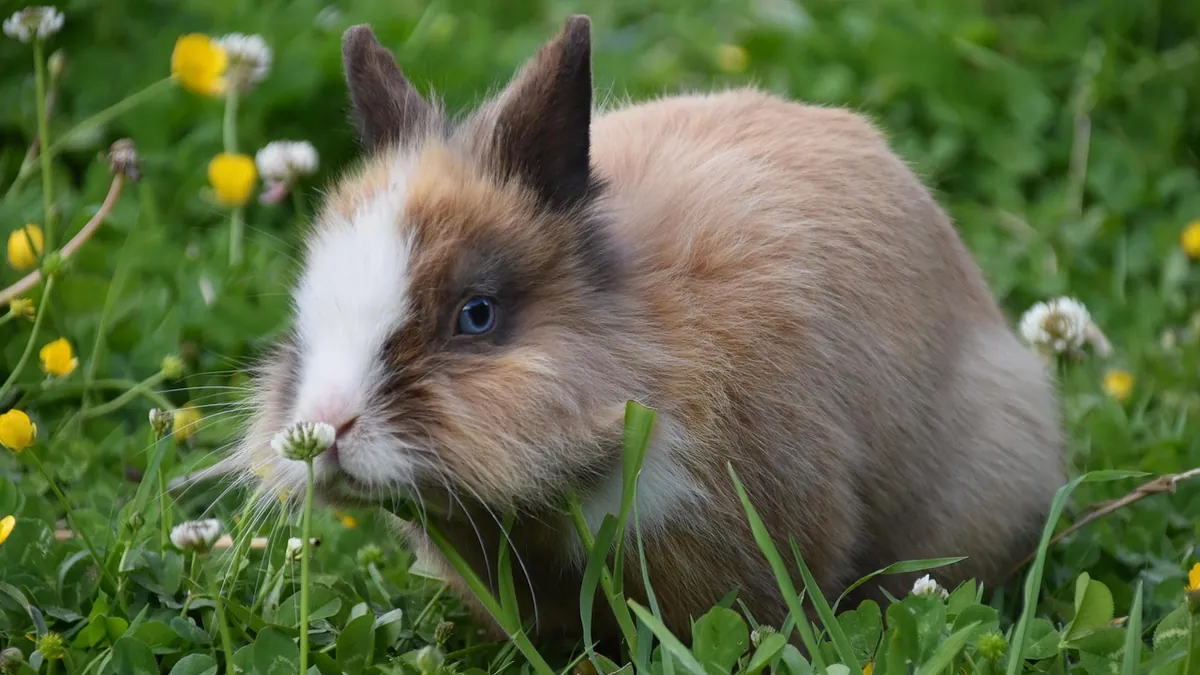
Can rabbits eat spinach? Yes, but only in small amounts and not every day. Spinach is safe for most healthy adult rabbits in modest portions, yet it is high in calcium oxalate, so it should be a minor part of a hay-based diet. Guinea pigs face the same limits for the same reason.
This article is educational and is not a substitute for veterinary diagnosis or treatment.
Quick Answer
- Spinach and kale are safe for healthy adult rabbits and guinea pigs in small amounts, but they should not be daily staples.
- Grass hay must stay the foundation of the diet, at roughly 85 to 90% of what a rabbit eats [1].
- High-calcium greens like spinach, kale, and parsley should not be given often to guinea pigs because excess calcium may contribute to bladder stones [2].
- Offer one or two small leaves at a time, no more than a few times per week, and watch for soft stool or a drop in hay intake.
- If your pet suddenly ate a large amount, withhold greens for 24 hours, keep hay and water available, and call your veterinarian if appetite or droppings change.
Can Rabbits Eat Spinach? The Direct Verdict
Spinach is not toxic to rabbits. It is a leafy green that many rabbits enjoy, and a few leaves now and then are fine for a healthy adult. The problem is quantity and frequency, not the leaf itself.
Rabbits are herbivores with a specialized digestive system built around fiber [1]. They are also selective eaters that naturally choose nutrient-rich leaves and new shoots over mature, high-fiber plant material [3]. That means a rabbit will often eat spinach eagerly and leave the hay alone if you offer too much. Over time, that shift away from hay is what causes trouble.
Spinach also contains calcium oxalate. In guinea pigs, high-calcium greens such as parsley, kale, and spinach should not be given often because excess calcium may contribute to bladder stone formation [2]. Rabbits can develop similar urinary problems, so the same caution applies.
For a deeper look at which greens fit a rabbit's daily bowl, see Rabbit Safe Vegetables.
What About Kale?
Kale is in the same category as spinach for both species. It is a brassica leaf, and it is high in calcium. Guinea pig owners are specifically advised to limit kale along with spinach and parsley [2]. Kale is not poisonous, but it should be a once or twice a week treat, not a daily green.
Can Rabbits Eat Kale and Spinach Together?
You can offer both, but not in the same sitting and not in large amounts. Pick one green per day. If your rabbit had kale on Monday, offer spinach on Wednesday or Thursday instead. Stacking two high-calcium greens on the same day increases the calcium load without adding any real nutritional benefit.
Nutritional Content and Any Real Benefit
Spinach and kale do supply vitamins and minerals. Spinach is a notable source of vitamin K, containing about 380 micrograms per 100 grams [4]. Rabbits need vitamins A, D, and E in their diet, while B vitamins and vitamin K are usually produced by normal bacteria in the intestines, so supplements of these vitamins are generally unnecessary [1]. That is the key point. Your rabbit already makes or gets enough vitamin K, so spinach is not filling a gap.
The real nutritional work in a rabbit's diet is done by hay. Rabbits need about 85 to 90% grass hay, plus a smaller amount of pellets containing 15 to 20% crude fiber [1]. High fiber supports digestion and lowers the risk of intestinal disease, while low-fiber diets raise the chance of severe digestive illness, especially in young rabbits [1].
Guinea pigs follow the same pattern. Grass hay such as timothy or orchard grass should be the main food, and chewing it helps wear down continually growing teeth while providing fiber for proper digestion [2]. Leafy greens are a supplement, not the main event.
So spinach and kale add variety and a little moisture. They do not add anything your pet cannot get from hay, pellets, and safer greens.
Risks of Feeding Spinach and Kale
Calcium Oxalate and Bladder Stones
This is the main concern. High-calcium greens should not be given often to guinea pigs because excess calcium may contribute to bladder stone formation [2]. Bladder stones are painful and sometimes require surgery. Rabbits can form urinary sludge and stones too. Limiting high-oxalate greens is a simple way to lower that risk.
Digestive Upset
Any new green can cause soft stool or diarrhea if introduced too fast or in too large an amount. A rabbit's digestive system depends on a stable, high-fiber diet, and sudden changes disrupt it [1]. Introduce one new green at a time and wait a few days before adding another.
Refusing Hay
This is the sneaky risk. Because rabbits prefer nutrient-rich leaves over mature plant material [3], a rabbit that fills up on spinach may eat less hay. Less hay means less fiber, and less fiber means a higher chance of serious digestive disease [1].
Vitamin K and Medication Interactions
Spinach is high in vitamin K, and vitamin K can interfere with warfarin, a blood-thinning medication. In a study of New Zealand White rabbits, spinach was given alongside warfarin to examine how the vegetable affected the drug's behavior in the body [4]. This matters if your rabbit is on any anticoagulant. Tell your veterinarian about every green you feed.
Choking and Preparation Hazards
Whole leaves are rarely a choking hazard for rabbits, but large stem pieces can be. Cut greens into smaller pieces for small or senior pets. Never feed cooked, buttered, salted, or seasoned greens. Do not feed spinach or kale from a soup, a stir-fry, or a salad with dressing.
Additives to Avoid
Plain fresh or plain dried greens are the only safe form. Avoid any commercial treat or mixed feed that contains added sugar, dried fruit, nuts, salt, garlic, onion, or xylitol. Rabbits will selectively eat the sweet or fatty pieces and ignore the pellets, which throws off their nutrition [1]. Garlic and onion can damage red blood cells in small mammals, so keep them away entirely.
How to Offer Spinach and Kale Safely
Portion Size
For a healthy adult rabbit, one or two medium leaves of spinach or kale, two to three times per week, is a reasonable ceiling. For a guinea pig, one small leaf once or twice a week. These are general guidelines, not a prescription. Your veterinarian can tailor the amount to your pet's weight, age, and health history.
Which Parts to Use
Use the leaf. Remove thick, tough stems, especially for guinea pigs and small rabbits. Wash greens thoroughly under running water and pat them dry. Wet greens left in the bowl can spoil quickly.
How to Introduce Them
Start with a single small piece. Wait 24 to 48 hours and check the droppings. If they stay firm and normal, you can offer that amount again later in the week. If stool softens, stop the green and go back to hay and pellets.
What to Avoid
- Cooked, canned, or frozen spinach
- Salted or buttered greens
- Greens with dressing, oil, or seasoning
- Wilted or moldy leaves
- Large daily portions of kale, spinach, or parsley
- Feeding two high-calcium greens on the same day
The Bowl Rule
Remove uneaten fresh food after a few hours to prevent spoilage [2]. Hay should be available at all times [2]. If your pet leaves the spinach and eats hay instead, that is a good sign, not a problem.
Can Guinea Pigs Eat Spinach and Kale?
Guinea pigs can eat spinach and kale in very small amounts, but these greens should be rare treats. The Merck Veterinary Manual lists parsley, kale, and spinach together as high-calcium greens that should not be given often because excess calcium may contribute to bladder stone formation [2].
Better everyday greens for guinea pigs include carrot tops, romaine, and green or red leaf lettuce [2]. Avoid iceberg lettuce because it is mostly water and offers little nutrition [2]. Fruit such as apple or pear should be only an occasional treat because it is high in sugar and can cause digestive upset if overfed [2].
For a full breakdown of safe and unsafe foods, see What Guinea Pigs Can and Cannot Eat.
Can Rabbits Eat Arugula and Spinach?
Yes, arugula is generally a better choice than spinach. Arugula is lower in calcium oxalate, so it can appear in the bowl more often. Spinach should stay the occasional item. If you want to combine them, use arugula as the base green and add one small spinach leaf for variety.
The same logic applies to guinea pigs. Arugula and spinach can both be offered, but arugula can be the more frequent green while spinach stays occasional.
Can Rabbits Eat Lettuce and Spinach?
Yes, with one important distinction. Romaine and green or red leaf lettuce are good everyday greens for guinea pigs [2], and they work well for rabbits too. Iceberg lettuce should be avoided because it is mostly water [2]. Spinach is fine occasionally but should not replace lettuce as the daily green.
A simple rule: lettuce is the everyday green, spinach is the occasional green.
Form | Safe? | Notes
| Form | Safe? | Notes |
|---|---|---|
| Fresh raw spinach leaf | Yes, small amounts | One or two leaves, a few times per week |
| Fresh raw kale leaf | Yes, small amounts | High in calcium, keep it occasional [2] |
| Fresh arugula | Yes | Lower in oxalate, can be offered more often |
| Romaine or leaf lettuce | Yes | Good everyday green [2] |
| Iceberg lettuce | No | Mostly water, little nutrition [2] |
| Cooked or canned spinach | No | Added salt, oil, and loss of texture |
| Salted, buttered, or dressed greens | No | Seasonings and fats are unsafe |
| Greens with garlic or onion | No | Can damage red blood cells |
| Greens with xylitol or added sugar | No | Sweeteners are dangerous for small mammals |
| Dried spinach or kale treats | Caution | Check the label for additives and sugar |
What to Do If Your Pet Ate Too Much
If your rabbit or guinea pig ate a large amount of spinach or kale, stay calm and act quickly.
First, remove all remaining greens. Offer fresh grass hay and clean water. Do not offer more vegetables for the next 24 hours.
Second, watch the droppings. Normal rabbit droppings are small and dry, and rabbits also produce soft droppings called cecotropes, usually early in the morning, which they eat [1]. If you see watery stool, no stool, or a sudden stop in eating, that is a problem.
Third, check for signs of pain or urinary trouble. Straining to urinate, crying out, or a hunched posture can point to bladder irritation or stones. High-calcium greens are linked to stone formation in guinea pigs [2], so do not ignore these signs.
Call your veterinarian the same day if your pet stops eating, has diarrhea, or seems uncomfortable. Call an emergency clinic right away if your pet is bloated, breathing hard, or unresponsive.
Safer Alternatives
Build the bowl around low-calcium greens and keep hay as the base.
- Romaine lettuce
- Green leaf lettuce
- Red leaf lettuce
- Carrot tops (for guinea pigs) [2]
- Arugula
- Cilantro
- Bell pepper (small amounts, high in vitamin C for guinea pigs)
- Grass hay at all times [1][2]
For rabbits, the daily plate should be mostly hay with a measured portion of pellets and a small handful of safe greens. See Diet Of A Rabbit for a full daily plan.
Limitations and When to Contact a Veterinarian
Every pet is different. Age, weight, dental health, kidney function, and past stone problems all change how much spinach or kale is reasonable. Individual cases need a veterinarian who can examine your pet and review the whole diet.
Call your veterinarian the same day if you notice:
- Diarrhea or soft stool that lasts more than a few hours
- No droppings for 12 hours or more
- Refusing food or water
- Hunched posture, teeth grinding, or signs of pain
- Straining to urinate or blood in the urine
Go to an emergency clinic now if you see:
- A bloated, hard abdomen
- Difficulty breathing
- Collapse or unresponsiveness
- Seizures or severe weakness
For routine questions about diet, calcium, or stone prevention, book a normal appointment. Bring a list of everything your pet eats, including treats and supplements.
Frequently Asked Questions
Can rabbits eat spinach every day?
No, spinach should not be a daily green for rabbits. It is high in calcium oxalate, and daily feeding can crowd out the hay that should make up most of the diet. Offer it a few times a week at most, and keep lettuce or arugula as the everyday green.
Is kale worse than spinach for rabbits?
They are similar in risk. Both are high-calcium greens that should be limited. The Merck Veterinary Manual groups kale and spinach together as greens that should not be given often to guinea pigs because of calcium concerns, and the same caution applies to rabbits.
Can guinea pigs eat spinach leaves?
Yes, but only rarely and in tiny amounts. One small leaf once or twice a week is a reasonable ceiling for a healthy adult guinea pig. Guinea pigs with a history of bladder stones or urinary sludge should avoid high-calcium greens entirely unless your veterinarian says otherwise.
What happens if my rabbit eats a whole bag of spinach?
A one-time large serving is unlikely to be poisonous, but it can cause soft stool, gas, and a drop in hay intake. Withhold greens for 24 hours, keep hay and water available, and call your veterinarian if your rabbit stops eating or has diarrhea.
Can rabbits eat arugula and spinach in the same meal?
You can offer both, but keep the spinach portion small. Arugula is lower in oxalate, so it can be the main green while spinach is the accent. If your rabbit is prone to urinary issues, skip the spinach and use arugula alone.
Related Articles
- Rabbit Safe Vegetables
- Diet Of A Rabbit
- What Do Rabbits Need In Their Diet
- Can Rabbits Eat Kale? Daily Limits and Risks
- Can Rabbits Eat Mustard, Kale, Turnip, and Other Greens?
- Can Guinea Pigs and Rabbits Eat Romaine Lettuce Hearts?
- Rabbit Food and Hay: A Nutritional Guide for Optimal Health
References
- Diet for Rabbits - All Other Pets. Merck Veterinary Manual.
- Diet for a Guinea Pig - All Other Pets. Merck Veterinary Manual.
- Nutrition of Rabbits - Exotic and Laboratory Animals. Merck Veterinary Manual.
- The Effect of Spinach (Amaranthus hybridus) on the Pharmacokinetic and Pharmacodynamic Profile of Warfarin in New Zealand White Rabbits. Journal of blood medicine, 2025.