Guinea Pig Urine Problems: Smell, Blood, and Not Peeing
By Dr. Zubair Khalid, DVM, MS, PhD ·
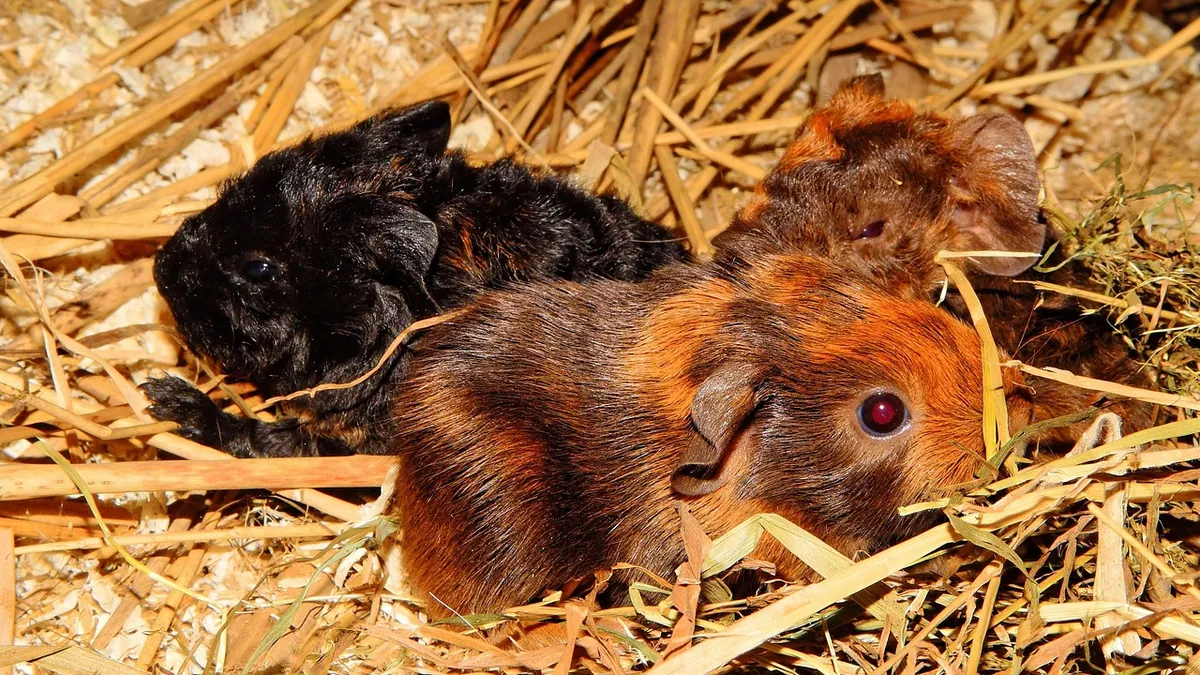
Guinea pig urine can tell you a lot about your pet's health. Normal guinea pig urine varies in color, can look cloudy, and may smell stronger when it dries. Blood in the urine, a sudden heavy urine smell, or a guinea pig that cannot pass urine are all signs that something is wrong and need veterinary attention. This article is educational and is not a substitute for veterinary diagnosis or treatment.
Quick Answer
- Normal guinea pig urine ranges from pale yellow to milky white or slightly orange, and it often looks cloudy because guinea pigs excrete calcium in their urine.
- A strong urine smell usually means urine has soaked into bedding and built up, but it can also point to a urinary tract infection or bladder inflammation.
- Blood in the urine (pink, red, or brown tinge) is never normal and should be checked by a veterinarian.
- A guinea pig that strains, cries, or produces no urine at all may have a blockage and needs emergency care right away.
- Never give human medications or guess at doses. Your veterinarian calculates any drug dose from your guinea pig's weight and health.
What Normal Guinea Pig Urine Looks Like
Guinea pig urine is not clear like water. It is often cloudy or milky because guinea pigs pass calcium carbonate in their urine [1]. The color can range from pale yellow to white to a light orange or brownish shade, depending on what your guinea pig ate and how concentrated the urine is.
Fresh urine has a mild odor. The strong ammonia smell many owners notice comes from urine that has sat in bedding and broken down. If your guinea pig smells like urine, check how often the bedding is changed and whether your pet is sitting in a wet spot. Soaked bedding against the skin can also cause skin problems.
Some guinea pigs leave white, chalky spots where urine dries. This is normal in small amounts. Large amounts of thick, gritty sludge are not normal and are worth mentioning to your veterinarian.
Why Your Guinea Pig Smells Like Urine
A urine smell on your guinea pig can come from several places.
Soiled bedding or a dirty cage. This is the most common and simplest cause. Guinea pigs urinate often, and bedding needs frequent changing.
Urine soaking the fur. A guinea pig that sits in one spot, is overweight, or has trouble moving may get urine on the belly and rear. This can lead to skin irritation and infection.
A urinary tract problem. Cystitis (bladder inflammation) and urinary tract infections can change the smell and strength of urine. In one study of guinea pigs with cystitis, common signs included blood in the urine, incontinence, straining to urinate, belly discomfort, loss of appetite, weight loss, and low energy [2].
Reproductive disease in females. Cystic ovarian disease is the most common reproductive tract disorder in female guinea pigs, and it can cause discharge or changes around the rear end that owners sometimes mistake for urine problems [3].
If the smell is new, strong, or comes with any other sign, have your guinea pig examined. General information on common conditions is available in Guinea Pig Health: Common Conditions and Prevention.
Blood in My Guinea Pig's Urine
Blood in the urine is called hematuria. You may see pink, red, or brown discoloration in the urine or on the bedding. Sometimes the blood is not visible at all and is only found on a urine test.
Blood in guinea pig urine is a sign, not a diagnosis. It can come from the bladder, the urethra, or the reproductive tract. In female guinea pigs, blood may actually be coming from the uterus instead of the urinary tract, which is one reason a full veterinary workup matters [3].
Do not wait to see if blood clears up on its own. Even a small amount of blood deserves a veterinary visit, because the underlying cause may get worse over time.
Causes of Guinea Pig Urine Problems
| Cause | Typical clues | How urgent |
|---|---|---|
| Bladder stones (urolithiasis) | Straining, crying while urinating, bloody urine, small or no urine stream | Urgent, same day or emergency if not urinating |
| Cystitis or urinary tract infection | Bloody urine, accidents outside the litter area, belly pain, strong smell | Urgent, see a vet within a day |
| Bladder sludge | Thick gritty white deposits, frequent small urinations | Schedule a vet visit soon |
| Dehydration or concentrated urine | Darker, stronger-smelling urine, dry gums, less drinking | Same day if your pet seems unwell |
| Reproductive disease in females | Blood or discharge from the vulva, hair loss, belly swelling | See a vet soon |
| Bladder tumor | Ongoing blood in the urine that does not improve | See a vet soon, imaging needed |
| Vitamin C deficiency | Weakness, poor coat, bleeding, joint or dental problems | See a vet soon |
| Skin or urine scald | Wet, red, irritated skin on the belly or rear | See a vet soon |
Bladder stones are the most common lower urinary tract diagnosis in guinea pigs. In a 14-year review of guinea pigs with lower urinary tract disease, stones made up 44.4% of cases, followed by cystitis and urinary tract infections [4]. Male guinea pigs were more likely to have stones, while females were more likely to have cystitis or a urinary tract infection [4].
In another large study of 158 guinea pigs with stones, just over half (54.4%) survived to discharge, and the median survival time was 177 days [5]. Females with stones in the lower urinary tract lived longer than males on average [5]. Older age, being male, and not eating were linked to worse outcomes [5].
Bladder tumors are uncommon in guinea pigs, but they are being diagnosed more often. In reported cases, the main problem was that tumors were found late, when they were already large [6]. Ongoing blood in the urine that does not improve after stones are ruled out should be investigated with imaging [6].
Guinea Pig Not Passing Urine: An Emergency
A guinea pig that cannot urinate is having a medical emergency. This is especially true for males, whose urethra is narrow and easier to block.
Watch for these signs:
- Repeated trips to urinate with little or nothing coming out
- Straining, hunching, or crying while trying to urinate
- A hard or painful belly
- Grinding teeth, which can signal pain
- Sudden loss of appetite or low energy
- No urine in the cage for many hours
A complete blockage stops urine from leaving the body. Waste builds up, the bladder can rupture, and the kidneys can be damaged. This can become fatal within hours. Do not wait until morning. Call an exotic animal veterinarian or an emergency clinic right away.
If your guinea pig has a confirmed or suspected bladder stone, see Guinea Pig Care: Bladder stone urolithiasis emergency surgery guide.
Red Flags That Mean Emergency Care Now
Call an emergency clinic immediately if your guinea pig:
- Has not passed urine in many hours or is straining with no result
- Is crying or grinding teeth in pain
- Has a swollen, hard, or tender belly
- Is breathing fast, lying flat, or unresponsive
- Has stopped eating completely
- Has blood in the urine along with weakness or collapse
For non-emergency but still concerning signs, such as a small amount of blood, a new strong smell, or accidents outside the usual spot, book a veterinary visit within a day or two. Early treatment tends to be simpler and safer.
What You Can Do at Home While You Wait
You cannot treat a urinary problem at home, but you can keep your guinea pig stable and comfortable until the appointment.
Keep fresh water available. Use a water bottle and a bowl if your guinea pig prefers one. Good hydration helps dilute urine.
Offer hay and fresh vegetables. Timothy hay should be the main part of the diet. A timothy hay based diet is used to support urinary tract health and lower the risk of stones [1]. Avoid alfalfa hay for adult guinea pigs because it is high in calcium.
Keep vitamin C in the diet. Guinea pigs cannot make their own vitamin C and need it from food or supplements [3]. A lack of vitamin C weakens blood vessels and connective tissue and can cause bleeding and dental problems [3].
Change bedding often. Keep the cage dry so urine does not sit against the skin.
Do not give human pain relievers or antibiotics. Some common human drugs are toxic to guinea pigs. Your veterinarian will choose a safe drug and calculate the dose from your pet's weight and health.
Do not squeeze or press on the belly. You could rupture a full bladder.
Track what you see. Note the urine color, how often your guinea pig urinates, whether it strains, and how much it eats and drinks. This information helps your veterinarian.
What Your Veterinarian Will Check
Your veterinarian will start with a full physical exam, including feeling the belly and checking the bladder size. They will also weigh your guinea pig, since weight loss is a common sign of illness.
Expect some of these tests:
Urine testing. A urine sample can show blood, white blood cells, bacteria, or crystals. In one study, leukocytes or bacteria in the urine were part of how cystitis cases were identified [7].
Imaging. X-rays and ultrasound are used to look for stones, sludge, and bladder wall changes. In guinea pigs with cystitis, radiographs often showed increased bladder opacity and, in some cases, single stones [7]. Ultrasound can also reveal fluid in the abdomen, inflammation of the lining of the abdomen, and bladder sludge [2].
Blood work. Blood tests help assess overall health and organ function, especially if anesthesia or surgery may be needed.
Bacterial culture. If an infection is suspected, a culture can identify the bacteria and guide antibiotic choice. In one study, the most common bacteria found in guinea pigs with cystitis were Corynebacterium renale and Staphylococcus species, and resistance to some antibiotics was seen [2].
Advanced imaging. If blood in the urine continues and stones are ruled out, ultrasound or other imaging may be needed to look for a bladder tumor [6].
Treatment depends on the cause. Options include antibiotics for infection, pain control, fluids, dietary changes, and surgery to remove stones or tumors. Some guinea pigs need repeated procedures. In one reported case, a female guinea pig needed surgery and later a second procedure to remove stones that formed again in a urethral pouch [8].
Prevention and Monitoring
You cannot prevent every urinary problem, but you can lower the risk.
Feed a timothy hay based diet. Hay should make up most of what your guinea pig eats. Limit high calcium foods like alfalfa for adults.
Keep water flowing. Fresh water every day, and clean bottles and bowls regularly.
Provide daily vitamin C. A steady supply supports blood vessels, teeth, and connective tissue [3].
Keep the cage clean and dry. This reduces urine smell and protects the skin.
Watch the litter box or cage corners. Note color, amount, and how often your guinea pig urinates. Catching changes early is one of the best tools you have.
Weigh your guinea pig weekly. A kitchen scale can catch weight loss before you notice other signs.
Schedule routine checkups. Guinea pigs hide illness well. Regular exams help your veterinarian spot problems early. For more on recognizing early signs, see Guinea Pig Health: Recognizing and Responding to Common Illnesses.
Limitations and When to Contact a Veterinarian
This article covers common patterns, but every guinea pig is different. Only a veterinarian who examines your pet can diagnose the cause of a urine problem and choose the right treatment.
Contact a veterinarian the same day if your guinea pig:
- Has blood in the urine
- Has a new, strong urine smell with other signs
- Is straining to urinate but still passing some urine
- Has stopped eating or is losing weight
- Has wet, irritated skin on the belly or rear
Go to an emergency clinic now if your guinea pig:
- Cannot pass urine at all
- Is crying, grinding teeth, or hunched in pain
- Has a hard, swollen belly
- Is weak, collapsed, or breathing hard
Book a routine visit if your guinea pig:
- Has occasional cloudy or gritty urine but seems otherwise well
- Has a mild urine smell that improves with cage cleaning
- Needs a checkup for diet, vitamin C, or weight monitoring
Frequently Asked Questions
Why does my guinea pig smell like urine even after I clean the cage?
Urine that soaks into bedding, hide boxes, and fabric can hold odor even after a surface cleaning. If the smell returns quickly or your guinea pig's fur stays wet, a urinary tract infection or bladder inflammation may be involved. Have your veterinarian check if the smell is new or comes with straining, blood, or appetite changes.
Can blood in guinea pig urine go away on its own?
Sometimes the visible blood stops, but that does not mean the cause is gone. Stones, infections, and tumors can all cause bleeding that comes and goes. Any blood in the urine should be evaluated by a veterinarian.
How long can a guinea pig go without urinating?
Not long. A guinea pig that cannot urinate is in danger within hours, not days. If you have not seen urine for many hours and your pet is straining or uncomfortable, treat it as an emergency.
Does cloudy urine always mean my guinea pig has a problem?
No. Cloudy or milky urine is common because guinea pigs pass calcium in their urine. Thick, gritty sludge or large amounts of chalky residue are more concerning and should be discussed with your veterinarian.
Should I change my guinea pig's diet if it has urine problems?
Diet changes can help, especially reducing high calcium foods and feeding a timothy hay based diet. Make changes with your veterinarian's guidance, since sudden diet shifts can upset the gut. Your vet can also advise on vitamin C and safe vegetables.
Can a male guinea pig get blocked more easily than a female?
Yes. Male guinea pigs have a longer, narrower urethra, which makes blockage more likely. Males with stones also tend to have worse outcomes than females in reported cases. Any male guinea pig that strains without producing urine needs emergency care.
Related Articles
- Guinea Pig Care: Bladder stone urolithiasis emergency surgery guide
- Guinea Pig Health: Common Conditions and Prevention
- Guinea Pig Health: Recognizing and Responding to Common Illnesses
- Guinea Pig Care: Respiratory Infection Symptoms & Antibiotic Protocol
- Guinea Pig Care: URI respiratory infection doxycycline treatment
- Husbandry and Welfare of Laboratory Guinea Pigs
- Why Is My Guinea Pig Peeing Blood?
- Guinea Pig UTI: Symptoms and Treatment
- Guinea Pig Not Drinking Water: Causes and When to Worry
References
- Effect of Adopting a Timothy Hay-based Diet at Weaning or in Adulthood on Urinary Tract Parameters in Strain 13/N Guinea Pigs (Cavia porcellus). Journal of the American Association for Laboratory Animal Science : JAALAS, 2024.
- Cystitis in guinea pigs (Cavia porcellus): Clinical findings and treatment outcomes. The Veterinary record, 2026.
- Noninfectious Diseases of Guinea Pigs - Exotic and Laboratory Animals. Merck Veterinary Manual.
- Lower Urinary Tract Diseases in Guinea Pigs: A 14-Year Retrospective Study (2004-2018). Animals : an open access journal from MDPI, 2022.
- Retrospective analysis of risk factors, clinical features, and prognostic indicators for urolithiasis in guinea pigs: 158 cases (2009-2019). Journal of the American Veterinary Medical Association, 2022.
- Primary Urinary Bladder Tumors in Three Guinea Pigs (Cavia Porcellus). Topics in companion animal medicine, 2023.
- Radiographic Appearance of the Urinary Bladder and Application of a Vertebral Bladder Score for Evaluating Bladder Size in Healthy Guinea Pigs (Cavia porcellus) and Guinea Pigs with Clinical Signs of Cystitis. Animals : an open access journal from MDPI, 2026.
- Urethral diverticulum and urolithiasis in a female guinea pig (Cavia porcellus). Journal of the American Veterinary Medical Association, 2017.