Guinea Pig UTI: Symptoms and Treatment
By Dr. Zubair Khalid, DVM, MS, PhD ·
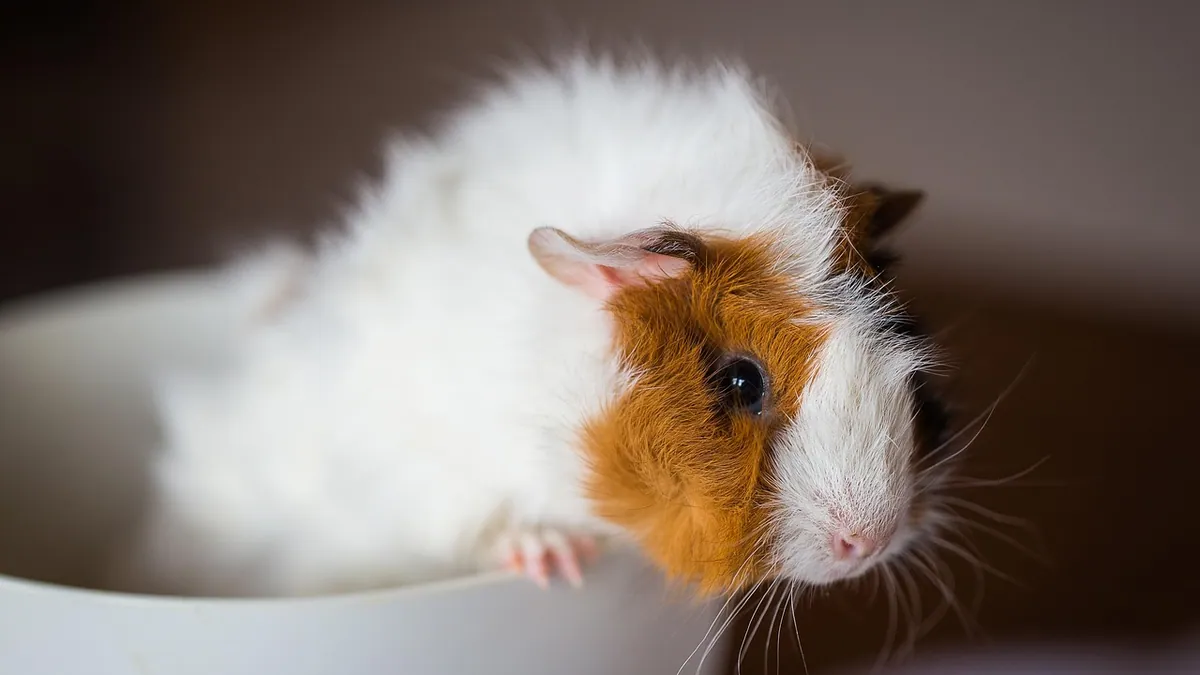
A guinea pig UTI (urinary tract infection) is a bacterial infection of the bladder or urethra that causes painful, frequent urination, blood in the urine, and often a drop in appetite. It cannot be treated at home, and it will not clear up on its own. Your guinea pig needs a veterinarian who can confirm the diagnosis and prescribe a safe antibiotic at the correct dose.
This article is educational and is not a substitute for veterinary diagnosis or treatment.
Quick Answer
- Blood in the urine, straining to pee, squeaking while urinating, and wet fur around the back end are the most common signs of a guinea pig UTI [1].
- Urinary problems are common in guinea pigs. In one 14-year review of 117 cases, urolithiasis (bladder stones) was the top diagnosis at 44.4%, followed by cystitis and urinary tract infection [2].
- Never give your guinea pig an antibiotic from your medicine cabinet or from another pet. Some antibiotics that are safe for dogs, cats, or people can be fatal to guinea pigs.
- A urine test, imaging, or both are needed to tell a UTI apart from bladder stones, sludge, or a bladder tumor, because the signs overlap [3][4].
- Guinea pigs with urinary pain often stop eating, which can become a life-threatening emergency within a day. Call your vet the same day you notice symptoms.
What Is a Guinea Pig UTI?
A urinary tract infection happens when bacteria move up into the bladder and multiply. The bladder lining becomes inflamed, a condition called cystitis. The result is pain, urgency, and irritation every time your guinea pig urinates.
In guinea pigs, the line between "cystitis" and "UTI" is blurry. Vets often group them together because the signs and the treatment are similar. One study of 46 guinea pigs with cystitis found that bacteria were grown from the urine in 21 cases. The most common bacteria were Corynebacterium renale (50% of isolates) and Staphylococcus species (21%) [1].
Guinea pigs also form bladder sludge and stones. Sludge is a thick paste of minerals, and stones are hard mineral masses. Both irritate the bladder wall and can cause a secondary infection. That is why your vet will look for more than one problem at the same time.
How to Tell If My Guinea Pig Has a UTI
Owners usually notice something is wrong before they see actual bacteria. Guinea pigs hide pain well, so the first clue is often a change in behavior or appetite.
Signs You May See at Home
- Blood in the urine, which can look pink, red, or rusty on bedding [1]
- Squeaking, hunched posture, or grinding teeth while urinating
- Straining or dribbling small amounts of urine (stranguria) [1]
- Wet, urine-stained fur around the belly, back legs, or genitals (incontinence) [1]
- Drinking more or less than usual
- Eating less, losing weight, or dropping food [1]
- Acting quiet, sitting puffed up, or avoiding handling (apathy) [1]
- A swollen or tender belly when you touch it gently
Some guinea pigs with cystitis also develop fluid in the abdomen (ascites) or inflammation of the abdominal lining (peritonitis), which are serious findings on ultrasound [1].
Signs That Look Like a UTI but Are Not
Bladder stones cause the same bloody urine and straining. In one review of guinea pigs with lower urinary tract disease, urolithiasis was the single most common diagnosis at 44.4% of cases [2]. A bladder tumor can also cause ongoing blood in the urine, and these tumors are being diagnosed more often in pet guinea pigs [4]. Your vet needs imaging to sort this out.
Causes and Risk Factors for Guinea Pig Urinary Infection
Several things raise the odds that your guinea pig will develop a urinary infection or stones.
Diet and calcium. A calcium-rich diet is a suspected risk factor for urolithiasis in guinea pigs, and calcium carbonate is the main mineral found in their stones [5]. Alfalfa hay and alfalfa-based pellets are high in calcium and are meant for young, pregnant, or nursing guinea pigs, not healthy adults. A timothy hay-based diet is the standard for adult pets [5].
Sex. Female guinea pigs are more likely to be diagnosed with cystitis or UTI, while males are more prone to urolithiasis [2]. Females in that review were also more likely to have a family history of urinary disease and to have recurring problems [2].
Age. Urinary stones tend to appear in middle-aged to older guinea pigs. In one large case series, males with stones were an average of 3.64 years old and females averaged 4.41 years [6].
Bacteria spread. Some bacteria that cause urinary and reproductive tract infections can pass between guinea pigs through sexual contact [7][8]. Keeping intact males and females housed separately prevents both pregnancy and this route of infection.
Dirty bedding and stress. Soiled bedding keeps bacteria close to the urinary opening. Keeping the cage clean and removing uneaten food lowers the infection risk [7].
Other illness. A guinea pig already fighting a respiratory infection or dental disease is more likely to develop a second problem. If you notice breathing changes or eye discharge, see our guide to Guinea Pig Respiratory Infections: Causes, Signs, and Treatment.
How Vets Diagnose a Guinea Pig UTI
Diagnosis starts with a full physical exam. Your vet will feel your guinea pig's abdomen, check the bladder size, and look for pain. Enlarged lymph nodes in the neck can point to a bacterial infection elsewhere in the body [8].
Urine testing. A urine sample is checked for white blood cells (leukocyturia) and bacteria (bacteriuria). These two findings are the core criteria vets use to diagnose cystitis [3][1]. A urine culture grows the bacteria and shows which antibiotics will work.
Imaging. X-rays and ultrasound are both used. On radiographs, guinea pigs with cystitis often show a bladder that is more opaque than normal, and about 25% have a visible stone [3]. Ultrasound can reveal bladder sludge, which was found in 63% of cystitis cases in one study, along with ascites and peritonitis [1].
Bloodwork. Blood tests check organ function and help your vet choose a safe antibiotic and anesthesia plan if surgery is needed.
What the Diagnostic Tests Can Show
| Test | What it looks for | Why it matters |
|---|---|---|
| Physical exam | Bladder size, abdominal pain, lymph nodes | Guides which tests to run next [8] |
| Urinalysis | White blood cells, bacteria, blood, crystals | Confirms infection and inflammation [3][1] |
| Urine culture | Which bacteria are present and their drug sensitivity | Helps pick an antibiotic that will work [1] |
| X-rays | Bladder opacity, stones | Detects uroliths in about 25% of cystitis cases [3] |
| Ultrasound | Sludge, stones, tumors, fluid in the abdomen | Finds problems X-rays can miss [4][1] |
How to Treat a Guinea Pig UTI
Treatment is prescribed by a veterinarian after diagnosis. There is no safe home remedy for a urinary infection in guinea pigs.
Antibiotics
Your vet will choose an antibiotic based on your guinea pig's culture results, weight, and overall health. The dose is calculated for your specific pet, so never use a leftover antibiotic or one prescribed for another animal. Some antibiotics are toxic to guinea pigs and can wipe out the good bacteria in their gut, leading to severe diarrhea and death.
Antibiotic resistance is a real concern. In one study, bacteria from guinea pig urinary infections showed resistance to fluoroquinolones, while other drugs remained highly effective [1]. That is exactly why a culture matters instead of a guess.
While your guinea pig is on antibiotics, watch closely for decreased appetite or diarrhea and report either one to your vet right away [7]. If your guinea pig is also being treated for a respiratory infection, our article on the Guinea Pig Care: Respiratory Infection Symptoms & Antibiotic Protocol explains what to monitor.
Pain Control and Supportive Care
Urinary infections hurt. Your vet may prescribe a pain medication and an anti-inflammatory. If your guinea pig is dehydrated or not eating, the vet may give fluids by injection and start syringe feeding with a liquid formula [7]. This step is often what keeps a sick guinea pig alive while the antibiotic takes effect.
Treatment for Stones and Sludge
If imaging shows a stone, surgery is often needed to remove it. In one case series, 54.4% of guinea pigs with urolithiasis survived to discharge, and the median survival time overall was 177 days [6]. Females with stones in the lower urinary tract had a much longer median survival time (1,149 days) than males (59 days) [6]. Older age (over 4.1 years), male sex, and anorexia were linked to worse outcomes [6].
Some vets also use potassium citrate as part of long-term urinary management [2]. Ask your vet whether it fits your guinea pig's situation.
What Not to Do
Do not give human UTI medications, cranberry products, or over-the-counter pain relievers. Do not withhold water to reduce urination. Do not wait a few days to see if things improve. A guinea pig that stops eating can decline fast.
How to Help a Guinea Pig With a UTI at Home
Once your vet has started treatment, your job is supportive care and close monitoring.
- Give every dose of medication on schedule, exactly as prescribed.
- Weigh your guinea pig daily on a kitchen scale and write the numbers down.
- Offer fresh timothy hay, plain pellets, and small amounts of leafy greens. Remove uneaten food promptly [7].
- Syringe feed if your vet instructs you to. Guinea pigs cannot fast safely.
- Keep the cage clean and sanitize it regularly to reduce bacteria [7].
- Keep your guinea pig warm, quiet, and away from other pets.
- Isolate a sick guinea pig from companions to limit the spread of infection [8].
- Bring your guinea pig back for rechecks. Recurrence is common in females with urinary disease [2].
Recovery, Outlook, and Long-Term Management
Most guinea pigs with an uncomplicated UTI improve within a few days of starting the right antibiotic, though the full course must be finished. If your guinea pig is not improving after 48 to 72 hours, call your vet. The diagnosis may need to be revisited.
Long-term outlook depends on what is actually wrong. A simple infection often resolves fully. Stones carry a more guarded outlook, and recurrence is possible. One guinea pig with a urethral stone in a pouch-like pocket of the urethra formed new stones in the same spot about three months after surgery, which led to a second procedure [9].
For long-term management, focus on a timothy hay-based diet, fresh water, daily weight checks, and regular veterinary exams. If blood in the urine continues after stones have been ruled out, ultrasound should be done to check for a bladder tumor [4]. Late recognition is the main reason bladder tumors have poor outcomes in guinea pigs [4].
Prevention
You cannot prevent every urinary problem, but you can lower the risk.
- Feed a timothy hay-based diet to adult guinea pigs and limit high-calcium foods like alfalfa [5].
- Provide unlimited fresh water and clean bottles or bowls daily.
- Keep the cage dry and clean, and remove uneaten food [7].
- House intact males and females separately to prevent pregnancy and the spread of reproductive and urinary bacteria [7][8].
- Treat respiratory and dental problems early, since mouth wounds and ongoing infections can seed bacteria elsewhere [8].
- Weigh your guinea pig weekly so you catch weight loss early.
- Schedule a wellness exam at least once a year, and twice a year for guinea pigs over 4 years old.
Limitations and When to Contact a Veterinarian
This article gives general information only. Every guinea pig is an individual, and only a veterinarian who examines your pet can diagnose and treat a urinary problem safely.
Contact an emergency veterinary hospital now if your guinea pig:
- Is not eating or drinking at all
- Is crying out or unable to pass any urine
- Has a bloated, hard, or very painful belly
- Is collapsed, cold, or breathing rapidly
- Has severe diarrhea while on antibiotics
Call your vet the same day if your guinea pig:
- Has blood in the urine for the first time
- Is straining to urinate or squeaking while urinating
- Has wet fur around the back end
- Has stopped eating normally or is losing weight
- Has been on antibiotics for 48 to 72 hours with no improvement
Schedule a routine visit if your guinea pig:
- Has had urinary problems before and you notice early warning signs
- Needs a diet review or a wellness check
- Has a family history of urinary disease [2]
Frequently Asked Questions
Can a guinea pig UTI go away on its own?
No. A bacterial urinary infection in a guinea pig will not clear without treatment, and it can spread or worsen. Waiting also raises the risk that your guinea pig stops eating, which turns a treatable infection into an emergency.
Can I give my guinea pig human UTI antibiotics?
Never. Antibiotics that are safe for people can be toxic to guinea pigs, and the dose depends on your pet's weight and health. Only a veterinarian should prescribe and dose an antibiotic for your guinea pig.
Is blood in the urine always a UTI?
No. Blood in the urine can come from a bladder stone, bladder sludge, a tumor, or a reproductive tract problem. Your vet needs urine testing and imaging to find the actual cause before starting treatment.
How long does treatment take?
Most guinea pigs on the correct antibiotic start to feel better within a few days, but the full course must be completed as prescribed. Your vet will set the length of treatment and schedule a recheck based on your guinea pig's response.
Are female guinea pigs more likely to get UTIs?
Yes. In a large review of guinea pigs with lower urinary tract disease, females were more often diagnosed with cystitis or UTI, while males were more prone to stones [2]. Females were also more likely to have recurring urinary problems [2].
Related Articles
- Guinea Pig Respiratory Infections: Causes, Signs, and Treatment
- Guinea Pig Care: Respiratory Infection Symptoms & Antibiotic Protocol
- Guinea Pig Care: URI respiratory infection doxycycline treatment
- Guinea Pig Urine Problems: Smell, Blood, and Not Peeing
- Why Is My Guinea Pig Peeing Blood?
- Guinea Pig Diarrhea: Causes and What to Do
References
- Cystitis in guinea pigs (Cavia porcellus): Clinical findings and treatment outcomes. The Veterinary record, 2026.
- Lower Urinary Tract Diseases in Guinea Pigs: A 14-Year Retrospective Study (2004-2018). Animals : an open access journal from MDPI, 2022.
- Radiographic Appearance of the Urinary Bladder and Application of a Vertebral Bladder Score for Evaluating Bladder Size in Healthy Guinea Pigs (Cavia porcellus) and Guinea Pigs with Clinical Signs of Cystitis. Animals : an open access journal from MDPI, 2026.
- Primary Urinary Bladder Tumors in Three Guinea Pigs (Cavia Porcellus). Topics in companion animal medicine, 2023.
- Effect of Adopting a Timothy Hay-based Diet at Weaning or in Adulthood on Urinary Tract Parameters in Strain 13/N Guinea Pigs (Cavia porcellus). Journal of the American Association for Laboratory Animal Science : JAALAS, 2024.
- Retrospective analysis of risk factors, clinical features, and prognostic indicators for urolithiasis in guinea pigs: 158 cases (2009-2019). Journal of the American Veterinary Medical Association, 2022.
- Common Health Problems of Guinea Pigs - All Other Pets. Merck Veterinary Manual.
- General Medical Conditions of Guinea Pigs - All Other Pets. Merck Veterinary Manual.
- Urethral diverticulum and urolithiasis in a female guinea pig (Cavia porcellus). Journal of the American Veterinary Medical Association, 2017.