Why Does My Guinea Pig Jump? Popcorning and Safety
By Dr. Zubair Khalid, DVM, MS, PhD ·
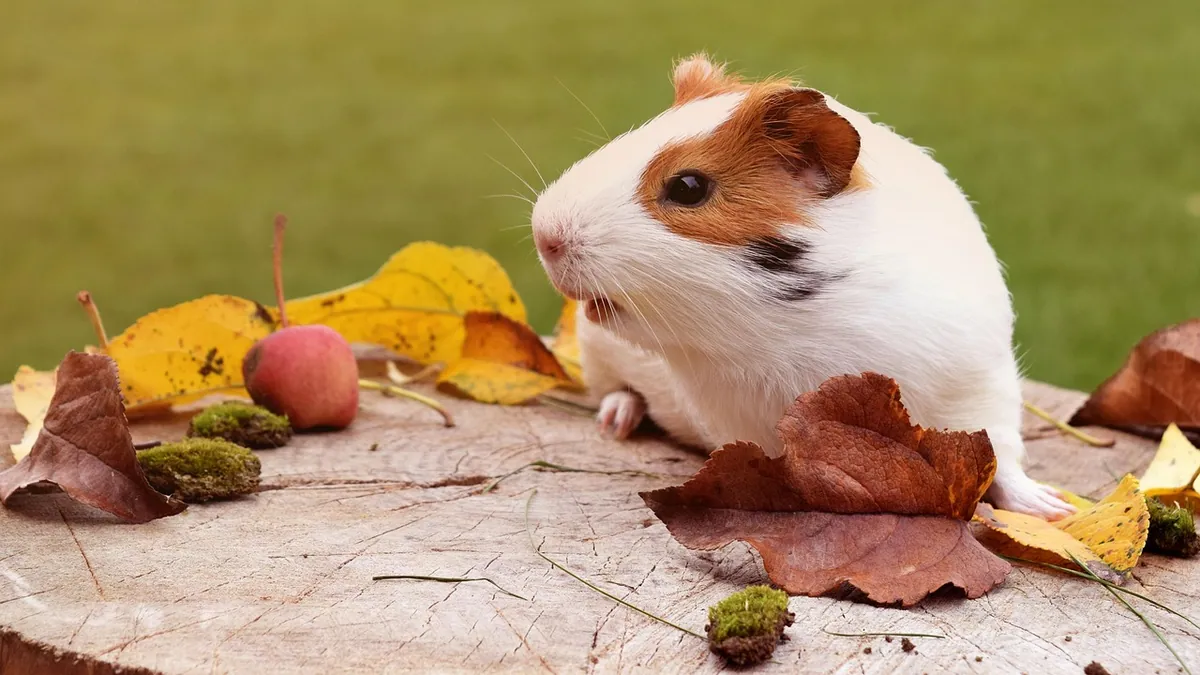
Do guinea pigs jump? Yes, they do, and a sudden leap into the air is usually a happy, healthy behavior called popcorning. Guinea pigs also jump to escape something scary or to get from one spot to another. This article is educational and is not a substitute for veterinary diagnosis or treatment.
Quick Answer
- Popcorning (a quick, twisty leap) is a normal sign of excitement and play, and it is common in guinea pigs that feel safe [1].
- Guinea pigs are stocky rodents with short limbs, so their jumps are low and short compared with animals built for leaping [2].
- A healthy guinea pig can usually clear only a few inches off the ground, and most jumps cover a short distance instead of a long one.
- Jumping off a couch, bed, or table is the real danger, because a fall from that height can cause broken bones, spinal injury, or internal damage.
- Never punish a guinea pig for jumping, and never assume it can safely land from furniture.
Why Does My Guinea Pig Jump?
Popcorning: the happy jump
Popcorning is the name owners use for the sudden, jerky leap a guinea pig makes when it is excited or playful. The guinea pig may hop straight up, twist its body, kick out its back legs, and land running. It often happens during floor time, at feeding time, or when a guinea pig rejoins a companion it likes.
This behavior is a form of locomotor play. In a survey of 1,181 guinea pig caretakers, locomotor play occurred several times per day in about 19.9% of the animals, while eating and resting next to other guinea pigs happened several times per day in 87.6% and 48.1% of animals [1]. Those numbers show that play jumping is real but not constant. A guinea pig that popcorns now and then is behaving normally.
Popcorning tends to be more common in young guinea pigs, but adults do it too. It often shows up when a guinea pig has room to run, a clean cage, fresh hay, and a companion. Housing and enrichment affect behavior, and caretakers who provide fenced floor areas and varied furnishings tend to see more normal activity [1].
Jumping to escape or explore
Guinea pigs are prey animals. A loud noise, a sudden movement, or a grab in published veterinary research can trigger a bolt or a leap. Breathing rate in guinea pigs responds to stress, including noise, and researchers have used breathing rate as a marker of noise-induced stress in this species [3]. A guinea pig that jumps when a door slams or a dog barks is reacting to a threat, not playing.
Guinea pigs also jump small obstacles while exploring. They may hop onto a low ledge, over a toy, or out of a shallow box. Their body shape limits how much they can do. Guinea pigs have stocky bodies, short limbs, and no tail, which is not a build made for high jumping [2].
How high and how far can a guinea pig jump?
Owners often ask how high guinea pigs jump. There is no published maximum jump height for guinea pigs, so any exact number you see online is an estimate. What is clear from their anatomy is that short limbs and a heavy, stocky body keep their jumps low [2]. Most healthy guinea pigs can clear a few inches, and a motivated guinea pig may manage roughly 6 to 10 inches in a single popcorning leap. Treat that as a general range, not a guarantee.
Distance is similar. A guinea pig can hop forward a short distance, often less than a foot, and can sometimes clear a low barrier of a few inches. A determined guinea pig may surprise you, so do not rely on a low wall to keep it contained.
Is it normal for guinea pigs to jump?
Yes, jumping is normal, and popcorning is one of the clearest signs of a relaxed, content guinea pig [1]. What matters is the pattern. A guinea pig that popcorns during play and eats, drinks, and poops normally is fine. A guinea pig that jumps because it is startled, or that jumps and then refuses to move, needs a closer look.
If you want to read more about the sounds and body language that go with these leaps, see Guinea Pig Behavior: Understanding Sounds and Actions. A guinea pig that jumps and then squeaks loudly may be excited or annoyed, and Guinea Pig Squeaking Noise explains those calls.
Medical Causes to Rule Out
Not every jump is joy. Some guinea pigs jump, twitch, or startle because something is wrong.
Skin problems and parasites
Mites, lice, and other skin parasites cause intense itching. A guinea pig with mites may jump, twitch, scratch, and lose hair. Skin disease is common enough that any guinea pig with repeated sudden jumping plus scratching, bald patches, or crusty skin should be examined.
Pain and dental disease
Guinea pigs hide pain well. A guinea pig with a sore mouth, overgrown cheek teeth, or a painful joint may flinch or leap when it moves or when you touch it. Watch for dropping food, weight loss, drooling, or eating less. Dental problems are a frequent cause of these signs.
Neurologic and ear problems
Head tilt, circling, rolling, or a jump that looks like a seizure are not normal popcorning. Inner ear disease and neurologic conditions can cause sudden, uncontrolled movements. These signs need prompt veterinary attention.
Stress and fear
A guinea pig in a loud, busy room may startle and jump repeatedly. Noise is a recognized stressor that changes breathing rate in guinea pigs [3]. If your guinea pig jumps every time the household gets loud, the environment is part of the problem.
Reproductive and hormonal behavior
Intact guinea pigs may mount, rumble, and move in bursts during courtship and dominance displays. This is normal social behavior, but it can look like frantic jumping. Separate males from females unless you intend to breed, because guinea pigs reproduce readily.
When Jumping Becomes a Problem
Jumping is a problem when it puts your guinea pig at risk or when it signals distress.
- Falls from height. A leap off a bed, couch, or counter is the most common serious injury. Guinea pigs have short limbs and a rigid, stocky body, so they absorb a fall poorly [2].
- Repeated escape attempts. A guinea pig that constantly tries to climb out of its cage is stressed or bored, and it may catch a leg or fall.
- Jumping plus limping. This suggests a fracture, sprain, or soft tissue injury. Keep the guinea pig confined and call your veterinarian.
- Jumping plus not eating. A guinea pig that stops eating can decline quickly. This is urgent.
- Jumping plus head tilt or rolling. This points to an ear or neurologic problem.
What to Do Step by Step
1. Make the cage safe
Use a solid-bottom cage with low sides or a secure lid. Remove tall ramps and platforms that a guinea pig can fall from. If you use a ramp, keep the slope gentle and add sides so your guinea pig cannot roll off. Check out Guinea Pig Cage Accessories: Essential Enrichment and Safety for safe setup ideas.
2. Supervise floor time
Floor time is where most popcorning happens, and it is good for your guinea pig. Block off stairs, gaps under furniture, and cords. Sit on the floor with your guinea pig. Do not leave it on a couch, bed, or table, even for a moment.
3. Add enrichment that invites movement
Guinea pigs need things to explore. Tunnels, cardboard boxes with holes cut in them, safe chew toys, and hideouts encourage walking, hopping, and popcorning without risky climbing. See Guinea Pig Cage Accessories: Liners, Toys, and Hideouts for options.
4. Keep a companion
Guinea pigs are social. In the caretaker survey, eating and resting next to other guinea pigs was common, and individual housing was uncommon but linked to welfare concerns [1]. A compatible companion reduces stress and gives your guinea pig a reason to play.
5. Provide constant hay and a steady routine
Fresh hay should be available at all times. In the same survey, only 0.4% of animals lacked constant hay access, and the authors flagged that as a welfare problem [1]. A predictable routine with quiet periods lowers startle jumping.
6. Handle gently and from the side
Approach from the side or front, not in published veterinary research. Support the chest and hindquarters. Never grab a guinea pig by the scruff or let it dangle. A guinea pig that feels secure is less likely to bolt.
7. Baby-proof the room
Cover outlets, block tight spaces, and remove anything a guinea pig could knock over. A guinea pig that jumps and lands on a hard floor can be hurt even from a low height.
What Not to Do
- Do not punish jumping. Yelling, tapping the cage, or squirting water will make your guinea pig more fearful and more likely to bolt.
- Do not assume a low surface is safe. A guinea pig can fall off a couch or bed in a split second.
- Do not put a guinea pig on a high surface for photos or play.
- Do not use exercise wheels or hamster balls. Guinea pigs have a rigid spine and short limbs, and these products are not built for their body type [2].
- Do not ignore a jump that comes with pain, limping, or appetite loss.
- Do not trust a low barrier to contain a determined guinea pig.
When to Involve a Veterinarian or Behavior Professional
Call a veterinarian if your guinea pig jumps and then shows any of these signs: limping, dragging a leg, crying when touched, not eating, drooling, head tilt, rolling, or a change in droppings. A guinea pig that falls from furniture should be seen the same day, even if it seems fine at first.
If your guinea pig is healthy but jumps constantly from fear or stress, a veterinarian can check for pain and underlying disease first. If the cause is behavioral, ask your veterinarian for a referral to a qualified behavior professional who works with small mammals. Behavior problems in guinea pigs are often tied to housing, social setup, and human-animal interactions [1].
Limitations and When to Contact a Veterinarian
No article can tell you what is happening with your individual guinea pig. A veterinarian who examines your pet can check for injury, pain, dental disease, parasites, and neurologic problems.
Contact a veterinarian the same day if your guinea pig:
- Falls from any height above a few inches
- Limps, drags a limb, or refuses to walk
- Stops eating or drinking
- Has soft, watery, or missing droppings
- Shows a head tilt, circling, or rolling
Seek emergency care now if your guinea pig:
- Is struggling to breathe or breathing with its mouth open
- Is limp, unresponsive, or having a seizure
- Has heavy bleeding or a visibly broken limb
- Has not eaten for 12 hours or more
Schedule a routine visit if your guinea pig:
- Jumps and scratches constantly, or has hair loss or crusty skin
- Has gradually changed its activity level
- Seems painful when handled
Guinea pigs are small and decline quickly when they are sick. When in doubt, call your veterinarian.
Frequently Asked Questions
Is popcorning a sign my guinea pig is happy?
Yes, popcorning usually means your guinea pig is excited, playful, or content. It is a normal behavior seen in guinea pigs that feel safe and have room to move [1]. If your guinea pig popcorns during play and eats normally, there is nothing to worry about.
Can a guinea pig hurt itself jumping in its cage?
It can, especially if the cage has tall ramps, high platforms, or wire floors. A fall from a platform can cause fractures or spinal injury. Keep the setup low, solid-bottomed, and free of steep drops.
Why does my guinea pig jump when I touch it?
A jump when you touch it often means surprise, pain, or fear. Guinea pigs are prey animals, and a sudden touch can startle them. If the jumping comes with flinching, crying, or avoiding handling, have your veterinarian check for a painful skin, dental, or joint problem.
Do guinea pigs jump when they are scared?
Yes, a frightened guinea pig may bolt or leap to escape. Loud noises and sudden movements are common triggers, and noise is a known stressor that changes breathing rate in guinea pigs [3]. Give your guinea pig a quiet space and a hideout, and approach it slowly.
How do I stop my guinea pig from jumping off the couch?
Do not let it on the couch in the first place. Play with your guinea pig on the floor with tunnels and hideouts, and keep all furniture off limits. If you must hold it on a high surface, keep one hand on its body at all times and sit low to the ground.
Related Articles
- Guinea Pig Cage Accessories: Essential Enrichment and Safety
- Guinea Pig Squeaking Noise
- Guinea Pig Behavior: Understanding Sounds and Actions
- Guinea Pig Care: Pyramiding & Shell Health Management
- Guinea Pig Cage Accessories: Liners, Toys, and Hideouts
- Guinea Pig Health: Common Conditions and Prevention
- Why Is My Guinea Pig Jumping and Running Around?
- Why Is My Guinea Pig Scared of Me?
- Guinea Pig Not Moving: Causes and Emergency Care
References
- Guinea Pig (Cavia porcellus) Welfare: Associations Between Husbandry Practices, Human-Animal Interactions, and Animal Behaviour. Animals : an open access journal from MDPI, 2025.
- Anatomy, Physiology, and Behavior of Guinea Pigs - Exotic and Laboratory Animals. Merck Veterinary Manual.
- Breathing Rate as a Marker for Noise-Induced Stress in Guinea Pigs. Brain sciences, 2025.