Why Does My Guinea Pig Pee on Me?
By Dr. Zubair Khalid, DVM, MS, PhD ·
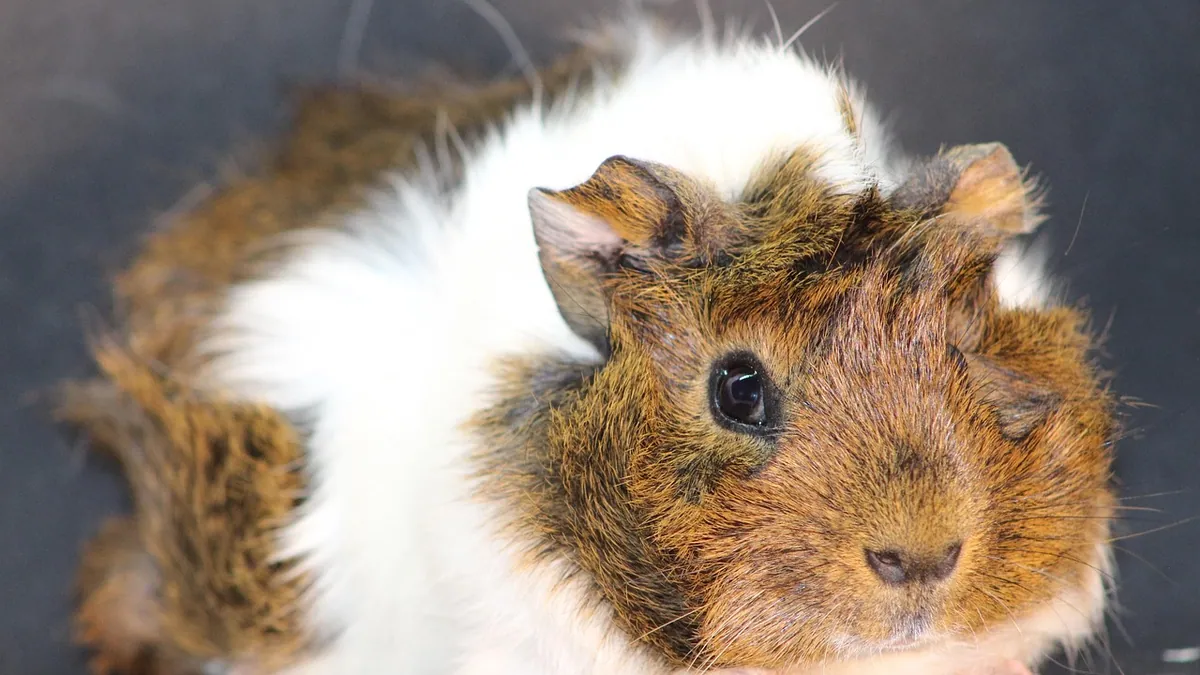
Guinea pigs rarely pee on their owners on purpose. When your guinea pig pees on you, it is almost always reacting to stress, physical discomfort, or a bladder that simply needs to empty. Understanding the reason helps you fix the situation without blaming your pet.
This article is educational and is not a substitute for veterinary diagnosis or treatment.
Quick Answer
- A full bladder is the most common reason. Guinea pigs urinate often, and a 20-minute cuddle session may simply outlast their ability to hold it.
- Fear and stress cause involuntary urination in many small prey animals. A guinea pig that feels trapped or startled may release urine without control.
- Discomfort from how you are holding your guinea pig can trigger peeing. Pressure on the belly or an unsupported hind end makes many guinea pigs urinate.
- Medical problems like bladder inflammation or urinary tract issues can increase urgency and accidents. These need a veterinary exam.
- You can reduce accidents by keeping handling sessions short, using a towel, and learning your guinea pig's body language.
Why Does My Guinea Pig Pee on Me? The Normal Reasons First
Most guinea pig peeing during handling falls into normal, predictable categories. None of them involve anger or revenge.
A Full Bladder
Guinea pigs have a small body and a small bladder. They urinate frequently throughout the day and night. When you pick up your guinea pig, you interrupt whatever bathroom schedule it had. If the bladder is full, the pressure of being held can push urine out.
This is not a behavior problem. It is simple biology. A guinea pig that has just eaten a large meal of hay and vegetables is especially likely to need to urinate soon after.
Fear and the Freeze Response
Guinea pigs are prey animals. In the wild, being lifted off the ground means being caught by a predator. Their bodies are wired to respond to that threat. One common response is to urinate.
When a guinea pig is scared, the muscles around the bladder can relax involuntarily. The guinea pig may not even seem frightened. Some guinea pigs freeze and go still right before they pee. Others struggle, then urinate when they realize struggling does not work.
Guinea pigs are sensitive to their surroundings, including temperature and humidity. Their comfortable temperature range is narrow, about 65 to 75°F (18 to 24°C), with low humidity preferred [1]. A guinea pig that is too warm or too cold while being held may become stressed and urinate.
Discomfort From Handling
How you hold your guinea pig matters. Guinea pigs have stocky bodies with short limbs and no tail [2]. They need full support under the chest and hindquarters. If you hold your guinea pig with its belly hanging or squeeze the middle, you put pressure on the bladder.
A guinea pig that is held incorrectly may pee as a reflex. It may also pee because it is trying to get away from an uncomfortable position.
Excitement or Arousal
Some guinea pigs urinate when they are highly excited. This can happen during floor time, during a favorite treat, or when they are startled by a sudden noise. The urination is involuntary and not a sign of poor training.
Scent Marking
Guinea pigs have sebaceous glands along the back and around the anus that they use for marking [2]. Both males and females can leave small amounts of urine as a scent mark. This is more common in guinea pigs that live in groups or that are in a new environment. It is not the same as emptying a full bladder, but it can still leave a wet spot on your lap.
Medical Causes to Rule Out
Sometimes peeing on you is a sign that something is wrong. Urinary problems are common in guinea pigs, and they can be painful.
Bladder Inflammation and Urinary Tract Problems
Bladder pain and urgency are well documented in guinea pigs. Research on guinea pig bladder function shows that inflammation in the bladder increases the frequency and urgency of urination [3][4]. A guinea pig with bladder inflammation may feel like it needs to go constantly, even when the bladder is nearly empty.
If your guinea pig pees on you more often than usual, or if you notice small, frequent urination, this could be a medical issue. Other signs include straining to urinate, squeaking while urinating, or blood in the urine.
Urinary Tract Stones
Guinea pigs can develop bladder stones. These cause pain and pressure that make urination urgent and uncomfortable. A guinea pig with a stone may pee small amounts frequently, including when held.
Hormonal Changes in Females
Female guinea pigs have an estrous cycle. Research shows that cortisol concentrations increase during estrus compared to diestrus in female guinea pigs [5]. Higher cortisol is a stress hormone response. A female guinea pig in heat may be more sensitive to handling and more likely to urinate from stress.
Other Medical Causes
Any condition that increases thirst or urine production can lead to more accidents. This includes kidney problems, diabetes, and infections. A guinea pig that is drinking more, urinating more, or losing weight needs a veterinary exam.
If you also have a dog with urinary changes, some of the same principles apply. You can read about increased urination in dogs in Why Is My Dog Peeing So Much?. For cats, see Why Is My Cat Peeing on the Rug? Medical and Behavioral Reasons.
When Peeing on You Becomes a Problem
A single accident is not a problem. It becomes a problem when it happens every time you hold your guinea pig, when it comes with signs of pain, or when it changes from your guinea pig's normal pattern.
Signs That It Is Behavioral
- Your guinea pig only pees when picked up, not in the cage.
- The peeing stops when you change how you hold your guinea pig.
- Your guinea pig shows other signs of fear, like freezing, chattering, or trying to hide.
- The accidents happen at the start of handling, not after a long session.
Signs That It Is Medical
- Your guinea pig pees small amounts very often.
- Your guinea pig strains or squeaks while urinating.
- You see blood or cloudy urine.
- Your guinea pig is drinking more water than usual.
- Your guinea pig is losing weight or eating less.
- Your guinea pig has a wet, soiled bottom.
Any of these signs mean a veterinary visit is needed. Do not wait to see if it improves on its own.
What to Do Step by Step
You can reduce or stop the peeing with a few practical changes.
Step 1: Shorten Handling Sessions
Start with 5-minute sessions. Put your guinea pig back in the cage before the bladder gets full. Gradually increase the time as your guinea pig becomes more comfortable. Most guinea pigs can be held for 10 to 15 minutes without an accident once they are relaxed.
Step 2: Use a Towel or Lap Pad
Place a towel or waterproof lap pad on your lap before you pick up your guinea pig. This protects your clothes and reduces your own stress. A calm owner makes a calmer guinea pig.
Step 3: Improve Your Hold
Support the chest with one hand and the hindquarters with the other. Keep your guinea pig close to your body. Do not let the belly hang. Do not squeeze the middle. A guinea pig that feels secure is less likely to urinate from fear.
Step 4: Watch for Body Language
Learn your guinea pig's signals. A guinea pig that is about to pee may:
- Go very still
- Lift its hind end slightly
- Try to move away from your hands
- Make a small squeak
When you see these signs, put your guinea pig back in the cage. It will learn that you respect its signals.
Step 5: Offer a Bathroom Break
Before you pick up your guinea pig, let it have a few minutes in its cage after a meal. This gives it a chance to empty its bladder. You can also place a small litter box or a corner with bedding in the cage and encourage your guinea pig to use it before handling.
Step 6: Build Positive Associations
Guinea pigs are social animals that often do well in pairs or small groups [1]. A single guinea pig may be more stressed by handling. If your guinea pig lives alone, consider getting a same-sex companion. Always supervise introductions and follow proper bonding steps.
Offer a small treat during handling. Keep the sessions calm and quiet. Do not pass your guinea pig around to many people at once. A guinea pig that associates handling with good things is less likely to pee from fear.
Step 7: Check the Environment
Guinea pigs are sensitive to temperature and humidity [1]. Make sure the room where you handle your guinea pig is within the comfortable range of about 65 to 75°F (18 to 24°C) with low humidity [1]. Avoid drafts and direct sunlight. A guinea pig that is too warm or too cold is more likely to be stressed.
Also make sure the handling area is safe. Guinea pigs are easily injured outside their cages. They can be stepped on or fall from heights [1]. Other pets like dogs, cats, and ferrets can seriously harm them [1]. Always supervise your guinea pig outside of its cage.
Step 8: Rule Out Medical Causes
If the peeing continues after you make these changes, or if you see any signs of pain or illness, schedule a veterinary visit. Your veterinarian can check for bladder stones, infections, and other urinary problems.
What Not to Do
Do Not Punish Your Guinea Pig
Never yell at, hit, or scold your guinea pig for peeing on you. Punishment does not work. It increases fear and stress, which makes the peeing worse. Your guinea pig is not doing this to annoy you.
Do Not Hold Your Guinea Pig Longer to "Teach" It
Some owners think that if they just hold their guinea pig through the peeing, it will learn to hold it. This is not true. It teaches your guinea pig that being held is uncomfortable and unpredictable. It can make the behavior worse.
Do Not Ignore Signs of Pain
If your guinea pig squeaks when urinating, strains, or has blood in its urine, do not wait. These are signs of a medical problem that needs treatment.
Do Not Use Punishment-Based Training
Guinea pigs do not respond to punishment-based training. They respond to calm, consistent, positive handling. If you are struggling, a certified behavior professional who works with small pets can help.
Do Not Assume It Is Spite
Guinea pigs do not plan revenge. They do not pee on you because they are mad that you went to work. They pee because their body is telling them to. Once you accept that, you can focus on solutions.
When to Involve a Veterinarian or Behavior Professional
See a Veterinarian If:
- Your guinea pig pees on you every time you hold it, even after you change your handling.
- You see blood in the urine.
- Your guinea pig strains, squeaks, or seems to be in pain while urinating.
- Your guinea pig is drinking more water than usual.
- Your guinea pig is losing weight or eating less.
- Your guinea pig has a wet or soiled bottom.
- Your guinea pig is peeing small amounts very frequently.
See a Certified Behavior Professional If:
- Your guinea pig shows severe fear or aggression during handling.
- You have tried the steps above for several weeks with no improvement.
- Your guinea pig is injuring itself or you during handling.
- You are unsure how to safely hold or handle your guinea pig.
A veterinarian can rule out medical causes. A behavior professional can help with fear and handling issues. In many cases, both are helpful.
Limitations and When to Contact a Veterinarian
This article covers common reasons for peeing during handling. It cannot diagnose your individual guinea pig. Every guinea pig is different, and only a veterinarian who examines your pet can determine the exact cause.
Contact your veterinarian the same day if your guinea pig:
- Has not urinated in 12 hours or more
- Is straining to urinate with no urine coming out
- Is crying or squeaking loudly while trying to urinate
- Has blood in the urine
- Is suddenly very lethargic or not eating
Go to an emergency veterinary hospital immediately if your guinea pig:
- Is collapsed or unresponsive
- Is having trouble breathing
- Has a bloated, hard abdomen
- Is having seizures
Schedule a routine veterinary visit if your guinea pig:
- Has changed its urination habits
- Is peeing on you more often than before
- Has a wet or dirty bottom
- Is drinking more water than usual
- Has lost weight
Guinea pigs are good at hiding illness. By the time you notice symptoms, the problem may already be advanced. Regular veterinary checkups help catch issues early.
Frequently Asked Questions
Why does my guinea pig pee on me every time I hold it?
Your guinea pig may be afraid, uncomfortable, or have a full bladder. Start with shorter handling sessions and a towel on your lap. If it continues, see a veterinarian to rule out bladder problems.
Is my guinea pig peeing on me to show dominance?
No. Guinea pigs do not pee on people to show dominance. They may scent mark, but that is different from emptying the bladder. Peeing on you is almost always a stress or bladder response.
Can I train my guinea pig not to pee on me?
You cannot train a guinea pig to hold its bladder longer than it physically can. You can train it to be more comfortable with handling, which reduces stress-related peeing. Keep sessions short and reward calm behavior with treats.
Does peeing on me mean my guinea pig is sick?
Not always. A full bladder or fear is more common. But if your guinea pig also strains, squeaks, has blood in its urine, or pees very frequently, it may be sick. See a veterinarian.
Should I get a second guinea pig to stop the peeing?
A companion can reduce stress for social guinea pigs, but it will not fix a medical problem. If your guinea pig lives alone and seems lonely, a same-sex companion may help. Always quarantine and introduce new guinea pigs properly.
Why does my guinea pig pee on me only when I wear a certain shirt?
Guinea pigs have a strong sense of smell. They may react to a scent on your clothing, such as perfume, detergent, or another animal. Try wearing a neutral, freshly washed shirt when handling your guinea pig.
Can my guinea pig's diet cause it to pee more?
Yes. A diet high in watery vegetables can increase urine output. Make sure your guinea pig gets unlimited hay, a measured amount of pellets, and a small portion of vegetables. Talk to your veterinarian about the right diet for your guinea pig.
Related Articles
- Why Is My Guinea Pig Licking Me?
- Is It Normal for Guinea Pigs to Poop and Pee a Lot?
- Why Is My Guinea Pig Scared of Me?
References
- Unique Needs of Guinea Pigs - All Other Pets. Merck Veterinary Manual.
- Anatomy, Physiology, and Behavior of Guinea Pigs - Exotic and Laboratory Animals. Merck Veterinary Manual.
- Netupitant, a Potent and Highly Selective NK1 Receptor Antagonist, Alleviates Acetic Acid-Induced Bladder Overactivity in Anesthetized Guinea-Pigs. Frontiers in pharmacology, 2016.
- TRPV1 and TRPM8 antagonists reduce cystitis-induced bladder hypersensitivity via inhibition of different sensitised classes of bladder afferents in guinea pigs. British journal of pharmacology, 2023.
- Physiological and behavioral traits in female guinea pigs: estrous cycle effects and repeatability. Physiology & behavior, 2026.