Guinea Pig Not Moving but Breathing: What to Do
By Dr. Zubair Khalid, DVM, MS, PhD ·
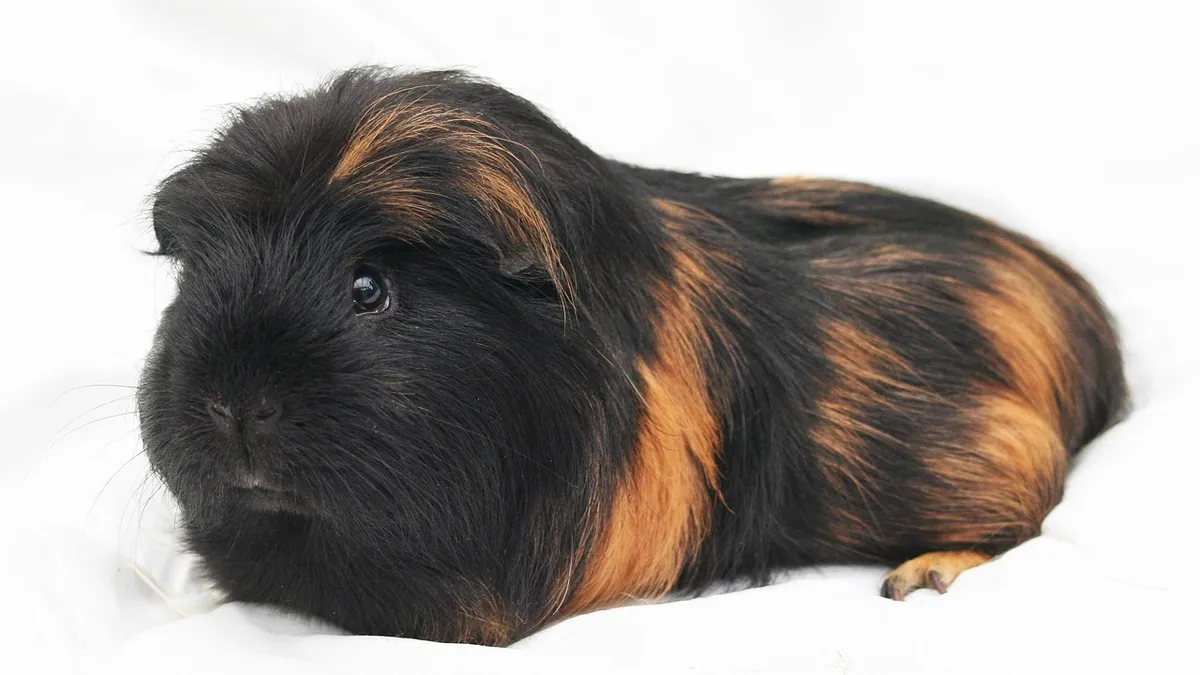
If your guinea pig is not moving but breathing, this is a medical emergency. A guinea pig that is collapsed, barely responsive, or unable to stand is often in shock, respiratory distress, or heat stroke, and these conditions can be fatal within hours. You need to act immediately and get your pet to a veterinarian who treats exotic small mammals.
This article is educational and is not a substitute for veterinary diagnosis or treatment.
Quick Answer
- Call an exotic or small-mammal veterinarian right away, before you do anything else. A collapsed guinea pig needs professional care fast.
- Keep your guinea pig warm, quiet, and in a dark, low-stress carrier. Do not shake it, force food or water, or put it in a bath.
- Check for breathing effort, gum color, and body temperature. Labored breathing, pale or blue gums, and a cold body are serious red flags.
- If you suspect heat stroke, move your guinea pig to a cool area and offer a cool (not ice-cold) surface, then transport immediately.
- Do not wait to see if your guinea pig "snaps out of it." Guinea pigs hide illness well, and a collapse means the problem is already advanced [1].
What "Not Moving but Breathing" Looks Like
A normal guinea pig is alert, curious, and quick to react. It moves around its enclosure, eats, drinks, and responds when you approach. Even a resting guinea pig will lift its head or twitch its ears when something changes nearby.
A guinea pig that is not moving but breathing is different. It may lie flat on its side, refuse to right itself, or stay still when you touch it. Its eyes may be partly closed or glazed. Breathing may look fast, slow, shallow, or obviously labored. Some guinea pigs make clicking, wheezing, or rattling sounds with each breath. Others go completely silent and still except for the rise and fall of the chest.
This is not the same as a relaxed guinea pig lounging in a hide. A truly collapsed guinea pig does not respond normally to you, to food, or to being gently repositioned.
Why Is My Guinea Pig Not Moving but Breathing?
Several serious problems can cause a guinea pig to collapse while still breathing. The table below lists the most common causes and how urgent each one is.
| Cause | Typical clues | How urgent |
|---|---|---|
| Respiratory infection or pneumonia | Wheezing, clicking, rattling, nasal or eye discharge, labored breathing, weight loss | Emergency |
| Heat stroke | Heavy panting, drooling, hot body, collapse after warm temperatures | Emergency |
| Shock (from illness, pain, or blood loss) | Cold body, pale gums, weak pulse, unresponsive | Emergency |
| Heart disease | Weakness, exercise intolerance, labored breathing, collapse | Emergency |
| Severe pain or injury | Reluctance to move, guarding a body part, crying when touched | Emergency |
| Gut stasis or severe digestive upset | Not eating, small or no droppings, bloated belly, hunched posture | Emergency |
| Toxicity or poisoning | Sudden collapse, drooling, tremors, known exposure | Emergency |
Respiratory disease is one of the most common reasons a guinea pig becomes weak and unresponsive. Guinea pigs are prone to bacterial respiratory infections, and these can progress quickly from mild sneezing to severe breathing difficulty [1]. If your guinea pig is making a noise when breathing, that is often an early clue that something is wrong with the airways or lungs.
Heat stroke is another major cause. Guinea pigs do not tolerate heat well, and a collapsed guinea pig that was recently in a warm room, car, or sunny area may be suffering from overheating. Shock can follow heat stroke, infection, or heavy blood loss, and it causes the body to shut down normal movement and responsiveness.
Heart disease also occurs in guinea pigs and can cause weakness and collapse [2]. Any condition that reduces oxygen delivery to the body can leave a guinea pig still breathing but unable to move normally.
Red Flags That Mean Emergency Now
Some signs mean you should not wait even a few minutes. Get your guinea pig to a veterinarian immediately if you see any of the following.
- Breathing that is open-mouthed, gasping, or visibly straining
- Gums that are pale, white, blue, or gray instead of pink
- A body that feels cold to the touch
- No response when you gently touch or reposition your guinea pig
- A seizure, tremors, or sudden rigidity
- Collapse after being in a hot environment
- Known or suspected exposure to a toxin
- No droppings for many hours combined with not eating
Open-mouth breathing in a guinea pig is always serious. Guinea pigs are obligate nasal breathers, meaning they normally breathe through their noses. If your guinea pig is breathing through its mouth, it is in severe distress.
Safe Things You Can Do at Home While Waiting
Your main job is to keep your guinea pig stable and get it to a vet. Do not try to treat the underlying problem yourself.
Keep it warm and quiet. Place your guinea pig in a small carrier with a soft towel. Keep the carrier in a quiet, dim area. Avoid loud noises, other pets, and handling beyond what is necessary.
Do not force food or water. A collapsed guinea pig cannot swallow safely, and forcing liquids can cause choking or aspiration. Wait for veterinary guidance.
Do not bathe your guinea pig. Bathing a collapsed animal can worsen shock and lower body temperature. Guinea pigs rarely need baths unless they are soiled, and even then, only with a shampoo made for small animals [1].
If heat stroke is suspected, cool gently. Move your guinea pig out of the heat. Place a cool, damp towel under or near it, but do not use ice or cold water. Cooling too fast can cause more harm.
Call ahead to the veterinary clinic. Tell them your guinea pig is collapsed and barely responsive. This helps the team prepare for your arrival.
Keep a record of what you saw. Note when the collapse started, what your guinea pig was doing before, whether it has been eating and producing droppings, and any recent changes in temperature, diet, or environment. This information helps the veterinarian.
If your guinea pig is making unusual sounds, our guide to Guinea Pig Squeaking Noise can help you understand what different noises may mean. For a deeper look at breathing problems, see Guinea Pig Respiratory Infections: Causes, Signs, and Treatment.
How to Tell If Your Guinea Pig Is Having Trouble Breathing
Breathing trouble can be subtle at first. Watch for these signs.
- Faster breathing than normal at rest
- Visible effort with each breath, such as the sides heaving
- Wheezing, clicking, or rattling sounds
- Nostrils flaring
- Sitting with the neck stretched out
- Reluctance to move or eat
- Blue or pale gums
A guinea pig that is having trouble breathing may also sit hunched in a corner and avoid activity. If you notice any of these signs, contact your veterinarian. Early treatment is much more effective than waiting for a collapse.
What the Veterinarian Will Check and Test
When you arrive, the veterinary team will assess your guinea pig quickly. They will check breathing rate and effort, heart rate, gum color, hydration, and body temperature. They will also look for signs of pain, injury, or discharge from the nose or eyes.
Depending on what they find, the veterinarian may recommend:
- Oxygen therapy to support breathing
- Warmth and fluids to treat shock
- Blood tests to check organ function and infection
- Imaging such as X-rays to look at the heart and lungs [2]
- Medication for infection, pain, or heart support
The veterinarian will calculate any medication dose based on your guinea pig's weight and health status. Never give human medications or leftover pet medications without veterinary direction.
If your guinea pig has a respiratory infection, treatment often includes antibiotics and supportive care. Our article on Guinea Pig Care: Respiratory Infection Symptoms & Antibiotic Protocol explains what that process can involve.
What Shock Looks Like in a Guinea Pig
Shock is a life-threatening condition where the body cannot deliver enough oxygen to its tissues. A guinea pig in shock may be cold, pale, weak, and barely responsive. It may still be breathing, but the breathing may be shallow or irregular.
Shock can develop from many causes, including severe infection, heat stroke, blood loss, or prolonged pain. It requires immediate veterinary treatment with warmth, fluids, and medications to support circulation. Do not wait to see if your guinea pig improves on its own.
Heat Stroke in Guinea Pigs
Guinea pigs are sensitive to high temperatures. Heat stroke happens when the body overheats and cannot cool itself. Signs include heavy panting, drooling, red or pale gums, weakness, and collapse.
If you suspect heat stroke, move your guinea pig to a cool area right away. Use a fan on low, offer a cool surface, and dampen the fur with cool water. Do not use ice or cold water, which can cause blood vessels to constrict and worsen the problem. Then get to a veterinarian immediately.
Prevention matters. Keep your guinea pig's enclosure out of direct sun and away from heat sources. On hot days, make sure the room stays comfortably cool. Guinea pigs need a stable, moderate temperature to stay healthy [1].
Preventing a Collapse
You cannot prevent every emergency, but you can lower the risk with good routine care.
Schedule yearly checkups. Have a veterinarian experienced with guinea pigs examine your pet at least once a year [1]. Guinea pigs do not need vaccinations, but regular exams help catch problems early [1].
Watch weight and appetite. Weigh your guinea pig regularly and track its droppings. Small changes in eating or output can be early signs of illness.
Keep the environment safe. Avoid extreme heat, drafts, and sudden temperature changes. Provide a clean, spacious enclosure with hiding spots and safe bedding.
Trim nails and check feet. Guinea pigs have claws that need trimming, and excess keratin can form on the forefeet [3]. Check the feet regularly for sores or overgrowth.
Learn your guinea pig's normal sounds and behavior. Knowing what is normal helps you spot what is not. Our guide to Guinea Pig Behavior: Understanding Sounds and Actions can help you build that baseline. For a full overview of daily care, see the Complete Guinea Pig Care Guide.
Limitations and When to Contact a Veterinarian
This article cannot diagnose your guinea pig. Only a veterinarian who examines your pet can determine the cause of a collapse and the right treatment. Individual cases need professional assessment.
Contact your veterinarian the same day if your guinea pig is quieter than usual, eating less, breathing faster, or producing fewer droppings.
Go to an emergency clinic immediately if your guinea pig is not moving but breathing, has pale or blue gums, is gasping, feels cold, or does not respond to you.
If you are unsure whether it is an emergency, call your veterinarian and describe what you see. It is always better to call and be told to wait than to delay care for a guinea pig in distress.
Frequently Asked Questions
Can a guinea pig recover from a collapse on its own?
A guinea pig that has collapsed usually cannot recover without treatment. The underlying cause, such as infection, heat stroke, or shock, needs veterinary care. Waiting at home often makes the problem worse.
How long can a guinea pig go without eating?
Guinea pigs should eat almost constantly. A guinea pig that stops eating can develop serious digestive problems within hours. If your guinea pig has not eaten or produced droppings for several hours, contact your veterinarian.
Is open-mouth breathing always an emergency in guinea pigs?
Yes. Guinea pigs normally breathe through their noses. Open-mouth breathing means your guinea pig is in severe respiratory distress and needs emergency care right away.
Can I give my guinea pig human medicine for breathing problems?
No. Never give human medications to a guinea pig without veterinary direction. Many common human drugs are toxic to small animals, and the wrong dose can be fatal. Your veterinarian will choose a safe medication and calculate the dose based on your pet's weight.
What should I bring to the vet appointment?
Bring your guinea pig in a secure carrier with a towel. If possible, bring a recent record of weight, appetite, droppings, and any changes you noticed. This information helps the veterinarian make faster decisions.
Related Articles
- Guinea Pig Squeaking Noise
- Guinea Pig Respiratory Infections: Causes, Signs, and Treatment
- Guinea Pig Behavior: Understanding Sounds and Actions
- Complete Guinea Pig Care Guide
- Guinea Pig Care: Respiratory Infection Symptoms & Antibiotic Protocol
- Why Is My Guinea Pig Breathing Fast? When to Worry
- Guinea Pig Not Eating or Drinking: What to Do
References
- Routine Care of Guinea Pigs - All Other Pets. Merck Veterinary Manual.
- Radiographic and anatomical morphometric assessments of heart size in presumed healthy pet guinea pigs. Veterinary radiology & ultrasound : the official journal of the American College of Veterinary Radiology and the International Veterinary Radiology Association, 2022.
- Anatomy, Physiology, and Behavior of Guinea Pigs - Exotic and Laboratory Animals. Merck Veterinary Manual.