Do Gerbils Need a Friend? Social Needs Explained
By Dr. Zubair Khalid, DVM, MS, PhD ·
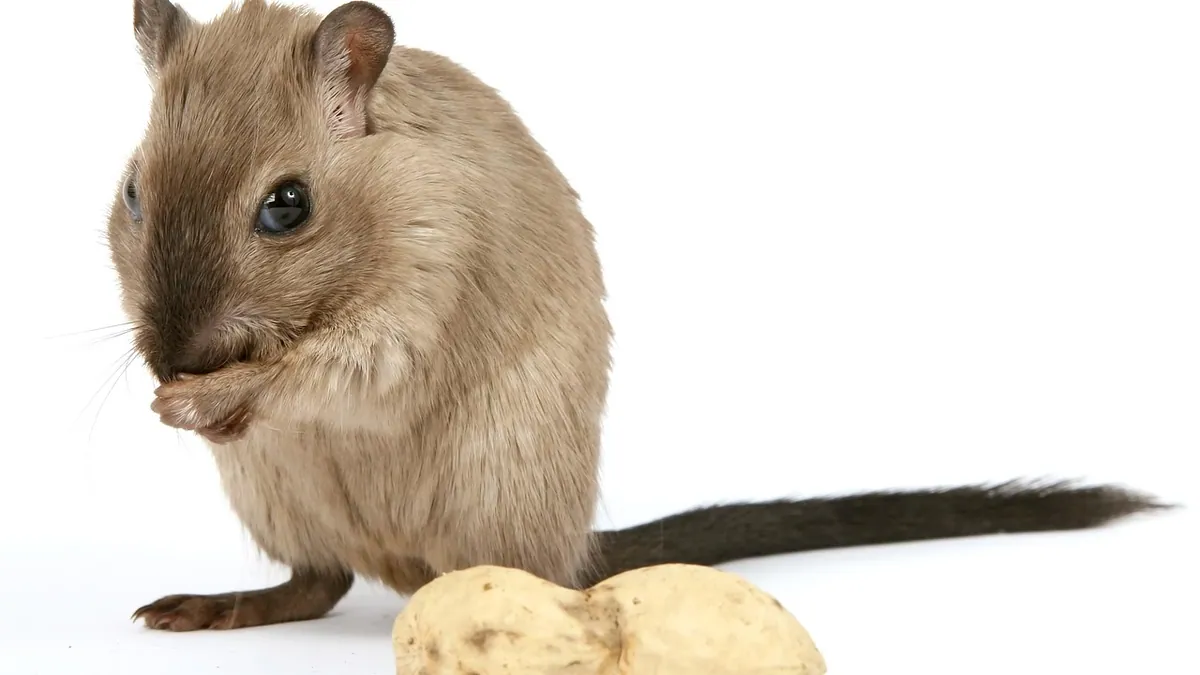
Yes, gerbils need a friend. Mongolian gerbils are highly social rodents that do best in the company of other gerbils, and a single gerbil housed alone often shows signs of stress and loneliness [1]. If you are deciding whether to keep one gerbil or a pair, the answer from both veterinary guidance and gerbil behavior research points strongly toward housing them together.
This article is educational and is not a substitute for veterinary diagnosis or treatment.
Quick Answer
- Gerbils are social by nature and do best with at least one compatible companion of the same sex [1].
- A single gerbil can become stressed, bored, and prone to behavior problems, so solitary housing is not ideal for this species.
- Same-sex pairs or small groups work best. Mixed pairs will breed, so keep males with males and females with females unless you are prepared for litters.
- Introductions must be done slowly and carefully, because adult gerbils can fight when a stranger is dropped into their space.
- If you already have one gerbil, you can usually add a companion with the right setup, patience, and monitoring.
Why Gerbils Are Social Animals
Gerbils are not solitary rodents like some hamsters. In the wild, Mongolian gerbils live in family groups and spend most of their time in burrows they dig together [2]. They groom each other, sleep in piles, and communicate constantly through scent, body language, and a wide range of vocalizations [3].
That social wiring shows up early. Young gerbils begin interacting with siblings from the first day they leave the nest, and they prefer those interactions over time with their parents [4]. In other words, companionship is not a luxury for gerbils. It is part of how they are built.
Veterinary references are direct about this. Gerbils are described as very social creatures that do best in the company of other gerbils [1]. That single line answers the core question for most owners.
Does my gerbil need a friend if it seems happy alone?
A gerbil that lives alone may look calm, eat well, and let you handle it. That does not mean it is thriving. Gerbils are prey animals, so they often hide stress instead of show it loudly. A solitary gerbil may sleep more, chew more, or become more reactive to handling over time.
Some gerbils also form strong pair bonds. When a bonded partner is removed, the separation has measurable effects on brain chemistry related to social bonding [5]. That research supports what many owners notice: gerbils grieve and struggle when a companion disappears.
What about single gerbil setups?
Sometimes a single gerbil is unavoidable. A gerbil may be aggressive toward every potential cagemate, or you may have adopted an older gerbil with a history of fighting. In those cases, a solo gerbil needs much more daily interaction from you, plus a rich environment with tunnels, chew toys, and a large cage.
Even then, human company is not a full substitute for another gerbil. You cannot groom your gerbil, sleep beside it, or communicate the way another gerbil can.
Gerbil Social Structure and Companionship Basics
Gerbils do best in same-sex pairs or small groups. Two females or two males usually work well if they are introduced properly. Groups of three or more can work, but the more gerbils you add, the more space and resources you need.
Wild Mongolian gerbils live in burrow systems that can run 2 to 3 feet long, and they spend most of their time underground [2]. A pet cage should mimic that need for digging and hiding. Companionship and a good burrowing setup go together, because gerbils that cannot dig and hide are more likely to squabble.
If you are comparing species, social needs vary a lot. Hamsters are generally solitary, while guinea pigs are strongly social and need pair housing. You can read more in Do Hamsters Need a Companion? and Guinea Pig Social Needs: Pair Housing, Introductions, and Signs of Conflict.
Same-sex pairs versus breeding pairs
A male and female gerbil will breed, often repeatedly. Gerbil pregnancies are short, and back-to-back litters drain the female's health. Unless you are an experienced breeder working with a veterinarian, keep same-sex pairs.
Two unrelated adult males can sometimes be harder to bond than two females or two young gerbils. If you are starting fresh, littermates or young same-sex pairs are the easiest path.
Do gerbils get lonely?
Yes. A gerbil without a companion can show signs of loneliness and stress, including pacing, over-grooming, reduced activity, and increased aggression toward hands. Because gerbils are social, isolation removes a basic part of their daily life [1].
Medical Causes to Rule Out Before Assuming It Is Behavioral
If your gerbil suddenly seems distressed, aggressive, or withdrawn, do not assume the problem is social. Pain and illness can look like behavior problems in small rodents.
Common medical issues that can change behavior include dental problems, injuries, respiratory disease, and skin conditions from mites or barbering. A gerbil that is hunched, breathing hard, drooling, or losing weight needs a veterinary exam, not a new cagemate.
Handling also matters. Gerbils have delicate tails that injure easily, so never lift a gerbil by the tail. Scoop it up under the belly with both hands and hold it low, over the cage or your lap, until it is used to you [6]. A gerbil that is handled roughly may bite or struggle, and owners sometimes mistake that for a social problem.
Because gerbils are small and cannot tolerate rough handling, they are not good pets for very young children [6]. If a child in the home is handling the gerbil, supervise closely.
When Gerbil Companionship Becomes a Problem
Companionship is normal and healthy, but conflict between cagemates is a real risk. Gerbils establish hierarchy, and some pairs simply do not get along.
Watch for these signs of trouble:
- Chasing that does not stop, especially with one gerbil cornered
- Biting that draws blood or leaves wounds
- One gerbil losing weight because it cannot access food
- One gerbil hiding constantly while the other patrols
- Loud, repeated squeaking during interactions
Mild chasing and wrestling can be normal during introductions. Blood, wounds, or a gerbil that cannot eat or rest are not normal.
Personality plays a role too. Research on Mongolian gerbils shows that bolder gerbils compete more aggressively for food, while shy gerbils avoid competition when they can [7]. In a small cage with limited resources, that difference can turn into bullying. More space and more feeding stations reduce the pressure.
How to Introduce a Companion Safely
Introductions take time. Rushing them is the most common reason bonding fails.
Step 1: Set up the right environment
Use a large cage with a solid bottom, deep bedding for digging, multiple hide boxes, and at least two water bottles and food dishes. Gerbils need room to avoid each other during the early days.
Step 2: Use a neutral space
Never drop a new gerbil into the resident gerbil's cage. That cage smells like the resident's territory, which triggers defense. Clean the cage thoroughly, replace bedding, and rearrange everything so neither gerbil has a home advantage.
Step 3: Start with scent and barrier contact
Let the gerbils smell each other through a mesh divider or a split cage for several days. Watch for calm curiosity. Hissing, repeated lunging, or constant attempts to attack through the barrier mean you should slow down.
Step 4: Supervise short meetings
Put both gerbils in a clean, neutral tub or playpen with no hides to guard. Keep sessions short at first, then lengthen them as things stay calm. Have a thick towel or small dustpan ready to separate them without using your bare hands.
Step 5: Move in together when things are calm
When the gerbils groom each other, sleep near each other, and ignore each other peacefully, move them into the cleaned main cage together. Keep watching closely for the first week.
Step 6: Enrich the cage
Add tunnels, cardboard tubes, chew blocks, and a sand bath. Gerbils that are busy digging and chewing have less time to squabble. A good setup also supports normal burrowing behavior, which wild gerbils rely on [2].
For general housing and care details, see the Gerbil Care Guide.
What Not to Do
Do not punish a gerbil for fighting, nipping, or hiding. Punishment does not teach a rodent anything useful. It increases fear and makes handling harder.
Do not assume a solo gerbil is fine because it is not crying or visibly sad. Gerbils hide distress well.
Do not introduce a new gerbil by simply placing it in the cage. That is how serious fights start.
Do not lift a gerbil by the tail, and do not squeeze it. Use both hands and scoop from underneath [6].
Do not house a male and female together unless you want babies.
Do not assume that two gerbils of the same sex will always bond. Some individuals never accept each other, and forcing it risks injury.
When to Involve a Veterinarian or Behavior Professional
Call a veterinarian if a gerbil has wounds from a fight, is not eating, is losing weight, or is breathing abnormally. Bite wounds in small rodents can abscess quickly.
If introductions repeatedly fail despite slow, careful attempts, ask your veterinarian for a referral to a professional experienced with small mammal behavior. In some cases, the kindest option is to keep the gerbils in separate cages side by side so they can still see and smell each other without risk of injury.
Limitations and When to Contact a Veterinarian
This article gives general guidance, but every gerbil is an individual. A veterinarian who examines your pet can assess its health, temperament, and housing situation directly.
Contact a veterinarian the same day if your gerbil has a bite wound, is limping, is drooling, has labored breathing, or has stopped eating.
Seek emergency care right away if your gerbil is bleeding heavily, is collapsed or unresponsive, is having seizures, or has a tail injury with exposed bone.
Schedule a routine visit if your gerbil is losing weight, scratching constantly, has patchy fur, or shows a sudden change in behavior or appetite.
Frequently Asked Questions
Can a gerbil live alone?
A gerbil can survive alone, but it will not thrive the way a paired gerbil does. Gerbils are social rodents that do best with another gerbil, and solitary housing removes normal grooming, sleeping, and communication behaviors. If you must keep one gerbil, plan for daily handling and a large, enriched cage.
Is it better to get two male or two female gerbils?
Either can work. Two females or two males from the same litter, introduced young, usually bond most easily. Two unrelated adult males may be more likely to fight, so slow introductions and a large cage matter even more.
Will my gerbil be lonely if its cagemate dies?
Yes, gerbils can grieve. A gerbil that loses a bonded partner may eat less, sleep more, and seem withdrawn. Give it extra attention, keep its routine stable, and talk to your veterinarian about whether and when to introduce a new companion.
How long does it take to introduce two gerbils?
It varies. Some pairs settle in a few days, while others need weeks of barrier contact and short supervised meetings. Move at the pace of the calmer gerbil, and never rush the final move into the main cage.
Can I keep a gerbil with a hamster or another rodent?
No. Different species have different social rules, and mixing them risks injury and stress. Keep gerbils with gerbils, and if you also keep rats, learn about their social needs in Understanding Pet Rat Behavior: Bonding and Socialization.
Related Articles
- Gerbil Care Guide
- Do Gerbils Fight or Eat Each Other? Social Behavior Explained
- Do Gerbils Recognize Their Owners? Bonding Facts
- Do Gerbils Get Along With Hamsters, Rats, or Mice?
References
- Introduction to Gerbils - All Other Pets. Merck Veterinary Manual.
- Gerbils - Exotic and Laboratory Animals. Merck Veterinary Manual.
- Unsupervised discovery of family specific vocal usage in the Mongolian gerbil. eLife, 2024.
- Continuous monitoring and machine vision reveals that developing gerbils exhibit structured social behaviors prior to the emergence of autonomy. PLoS biology, 2025.
- Hypothalamic vasopressin neural densities are higher in male Mongolian gerbils after separation from a pair bond partner and may facilitate behavior to form a new bond. Behavioural brain research, 2024.
- Special Considerations for Gerbils - All Other Pets. Merck Veterinary Manual.
- Foraging Under Competition in Mongolian Gerbils: The Influence of Personality and Its Physiological Basis. Integrative zoology, 2026.