Why Are My Gerbils Fighting? Normal or Serious?
By Dr. Zubair Khalid, DVM, MS, PhD ·
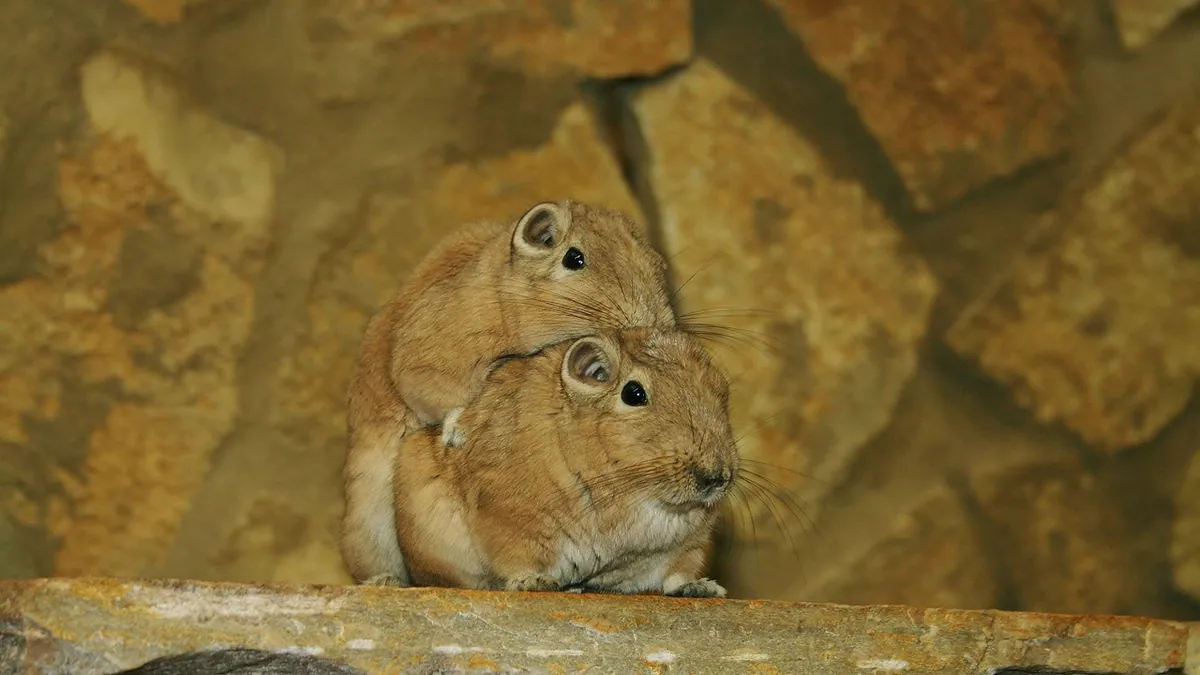
Gerbils often wrestle, chase, and squeak as part of normal social life, and most of what looks like fighting is harmless dominance play. Real fighting is different: it involves biting that draws blood, persistent chasing, and one gerbil who cannot eat or rest. This article explains why do my gerbils fight, how to tell the two apart, and what to do next.
This article is educational and is not a substitute for veterinary diagnosis or treatment.
Quick Answer
- Brief scuffles, wrestling, and chasing with pauses are usually normal dominance behavior, especially in newly paired gerbils.
- Separate your gerbils right away if you see blood, a bite wound, or one gerbil pinned and unable to escape.
- Female gerbils can be more aggressive than males, and aggression often peaks when a female is in breeding condition [1][2].
- Never punish a gerbil for fighting, and never use a water bottle or loud noise to break up a scuffle.
- If fighting continues after separation and a slow reintroduction, talk to a veterinarian about rebonding or rehoming.
Why Do My Gerbils Fight? Normal Reasons First
Gerbils are social rodents, but social does not mean peaceful all the time. In the wild, Mongolian gerbils live in burrow systems and use scent marking, chasing, and wrestling to sort out who gets what [3]. When two gerbils live in a cage, they do the same thing in a much smaller space.
Establishing a Social Hierarchy
Gerbils form a pecking order. One gerbil becomes dominant, and the other becomes subordinate. The dominant gerbil may scent mark more, mount the other gerbil, chase it briefly, or wrestle it to the ground [4]. The subordinate gerbil usually submits by squeaking, rolling over, or running away. Once the order is settled, the cage tends to calm down.
This is the most common reason owners see what looks like fighting. It is not a sign that your gerbils hate each other. It is a sign that they are figuring out their relationship.
Do Gerbils Play Fight?
Yes, gerbils do something close to play fighting. They box with their front paws, tumble, and chase each other in short bursts. The key features of play or dominance wrestling are:
- Both gerbils stay involved and can break away.
- There are pauses between bouts.
- No blood, no wounds, no torn fur.
- Both gerbils eat, drink, sleep, and groom normally.
- The loser can retreat to a hide or a corner without being followed.
If you see those five things, you are probably watching normal behavior. You do not need to separate them.
Do Female Gerbils Fight More Than Males?
Often, yes. In one study, female gerbils that had given birth multiple times showed the most aggressive responses of any group tested [1]. Another study found that even females who had never bred quickly established a winner and loser relationship, with winners showing more aggression and scent marking [2]. Females also tend to keep more separate home ranges in the wild, especially during breeding season [5].
That does not mean every female pair will fight. It does mean that if you have two females and the squabbling is intense, you are not imagining it. Female gerbils can be harder to house together than males.
Why Did My Gerbils Fight After Getting Along for Months?
A sudden fight in a previously peaceful pair usually has a trigger. Common ones include:
- A new cage, a new room, or a cage move that wipes out familiar scent trails.
- A new gerbil added to the group.
- Illness or pain in one gerbil, which changes how it smells and behaves.
- A female coming into breeding condition.
- A cage that is too small, too bare, or has only one food bowl and one water bottle.
Gerbils rely heavily on smell to recognize each other [4]. If one gerbil comes back from the vet smelling different, or if you rearrange the cage, the other gerbil may treat it like a stranger.
Medical Causes to Rule Out
Sometimes what looks like a behavior problem is a health problem. Pain, illness, and hormonal changes can all make a gerbil irritable or defensive.
Watch for these signs in either gerbil:
- Weight loss, a hunched posture, or a rough coat.
- Drooling, pawing at the mouth, or trouble eating (dental problems are common in rodents).
- A swollen belly, a lump, or a wound you did not notice before.
- Discharge from the eyes or nose, or noisy breathing.
- A gerbil that suddenly becomes aggressive after months of calm.
Any of these warrant a veterinary visit. A gerbil in pain may snap at a cagemate that gets too close, and treating the underlying problem can settle the pair back down. The same principle applies in other species, where sudden aggression often has a medical trigger, as described in this article on why a dog might suddenly become aggressive.
Also check the cage itself. A gerbil that cannot get away from a cagemate because the cage is tiny or has no hides will fight more. That is an environment problem, not a medical one, but it looks the same from the outside.
When Gerbil Fighting Becomes a Problem
Normal dominance behavior and dangerous fighting look different once you know what to watch for.
Signs of Normal, Tolerable Behavior
- Short chases that end quickly.
- Wrestling with pauses.
- Squeaking from the subordinate gerbil, followed by submission.
- Both gerbils sleeping in the same nest or near each other.
- Both gerbils eating and drinking.
Signs of Serious Fighting
- Bites that break the skin, bleed, or leave wounds on the face, rump, or tail base.
- One gerbil pinned on its back and unable to get up.
- Constant chasing with no rest, especially at night.
- One gerbil hiding all the time, losing weight, or not eating.
- Fur pulled out in patches, or a bald, scabby area.
- A gerbil that screams instead of squeaks.
- Fighting that continues after you separate them and reintroduce slowly.
Low-frequency vocalizations in gerbils are linked to agonistic encounters, while high-frequency calls are mostly linked to non-agonistic interactions [1]. In plain terms, a low, rattling or grinding sound during a scuffle is more concerning than a sharp squeak.
If you see any sign of serious fighting, separate the gerbils immediately. Do not wait to see if it settles.
What to Do Step by Step
Step 1: Separate Safely
Use both hands and scoop the gerbil up under its belly. Never lift a gerbil by its tail, because the tail is delicate and easily injured [6]. Hold the gerbil low, over the cage or your lap, so a fall cannot hurt it [6].
Move one gerbil to a separate cage with its own food, water, hide, and bedding. Keep the cages in the same room if possible so they can still smell and hear each other.
Step 2: Check for Injuries
Look over both gerbils for bites, scratches, and swelling. Clean minor wounds as directed by your veterinarian. Any wound that is deep, bleeding, or looks infected needs same-day veterinary care.
Step 3: Give Both Gerbils Time to Settle
A few days apart often lowers tension. During this time, swap some bedding between cages so each gerbil gets used to the other's scent again.
Step 4: Try a Slow Reintroduction
If both gerbils are healthy and calm, try a neutral-space introduction. Use a clean, empty tub or a small area with no hides and no food. Put both gerbils in at the same time and watch closely.
- Short meetings at first, five to ten minutes.
- End on a calm note, not on a fight.
- Repeat daily, gradually lengthening the sessions.
- Move them to a freshly cleaned cage only after several calm meetings.
If a fight breaks out during any session, stop and separate. Repeated failed introductions are a sign that this pair may not work.
Step 5: Improve the Environment
A better cage setup prevents a lot of conflict.
- Get the largest cage you can afford. More floor space means more room to avoid each other.
- Provide at least two of everything: two food bowls, two water bottles, two wheels, two hides.
- Add tunnels, cardboard tubes, and deep bedding for burrowing. Gerbils spend most of their time in burrows in the wild [3].
- Scatter food instead of using one bowl so no gerbil guards it.
- Clean the cage in sections instead of all at once, so familiar scent stays behind.
Step 6: Consider Rebonding or Rehoming
Some pairs simply cannot live together. If repeated slow introductions fail, or if either gerbil has been injured, permanent separation is the kind choice. A single gerbil can live alone, but it needs more attention from you. If you cannot provide that, rehoming one gerbil to a home where it can live singly or with a compatible mate may be best.
Gerbils are not recommended as pets for very young children because of their small size and sensitivity to rough handling [6]. If children are involved in the household, supervise all handling.
What Not to Do
- Do not punish a gerbil for fighting. Punishment does not teach social skills and can make a gerbil fearful of your hands.
- Do not spray water, shout, or shake the cage to break up a scuffle. This adds stress and can cause injuries.
- Do not pick a gerbil up by the tail to separate a fight [6].
- Do not assume a little blood means they will work it out. Bite wounds can abscess, and the losing gerbil may be too stressed to eat.
- Do not put a new gerbil straight into the cage with an established one. Always use a slow, supervised introduction.
- Do not assume two males will always get along or two females never will. Individual personality matters more than sex alone.
If you are dealing with aggression in another pet and want to understand how medical problems can drive behavior changes, this article on sudden aggression in dogs covers similar ground.
When to Involve a Veterinarian or Behavior Professional
Call your veterinarian if:
- Either gerbil has a bite wound, swelling, or bleeding.
- One gerbil is losing weight, not eating, or hiding constantly.
- You see discharge, labored breathing, or a change in droppings.
- A previously calm gerbil becomes aggressive out of nowhere.
- You are unsure whether the behavior you are seeing is normal.
Your veterinarian can check for pain, dental disease, and other medical causes. If the gerbils are healthy, your vet can help you decide between another reintroduction attempt, permanent separation, or rehoming. In some cases, a certified behavior professional who works with small mammals can guide a structured reintroduction.
Limitations and When to Contact a Veterinarian
This article covers common patterns, but every pair of gerbils is different. Individual cases need a veterinarian who can examine your gerbils and see the cage setup.
Contact a veterinarian the same day if:
- A bite wound is bleeding or gaping.
- One gerbil is not eating or is sitting hunched and puffed up.
- You see swelling, pus, or a bad smell at a wound site.
Seek emergency care now if:
- A gerbil has a deep wound, heavy bleeding, or a tail injury.
- A gerbil is limp, cold, or unresponsive.
- A gerbil is struggling to breathe.
Schedule a routine visit if:
- Fighting has stopped but one gerbil is losing weight or acting withdrawn.
- You want help planning a reintroduction.
- You need advice on whether to keep the pair together.
Frequently Asked Questions
How do I know if my gerbils are playing or really fighting?
Real fighting involves bites that break the skin, relentless chasing, and one gerbil that cannot escape or rest. Play and dominance wrestling include pauses, both gerbils staying engaged, and no injuries. If you see blood or a gerbil pinned and unable to get up, treat it as serious.
Should I separate my gerbils after one fight?
Separate them if there is any blood, a wound, or a gerbil that cannot get away. For a brief scuffle with no injuries, watch closely and improve the cage setup first. If it happens again, separate them and plan a slow reintroduction.
Can two male gerbils live together peacefully?
Yes, many male pairs live together well, especially brothers or males introduced before maturity. Males housed together before sexual maturity form a social rank that usually stays stable into adulthood [4]. That said, any pair can have a falling out, so watch for the warning signs.
Will my gerbils stop fighting on their own?
Minor dominance scuffles usually settle within days to a couple of weeks as the hierarchy forms. Serious fighting does not resolve on its own and tends to get worse. If you see wounds, constant chasing, or a gerbil that stops eating, step in right away.
Is it cruel to keep a gerbil alone?
A single gerbil can live a good life if you provide daily handling, enrichment, and out-of-cage time. Gerbils are social, so a lone gerbil needs more attention from you than a pair does. If you cannot provide that, consider rehoming it to a home where it can live with a compatible cagemate.
Related Articles
- Do Gerbils Fight or Eat Each Other? Social Behavior Explained
- Why Is My Gerbil Biting Me? Biting vs Nibbling Explained
- Do Gerbils Bite? Why It Happens and How to Stop It
References
- Vocalization during agonistic encounter in Mongolian gerbils: Impact of sexual experience. PloS one, 2022.
- Agonistic behaviors and neuronal activation in sexually naïve female Mongolian gerbils. Behavioural brain research, 2020.
- Gerbils - Exotic and Laboratory Animals. Merck Veterinary Manual.
- Scent-marking and sexual activity may reflect social hierarchy among group-living male Mongolian gerbils (Meriones unguiculatus). Physiology & behavior, 2006.
- The spatial relationships and social structure of gerbils in the genus Meriones (Gerbillinae, Rodentia). Zhurnal obshchei biologii, 1997.
- Special Considerations for Gerbils - All Other Pets. Merck Veterinary Manual.