Do Guinea Pigs Have Cheek Pouches? What to Know
By Dr. Zubair Khalid, DVM, MS, PhD ·
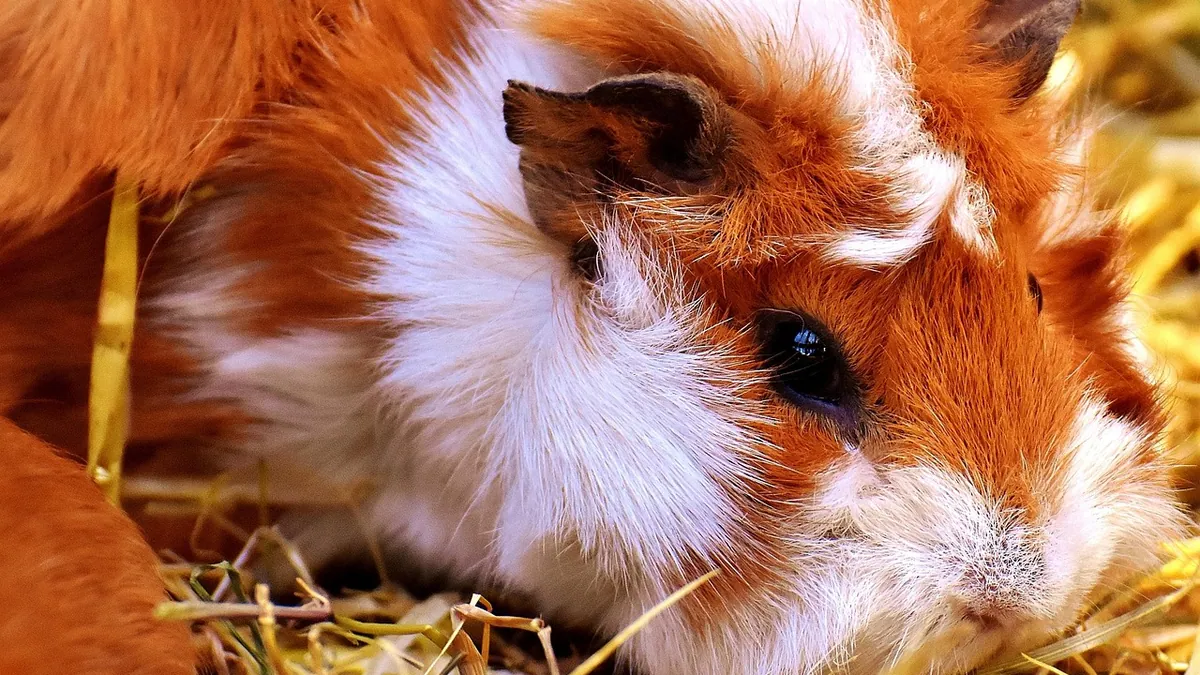
Do guinea pigs have cheek pouches? No. Guinea pigs do not have true cheek pouches like hamsters do. Their cheeks are part of a normal, compact rodent face, so any swelling or lump on the side of the face is a medical sign, not a storage pocket full of food.
This article is educational and is not a substitute for veterinary diagnosis or treatment.
Quick Answer
- Guinea pigs have no cheek pouches. Food travels straight through the mouth and into the digestive tract.
- Hamsters have true cheek pouches that stretch from the mouth back to the shoulders, and those pouches can hold food and bedding [1].
- A puffy or swollen guinea pig cheek is usually caused by a dental problem, an abscess, or a tumor, not stored food.
- Guinea pigs have 20 teeth, and the back premolars and molars are hard to see without special equipment [2].
- Any facial swelling in a guinea pig needs a veterinary exam, because the cause cannot be fixed at home.
Do Guinea Pigs Have Cheek Pouches? The Anatomy Explained
Guinea pigs, also called cavies, are hystricomorph rodents. That group is defined by a specific jaw and facial muscle structure, including a large opening in the skull that the masseter muscle passes through [3]. This anatomy supports heavy grinding of fibrous plants. It does not include a storage pouch.
Hamsters are different. A hamster's cheek pouch is a real anatomical structure, a thin-walled pocket that runs from the inside of the mouth back toward the shoulder area. Researchers have injected material into hamster cheek pouches and tracked how it spreads through the pouch tissue within hours [1]. That kind of experiment only makes sense because the pouch is a distinct, expandable space. Guinea pigs have nothing like it.
So when you look at your guinea pig's cheeks, you are seeing skin, muscle, fat, salivary glands, and the jawbone underneath. You are not seeing a pantry.
Guinea Pig Cheeks vs Hamster Cheek Pouches
| Feature | Guinea Pig | Hamster |
|---|---|---|
| True cheek pouches | No | Yes, from mouth toward the shoulders |
| Cheek teeth roots | Tooth body extends into the socket, roots hard to define [4] | Distinct roots, four on the first two cheek teeth and three on the last [4] |
| Incisor enamel | Significantly thicker than hamster incisors | Thinner enamel layer [4] |
| Common cause of cheek swelling | Dental disease, abscess, tumor | Food or bedding packed in the pouch |
| Home fix for swelling | None, see a vet | Pouch emptying may be needed in some cases |
If you keep both species, this table is the fastest way to remember the difference. A hamster with a full pouch may look lopsided for an hour or two and then look normal again. A guinea pig with a lopsided face does not have that option. For hamster pouch problems specifically, see this guide on cheek pouch impaction and manual emptying.
What a Swollen Guinea Pig Cheek Actually Means
A swollen cheek in a guinea pig is a symptom, and the list of possible causes is short but serious.
Dental disease
Guinea pig teeth grow continuously throughout life. Hay and other fibrous foods wear them down, which is why hay should be the main part of the diet [2]. When wear is uneven, sharp points and spurs can form. Those spurs can cut into the tongue or cheek, and infection can follow. The result is often swelling on the outside of the face, drooling, and dropping food. The back teeth sit far back in the mouth and are not easy to see, so owners often miss the early stage [2]. Our guide to overgrown dental spurs and tooth trimming walks through what to watch for.
Abscess
An abscess is a walled-off pocket of pus. In guinea pigs, abscesses around the jaw and tooth roots are common. The face can swell quickly over a day or two. Guinea pig pus is thick and does not drain well on its own, so these need veterinary treatment.
Tumor or mass
Lumps in the head and neck region can be tumors. Guinea pigs can develop tumors in many locations, including the gastrointestinal tract, and those tumors can behave aggressively [5]. Reconstructive surgery has been used successfully in guinea pigs to close large wounds and remove tumors on the lip, under the eye, the forehead, and the neck [6]. That tells you surgery is an option for some masses, but only a veterinarian can tell you which type of lump you are dealing with.
Jaw fracture or injury
Trauma can cause swelling and a crooked jaw. A mandibular fracture in a guinea pig has been treated conservatively with a chin sling to immobilize the jaw plus a feeding tube for nutrition, and the fracture healed with callus formation over about three weeks [7]. If your guinea pig fell, fought with a cage mate, or got its head stuck, a fracture is possible.
Lymph node swelling
Enlarged lymph nodes under the jaw can look like cheek swelling. This points to infection or inflammation somewhere in the head or mouth.
Step-by-Step: What to Do When You Notice a Swollen Cheek
- Look before you touch. Watch your guinea pig from a short distance. Note which side is swollen, whether the eye on that side looks normal, and whether the head is tilted.
- Check the mouth carefully. Gently lift the lips to see the front incisors. Look for uneven length, a broken tooth, or drooling. Do not force the mouth open to see the back teeth. You can hurt your pet and you still will not get a clear view.
- Offer favorite food. Hand a small piece of hay, a leaf of romaine, or a piece of bell pepper. A guinea pig with mouth pain often wants to eat but drops the food or chews on one side.
- Weigh your guinea pig. Use a kitchen scale in grams. Weight loss of even a small amount over a few days matters in a small pet.
- Check the cage for clues. Look for uneaten hay, dropped food, wet chin fur, or a messy bottom.
- Call your veterinarian. Describe the swelling, when you first saw it, and any changes in eating. Ask whether your guinea pig should be seen today.
- Keep feeding. If your guinea pig is still eating on its own, let it. If it has stopped, ask your vet about syringe feeding before the appointment. Do not wait for your pet to eat again on its own.
- Do not poke, squeeze, or drain anything. You can spread infection or cause bleeding.
Daily Health Checklist for Guinea Pig Cheeks and Mouth
| Check | What is normal | What is a warning sign |
|---|---|---|
| Face shape | Symmetrical on both sides | One side puffy, hard, or warm |
| Eyes | Clear, open, equal | Discharge, squinting, bulging on one side |
| Chin and chest fur | Dry | Wet, matted, or stained fur from drooling |
| Eating | Eats hay, pellets, and veggies | Drops food, chews on one side, refuses food |
| Weight | Stable on a weekly scale check | Any downward trend |
| Droppings | Normal size and number | Fewer, smaller, or misshapen droppings |
| Breathing | Quiet and easy | Noisy, open-mouth, or labored breathing |
Signs That Something Is Wrong
Call your veterinarian if you see any of these:
- Facial swelling that appeared suddenly or is growing
- Drooling or a wet chin
- Weight loss, even a small amount
- Dropping food or chewing on one side only
- Bad breath
- Eye discharge or a bulging eye on the swollen side
- Reduced droppings or no droppings
- Hiding more than usual or reacting when the face is touched
Guinea pigs are prey animals. They hide pain well, so by the time you notice a swollen cheek, the problem has often been present for a while. Early action gives your vet more options.
Common Mistakes Owners Make
Mistake 1: Assuming the cheek is full of food. This is the single most common error, and it comes from hamster experience. Guinea pigs do not store food in their cheeks. If the cheek is puffy, something is wrong.
Mistake 2: Waiting a few days to see if it goes down. Dental and abscess problems do not resolve on their own. They get worse, and the guinea pig stops eating.
Mistake 3: Trying to drain an abscess at home. You cannot sterilize the area or control the infection. You can also damage the jaw or the eye.
Mistake 4: Cutting back on hay because chewing seems painful. Hay is the main food for tooth wear and gut health [2]. Removing it makes dental disease worse. Instead, get the mouth treated and ask your vet how to keep fiber intake up.
Mistake 5: Skipping the scale. A guinea pig that looks fine but is losing weight is not fine. Weigh weekly and write it down.
Mistake 6: Assuming a lump is harmless because it does not seem to hurt. Tumors in guinea pigs can be aggressive and can spread [5]. Only a vet can tell the difference between a fatty lump and something serious.
Supplies and Setup That Matter for Cheek and Dental Health
The right setup lowers the odds of dental and facial problems.
- Unlimited grass hay. This is the foundation of the diet and the main tool for wearing teeth down [2].
- A kitchen scale that reads in grams. Weekly weights catch problems before they become visible.
- A shallow, heavy food bowl. Deep bowls make guinea pigs twist their necks to eat.
- Safe chew items. Untreated wood blocks and cardboard tubes give the front teeth something to work on. They do not replace hay for back tooth wear.
- A hideout that does not trap the head. Check openings for sharp edges or narrow gaps. A guinea pig that panics and shoves its head through a gap can injure the jaw.
- Soft bedding in a clean cage. Good cage setup reduces stress and keeps the mouth area clean. See our guides on cage accessories, liners, toys, and hideouts and essential enrichment and safety.
- A carrier ready to go. Keep a small carrier with a towel in it so a vet visit is quick and low stress.
If you are new to guinea pigs, start with our complete guinea pig care guide for the basics on housing, diet, and routine care.
Limitations and When to Contact a Veterinarian
No article can tell you what is causing your guinea pig's swollen cheek. Only an exam, and sometimes imaging or a sample of the swelling, can do that. Individual cases need a veterinarian.
Call now, same day:
- Sudden facial swelling
- Drooling or a wet chin
- Your guinea pig has stopped eating or is dropping food
- Weight loss
- Eye changes on the swollen side
Go to an emergency clinic now:
- Trouble breathing, open-mouth breathing, or noisy breathing
- The swelling is growing fast or the skin looks dark or broken
- Your guinea pig is collapsed, cold, or unresponsive
- Bleeding from the mouth or nose that will not stop
- No droppings for 12 hours or more, or a bloated, tight belly
Routine visit:
- A small lump you noticed that is not changing
- A slow change in chewing habits
- A weight trend you want checked
Guinea pigs with mouth pain can go downhill in a day or two. When in doubt, call. Your vet can tell you whether to come in now or watch at home.
Frequently Asked Questions
Do guinea pigs store food in their cheeks?
No. Guinea pigs have no cheek pouches, so food goes straight from the mouth into the digestive tract. If your guinea pig's cheek looks full, that is swelling, not stored food.
Why does my guinea pig's cheek look puffy?
The most common reasons are dental disease, an abscess, a tumor, or an injury to the jaw. All of these need a veterinary exam. Do not wait to see if it goes away.
Can I empty my guinea pig's cheek pouch at home?
No, because there is no pouch to empty. Pouch emptying is a hamster procedure, and even in hamsters it should be done carefully. A swollen guinea pig cheek needs a diagnosis, not squeezing.
Are guinea pig cheeks different from hamster cheeks?
Yes, and the difference is structural. Hamsters have true pouches that reach back toward the shoulders, while guinea pigs have ordinary cheek tissue with no storage pocket. Their teeth differ too, with guinea pig incisors having significantly thicker enamel than hamster incisors [4].
What should I feed a guinea pig with a sore cheek?
Offer soft, familiar foods and keep hay available, but let your veterinarian guide the plan. If your guinea pig has stopped eating, ask about syringe feeding right away. A guinea pig that does not eat can develop serious gut problems within hours.
Related Articles
- Guinea Pig Care: Overgrown Dental Spurs & Tooth Trimming Guide
- Guinea Pig Cage Accessories: Liners, Toys, and Hideouts
- Guinea Pig Cage Accessories: Essential Enrichment and Safety
- Complete Guinea Pig Care Guide
- What Guinea Pigs Can and Cannot Eat
- Do Guinea Pigs Have a Tail? Anatomy and What You See
- Do Guinea Pigs Have Belly Buttons? Small Pet Anatomy
- Do Guinea Pigs Have Hair or Fur? Coat Facts
References
- Experimental Staphylococcus infection in the hamster cheek pouch: the process of localization. The Journal of experimental medicine, 1954.
- Description and Physical Characteristics of Guinea Pigs - All Other Pets. Merck Veterinary Manual.
- Anatomy, Physiology, and Behavior of Guinea Pigs - Exotic and Laboratory Animals. Merck Veterinary Manual.
- Comparative dental morphology of hamsters and Guinea pigs through µ-CT scanning and stereology. Anatomical science international, 2025.
- A case of gastrointestinal stromal tumor with epithelioid-like morphology in a guinea pig (Cavia porcellus). The Journal of veterinary medical science, 2025.
- Use of skin flaps for reconstructive surgery in guinea pigs (Cavia porcellus). The Veterinary record, 2022.
- Use of chin sling for conservative treatment of mandibular fracture in a guinea pig (Cavia porcellus). Journal of the American Veterinary Medical Association, 2023.