Do Guinea Pigs Smell? Odor Control and Their Nose
By Dr. Zubair Khalid, DVM, MS, PhD ·
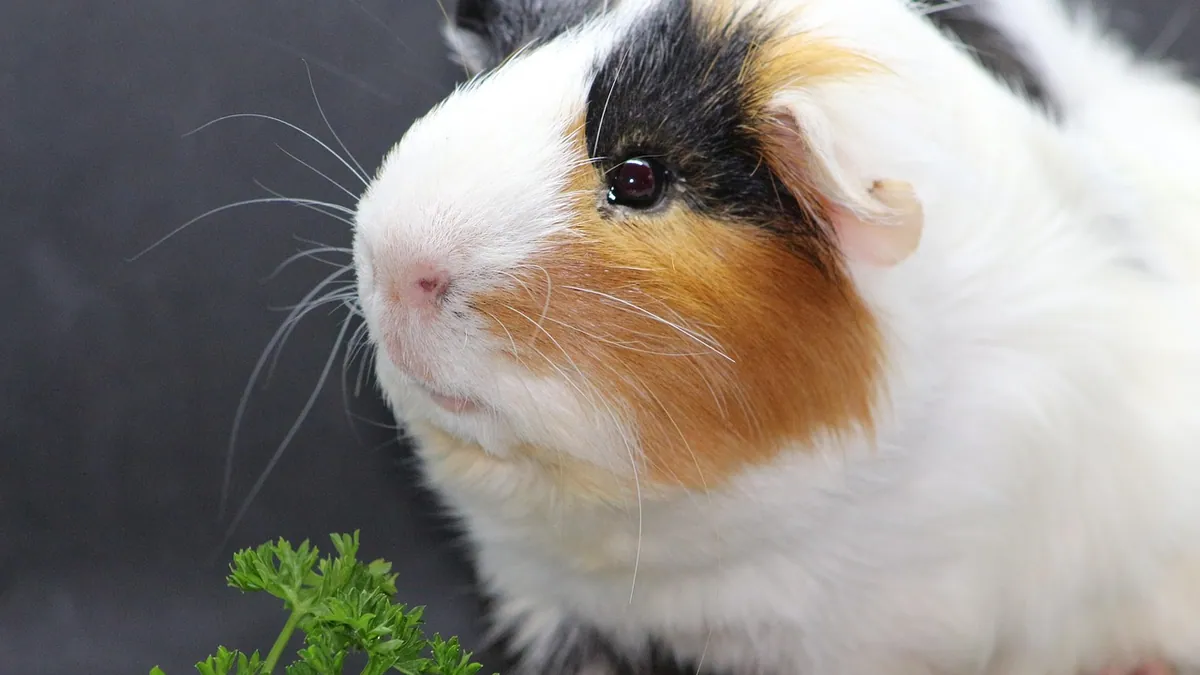
Guinea pigs themselves have very little natural body odor, so most of the smell people notice comes from soiled bedding, urine, and droppings in the cage. The answer to "do guinea pigs smell" depends on which smell you mean: the animal or the enclosure. This article is educational and is not a substitute for veterinary diagnosis or treatment.
Quick Answer
- A healthy guinea pig is not a smelly pet. The cage is usually the source of any odor you notice.
- Guinea pigs have a good sense of smell and rely on it to recognize other guinea pigs and their surroundings [1].
- Spot-clean wet bedding and droppings daily, and do a full bedding change at least once or twice a week.
- Use absorbent bedding, a large enclosure, and good airflow to keep odor down.
- A sudden new smell, especially with discharge, diarrhea, or trouble breathing, is a reason to call your veterinarian.
Do Guinea Pigs Have a Good Sense of Smell?
Yes. Guinea pigs are hystricomorph rodents native to the Andes region of South America, and their sense of smell is well developed [1]. They use scent to identify each other, check their environment, and find food. This matters for how you set up the cage. Strong perfumes, scented bedding, and harsh cleaning products can bother an animal that depends on its nose to feel secure.
Because smell is so central to guinea pig life, keep their space as close to neutral as you can. A cage that smells like pine cleaner or air freshener is not a healthy cage, even if it seems clean to you.
If you want to understand what your guinea pig is telling you with scent marking, sniffing, and other behaviors, see Guinea Pig Behavior: Understanding Sounds and Actions.
Why Your House Smells Like Guinea Pig (and How to Fix It)
Most guinea pig odor in a home comes from ammonia in urine and from droppings sitting in bedding. The fix is not a stronger air freshener. The fix is more absorbent bedding, more frequent cleaning, and better airflow.
Step-by-step odor control
- Spot-clean every day. Remove wet bedding, soiled hay, and droppings once a day. This single habit removes most of the smell before it builds.
- Do a full clean once or twice a week. Take out all bedding, wipe the enclosure with a pet-safe cleaner, and let it dry fully before adding fresh bedding.
- Use enough bedding. A thin layer soaks through fast. A deep layer of absorbent bedding pulls urine away from the surface.
- Keep hay dry. Wet hay grows mold and smells sour. Replace damp hay daily and use a hay rack so it stays off the floor.
- Improve airflow. Do not seal the cage in a closed cabinet or a stuffy corner. Good room ventilation keeps ammonia from concentrating.
- Clean water bottles and food bowls daily. Old food and biofilm add their own odor.
- Wash your hands and change soiled bedding promptly. Odor that clings to fabric and carpet is often the smell owners notice most.
How often to clean: a simple schedule
| Task | How often | Why it matters |
|---|---|---|
| Spot-clean wet spots and droppings | Daily | Removes ammonia at the source |
| Replace damp hay | Daily | Prevents mold and sour smell |
| Wash food bowls and water bottles | Daily | Stops biofilm and stale food odor |
| Full bedding change and wipe-down | 1 to 2 times per week | Resets the whole enclosure |
| Deep clean hideouts and toys | Weekly | Fabric and wood hold urine odor |
| Nail trim check | Every few weeks | Overgrown nails and foot spurs need routine trimming [1] |
Guinea pigs rarely need baths unless they are soiled, and when you do bathe one, use a shampoo made for small animals because human shampoos can dry the skin [2]. Overbathing strips natural oils and can make skin problems worse, so do not bathe as a routine odor fix.
How to Help Guinea Pig Smell: Setup Details That Matter
The enclosure design does more for odor control than any product.
Size and ventilation. A larger enclosure with an open top or mesh sides lets air move. Small, closed cages concentrate urine fumes.
Bedding choice. Absorbent paper or wood-based small animal bedding works well. Avoid scented beddings, because your guinea pig's nose is sensitive.
Litter habits. Guinea pigs often urinate in corners. Place extra bedding or a shallow litter pan in the corners they use most, then clean those spots daily.
Social housing. Guinea pigs are social animals. In a survey of 1,181 guinea pig caretakers, eating and resting next to other guinea pigs happened several times a day for most animals, and individual housing was uncommon [3]. A single guinea pig in a small cage tends to soil one area heavily, which concentrates odor.
Hay access. Constant access to hay supports normal digestion and dental health, and the survey found that most caretakers provided balanced nutrition with hay available [3]. Keep that hay fresh and dry.
For a full setup walkthrough, see the Complete Guinea Pig Care Guide.
When Odor Means Something Is Wrong
A change in smell can be the first sign of a health problem. Watch for these patterns.
- Strong, foul, or unusually sweet odor from the cage that returns within hours of cleaning
- Diarrhea or soft, smelly droppings
- Urine that looks bloody, cloudy, or smells sharply of ammonia
- Discharge from the nose or eyes
- Wheezing, clicking, or labored breathing
- Greasy, flaky, or bald patches on the skin
- A guinea pig that stops eating or hides more than usual
Respiratory disease is a common and serious problem in guinea pigs, and a bad smell plus breathing changes deserves prompt attention. Learn the signs in Guinea Pig Respiratory Infections: Causes, Signs, and Treatment.
Guinea pigs do not need vaccinations, but they should see a veterinarian experienced with guinea pigs at least once a year for a routine checkup [2]. That visit is a good time to raise any odor, skin, or urinary concerns.
Common Mistakes That Make the Smell Worse
Using air fresheners, candles, or scented sprays near the cage. These add chemicals to the air your guinea pig breathes and do not remove the source of the odor.
Cleaning less often because the cage "looks fine." Urine odor builds before bedding looks visibly dirty.
Using a thin layer of bedding to save money. It soaks through quickly and leaves urine on the cage floor.
Bathing the guinea pig to fix cage smell. The smell is in the bedding, not the animal. Bathing too often can dry the skin [2].
Keeping the cage too small. A cramped cage soils fast and holds odor.
Skipping nail care. Guinea pigs have claws that need trimming, and excess keratin can form spurs or horns on the forefeet that also need routine trimming [1]. Overgrown nails can trap debris and contribute to foot problems.
Ignoring a single guinea pig's social needs. Guinea pigs are social, and housing and enrichment affect their welfare and behavior [3]. A bored, stressed guinea pig may soil its space differently.
Supplies and Setup That Support Health
- Enclosure: large, well ventilated, with a solid floor
- Bedding: absorbent, unscented, deep enough to pull urine off the surface
- Hay rack: keeps hay dry and off the floor
- Hideouts: at least one per guinea pig, washable or replaceable
- Water bottle and food bowl: cleaned daily
- Small animal nail clippers and styptic powder: for routine nail trims, cutting about 1/8 inch (0.3 cm) beyond the quick, with styptic powder or a styptic pencil to stop bleeding if it occurs [2]
- Pet-safe cage cleaner: no heavy perfumes
If you keep other small pets, odor control principles are similar. For a comparison, see Why Does My Ferret Smell, and How to Reduce It.
Limitations and When to Contact a Veterinarian
This article covers general odor control and cannot tell you whether your specific guinea pig is healthy. Individual cases need a veterinarian who can examine your pet.
Contact a veterinarian the same day if you see:
- Diarrhea, especially with a foul smell
- Blood in the urine or straining to urinate
- Nasal or eye discharge with a bad odor
- Not eating, or eating much less than usual
- A new lump, wound, or skin infection
Seek emergency care now if you see:
- Labored breathing, open-mouth breathing, or blue gums
- Collapse, seizures, or severe weakness
- Heavy bleeding from a nail trim or injury
- No droppings for many hours with a hunched posture
Schedule a routine visit if:
- The cage smell returns within hours of cleaning despite good husbandry
- Your guinea pig has never had a checkup, or it has been more than a year [2]
- You notice gradual weight loss, dull coat, or reduced activity
Frequently Asked Questions
Do guinea pigs make your house smell?
They can if the cage is not cleaned often enough, but the animal itself is not the problem. Urine ammonia and soiled bedding are the main sources of household odor. Daily spot-cleaning and a full bedding change once or twice a week usually solve it.
Are male guinea pigs smellier than females?
Both sexes can produce noticeable cage odor, and individual animals vary more than sexes do. Intact males may scent-mark more, which can concentrate odor in specific spots. Good bedding and frequent cleaning manage this in either sex.
Can I use air fresheners to cover guinea pig smell?
No, and you should not. Air fresheners add chemicals to the air and do not remove the urine and droppings causing the smell. Fix the source with better bedding, daily spot-cleaning, and airflow instead.
How often should I bathe my guinea pig for odor?
Rarely, and only when the guinea pig is soiled. Guinea pigs rarely need baths, and human shampoos can dry their skin, so use a small animal shampoo when you do bathe one [2]. If your guinea pig smells bad even after cleaning, that is a reason to see a veterinarian, not to bathe more.
Does a smelly cage mean my guinea pig is sick?
Not always, because a dirty cage smells regardless of health. But a foul or unusually sweet odor that returns fast, especially with diarrhea, discharge, or breathing changes, can point to illness. Have a veterinarian examine your guinea pig if the smell is new or paired with other signs.
Related Articles
- Guinea Pig Behavior: Understanding Sounds and Actions
- Guinea Pig Respiratory Infections: Causes, Signs, and Treatment
- Husbandry and Welfare of Laboratory Guinea Pigs
- Complete Guinea Pig Care Guide
- Small Mammal Respiratory Physiology
- Guinea Pig Urine Problems: Smell, Blood, and Not Peeing
- Do Guinea Pigs Use a Litter Box? Potty Training Tips
- Why Does My Guinea Pig Keep Sneezing?
References
- Anatomy, Physiology, and Behavior of Guinea Pigs - Exotic and Laboratory Animals. Merck Veterinary Manual.
- Routine Care of Guinea Pigs - All Other Pets. Merck Veterinary Manual.
- Guinea Pig (Cavia porcellus) Welfare: Associations Between Husbandry Practices, Human-Animal Interactions, and Animal Behaviour. Animals : an open access journal from MDPI, 2025.