Why Is My Gerbil Not Eating? Causes and Next Steps
By Dr. Zubair Khalid, DVM, MS, PhD ·
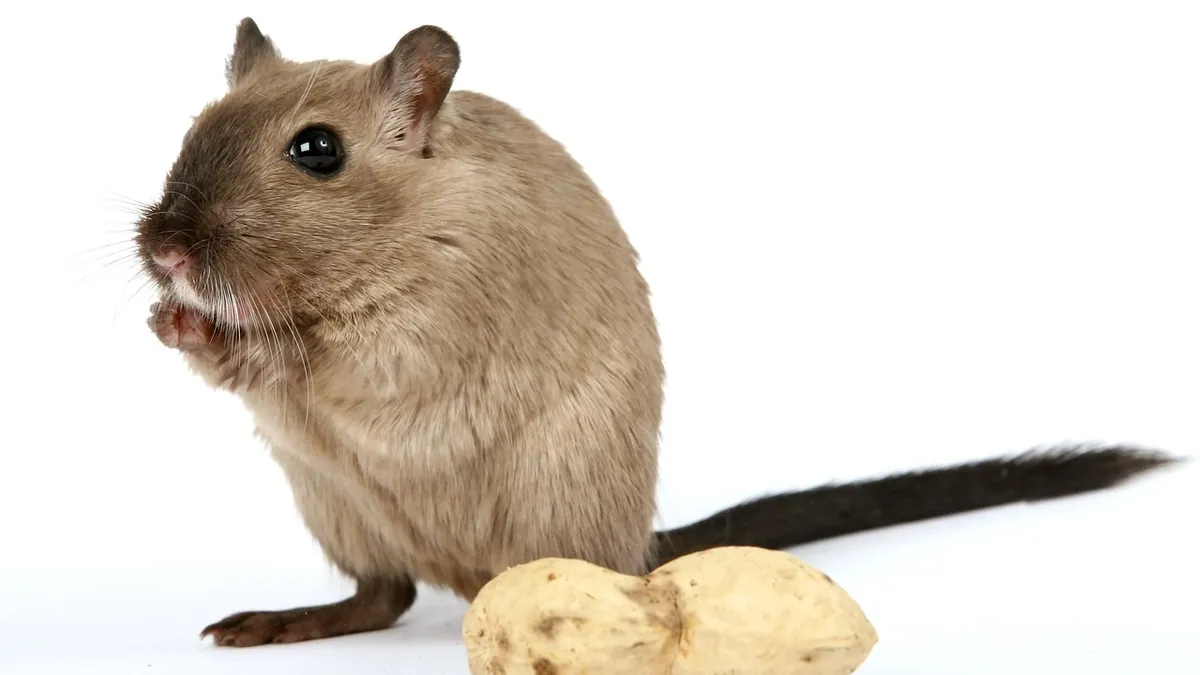
Gerbils that stop eating are usually telling you something is wrong, and the reason is often pain, infection, or stress. Because a gerbil's small body has very little stored energy, a day or two without food can turn into a serious decline. This article explains why is my gerbil not eating, what you can safely check at home, and when to call a veterinarian.
This article is educational and is not a substitute for veterinary diagnosis or treatment.
Quick Answer
- A gerbil that has not eaten for 24 hours needs attention, and one that has not eaten for 48 hours needs to be seen by a veterinarian.
- The most common serious cause is Tyzzer disease, a bacterial infection that produces loss of appetite, dehydration, and watery diarrhea [1].
- Check the front teeth for overgrowth or injury, and check for dehydration by looking at the eyes and skin.
- Separate a sick gerbil from its cagemates and wash your hands between handling each animal [1].
- Never lift a gerbil by the tail, and never give human medications or guess at a dose.
What "Not Eating" Looks Like and What Is Normal
Gerbils are small, active rodents that eat frequently in short bursts. A healthy gerbil nibbles throughout the day and night, and it usually empties its food bowl at a steady pace. Owners often notice a problem before the gerbil looks obviously sick, because the food stops disappearing.
The first sign is usually a change in the food bowl. You may also see scattered food, uneaten seeds, or a pile of food hidden in a corner. Some gerbils keep picking up food but drop it, which often points to a dental problem.
Weight loss follows quickly. A gerbil that has stopped eating may look thinner along the spine and hips, and its coat may become rough or greasy. A hunched posture and depression are common in sick gerbils [1]. These signs mean the animal has been unwell for longer than the food refusal alone suggests.
Normal gerbil behavior includes steady eating, steady drinking, bright eyes, a smooth coat, and normal droppings. If any of those change at the same time as the appetite, treat it as more serious.
Main Causes of Appetite Loss in Gerbils
Several conditions cause a gerbil to stop eating. Some are mild and temporary. Others are life threatening within days.
| Cause | Typical clues | How urgent |
|---|---|---|
| Tyzzer disease (Clostridium piliforme) | Depression, rough coat, hunched posture, watery diarrhea, dehydration | Emergency. This is the most common infectious disease in gerbils and spreads to cagemates [1] |
| Salmonella infection | Diarrhea, dehydration, weight loss, rough coat, bloated abdomen | Urgent. Treatment is not recommended once infected, and it can spread to humans [1] |
| Dental problems | Dropping food, drooling, weight loss, visible overgrown incisors | Urgent. A gerbil cannot eat if the teeth do not meet |
| Intestinal parasites | Gradual weight loss, poor appetite, dull coat | See a vet soon. In one study, gerbils infected with Trichostrongylus colubriformis showed inappetence and body weight loss [2] |
| Stress or environment change | New cage, new cagemate, loud room, recent handling | Monitor closely for 24 hours |
| Pain or injury | Limping, guarding, reluctance to move, tail injury | Urgent |
| Diet problems | Sudden food change, spoiled food, high-fat treats | Adjust and monitor |
Infectious disease
Tyzzer disease is caused by Clostridium piliforme bacteria and is the most common infectious disease in gerbils. Young or stressed gerbils are more likely to become infected. Signs include depression, rough haircoat, hunched posture, loss of appetite, dehydration, and watery diarrhea [1]. Because it is contagious, a sick gerbil should be separated from other gerbils, and the cage must be thoroughly cleaned and disinfected [1].
Salmonella is another concern. Gerbils can be infected with several strains, and signs include diarrhea, dehydration, weight loss, rough hair coat, a swollen abdomen, or fetal death in a pregnant female [1]. The bacteria spread when food or bedding is contaminated by insects or wild rodents. Once a gerbil is infected, treatment is not recommended, and the animal should be isolated while its environment is sanitized [1]. Salmonella can pass to humans even when the gerbil does not look sick [1].
Dental and oral problems
Gerbils have continuously growing incisors. If the teeth are misaligned, overgrown, or broken, the gerbil cannot grind food properly. It may drop food, drool, or lose weight while still appearing interested in eating. This is one of the most common reasons a gerbil seems hungry but will not eat.
Parasites and gut disease
Intestinal parasites can cause a slow decline. In a study of Mongolian gerbils infected with Trichostrongylus colubriformis, the animals showed inappetence and loss of body weight, along with a modest drop in albumin levels [2]. The appetite loss was part of a broader parasitic infection, not a standalone problem.
Giardia is another gut parasite that can affect gerbils. Research shows that obesity weakens the immune response to Giardia infection and increases the parasite load, which worsens intestinal inflammation and damage [3]. A gerbil carrying extra weight may therefore have a harder time fighting off a gut infection that reduces appetite.
Stress, environment, and diet
Gerbils are sensitive to change. A new cage, a new cagemate, a move to a different room, or frequent handling by strangers can all suppress appetite for a day or so. Time-restricted feeding studies in Mongolian gerbils show that when food access is limited to certain hours, the animals eat more overall during their allowed window, which means feeding schedules matter to them [4]. A sudden change in when or what you feed can throw off normal eating.
Diet quality also plays a role. A high-fat, high-carbohydrate diet increases body weight and causes structural changes in the adrenal glands of gerbils over 8 to 12 weeks [5]. Those changes reflect chronic stress on the body's hormone systems. Feeding a balanced diet and avoiding constant high-fat treats helps keep appetite and metabolism steady.
If your gerbil shares a tank with another pet, remember that appetite loss in one species does not mean the same cause applies to another. A dog that stops eating has a very different list of possibilities than a gerbil, and the same is true for a pet bird not eating or a crested gecko not eating.
Red Flags That Make It an Emergency
Some signs mean you should stop watching and start calling. Get emergency veterinary care right away if your gerbil has any of these:
- Watery diarrhea that lasts more than a few hours
- A hunched posture with a rough coat and no interest in food or water
- Sunken eyes or skin that stays tented when you gently pinch it (a sign of dehydration)
- Labored breathing, open-mouth breathing, or a clicking sound
- Blood in the droppings or around the tail
- A bloated or swollen abdomen
- Collapse, weakness, or a body that feels cold
- A visible injury, especially to the tail
Tyzzer disease can move quickly, and weak, dehydrated gerbils with persistent diarrhea that are not eating should be examined by a veterinarian [1]. Do not wait to see if things improve on their own.
Safe Things You Can Do at Home While Waiting
You cannot treat most of these causes at home, but you can keep your gerbil stable and comfortable until you reach a vet.
Check the teeth
Gently look at the front teeth. They should be short, straight, and aligned. If they look long, curved, broken, or uneven, do not try to trim them yourself. A veterinarian needs to do that with the right tools.
Check hydration
Look at the eyes. Sunken eyes suggest dehydration. Gently pinch a small fold of skin on the back and let go. If it stays up instead of snapping back, your gerbil is likely dehydrated. Offer a shallow dish of water in addition to the bottle, since a weak gerbil may not be able to use the bottle.
Keep the gerbil warm and quiet
Move the cage to a quiet, dim area away from other pets and loud noise. Provide extra bedding so the gerbil can nest. Do not handle it more than necessary.
Separate a sick gerbil
If you have more than one gerbil, separate the sick one. Tyzzer disease is contagious, and the infected gerbil's cage must be thoroughly cleaned and disinfected [1]. Handle sick gerbils after healthy ones, and wash your hands thoroughly between handling each gerbil [1].
Handle gently
Never lift a gerbil by its tail. Tails are delicate and easily injured. Scoop the gerbil up under its belly with both hands, and do not squeeze. Until it is used to being handled, hold it close to the ground or over its cage or your lap so a fall cannot hurt it [6].
Do not medicate on your own
Do not give human medications, leftover pet antibiotics, or any dose you find online. A veterinarian calculates the dose from your gerbil's weight and health. Guessing can kill a small rodent.
Offer tempting food
Offer small amounts of familiar food and a few safe favorites. Do not switch the whole diet suddenly, and do not push food if the gerbil is too weak to swallow. Syringe feeding is a medical decision, and a veterinarian may use it along with injectable fluids and oral antibiotics for a dehydrated gerbil that is not eating [1].
If your gerbil is a different species or you are also managing another pet's appetite, the approach differs. A dog not eating needs a different checklist than a gerbil, and a dog not pooping but eating normally points to a separate set of problems.
What the Veterinarian Will Check and Test
Your veterinarian will start with a full physical exam. They will weigh your gerbil, check its hydration, look at the teeth and mouth, feel the abdomen, and listen to the heart and lungs.
They will ask about the timeline. When did the gerbil last eat? Are there droppings, and what do they look like? Has there been diarrhea? Has anything changed in the cage, the diet, or the household?
Testing often includes a fecal exam to look for parasites and bacteria. A veterinarian may also run bloodwork if your gerbil is stable enough. In cases with persistent diarrhea and no eating, treatment may include injectable fluids under the skin, oral antibiotics, and syringe feeding [1].
If Tyzzer disease is suspected, expect advice about separating the gerbil and disinfecting the cage thoroughly [1]. If Salmonella is confirmed, treatment is not recommended, and the focus shifts to isolation and sanitizing the environment [1]. Your veterinarian will explain what that means for your other gerbils and for your household.
Prevention and Daily Monitoring
Most appetite problems in gerbils are easier to prevent than to treat. A few habits make a real difference.
- Weigh your gerbil regularly on a small kitchen scale. A steady weight is a good sign. A drop of even a few grams matters in a small animal.
- Check the food bowl every day. Know how much your gerbil normally eats so you notice a change fast.
- Inspect the front teeth once a week. Catch overgrowth early.
- Keep the cage clean and dry. Disinfect after any illness, since bacteria can spread through contaminated feces [1].
- Control pests. Salmonella spreads when food or bedding is contaminated by insects or wild rodents [1].
- Feed a balanced diet. Avoid a constant high-fat, high-carbohydrate diet, which causes weight gain and adrenal changes over 8 to 12 weeks [5].
- Keep a steady feeding routine. Gerbils respond to consistent feeding times [4].
- Quarantine new gerbils before introducing them to your existing ones.
- Handle gently and never by the tail [6].
Watch for subtle changes too. A gerbil that is eating less but still active may be in early trouble. A gerbil that is hiding more, sleeping in odd places, or sitting hunched is further along. Trust your observations. You know your gerbil's normal better than anyone.
Limitations and When to Contact a Veterinarian
This article cannot diagnose your gerbil. Individual cases need a veterinarian who can examine the animal, run tests, and prescribe treatment based on its weight and condition.
Contact a veterinarian the same day if your gerbil has not eaten for 24 hours, has soft or watery droppings, looks hunched or depressed, or has a rough coat. These signs overlap with serious infections like Tyzzer disease, which can worsen quickly [1].
Go to an emergency clinic now if your gerbil is collapsed, breathing hard, having seizures, feels cold, has bloody diarrhea, or has a swollen abdomen. Do not wait for an appointment.
Schedule a routine visit if your gerbil is eating less than usual but still active, or if you notice weight loss over a week or two. Dental problems and parasites often start slowly, and early treatment is much easier on the animal.
Frequently Asked Questions
How long can a gerbil go without eating?
A gerbil should not go more than 24 hours without eating. Their small body size means they have very little energy reserve, and dehydration can set in fast, especially with diarrhea. If your gerbil has refused food for a full day, call a veterinarian.
Can stress make my gerbil stop eating?
Yes. Changes like a new cage, a new cagemate, or a noisy room can suppress appetite for a short time. If the gerbil is otherwise bright and active, watch closely for a day. If it does not return to normal eating, have it checked.
How do I check if my gerbil is dehydrated?
Look at the eyes for sunken appearance, and gently pinch a small fold of skin on the back. If the skin stays tented instead of springing back, the gerbil is likely dehydrated. Dehydration is a reason to see a veterinarian promptly.
Should I force-feed my gerbil?
No. Do not force-feed at home. A weak gerbil can choke or inhale food, and syringe feeding is a medical procedure. A veterinarian may use syringe feeding along with fluids and antibiotics for a dehydrated gerbil that is not eating [1].
Can my other gerbils get sick from the one that stopped eating?
Yes, if the cause is infectious. Tyzzer disease is contagious, so a sick gerbil should be separated and the cage thoroughly cleaned and disinfected [1]. Salmonella can also spread between gerbils and to humans, so wash your hands and handle sick animals last [1].
Related Articles
References
- Disorders and Diseases of Gerbils - All Other Pets. Merck Veterinary Manual.
- Studies on the pathogenesis of Trichostrongylus colubriformis in Mongolian gerbils (Meriones unguiculatus). Journal of comparative pathology, 1987.
- Obesity exacerbates giardiasis: metabolic, intestinal, and immune response in high-fat diet-fed gerbils. Brazilian journal of medical and biological research = Revista brasileira de pesquisas medicas e biologicas, 2026.
- Time-restricted feeding modulates gene expression related with rhythm and inflammation in Mongolian gerbils. Comparative biochemistry and physiology. Toxicology & pharmacology : CBP, 2025.
- High-fat/high-carbohydrate-diet short- and middle-term effects on gerbil adrenal zona fasciculata histology. Tissue & cell, 2022.
- Special Considerations for Gerbils - All Other Pets. Merck Veterinary Manual.