Do Ferrets Carry Rabies? Vaccination and Risk Explained
By Dr. Zubair Khalid, DVM, MS, PhD ·
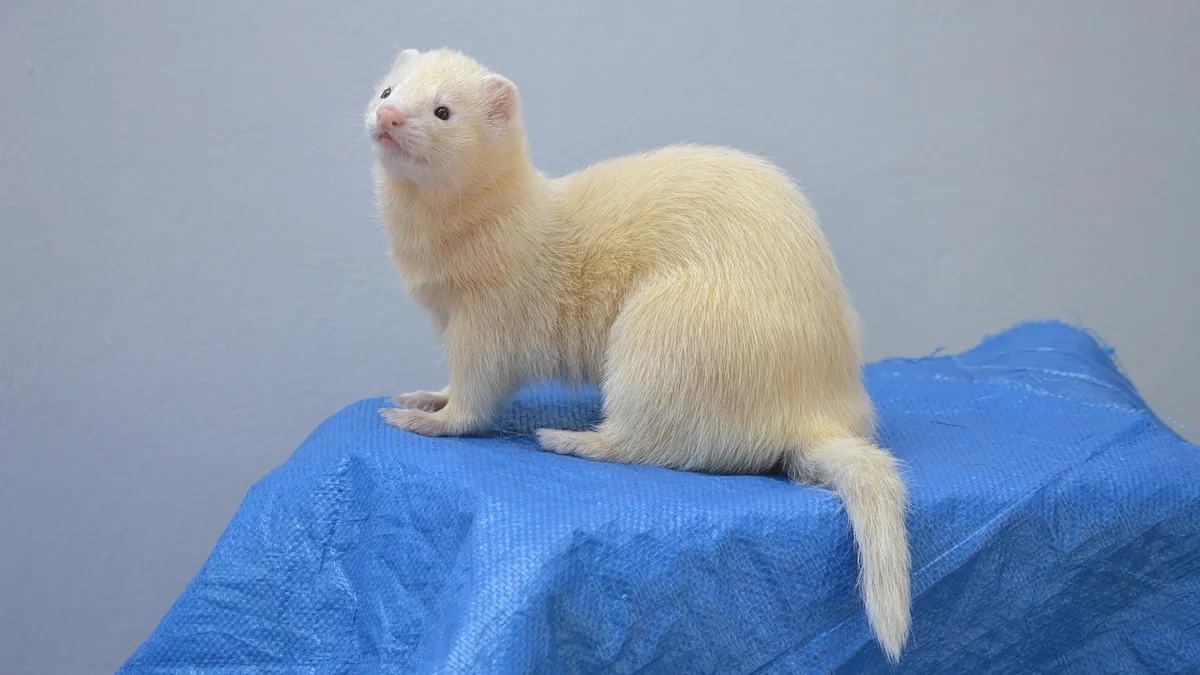
Do ferrets carry rabies? Ferrets are mammals, so they can become infected with rabies virus, but they are not a natural reservoir for the disease and documented cases in pet ferrets are rare. The bigger practical concern for owners is legal: an unvaccinated ferret that bites a person may face quarantine or euthanasia depending on state and local rules. This article is educational and is not a substitute for veterinary diagnosis or treatment.
Quick Answer
- Ferrets can get rabies, but they are not a wildlife reservoir. Dogs, bats, and wild carnivores are the principal reservoirs worldwide [1].
- A rabies vaccine is licensed for ferrets in the United States, and many states require proof of current vaccination for the bite quarantine rules to apply.
- A ferret bite does not automatically mean rabies exposure. The animal's vaccination status and the circumstances of the bite determine what happens next.
- Any ferret with sudden behavior change, weakness, or paralysis needs same-day veterinary care, because rabies is fatal once clinical signs appear [1].
- Keep your ferret's rabies certificate in a safe place. You may need it within hours of a bite incident.
What Rabies Is and Why Ferrets Are Different
Rabies is an acute, progressive encephalomyelitis (inflammation of the brain and spinal cord) caused by lyssaviruses [1]. It is a zoonosis, meaning it can pass from animals to people, and it occurs worldwide in mammals [1]. Typical signs include sudden behavioral changes and progressive paralysis, and the disease is fatal once clinical signs appear [1].
The word "carry" causes confusion. In public health terms, a reservoir species is an animal population that keeps a virus circulating in nature. For rabies, the principal reservoirs are dogs, bats, and wild carnivores [1]. Ferrets are not on that list. They can be infected if exposed to a rabid animal, but they do not maintain the virus in the environment the way raccoons, skunks, foxes, or bats do.
Rabies virus adapts to its reservoir host, and distinct variants are maintained within specific species. For example, the variant spread by dog-to-dog transmission is called the canine rabies virus variant [1]. This matters because a ferret is most likely to be exposed through contact with a rabid wild animal in its own region, not through other ferrets.
There is also a useful reminder from related species. In Taiwan, a yellow-throated marten, a carnivore in the same broad family as ferrets, was diagnosed as rabid, and the virus was closest to viruses found in ferret badgers in that area, indicating spillover from the primary local reservoir [2]. The lesson for owners is simple: the risk to your ferret comes from whatever rabid wildlife lives near you.
Do Ferrets Get Rabies? Signs Owners Notice
Rabies in any mammal moves through stages, and the early stage is easy to miss. A ferret that is normally playful may become withdrawn, restless, or unusually aggressive. Some animals become unusually affectionate or quiet first.
Later signs reflect damage to the nervous system. You may see:
- Weakness in the hind legs or a wobbly, unsteady walk
- Difficulty swallowing, drooling, or a changed voice
- Tremors, seizures, or progressive paralysis
- Sudden loss of house training or unusual vocalization
- Confusion, circling, or pressing the head against objects
These signs are not specific to rabies. Canine distemper virus causes fever, rash, appetite loss, thick eye and nose discharge, and respiratory signs in ferrets, and it is fatal [3]. Human influenza virus causes fever, lethargy, poor appetite, nasal discharge, and sneezing, and ferrets usually recover in 7 to 14 days with supportive care [3]. Because the early signs overlap, a veterinarian must sort out the cause.
Causes and Risk Factors
Rabies spreads through saliva, usually from a bite. The virus travels along nerves to the brain, which is why the incubation period can be long and variable. A scratch contaminated with saliva can also transmit the virus.
Risk factors for a pet ferret include:
- Outdoor access without supervision, including screened porches and yards
- Contact with wildlife such as raccoons, skunks, foxes, or bats
- Unvaccinated status
- Living in an area with active wildlife rabies
- A household member bringing in an injured wild animal
Ferrets are extremely susceptible to canine distemper virus, which spreads by direct or indirect contact and can travel through the air, on shoes, on clothes, and on skin [3]. That is a different virus, but the exposure pathways are similar. An indoor ferret is not automatically safe if wild animals can enter the home or if you handle wildlife and then handle your pet.
How Rabies Is Diagnosed
There is no reliable antemortem (before death) test for rabies in a living pet. Diagnosis is made after death by laboratory examination of brain tissue. That is why public health decisions after a bite are based on the animal's vaccination history, the circumstances of the bite, and observation or quarantine protocols.
Your veterinarian will first rule out other causes of neurologic signs. The history matters: vaccination status, possible wildlife exposure, and how quickly signs appeared. If rabies is suspected, your veterinarian will contact public health authorities, because human exposure may have occurred.
If your ferret bites someone, the person should wash the wound thoroughly with soap and water and seek medical care right away. Timely local wound care, immune globulin, and vaccination can prevent disease in unvaccinated humans after exposure [1]. Do not wait to see whether the person develops symptoms.
Treatment Options
There is no treatment for rabies once clinical signs appear, and the disease is fatal [1]. Care for a suspected rabid animal is focused on preventing human exposure and following public health rules.
For people, post-exposure prevention works. Appropriate and timely local wound care, immune globulin, and vaccination can prevent disease in unvaccinated humans after exposure [1]. This is a medical emergency for the exposed person, not a wait-and-see situation.
For ferrets, the practical "treatment" is prevention. A licensed rabies vaccine given by a veterinarian, on the schedule your veterinarian recommends, is the core of protection. Your veterinarian will calculate the dose from your pet's weight and health, and the vaccine must be given by a licensed veterinarian for the certificate to be valid in most jurisdictions.
If your ferret has a wound from a fight with a wild animal, do not try to manage it at home. Call your veterinarian and your local animal control or health department for guidance the same day.
Recovery, Outlook, and Long-Term Management
Rabies has no recovery. Once clinical signs appear, the disease is fatal [1]. This is why the entire strategy is built around prevention and rapid response to bites.
For a healthy vaccinated ferret, the outlook is good. Rabies vaccination is safe and effective when given according to your veterinarian's protocol. You should keep the certificate current, because quarantine decisions after a bite often hinge on whether the vaccine was up to date.
Long-term management is mostly paperwork and prevention:
| Task | Why It Matters |
|---|---|
| Keep rabies vaccination current | Supports bite quarantine rules and protects your pet |
| Store the signed certificate | You may need it within hours of a bite |
| Limit unsupervised outdoor access | Reduces contact with rabid wildlife |
| Never handle wild animals barehanded | Prevents bringing virus home on skin or clothing |
| Report bites to your veterinarian and public health | Starts the correct protocol quickly |
For a broader preventive schedule, see Vaccination Guidelines for Ferrets and Ferret Preventive Care: Wellness Exams, Vaccinations, and Diet.
Prevention
Vaccinate on Schedule
Rabies vaccines are available for domestic animals to prevent rabies and help control transmission [1]. A rabies vaccine is licensed for ferrets in the United States, and your veterinarian will set the timing based on your ferret's age and health. Do not assume a distemper vaccine covers rabies. They are separate products.
Control Wildlife Exposure
Keep your ferret indoors or in a secure enclosure. Do not leave food outside that attracts raccoons, skunks, or foxes. If you find a sick or injured wild animal, call animal control instead of handling it.
Handle Bites Correctly
If your ferret bites a person, the wound should be washed thoroughly with soap and water and the person should seek medical evaluation immediately. Report the bite to your veterinarian and local health authorities. The ferret's vaccination status will be checked, and the rules for quarantine or observation will be explained.
Know the Difference Between Rabies and Other Diseases
Ferrets are extremely susceptible to canine distemper virus, and the best defense is yearly vaccination [3]. Ferrets can also catch human influenza, so if you have the flu, avoid handling your ferret closely [3]. Neither of these is rabies, but both can cause lethargy, appetite loss, and respiratory or neurologic signs that worry owners. A veterinarian can tell them apart.
If you are preparing for a veterinary visit, Ferret Veterinary Care: What to Expect and How to Prepare walks through what to bring and what to expect.
Limitations and When to Contact a Veterinarian
This article cannot tell you whether your specific ferret has rabies. Individual cases need a veterinarian, and suspected rabies also involves public health authorities.
Contact a veterinarian or emergency clinic immediately (now, not tomorrow) if your ferret has sudden behavior change, weakness, paralysis, seizures, difficulty swallowing, or drooling, especially after any possible wildlife contact.
Contact your veterinarian the same day if your ferret was bitten or scratched by a wild animal, even if the wound looks minor, or if your ferret bit a person and you are unsure of its vaccination status.
Schedule a routine visit to start or update rabies vaccination, to replace a lost certificate, or to discuss your ferret's risk based on where you live.
Frequently Asked Questions
Can a ferret give a person rabies?
Yes, any rabid mammal can transmit rabies through a bite, and ferrets are mammals. The risk is low because pet ferrets are rarely infected, but a bite from an unvaccinated ferret with wildlife exposure is treated seriously by public health authorities. The exposed person needs medical evaluation right away.
Do indoor ferrets need a rabies vaccine?
Many veterinarians recommend it, and some states require it. Indoor ferrets can still be exposed if a rabid bat or other animal gets inside, or if the virus arrives on clothing or skin. Vaccination also protects your ferret's legal standing if it ever bites someone.
How long after a ferret bite should a person see a doctor?
Right away, the same day. Wash the wound thoroughly with soap and water and seek medical care immediately. Timely wound care, immune globulin, and vaccination can prevent rabies in unvaccinated people after exposure.
Can a ferret be tested for rabies while it is alive?
No reliable test exists for a living animal. Rabies is confirmed after death by laboratory examination of brain tissue. That is why bite investigations rely on vaccination history, quarantine, or observation instead of a live test.
What happens to an unvaccinated ferret that bites someone?
The outcome depends on your state and local rules and on whether the ferret had possible rabies exposure. Options may include quarantine, observation, or euthanasia for testing. Contact your veterinarian and local health department immediately so you follow the correct protocol.
Related Articles
- Vaccination Guidelines for Ferrets
- Ferret Preventive Care: Wellness Exams, Vaccinations, and Diet
- Ferret Veterinary Care: What to Expect and How to Prepare
- Ferret Care: Distemper vaccination schedule and risks guide
- Do Ferrets Carry Diseases? Zoonoses Owners Should Know
- How to Tell If Your Ferret Is Sick: Early Warning Signs
- Signs Your Ferret Is Dying: What to Expect and Do
- Rabies Lyssavirus
- Rabies Virus In Wildlife Reservoirs
References
- Rabies in Animals - Nervous System. Merck Veterinary Manual.
- Detection of Rabies Virus in a Yellow-throated Marten (Martes flavigula chrysospila) in Taiwan. Journal of wildlife diseases, 2024.
- Infectious Diseases of Ferrets - All Other Pets. Merck Veterinary Manual.