Do Ferrets Carry Diseases? Zoonoses Owners Should Know
By Dr. Zubair Khalid, DVM, MS, PhD ·
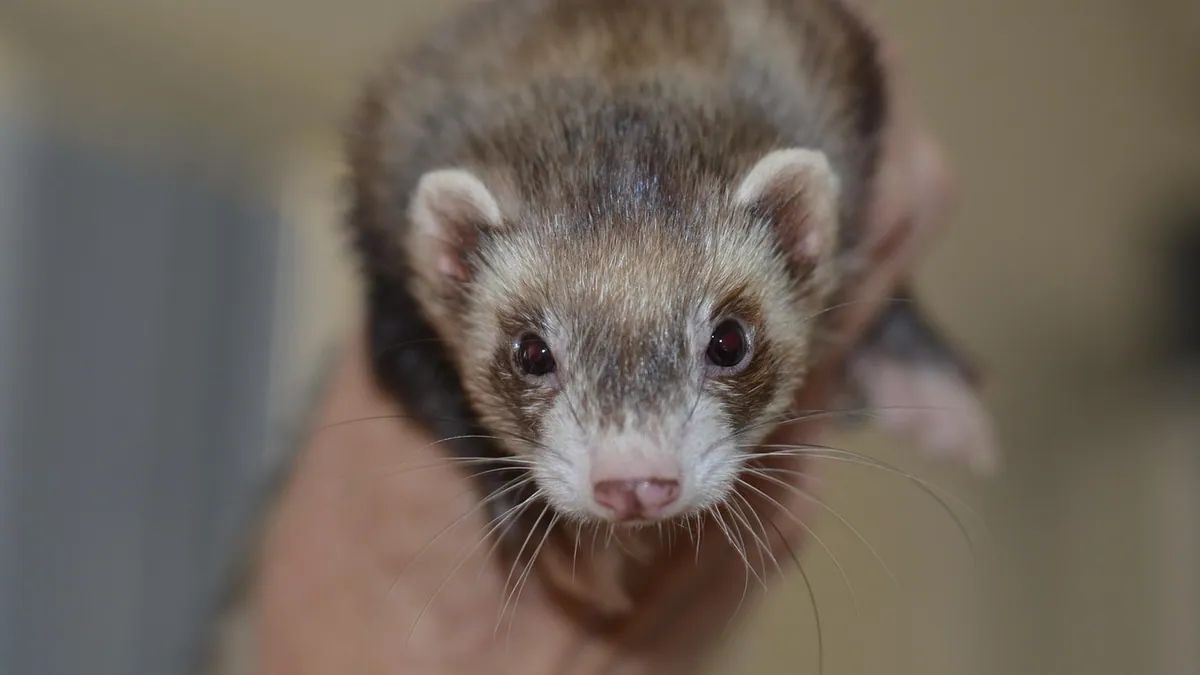
Yes, ferrets can carry diseases that pass to people, but the list is shorter than many owners fear. The infections that matter most in U.S. households are influenza, rabies, and certain gut bacteria. Good hygiene and routine veterinary care lower the risk a great deal. This article is educational and is not a substitute for veterinary diagnosis or treatment.
Quick Answer
- Ferrets are highly susceptible to human influenza viruses, and the virus can move in both directions between you and your pet [1].
- Rabies is rare in pet ferrets in the United States, but it is fatal and legally reportable, so vaccination and bite reporting rules matter.
- Campylobacter and similar gut bacteria can spread through feces, so hand washing after litter box duty is your main defense.
- Ferrets used in research are a gold-standard model for influenza because they develop and transmit the virus much like people do [2].
- Keep a sick ferret away from people with flu symptoms, and keep people with flu symptoms away from the ferret [1].
Do Ferrets Carry Diseases? The Short Answer for Owners
Ferrets can carry and transmit a handful of infections to humans. The most common is influenza. Ferrets catch human flu viruses easily, and they can pass them back to people [1]. Rabies is possible but uncommon in properly managed pets. Bacterial and parasitic gut infections, including Campylobacter and Giardia, can also pass from ferret to human through contact with feces [3].
Most of these risks are manageable with basic hygiene. The bigger picture is that a healthy, well-cared-for ferret in a clean household poses a low risk to most people. Risk rises when a ferret is sick, newly acquired, or living with someone who has a weakened immune system.
What Is a Zoonosis?
A zoonosis is any disease that can spread between animals and people. Ferret zoonoses are the infections a ferret can give to a human. Some spread directly through handling, bites, or droplets from sneezing. Others spread indirectly through contaminated bedding, food bowls, or litter.
Not every germ a ferret carries infects people. Many ferret illnesses stay within the species. The ones that cross over tend to be shared respiratory and intestinal infections, because people and ferrets live closely together and share similar biology in those systems.
Signs Owners Notice
Signs depend on which infection is involved. With influenza, a ferret may run a fever, act lethargic, lose appetite, and develop nasal discharge and sneezing [1]. These signs look a lot like a human cold or flu, which makes sense given the shared virus.
With gut infections, you may see diarrhea, changes in stool consistency, or general sluggishness. Some ferrets with bacterial stomach infections show no signs at all, while others vomit, grind their teeth, drool, or pass dark stool [4]. Weight loss and dehydration can follow if the problem goes on.
Rabies signs in any mammal include behavior changes, difficulty swallowing, weakness, and progressive neurologic decline. These signs are an emergency for everyone in the household.
A Table of Common Ferret Zoonoses
| Infection | How it spreads to people | Main owner action |
|---|---|---|
| Influenza | Droplets, close contact, sneezing [1] | Isolate the ferret, wash hands, limit handling [1] |
| Rabies | Bite or saliva into a wound | Vaccinate, report bites, seek medical care |
| Campylobacter and similar gut bacteria | Feces, contaminated surfaces | Wash hands, clean litter daily [1] |
| Giardia | Fecal-oral route, contaminated water or surfaces [3] | Hygiene, veterinary testing, treat the ferret [3] |
Causes and Risk Factors
Influenza tops the list because ferrets are unusually good hosts. Seasonal influenza A(H1N1)pdm09 viruses replicate well in both the upper and lower respiratory tract of ferrets, which is exactly why they are used to study human flu [2]. That same biology means your ferret can catch the flu from you during a normal cold and flu season [1].
Household contact drives most risk. If you have the flu and you handle your ferret, sneeze near it, or share close space, you can pass the virus to it [1]. The reverse is also true. A ferret with influenza can shed virus and infect the people caring for it.
New ferrets are another risk factor. A ferret from a pet store, shelter, or breeder may arrive carrying an infection. Quarantine of new ferrets for at least 2 weeks is a standard precaution to limit spread to resident pets [1].
Rabies risk depends on vaccination status and exposure to wildlife. Ferrets that go outdoors, escape, or meet wild animals face exposure. Bites are the main route of transmission to people.
Immune status matters on both sides. A person with a weakened immune system, an infant, or an older adult faces higher risk from the same exposure that would barely affect a healthy adult.
How It Is Diagnosed
Diagnosis starts with a veterinary exam and a careful history. Tell your veterinarian about any recent human illness in the home, because that changes the picture fast. If someone in the house had the flu and the ferret now has a fever and nasal discharge, influenza moves to the top of the list [1].
For gut infections, your veterinarian may run fecal testing to look for bacteria or parasites such as Giardia [3]. Blood work and imaging can help assess how sick the ferret is and whether dehydration or organ changes are present.
For stomach disease, diagnosis can be harder. Helicobacter mustelae lives in the stomach and duodenum of ferrets after weaning, and finding the bacteria on a biopsy sample does not by itself confirm disease unless ulcers are also present [4]. That means your veterinarian interprets test results alongside signs and exam findings.
Rabies is not diagnosed in a living pet through routine testing. Suspected cases follow public health protocols, and testing happens after death. This is one reason vaccination and bite reporting matter so much.
Treatment Options
Treatment depends on the infection. For influenza, care is supportive. That means fluids, nutrition support, rest, and keeping the ferret warm and comfortable. Antibiotics may be used if a secondary bacterial infection develops, and antiviral drugs are also available [1]. Most ferrets recover from influenza within 7 to 14 days [1].
For bacterial gut infections, your veterinarian selects an antibiotic based on the specific germ and the ferret's condition. The dose is calculated from your ferret's weight and health status, so never use leftover medication or a human prescription.
For Helicobacter mustelae gastritis, treatment typically combines acid reduction and antibiotics, and your veterinarian will tailor the plan to the ferret's ulcers and signs [4]. Chronic cases can be stubborn and may need follow-up testing.
Giardia in ferrets is treated with antiparasitic medication chosen by your veterinarian. Because Giardia spreads through feces, treating the ferret without cleaning the environment often leads to reinfection.
Rabies has no treatment once signs appear. Prevention through vaccination is the only reliable protection.
Recovery, Outlook, and Long-Term Management
Most ferrets with influenza bounce back within about 1 to 2 weeks with supportive care [1]. Watch for worsening breathing, refusal to eat, or continued lethargy, because those signal a need for recheck.
Gut infections usually improve once the correct treatment starts, but recovery depends on how early you catch it and how well the ferret eats and drinks. Dehydration is the main complication to watch.
Long-term management centers on hygiene and monitoring. Clean the litter box of an infected ferret at least daily [1]. Wash any new toy or bedding before giving it to your ferrets [1]. If you have multiple ferrets, wash your hands and change clothes and shoes after handling a young or infected ferret before going near the others [1].
For ferrets with chronic stomach disease, long-term management may include diet changes, medication, and periodic veterinary checks. Ferrets with ongoing digestive issues can also be prone to other problems, and it helps to understand conditions like Ferret Gastrointestinal Foreign Bodies: Diagnosis and Management if your ferret vomits or stops eating. Older ferrets with chronic illness may also develop hormone-related problems, which is covered in Adrenal disease in ferrets. If your ferret has a history of immune or chronic disease, Ferret Aleutian Disease: Testing, Clinical Assessment, and Household Management explains how that condition is monitored at home.
Prevention
Prevention comes down to hygiene, vaccination, and common sense.
Hand washing and household hygiene
Wash your hands after every handling session, especially before eating or preparing food. Clean food bowls and water bottles regularly. Wash bedding often. If a ferret is sick, step up cleaning and limit contact with people at higher risk.
Flu season precautions
If you have the flu, be careful not to handle your ferrets, because you can transmit the virus to them [1]. Ask another household member to feed and clean during your illness if possible. If you must handle your ferret, wear a mask, wash your hands, and keep the interaction short.
Quarantine new ferrets
New ferrets brought into the home should be quarantined for at least 2 weeks [1]. Keep them in a separate room with separate supplies. Wash your hands and change clothes after caring for the new ferret before you touch your resident pets.
Rabies vaccination and bite rules
Keep rabies vaccination current according to your veterinarian's schedule and your state's requirements. If a ferret bites someone, wash the wound thoroughly and seek medical advice. Report the bite as your local health authority requires. Never let a ferret with unknown vaccination status roam outdoors unsupervised.
Litter box routine
Scoop litter daily and wash your hands afterward. Pregnant people, young children, and immunocompromised household members should avoid litter box duty when possible. This single habit reduces exposure to gut bacteria and parasites.
Limitations and When to Contact a Veterinarian
This article covers general information only. Your ferret's individual case needs a veterinarian who can examine it, run tests, and prescribe treatment.
Contact your veterinarian the same day if your ferret has a fever, stops eating, develops diarrhea that lasts more than a day, or shows nasal discharge with lethargy [1]. These signs can point to influenza or a gut infection that needs treatment.
Go to an emergency veterinary hospital now if your ferret has trouble breathing, collapses, has seizures, or cannot swallow. These are red flags for severe respiratory or neurologic disease.
Call your doctor, not just your veterinarian, if you are bitten by a ferret that breaks the skin, or if you develop fever, diarrhea, or flu-like symptoms after close contact with a sick ferret. Human illness after animal contact deserves medical attention.
Schedule a routine visit for vaccination updates, fecal testing for new ferrets, and any chronic digestive signs you have noticed over weeks. Early visits are cheaper and easier than emergency care.
Frequently Asked Questions
Can I catch the flu from my ferret?
Yes, influenza can pass both ways between people and ferrets. If your ferret has a fever, sneezing, and nasal discharge, and someone in your home recently had the flu, assume the ferret may have it and limit close contact [1]. Wash your hands after handling and keep the ferret away from anyone with a weakened immune system.
Is rabies common in pet ferrets?
Rabies in pet ferrets is uncommon in the United States, but it is possible and always fatal. Vaccination and bite reporting are the main safeguards. If your ferret bites someone, wash the wound and seek medical advice right away.
Can children get sick from handling a ferret?
Children can pick up the same infections adults can, and they often put hands in their mouths, which raises the risk. Teach kids to wash their hands after handling and to avoid touching their face during play. Supervise young children around ferrets, especially around litter boxes and food bowls.
Do I need to isolate a new ferret from my other pets?
Yes, quarantine a new ferret for at least 2 weeks away from your resident ferrets [1]. Use separate food, water, and bedding during that time. Wash your hands and change clothes after caring for the new ferret before you handle your other pets.
Should I worry about Campylobacter or Giardia from my ferret?
These gut infections can spread to people through feces, so hygiene is your main protection. Scoop litter daily, wash your hands afterward, and clean surfaces the ferret touches [1]. If your ferret has ongoing diarrhea, ask your veterinarian about fecal testing, including for Giardia [3].
Related Articles
- Ferret Aleutian Disease: Testing, Clinical Assessment, and Household Management
- Goose Diseases: A Guide for Backyard Flock Owners
- Adrenal disease in ferrets
- Ferret Care: Pyramiding & Shell Health Management
- Ferret Gastrointestinal Foreign Bodies: Diagnosis and Management
- Ferret Veterinary Care: What to Expect and How to Prepare
- Do Ferrets Carry Rabies? Vaccination and Risk Explained
- How to Tell If Your Ferret Is Sick: Early Warning Signs
- Do Ferrets Live in the Wild? Feral and Wild Ferret Facts
- Zoonotic Risk: Can Humans Get Parasites from Pets? A Veterinary Public Health Perspective
- Helicobacter pylori Infection in Cats and Ferrets: Gastric Ulcer Pathogenesis, Diagnosis, and Treatment
References
- Infectious Diseases of Ferrets - All Other Pets. Merck Veterinary Manual.
- Updated A(H1N1)pdm09 influenza virus ferret infection model permits refined antiviral assessment using aerosol inhalation challenge. PLoS pathogens, 2026.
- First Characterization and Zoonotic Potential Evaluation of Giardia duodenalis in Ferrets in China. Transboundary and emerging diseases, 2025.
- Infectious Diseases of Ferrets - Exotic and Laboratory Animals. Merck Veterinary Manual.