Can Rabbits Eat Pizza Crust? Why It's Unsafe
By Dr. Zubair Khalid, DVM, MS, PhD ·
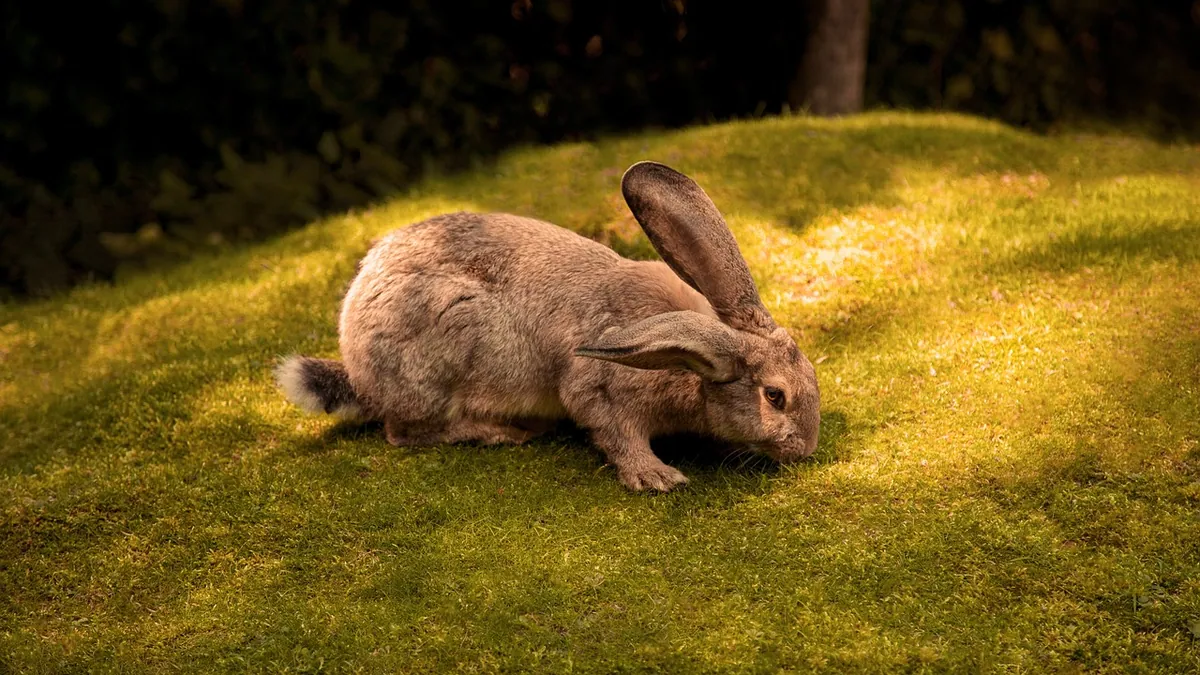
No, rabbits should not eat pizza crust. Pizza crust is a baked, processed human food that does not fit a rabbit's plant-based, high-fiber diet, and it can trigger serious digestive problems. If your rabbit ate a small piece, it will likely be fine, but you should watch it closely and call your veterinarian if anything seems off.
This article is educational and is not a substitute for veterinary diagnosis or treatment.
Quick Answer
- Pizza crust is unsafe for rabbits. It is baked, low in the fiber rabbits need, and often carries salt, oil, and dairy.
- A single small bite is unlikely to be fatal, but it can cause gas, bloating, diarrhea, or a slowdown in the gut.
- Rabbits cannot vomit, so a bad food stays in the digestive tract and must pass through.
- Never give pizza crust, bread, crackers, cookies, or other baked goods on purpose, even as a treat.
- If your rabbit stops eating, stops producing droppings, drools, or hunches up, treat it as an emergency and call a veterinarian the same day.
Can Rabbits Eat Pizza Crust? The Short Answer Is No
Rabbits are herbivores with a specialized digestive system built to process plant material all day long [1]. Their gut works best when it is constantly moving fiber through it. Pizza crust is the opposite of that. It is a dense, baked dough made from refined flour, and it offers almost none of the fiber a rabbit needs to keep its intestines healthy.
A healthy rabbit diet is roughly 85 to 90 percent grass hay, with a smaller amount of pellets that contain 15 to 20 percent crude fiber [1]. That high fiber keeps the gut moving and lowers the risk of intestinal disease. A low-fiber diet raises the chance of severe digestive illness, especially in young rabbits [1]. Pizza crust is a low-fiber food, so it works against everything a rabbit's body is designed to do.
So when someone asks "do rabbits eat pizza crust," the honest answer is that a curious rabbit might nibble one if it gets the chance, but that does not mean it should. Rabbits will sample many things out of curiosity. Curiosity is not the same as safety.
What About Wild Rabbits?
You may have seen wild rabbits near a picnic table or a trash can and wondered, "can wild rabbits eat pizza crust?" The answer is the same. Wild rabbits are the same species group with the same herbivore digestive tract, and they are actually more vulnerable because they cannot be watched or treated by an owner. A wild rabbit that eats human food may develop the same gut problems with no one to help it. Please do not feed wild rabbits pizza crust or any other human food. Let them eat grass, weeds, and natural plant material.
Is There Any Nutritional Benefit to Pizza Crust for a Rabbit?
No. There is no nutritional benefit. Pizza crust provides calories from refined carbohydrates, and it does not supply the fiber, vitamins, or minerals a rabbit needs. Rabbits require vitamins A, D, and E in their diet, and B vitamins and vitamin K are usually made by normal bacteria in their intestines, so supplements of those are generally unnecessary [1]. None of that comes from pizza crust.
A good-quality commercial rabbit pellet, stored in cool, dry, airtight conditions and without added ingredients like dried fruit or nuts, usually provides the nutrients a rabbit needs [1]. That is where balanced nutrition comes from, along with hay and appropriate fresh greens. Pizza crust adds nothing except risk.
Why Pizza Crust Is Dangerous for Rabbits
It Disrupts the Gut
The biggest danger is digestive upset. A rabbit's intestines depend on a steady flow of fiber. When you add a dense, starchy, low-fiber food, the normal bacteria in the gut can shift, gas can build up, and the gut can slow down or stop moving. This is sometimes called gastrointestinal (GI) stasis, and it is a life-threatening emergency in rabbits.
Because rabbits cannot vomit, there is no way for them to bring the food back up if it causes a problem. Whatever they swallow has to travel all the way through. That is one reason a food that seems minor in a dog or cat can be much more serious in a rabbit.
Choking and Blockage Risk
A hard, dry piece of crust can be difficult for a rabbit to chew properly. Rabbits have small mouths and continuously growing teeth, and a hard chunk of baked dough can lodge in the mouth or throat. A large swallowed piece could also contribute to a blockage, especially if the rabbit is already dehydrated or has a sluggish gut.
Additives and Toppings Are a Separate Problem
Even if the crust itself were harmless, what is on it usually is not. Pizza often carries:
- Salt. High sodium is hard on a small animal's system.
- Oil and grease. A high-fat diet changes the bacteria in a rabbit's jejunum, the first part of the small intestine [2]. Fat is not a normal part of a rabbit's diet.
- Cheese and dairy. Rabbits are lactose intolerant and dairy commonly causes diarrhea.
- Garlic and onion. These are toxic to many small animals and can damage red blood cells.
- Xylitol. Some sauces and low-sugar products contain xylitol, which is dangerous for small pets.
- Herbs and spices. Seasonings can irritate the mouth and gut.
Any of these can turn a small nibble into a bigger problem. If your rabbit ate a piece with toppings, that is more concerning than a plain piece of crust.
The High-Fat Concern
Rabbits are not built for high-fat foods. In research settings, feeding rabbits a high-fat diet changed the species and composition of bacteria in their small intestine [2]. That tells us the gut microbiome is sensitive to fat. Other work in rabbits has shown that high-fat feeding can raise cholesterol and triglycerides and affect organ structure over time [3]. A single piece of pizza crust will not cause those long-term changes, but it shows why fatty human food is a poor match for a rabbit's digestive system.
Pizza and Other Human Foods: Safety Table
| Form | Safe? | Notes |
|---|---|---|
| Plain pizza crust | No | Baked, low-fiber, refined carbohydrate. No nutritional value. |
| Crust with cheese | No | Dairy causes diarrhea in rabbits. |
| Crust with garlic or onion | No | Toxic to small animals. |
| Crust with sauce | No | Often high in salt and sugar, and may contain xylitol. |
| Bread or toast | No | Same problems as crust. |
| Crackers or chips | No | Salt, fat, and low fiber. |
| Cookies or cake | No | Sugar, fat, and often chocolate or xylitol. |
| Grass hay | Yes | Should be 85 to 90 percent of the diet [1]. |
| Plain leafy greens | Yes | Appropriate in measured amounts. |
| Quality rabbit pellets | Yes | Look for 15 to 20 percent crude fiber [1]. |
How to Offer Food Safely (and What to Avoid)
The safest approach is simple: do not offer pizza crust at all. There is no safe preparation, no safe amount, and no safe topping. If you want to give your rabbit a treat, stick to small amounts of rabbit-appropriate foods.
If you are building a treat list, our guide to Rabbit Safe Vegetables can help you choose options that fit a hay-based diet. For a full picture of what belongs on the plate, see Suitable Diet For A Rabbit and How Much Food Should A Rabbit Eat.
Avoid these entirely:
- Baked goods of any kind (bread, crust, crackers, cookies, cake, muffins)
- Dairy products
- Meat, eggs, and other animal products
- Fried or greasy foods
- Anything containing garlic, onion, xylitol, chocolate, or caffeine
- Sugary fruit in large amounts
For a broader list of dangerous items around the house, see Rabbit Safety: Toxic Foods and Household Hazards.
What to Do If Your Rabbit Ate Pizza Crust
First, stay calm and figure out what actually happened. How much did your rabbit eat? Was it plain crust or did it have toppings? How long ago? These details matter to your veterinarian.
If your rabbit ate a tiny piece of plain crust and is acting completely normal, you can monitor at home. Offer fresh hay and water, keep the environment quiet, and check for normal droppings over the next several hours.
If your rabbit ate a larger amount, ate crust with toppings, or ate something containing garlic, onion, or xylitol, call your veterinarian or a pet poison control hotline right away. Do not wait for symptoms to appear. Do not try to make your rabbit vomit. Rabbits cannot vomit, and forcing anything down the throat can cause choking or aspiration.
Watch closely for these signs over the next 12 to 24 hours:
- Drooling
- Not eating or refusing favorite foods
- Small, misshapen, or absent droppings
- Bloated or hard belly
- Hunched posture
- Lethargy or hiding
- Diarrhea
- Grinding the teeth (a sign of pain)
Any of these signs means your rabbit needs to be seen the same day. GI stasis can become fatal quickly, and early treatment makes a big difference.
Safer Alternatives to Pizza Crust
If you want to give your rabbit a treat, choose foods that support the diet instead of fighting it. Good options include:
- A small piece of a rabbit-safe vegetable, such as a leafy green
- A tiny slice of apple or banana (fruit is high in sugar, so keep it very small)
- A plain, high-fiber rabbit pellet used as a reward
- Fresh grass hay, which many rabbits happily nibble as a treat
Some owners use probiotics or prebiotics to support gut health. Research in growing rabbits has looked at supplements like Saccharomyces cerevisiae and mannan-oligosaccharide, but these are studied as feed additives, not as a fix for a bad food choice [4]. If you are considering a supplement, ask your veterinarian first. They can tell you whether it fits your rabbit's situation.
If your rabbit has a sensitive stomach or a history of GI stasis, be extra careful with any new food. Introduce changes slowly and one at a time.
Limitations and When to Contact a Veterinarian
This article covers general information. Every rabbit is different, and individual cases need a veterinarian who can examine your pet, ask about its history, and decide on treatment.
Call your veterinarian the same day if your rabbit:
- Ate pizza crust with toppings, especially garlic, onion, or xylitol
- Ate a large amount of crust or other baked food
- Is drooling, not eating, or producing few or no droppings
- Has a bloated or painful belly
- Is hunched, hiding, or unusually quiet
Call an emergency veterinary clinic immediately if your rabbit:
- Is limp or unresponsive
- Has severe diarrhea
- Is grinding its teeth and cannot settle
- Has not produced droppings for many hours
Routine visits are a good time to review your rabbit's diet and ask about safe treats. Bring a list of everything your rabbit eats, including pellets, hay, greens, and any treats, so your veterinarian can spot problems early.
Frequently Asked Questions
Can a rabbit die from eating pizza crust?
A small piece of plain crust rarely causes death on its own, but it can trigger GI stasis, which is life-threatening if untreated. The risk goes up with the amount eaten, the toppings involved, and your rabbit's overall health. Call your veterinarian if you are unsure.
Do rabbits like the taste of pizza crust?
Many rabbits are curious and will nibble almost anything, including pizza crust. Liking the taste does not mean it is safe. Rabbits also lack the ability to vomit, so a food that upsets the stomach stays in the digestive tract.
Can I give my rabbit a tiny piece of bread instead?
No. Bread has the same problems as pizza crust. It is baked, low in fiber, and made from refined flour. It offers no nutritional benefit and can disrupt the gut.
What should I feed my rabbit every day?
The base of the diet should be grass hay, which makes up the large majority of what your rabbit eats. Add a measured amount of quality pellets and appropriate fresh greens. Treats should be small and rabbit-appropriate.
How long after eating pizza crust would a rabbit show signs of a problem?
Signs can appear within a few hours or take up to a day. Watch for drooling, not eating, small or missing droppings, bloating, hunching, and lethargy. If any of these appear, contact your veterinarian right away.
Related Articles
- Can Cats Eat Rabbit Meat? Novel Protein and Bone Safety
- Rabbit Safe Vegetables
- Rabbit Safety: Toxic Foods and Household Hazards
- How Much Food Should A Rabbit Eat
- Suitable Diet For A Rabbit
- Can Rabbits Eat Onions? Why They're Toxic to Bunnies
- Can Rabbits Drink Milk? Why Dairy Is Unsafe for Bunnies
- Can Rabbits Eat Nuts, Almonds, or Peanuts?
- Rabbit Feed Ingredients: Safe and Nutritious Options
- Rabbit Food and Hay: A Nutritional Guide for Optimal Health
References
- Diet for Rabbits - All Other Pets. Merck Veterinary Manual.
- Mechanism of High-Fat Diet Regulating Rabbit Meat Quality Through Gut Microbiota/Gene Axis. Animals : an open access journal from MDPI, 2025.
- Protective Effects of Chitosan and Rosuvastatin on Renal Structure and Lipid Metabolism in Rabbits Fed a High-Fat Diet. Medicina (Kaunas, Lithuania), 2026.
- Synbiotics are Better Than Probiotics and Prebiotics for Use as Nutrition in Growing Rabbits. Veterinary medicine and science, 2026.