Can Rabbits Eat Onions? Why They're Toxic to Bunnies
By Dr. Zubair Khalid, DVM, MS, PhD ·
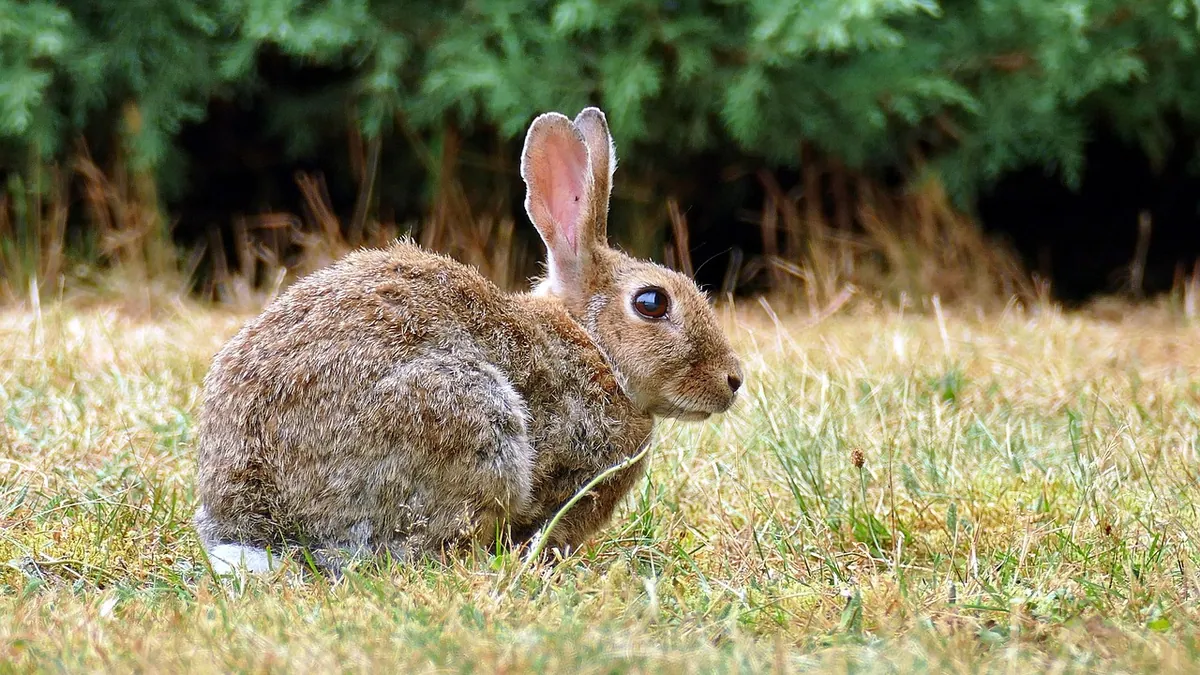
Can rabbits eat onions? No. Onions and every other plant in the Allium family are toxic to rabbits, and even small amounts can damage their red blood cells. If your bunny ate onion, treat it as a medical issue and call your veterinarian or a pet poison hotline right away.
This article is educational and is not a substitute for veterinary diagnosis or treatment.
Quick Answer
- Onions, garlic, chives, leeks, scallions (green onions), and shallots are all unsafe for rabbits at any amount [1].
- Allium toxicosis causes hemolytic anemia, meaning red blood cells are destroyed faster than the body can replace them [1][2].
- Signs often appear several days after ingestion, not immediately, so a rabbit that looks fine today can still become very sick [1].
- Rabbits cannot vomit, so never try to make your rabbit throw up. Call your veterinarian or a pet poison hotline instead.
- Safe everyday foods are grass hay, plain pellets, and rabbit-safe vegetables such as leafy greens and bell peppers.
Can Rabbits Eat Onions? The Short Answer Is No
Onions are not safe for rabbits. This applies to raw onion, cooked onion, fried onion, onion powder, dehydrated onion flakes, and onion soup mix. It also applies to every other member of the Allium family, including garlic, chives, leeks, scallions, and shallots [1].
The reason is a group of sulfur-containing compounds that onions and their relatives produce. When a rabbit eats these compounds, they can trigger oxidative damage to red blood cells. The damaged cells rupture, which leads to a condition called hemolytic anemia [1][2]. In severe cases, this anemia can be life threatening and may require a blood transfusion [2].
One detail that surprises many owners is the timing. Signs of Allium toxicosis usually develop several days after the onion is eaten, not within minutes or hours [1]. That delay is exactly why you should not wait for symptoms before calling for advice.
Do Rabbits Eat Onions on Their Own?
Most rabbits will not seek out onions. The strong smell and sharp taste usually keep them away. Accidental exposure is far more common than deliberate eating. A bunny might nibble a dropped slice of onion, lick a plate, chew a piece of onion skin, or sample a bit of onion that fell out of a salad.
Some rabbits are curious and will taste almost anything within reach. Others ignore new foods completely. Because you cannot predict which rabbit will nibble, the safest approach is to keep all Allium plants out of your rabbit's space.
Can Rabbits Eat Green Onions?
No. Green onions, also called scallions, are Allium plants and carry the same toxic risk as bulb onions [1]. Some owners assume the green tops are milder or safer than the white bulb. That is not a safe assumption. The toxic compounds are present throughout the plant, and the whole thing should stay away from your rabbit.
The same goes for chives, which are essentially a small green Allium plant. A chive snipped onto a baked potato and then dropped on the floor is still a hazard.
Why Onions Are Toxic to Bunnies
The toxic principle in onions and garlic is a set of organosulfur compounds. When a rabbit eats them, these compounds can oxidize hemoglobin inside red blood cells. Oxidized hemoglobin cannot carry oxygen well, and the affected cells become fragile and burst [1].
This process is called hemolytic anemia. It is the hallmark of Allium toxicosis across species, and it has been reported in dogs, cats, and production animals after they ate raw, cooked, dehydrated, or granulated onions and garlic [1]. In exotic animal medicine, Allium toxicosis is recognized as a cause of hemolytic anemia that can be managed with blood transfusions but can still be life threatening [2].
Garlic deserves special mention. It is roughly three to five times more toxic than onion on a gram-for-gram basis [1]. So a small amount of garlic is not automatically safer than a larger amount of onion. It may be worse.
Concentrated forms are also a bigger problem than fresh ones. Dehydrated flakes, powders, and dry soup mixes pack a lot of Allium into a small volume, and toxicosis in dogs and cats is most often linked to these concentrated products [1]. A pinch of onion powder is not the same as a pinch of fresh onion.
Does the Research on Rabbits and Allium Apply Here?
You may find studies where rabbits were fed Allium extracts and actually did well. In farm rabbit research, an Allium extract supplement was associated with improved growth performance, higher final weights, and lower mortality rates over a 76-day study period [3]. Other food science work has looked at spices, including garlic and Welsh onion, for improving rabbit meat quality [4]. There is also research using onion peel extracts in rabbits for antidiabetic and antioxidant effects [5].
These findings do not mean onions are safe to feed your pet rabbit. Those studies used specific processed extracts at controlled amounts under research conditions, not table scraps or raw onion from your kitchen. The veterinary toxicology position is clear that Allium plants cause hemolytic anemia in animals, including rabbits [1][2]. When a pet owner asks whether a rabbit can eat onion, the answer is still no.
Risks Beyond Anemia
Hemolytic anemia is the main danger, but it is not the only concern.
Digestive upset. Rabbits have a delicate digestive system that depends on a high-fiber diet. About 85 to 90 percent of a healthy rabbit diet should be grass hay, with a smaller amount of pellets containing 15 to 20 percent crude fiber [6]. A low-fiber diet raises the risk of severe intestinal disease, especially in young rabbits [6]. Any unusual food, including onion, can disrupt the gut and trigger soft droppings, diarrhea, or a slowdown in gut movement.
Choking. Rabbits nibble and swallow quickly. A piece of raw onion or a chunk of cooked onion can be a choking hazard, especially for a small bunny.
Additives in prepared foods. Onion rarely shows up alone. It usually arrives inside something else, such as a casserole, soup, stuffing, or seasoned meat. Those dishes often contain salt, butter, oil, and other ingredients that are also bad for rabbits. If the food is a processed product, check for xylitol and other sweeteners too. Xylitol is dangerous for small animals, and it hides in sugar-free gum, baked goods, and some peanut butters.
Garlic makes it worse. Because garlic is three to five times more toxic than onion, a dish with both is a bigger problem than onion alone [1].
Form | Safe? | Notes
| Form of onion or Allium | Safe for rabbits? | Notes |
|---|---|---|
| Raw onion, any color | No | Toxic to red blood cells [1] |
| Cooked onion | No | Cooking does not remove the toxic compounds [1] |
| Fried onion | No | Also brings oil and salt |
| Onion powder or flakes | No | Concentrated form, higher risk [1] |
| Onion soup mix | No | Concentrated and often salty [1] |
| Green onion or scallion | No | Same Allium family [1] |
| Chives | No | Same Allium family [1] |
| Leeks | No | Same Allium family [1] |
| Shallots | No | Same Allium family [1] |
| Garlic | No | Three to five times more toxic than onion [1] |
| Grass hay | Yes | Should be 85 to 90 percent of the diet [6] |
| Plain rabbit pellets | Yes | Look for 15 to 20 percent crude fiber [6] |
What to Do If Your Rabbit Ate Onions
Act quickly, even if your rabbit seems normal. Signs of Allium toxicosis typically show up several days after ingestion, so a calm, alert bunny right now does not mean the danger has passed [1].
Step 1: Remove the source. Take away any remaining onion or onion-containing food. Check the area for crumbs, skins, and packaging.
Step 2: Note what and how much. Write down what your rabbit ate, roughly how much, and when. If it was a prepared food, keep the label or take a photo of the ingredients. This helps your veterinarian assess the exposure.
Step 3: Call for guidance. Contact your veterinarian, an emergency veterinary clinic that treats exotic pets, or a pet poison hotline. Do not wait for symptoms.
Step 4: Never induce vomiting. Rabbits cannot vomit. Trying to make them vomit will not work and can cause serious harm. This is different from dogs, where a veterinarian may sometimes induce vomiting. If you want to understand how onion poisoning works in another species, see Can Dogs Eat Onions or Garlic? and Dog Ate Onions.
Step 5: Follow your veterinarian's plan. Treatment for Allium toxicosis focuses on early gastrointestinal decontamination when appropriate and management of the resulting anemia [1]. In serious cases, a blood transfusion may be needed [2]. Your veterinarian will decide what your rabbit needs based on weight, amount eaten, and how the rabbit looks on examination.
Warning Signs to Watch For
Because rabbits cannot vomit, vomiting is never a sign to look for. Watch instead for:
- Drooling
- Not eating or refusing favorite foods
- Small, fewer, or no droppings
- Bloated or painful belly
- Hunching over or pressing the belly to the floor
- Lethargy or weakness
- Pale gums or inner eyelids
- Yellow tint to the gums, skin, or whites of the eyes
- Collapse
- Diarrhea
Pale gums and yellow discoloration point toward anemia and jaundice, which are the classic signs of Allium toxicosis [1]. These are emergencies.
How to Offer Safe Foods Instead
The best way to protect your rabbit is to build the diet around fiber and keep Allium plants out of the bowl entirely.
Start with grass hay. It should make up about 85 to 90 percent of what your rabbit eats each day [6]. Add a measured amount of plain pellets with 15 to 20 percent crude fiber [6]. Store pellets in a cool, dry, airtight container, and choose a plain formula without dried fruit or nuts, because rabbits will pick out the treats and leave the pellets behind [6].
Fresh vegetables come next, in modest amounts. Safe options include leafy greens, bell peppers, and other rabbit-safe produce. For a full list, see Rabbit Safe Vegetables.
Rabbits also need vitamins A, D, and E from their diet. B vitamins and vitamin K are usually produced by normal bacteria in the intestines, so supplements of those are generally not needed [6]. A good-quality pellet usually covers the basics.
Can Rabbits Eat Tomatoes and Onions?
Tomatoes and onions are two very different foods. Onion is toxic and should never be fed [1]. Tomato is a separate question. Ripe tomato flesh is sometimes offered to rabbits in small amounts, but the leaves and stems of the tomato plant are not safe. If you are unsure about any new food, ask your veterinarian before offering it. Never serve a mixed dish that contains both tomato and onion, because the onion alone makes it unsafe.
Can Rabbits Eat Potatoes and Onions?
Potatoes and onions are also not the same. Onion is toxic to rabbits [1]. Potato is starchy and not a natural part of a rabbit's high-fiber diet, and raw potato and potato leaves should be avoided. A dish like potatoes with onions is unsafe on both counts. Keep all of it away from your bunny.
Can Rabbits Eat Bell Peppers and Onions?
Bell peppers and onions are another pair that owners often ask about together. Bell peppers are a common rabbit-safe vegetable when offered plain and in small pieces. Onions are toxic [1]. If you serve bell peppers, serve them alone, with no onion, no oil, and no seasoning. For more on which produce is safe, see Rabbit Safe Vegetables.
Limitations and When to Contact a Veterinarian
No article can tell you whether your specific rabbit will get sick from a specific amount of onion. Individual cases need a veterinarian who can examine your rabbit, ask about the exposure, and decide on testing and treatment. Rabbits vary in size, age, and underlying health, and the amount and form of onion matter a great deal.
Call an emergency clinic now if your rabbit:
- Collapsed or is very weak
- Has pale gums or inner eyelids
- Has yellow gums, skin, or eyes
- Is not eating at all
- Has no droppings or very few droppings
- Has a bloated, painful belly
- Is drooling heavily
- Has diarrhea
Call your veterinarian the same day if your rabbit:
- Ate any amount of onion, garlic, chives, leeks, scallions, or shallots
- Ate a food that contained onion powder or onion soup mix
- Ate an unknown amount of an onion-containing dish
- Seems slightly off, quieter than usual, or is eating less
Schedule a routine visit if:
- You want help building a safe daily diet
- Your rabbit has had repeated exposure to table food
- You are unsure which vegetables are safe
For general rabbit toxin and hazard information, see Rabbit Safety: Toxic Foods and Household Hazards.
Frequently Asked Questions
Can a rabbit eat a tiny piece of onion and be fine?
A tiny piece may not cause obvious illness, but there is no safe amount that veterinarians recommend. Garlic is three to five times more toxic than onion, so even small exposures to Allium plants carry some risk [1]. Call your veterinarian for advice instead of waiting to see what happens.
How long after eating onion would a rabbit get sick?
Signs usually develop several days after ingestion, not right away [1]. That delay is why a rabbit that seems completely normal today still needs veterinary guidance. Keep watching for drooling, not eating, changes in droppings, weakness, and pale or yellow gums.
Are cooked onions safer than raw onions for rabbits?
No. Cooking does not make onions safe. Toxicosis has been reported in animals after they ate raw, cooked, dehydrated, or granulated onions and garlic [1]. Fried onions add oil and salt on top of the Allium risk.
What vegetables can I feed my rabbit instead of onion?
Grass hay should be the foundation of the diet, at about 85 to 90 percent of intake, with plain pellets at 15 to 20 percent crude fiber making up most of the rest [6]. Safe fresh options include leafy greens and bell peppers. See Rabbit Safe Vegetables for a fuller list.
Can rabbits eat onion peels or onion skin?
No. Onion peels come from the same toxic plant and should be kept away from your rabbit [1]. Interestingly, onion peel extracts have been studied for antioxidant and antidiabetic effects in research settings [5], but that is laboratory work with prepared extracts, not something to feed your pet. Treat peels as trash, not treats.
Related Articles
- Rabbit Safe Vegetables
- Rabbit Safety: Toxic Foods and Household Hazards
- Can Rabbits Eat Green Beans? Safe or Not?
- Can Rabbits Eat Mustard, Kale, Turnip, and Other Greens?
- Can Rabbits Eat Peppers? Bell, Sweet, and More
References
- Garlic and Onion (Allium spp) Toxicosis in Animals - Toxicology. Merck Veterinary Manual.
- Dietary Intoxications of the Exotic Animal Patient. The veterinary clinics of North America. Exotic animal practice, 2026.
- Effects of a Diet of Allium Extract on Growth, Biochemistry, Metabolism, and Gut Microbiota of Rabbits (Oryctolagus cuniculus). Foods (Basel, Switzerland), 2024.
- Spice-induced quality enhancement in rabbit meat: A study based on data mining and analytical characterization. Food chemistry: X, 2025.
- Chemical Characterization, Antidiabetic and Antioxidant Potential of Allium cepa Peels Silver Nanoparticles Against Alloxan Induced Diabetes in Rabbits. Food science & nutrition, 2025.
- Diet for Rabbits - All Other Pets. Merck Veterinary Manual.