Can Rabbits Eat Grapes? Sugar and Serving Limits
By Dr. Zubair Khalid, DVM, MS, PhD ·
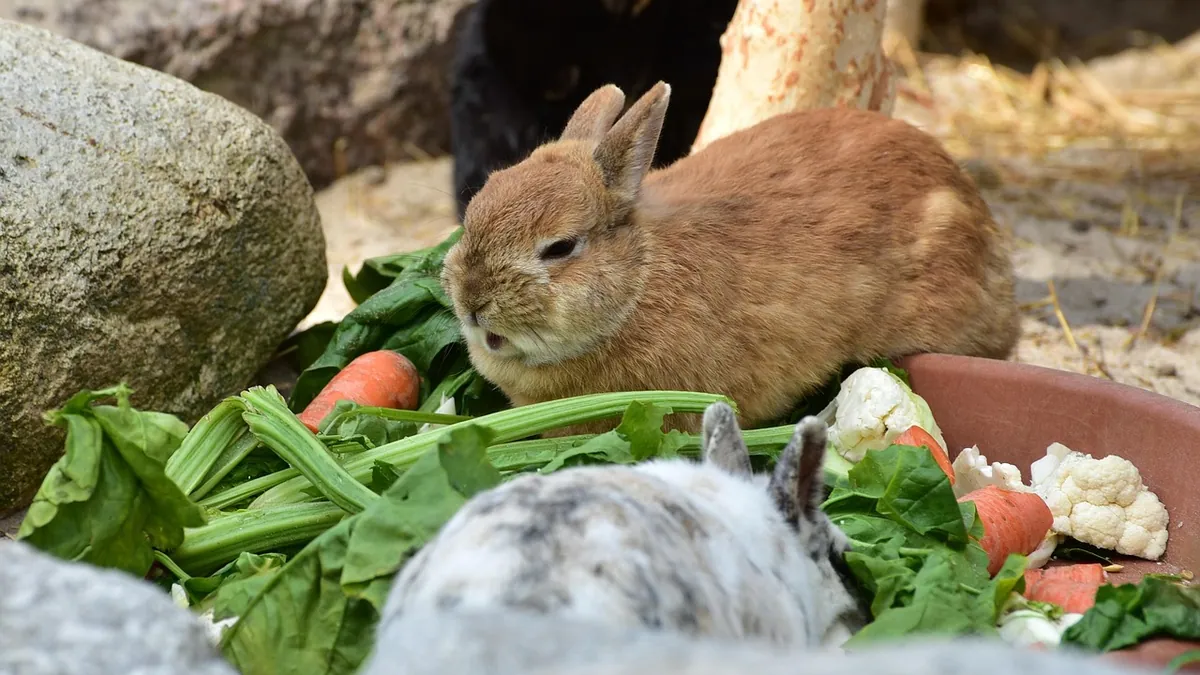
Can rabbits eat grapes? Yes, but only as a very small, occasional treat. Grapes are high in sugar and low in the fiber your rabbit needs, so they should never replace hay, pellets, or leafy greens. A single grape is enough for most adult rabbits, and some rabbits should skip fruit entirely.
This article is educational and is not a substitute for veterinary diagnosis or treatment.
Quick Answer
- Grapes are safe for most healthy adult rabbits in very small amounts, but they are a high-sugar treat, not a staple food.
- One small grape (or half a large grape) is a reasonable occasional treat for an average adult rabbit.
- Fruit should make up only a tiny fraction of the diet. A healthy rabbit diet is about 85 to 90% grass hay, plus a smaller amount of pellets containing 15 to 20% crude fiber [1].
- Never feed grapes with added sugar, xylitol, raisins coated in anything, or fruit from a salad that contains onion, garlic, or salty dressing.
- If your rabbit eats a large amount of grapes or shows signs like not eating, small or no droppings, drooling, bloating, hunching, or lethargy, contact your veterinarian right away. Rabbits cannot vomit, so never try to make your rabbit throw up.
Can Rabbits Eat Grapes? The Short Answer
Grapes are not toxic to rabbits the way they are to dogs. A small piece of a plain, washed grape is generally safe for a healthy adult rabbit. The problem is not poison. The problem is sugar.
Rabbits are herbivores with a specialized digestive system built for fiber [1]. They are also selective eaters that naturally choose nutrient-rich, energy-dense plant parts, which makes them prone to obesity in captivity [2]. Grapes fit that pattern perfectly. They are sweet, soft, and easy to overfeed.
So the honest answer is yes, a rabbit can eat a grape, but it should be a rare treat measured in bites, not handfuls.
Can Rabbits Eat Green Grapes?
Yes, green grapes are handled the same way as red or purple grapes. The color does not change the basic rule. Green grapes still carry natural sugars and very little fiber, so the serving limit stays tiny.
Wash the grape well and cut it into small pieces to reduce any choking risk. Remove stems and any leaves. Do not feed grape leaves, grape stems, or grape seeds as a treat. Grape by-products like seeds, stems, and pomace have been studied in commercial rabbit feed, where they are valued for fiber and polyphenols [3][4]. That is a formulated feed ingredient situation, not a bowl of table scraps. It does not mean you should hand your pet a stem or a pile of seeds.
If you want to offer a green grape, treat it as a one-bite event. Then go back to hay.
Do Grapes Have Any Real Benefit for Rabbits?
Grapes do contain some vitamins and antioxidants, and grape by-products are rich in polyphenols and dietary fiber when used in controlled feed formulations [4]. Some research in growing rabbits found that grape by-products in the diet can support antioxidant status and gut fermentation without hurting growth when properly formulated [4][5].
That said, this research is about manufactured rabbit feed, not about feeding your pet grapes from the produce aisle. A single grape delivers a tiny amount of these compounds and a lot of sugar relative to its size. There is no well-established health reason to feed grapes to a pet rabbit. If your rabbit enjoys a small piece now and then, that is fine. Do not expect it to improve health.
Risks of Feeding Grapes to Rabbits
Sugar and Obesity
Rabbits are concentrate selectors, meaning they naturally pick energy-dense foods, and this predisposes them to obesity in captivity [2]. Grapes are exactly the kind of food that can tip a rabbit toward weight gain. An overweight rabbit is more likely to develop other health problems, and excess sugar can also upset the delicate balance of bacteria in the hindgut.
Digestive Upset
A rabbit's digestive system depends on a high-fiber diet to keep moving. Low-fiber diets raise the risk of severe digestive illness, especially in young rabbits [1]. Sudden sugary treats can trigger soft droppings, diarrhea, or a slowdown in gut motility. Because rabbits cannot vomit, they cannot clear a bad meal the way a dog or cat can. Any gut problem can become serious quickly.
Choking and Blockage
Whole grapes can be a choking hazard, especially for small rabbits. Cut grapes into small pieces and never feed a whole cluster. Seeds and stems are not appropriate treats and can add to the risk.
Dangerous Additives
Plain grapes are one thing. Grape products are another. Watch for these:
- Raisins and dried fruit, which concentrate sugar and can stick to teeth
- Grapes in fruit salad with dressing, which may contain onion, garlic, salt, or oil
- Any product sweetened with xylitol, which is dangerous for pets
- Grapes coated in sugar, gelatin, or candy
Commercial rabbit pellets should be plain. Pellets with added ingredients such as dried fruit or nuts encourage selective eating, where the rabbit ignores the pellets and eats only the treats [1]. That leads to an unbalanced diet.
A Note on Other Pets
If you also have a dog, grape safety is completely different. Grapes and raisins can be toxic to dogs. If your dog ate grapes, see Can Dogs Eat Grapes? What To Do Right Now and My Dog Ate Grapes or Raisins: How Many Are Dangerous?. Keep fruit bowls out of reach of both species.
How to Offer Grapes Safely
If you decide to give your rabbit a grape, follow these steps.
- Choose a fresh, plain grape with no added sugar or coating.
- Wash it thoroughly under running water.
- Cut it into small pieces. One small grape or half a large grape is plenty for an average adult rabbit.
- Offer it by hand so you control the amount.
- Watch your rabbit for the next 24 hours for any change in droppings, appetite, or behavior.
- Keep fruit treats rare. Once or twice a week at most is a reasonable guideline for a healthy adult rabbit.
Do not leave a bowl of grapes in the cage. Rabbits will eat what is available, and they will choose sweets over hay.
Form and Preparation Table
| Form | Safe? | Notes |
|---|---|---|
| Fresh plain grape, small piece | Yes, in tiny amounts | Wash well, cut into pieces, one small grape or half a large one |
| Green grape | Yes, in tiny amounts | Same sugar and portion rules as red grapes |
| Grape stem or leaf | No | Not a suitable treat, stems and leaves are not part of a pet rabbit's diet |
| Grape seeds | No | Do not feed as a treat |
| Raisins | No | Concentrated sugar, easy to overfeed |
| Grape jelly, jam, or juice | No | Added sugar and no fiber |
| Grapes in fruit salad with dressing | No | May contain onion, garlic, salt, or oil |
| Any product with xylitol | No | Dangerous sweetener for pets |
Can Rabbits Eat Blueberries and Grapes?
Yes, both are safe in very small amounts, but they are both sugary fruits. Blueberries are small, so one or two berries is a reasonable treat. Grapes are larger, so one small grape is enough. Do not combine several fruits in one day just because each one is "allowed." The total sugar load is what matters.
If you want to mix fruit, pick one fruit per treat day. Keep the total fruit portion to about a teaspoon-sized serving for a small rabbit and no more than a tablespoon for a large rabbit. Your veterinarian can help you set a specific limit based on your rabbit's weight and health.
Can Rabbits Eat Strawberries and Grapes?
Yes, strawberries and grapes can both be offered as occasional treats, but strawberries should also be limited. Strawberries are lower in sugar than grapes, but they are still fruit. Cut a strawberry into small pieces and offer just one piece. Do not serve a fruit platter.
If your rabbit has never had fruit, introduce one new item at a time and wait a few days before trying another. That way you can tell which food caused any digestive upset.
Can Rabbits Eat Apples and Grapes?
Yes, apples and grapes are both safe in small amounts, with the same sugar caveats. For apples, remove the seeds and core. Apple seeds contain compounds that can be harmful in large amounts, and the core is a choking risk. A thin slice of apple is a reasonable treat. A small piece of grape is another option, but do not feed both on the same day if you are trying to keep sugar low.
For a broader look at how sugar limits work in another species, see Can Dogs Eat Bananas? Sugar Content & Serving Limits. The principles of portion control and sugar awareness apply across pets, even though the specific foods differ.
What If Your Rabbit Ate Too Many Grapes?
If your rabbit ate a large amount of grapes, do not panic, but do act. Rabbits cannot vomit, so never try to induce vomiting. Instead, remove any remaining grapes and offer fresh hay and water.
Watch closely for these signs over the next 12 to 24 hours:
- Not eating or refusing hay
- Small or no droppings
- Drooling
- Bloating or a hard, distended belly
- Hunching over in a tucked position
- Lethargy or hiding
- Diarrhea or soft, unformed droppings
If you see any of these signs, contact your veterinarian or an emergency veterinary clinic right away. Gut stasis and other digestive emergencies can become life-threatening quickly in rabbits. Do not wait to see if it passes.
If your rabbit ate a grape product with xylitol, onion, garlic, or a lot of salt, treat it as an emergency and call your veterinarian or a pet poison control hotline immediately.
Safer Alternatives to Grapes
The best treat for a rabbit is more hay. Grass hay should make up the vast majority of the diet, and it supports digestion while lowering the risk of intestinal disease [1]. If you want to offer something fresh, choose leafy greens like romaine lettuce, cilantro, parsley, or basil. These are low in sugar and high in fiber.
Other safer options include:
- A small piece of bell pepper
- A small slice of zucchini
- A tiny piece of carrot (still sugary, so keep it small)
- A plain, high-fiber pellet from a quality commercial diet
Remember that pellets should contain 15 to 20% crude fiber, and they should be stored in cool, dry, airtight conditions without added fruit or nuts [1]. If your rabbit fills up on treats, it will eat less hay, and that is the opposite of what you want.
Limitations and When to Contact a Veterinarian
This article gives general guidance for healthy adult rabbits. It does not replace an exam. Every rabbit is different, and individual cases need a veterinarian who can assess your pet's weight, dental health, and digestive history.
Contact your veterinarian the same day if your rabbit:
- Ate a large amount of grapes or raisins
- Ate a grape product containing xylitol, onion, garlic, or added salt
- Stops eating or shows a sudden drop in appetite
- Has small or no droppings
- Is drooling, bloated, hunched, or lethargic
- Has diarrhea or soft droppings that do not improve
Go to an emergency clinic immediately if your rabbit is unresponsive, has labored breathing, is grinding its teeth in pain, or has not produced droppings for many hours. These are emergency signs in rabbits.
Schedule a routine visit if you want help building a balanced diet, if your rabbit is overweight, or if you are unsure how much fruit is safe for your specific pet. Your veterinarian can calculate a safe portion based on your rabbit's weight and health.
Frequently Asked Questions
Can rabbits eat grapes every day?
No, grapes should not be a daily food. They are high in sugar and low in fiber, and a rabbit's diet needs to be built around hay. Offer them rarely, as an occasional one-bite treat.
Are green grapes safer than red grapes for rabbits?
No, green grapes are not safer. They carry the same natural sugars and the same serving limits as red or purple grapes. Color does not change the basic rule.
Can rabbits eat grape seeds or stems?
No, do not feed grape seeds, stems, or leaves to your rabbit. These are not appropriate treats, and they offer no benefit compared to hay or leafy greens.
What should I do if my rabbit ate a whole bunch of grapes?
Remove any remaining grapes and offer fresh hay and water. Watch for not eating, small or no droppings, drooling, bloating, hunching, or lethargy. If any of these appear, contact your veterinarian right away.
Can rabbits eat blueberries, strawberries, and grapes together?
They can eat these fruits, but not together in a large mixed portion. Each is a sugary treat, and combining them raises the total sugar load. Pick one fruit, keep the portion tiny, and keep fruit days infrequent.
Related Articles
- How Much Food Should A Rabbit Eat
- Can Rabbits Eat Crab Apples and Grapes?
- Can Rabbits Eat Apples, Pears, and Other Fruits?
- Can Rabbits Eat Strawberries and Other Berries?
References
- Diet for Rabbits - All Other Pets. Merck Veterinary Manual.
- Nutrition of Rabbits - Exotic and Laboratory Animals. Merck Veterinary Manual.
- Valorisation of grape stem as an alternative ingredient in rabbit feed. Waste management & research : the journal of the International Solid Wastes and Public Cleansing Association, ISWA, 2025.
- Functional Effects of Dietary Grape By-Products on Rabbit Health, Performance, and Meat Quality. Animals : an open access journal from MDPI, 2026.
- The Use of Grape By-Products as a Feed Additive Enhances the Oxidative Stability of Rabbit Meat. Veterinary sciences, 2025.