Can Rabbits Eat Strawberries and Other Berries?
By Dr. Zubair Khalid, DVM, MS, PhD ·
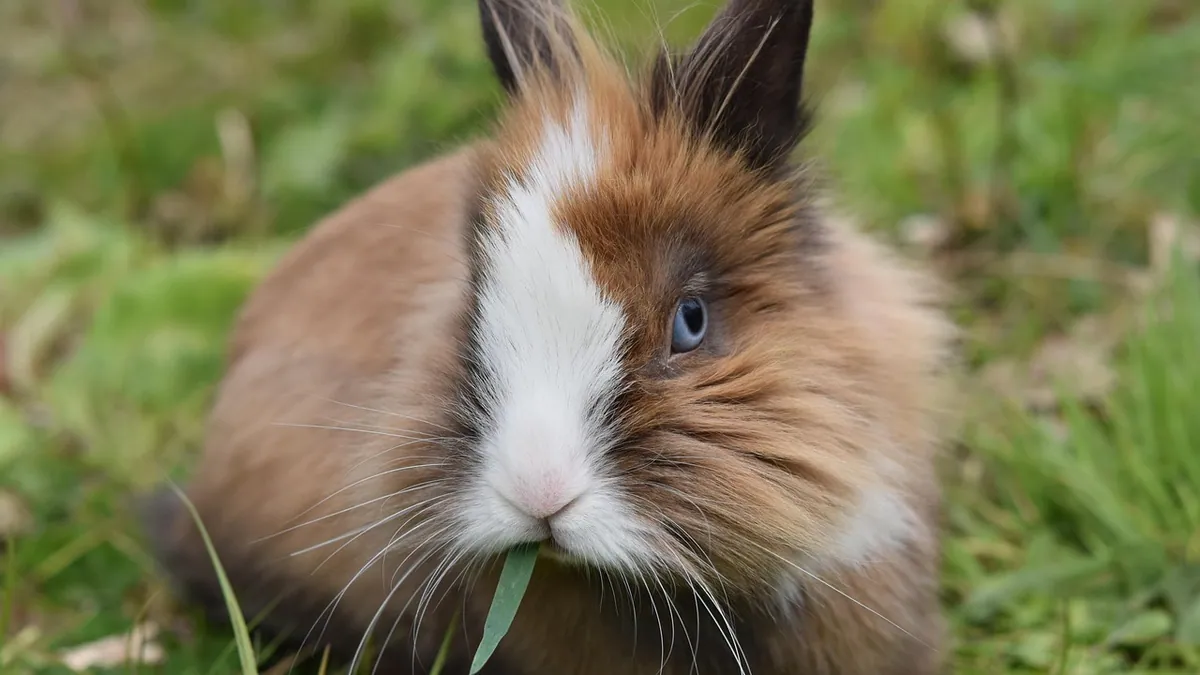
Yes, rabbits can eat strawberries. A small piece of fresh strawberry is a safe, occasional treat for most healthy adult rabbits. The catch is portion size and frequency, because fruit sugar adds up fast in a pet with a delicate digestive system. This article is educational and is not a substitute for veterinary diagnosis or treatment.
Quick Answer
- Safe berries for rabbits include strawberries, blueberries, raspberries, and blackberries, all fed in very small amounts.
- Treats should make up only a tiny fraction of the diet. The core of a healthy rabbit diet is grass hay, roughly 85 to 90% of what they eat [1].
- Offer one small piece or a single berry at a time, no more than a few times per week.
- Always wash fruit and remove stems, leaves, and seeds where practical. Cut pieces small enough to prevent choking.
- Never feed berries coated in sugar, syrup, chocolate, xylitol, or any processed additive.
- If your rabbit eats a large amount of fruit or any dangerous additive, call your veterinarian or a pet poison control line right away.
Can Rabbits Eat Strawberries? The Verdict
Yes, strawberries are safe for rabbits in small quantities. They are not toxic, and many rabbits enjoy the sweet taste. The problem is not the berry itself. The problem is how much and how often you offer it.
Rabbits are herbivores with a specialized digestive system built for fibrous plant material [1]. Their natural instinct is to pick out nutrient-rich, energy-dense plant parts, which is exactly why they love fruit and why they overeat it when given the chance [2]. In captivity, that selective eating habit predisposes rabbits to obesity [2]. A strawberry is a treat, not a meal.
The same verdict applies to other common berries. Blueberries, raspberries, and blackberries are all safe in small amounts. So are grapes, though grapes are higher in sugar and should be offered even more sparingly. Bananas are also safe in tiny amounts but are starchier and sweeter than berries.
If you also have a dog at home, the rules are different for them. You can read more about Can Dogs Eat Strawberries and Can Dogs Eat Strawberries And Strawberry Leaves for comparison.
What Berries Are Safe for Rabbits?
Most common berries are safe as occasional treats. The table below summarizes the basics.
| Form | Safe? | Notes |
|---|---|---|
| Fresh strawberry | Yes, small amounts | Remove the green cap. Cut into small pieces. |
| Fresh blueberry | Yes, small amounts | One or two berries is plenty. |
| Fresh raspberry | Yes, small amounts | Soft and easy to chew. Watch for mold. |
| Fresh blackberry | Yes, small amounts | Seeds are small and generally fine. |
| Fresh grape | Yes, very small amounts | Higher sugar. Cut in quarters to reduce choking risk. |
| Banana | Yes, very small amounts | Starchy and sweet. A thin slice only. |
| Dried fruit | Avoid or limit | Concentrated sugar. Often has added sugar or sulfites. |
| Berries in syrup, jam, or chocolate | No | Added sugar and other ingredients can harm rabbits. |
| Any fruit with xylitol | No | Xylitol is dangerous. Check labels carefully. |
Can Rabbits Eat Grapes and Strawberries?
Yes, rabbits can eat grapes and strawberries, but both are high in sugar compared to hay and leafy greens. Grapes should be a rare treat. Cut each grape into quarters, because a whole grape can be a choking hazard for a small rabbit. Keep the total fruit portion tiny, no matter which fruits you combine.
Can Rabbits Eat Blueberries and Strawberries?
Yes, rabbits can eat blueberries and strawberries together in a small mixed treat. Blueberries are small and soft, which makes them easy to portion. Two or three blueberries plus a small strawberry piece is already a generous treat for an average-sized rabbit. Do not serve this every day.
Can Rabbits Eat Raspberries and Strawberries?
Yes, rabbits can eat raspberries and strawberries. Raspberries are soft and low in calories compared to many fruits, but they still contain sugar. Feed one raspberry or one small strawberry piece at a time. Wash both well to remove pesticide residue and dirt.
Can Rabbits Eat Blackberries and Strawberries?
Yes, rabbits can eat blackberries and strawberries. Blackberries have small seeds that pass through the digestive tract without trouble in most rabbits. Offer one or two blackberries as a treat. If your rabbit has never eaten berries before, start with a single small piece and watch for digestive upset over the next day.
Can Rabbits Eat Bananas and Strawberries?
Yes, rabbits can eat bananas and strawberries, but bananas are starchier and sweeter than berries. A thin slice of banana is enough. Combining banana and strawberry makes a very sugary treat, so keep the total amount small and offer it only occasionally. Too much fruit can upset the balance of the gut.
Nutritional Content and Real Benefits
Strawberries and other berries provide vitamin C, antioxidants, and some fiber. They are not a required part of a rabbit's diet, and they do not replace hay, pellets, or leafy greens. The nutritional benefit of a small berry is minor compared to the risk of overfeeding sugar.
Rabbits need vitamins A, D, and E from their diet [1]. B vitamins and vitamin K are usually produced by normal bacteria in the intestines, so supplements of these vitamins are generally unnecessary [1]. A balanced diet of quality hay and plain pellets covers these needs. Berries are a taste treat, not a supplement.
Research on berry by-products in rabbit feed has looked at antioxidant and immune effects, but those studies used concentrated extracts and oils in commercial settings, not whole berries fed as treats [3]. One study examined grape by-products and found that moderate dietary inclusion may support antioxidant status and gut fermentation in production rabbits [3]. That does not mean you should feed your pet rabbit grape pomace or large amounts of grapes. The takeaway is simply that plant compounds in berries are not harmful in small amounts.
Risks of Feeding Strawberries and Other Berries
The main risk is sugar. Rabbits have a fast metabolism and a digestive system designed for fiber, not fruit [1]. A diet low in fiber raises the chance of severe digestive illness, especially in young rabbits [1]. Too much fruit can crowd out hay and disrupt normal gut function.
Choking is a real concern with whole grapes, large chunks, and sticky dried fruit. Cut everything into small, manageable pieces.
Additives are a bigger danger than the fruit itself. Never feed berries that have been coated in sugar, soaked in syrup, or mixed into yogurt, chocolate, or baked goods. Check labels for xylitol, which is toxic to many animals. Also avoid anything containing garlic, onion, salt, or artificial sweeteners. These ingredients can cause serious harm.
Dried fruit is risky because the sugar is concentrated and the texture is sticky. Many commercial dried fruits also contain added sugar or sulfites. If you want to give dried fruit, choose plain, unsulfured varieties and offer only a tiny piece. Fresh is safer.
Some rabbits have sensitive stomachs. A rabbit that has never eaten fruit may develop soft stools or lose appetite after even a small amount. Introduce any new food slowly and watch for changes.
How to Offer Strawberries Safely
Start with a single small piece. For an average adult rabbit, one strawberry cut into quarters is a full treat portion. You can offer one quarter at a time.
Wash the fruit thoroughly under running water. Remove the green cap and any leaves. Cut the berry into pieces no larger than a thumbnail. This reduces choking risk and makes it easier for your rabbit to chew.
Offer fruit by hand so you can control the amount. Do not leave a bowl of berries in the cage. Rabbits are selective eaters and will fill up on sweet food while ignoring their hay [2].
Limit fruit to a few times per week at most. Some owners offer a tiny piece every other day. Others save fruit for occasional bonding treats. Either approach works as long as the total amount stays small.
Keep the core diet consistent. Grass hay should be available at all times. Pellets should be plain and contain 15 to 20% crude fiber [1]. Store pellets in cool, dry, airtight conditions without added ingredients like dried fruit or nuts, because rabbits will eat those selectively and ignore the pellets [1].
Fresh leafy greens should make up the rest of the diet. Good options include romaine, cilantro, parsley, and dandelion greens. These provide fiber and moisture without the sugar load of fruit.
If you want to compare treat rules across species, the same caution applies to dogs in different ways. See Can Dogs Eat Strawberries And Honey for how added sugar changes the picture.
What to Do If Your Rabbit Ate Too Much
If your rabbit ate a large amount of strawberries or other fruit, do not panic. Remove the remaining fruit and offer fresh hay and water. Watch for soft stools, loss of appetite, or a change in droppings over the next 12 to 24 hours.
If your rabbit ate something containing xylitol, chocolate, garlic, onion, or another toxic additive, call your veterinarian or a pet poison control hotline immediately. Do not wait for symptoms.
If your rabbit stops eating, seems painful, or has diarrhea, contact your veterinarian the same day. Rabbits can decline quickly when their gut stops moving normally.
Safer Alternatives to Berries
Leafy greens are the best everyday treat. A small handful of romaine, cilantro, or parsley gives your rabbit something fresh to enjoy without the sugar.
Herbs like basil, mint, and dill are also safe in small amounts. Many rabbits enjoy them as much as fruit.
A plain pellet or a piece of hay-based treat can work as a reward. Avoid commercial treats that contain seeds, nuts, yogurt, or dried fruit. These are high in sugar and fat and low in fiber.
If you want to give fruit, stick with berries over bananas and grapes. Berries have a better water content and slightly less sugar per bite. Even so, keep the portion tiny.
Limitations and When to Contact a Veterinarian
This article gives general guidance for healthy adult rabbits. Individual rabbits vary in size, age, and health status. A rabbit with a history of digestive problems, dental disease, or obesity may need a different approach. Your veterinarian can give specific advice for your rabbit.
Contact your veterinarian the same day if your rabbit:
- Stops eating or drinking
- Has diarrhea or very soft stools
- Shows signs of pain, such as hunched posture or teeth grinding
- Has not produced normal droppings in 12 hours
Go to an emergency clinic immediately if your rabbit:
- Ate a known toxin such as xylitol, chocolate, garlic, or onion
- Is struggling to breathe
- Collapses or has a seizure
- Has severe bloating or a hard, distended abdomen
For routine questions about diet and treats, schedule a regular visit. Your veterinarian can review your rabbit's overall diet and make adjustments based on weight, age, and health history.
Frequently Asked Questions
Can rabbits eat strawberries every day?
No, strawberries should not be a daily food. They are a treat because of their sugar content. Offer them a few times per week at most, and keep the portion to one small piece.
Are strawberry leaves safe for rabbits?
Strawberry leaves are not toxic, but they are not a standard part of a rabbit diet. The fruit itself is the treat. If your rabbit nibbles a leaf, it is unlikely to cause harm, but do not make leaves a regular food.
Can baby rabbits eat strawberries?
Baby rabbits should not eat fruit. Young rabbits are still developing their digestive systems, and low-fiber foods raise the risk of severe digestive illness [1]. Wait until your rabbit is fully grown and eating hay well before offering any fruit.
Do rabbits like strawberries?
Many rabbits enjoy strawberries because they are sweet and soft. Rabbits are selective eaters and naturally choose energy-dense foods [2]. That preference is exactly why you need to control the portion.
What happens if my rabbit eats a whole strawberry?
A whole strawberry is a large treat for a small rabbit, but it is not toxic. Watch for soft stools or a drop in appetite over the next day. If your rabbit seems unwell or stops eating, call your veterinarian.
Related Articles
- Can Rabbits Eat Apples, Pears, and Other Fruits?
- Can Rabbits Eat Grapes? Sugar and Serving Limits
- Can Rabbits Eat Watermelon? Seeds, Rind, and Portions
- Rabbit Food and Hay: A Nutritional Guide for Optimal Health
References
- Diet for Rabbits - All Other Pets. Merck Veterinary Manual.
- Nutrition of Rabbits - Exotic and Laboratory Animals. Merck Veterinary Manual.
- Functional Effects of Dietary Grape By-Products on Rabbit Health, Performance, and Meat Quality. Animals : an open access journal from MDPI, 2026.