Can Rabbits Eat Crab Apples and Grapes?
By Dr. Zubair Khalid, DVM, MS, PhD ·
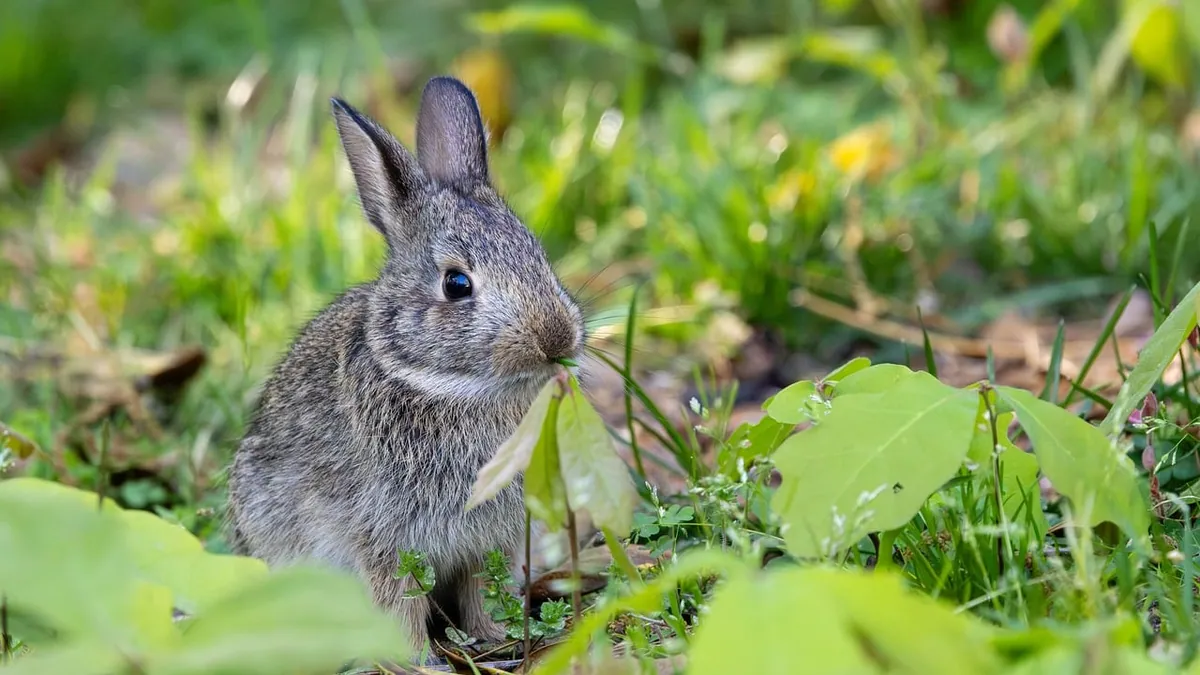
Rabbits can eat crab apples and grapes, but only as occasional treats in very small amounts. These fruits are sugary and watery, and they should never replace the grass hay that makes up most of a rabbit's diet [1]. A couple of small pieces a week is plenty for most healthy adult rabbits.
This article is educational and is not a substitute for veterinary diagnosis or treatment.
Quick Answer
- Crab apples are safe for rabbits only if you remove the stem, seeds, and core, and offer just a small slice.
- Grapes are safe in small amounts, but cut each grape into quarters to reduce choking risk.
- Fruit should be a rare treat, not a daily food. A healthy rabbit diet is about 85 to 90 percent grass hay [1].
- Never feed fruit that contains added sugar, xylitol, garlic, onion, salt, or other seasonings.
- If your rabbit eats a large amount of fruit or any seeds, watch for not eating, small or no droppings, drooling, bloating, hunching, or lethargy, and call your veterinarian.
Can Rabbits Eat Crab Apples? The Short Answer
Yes, a rabbit can eat a small piece of crab apple. The fruit itself is not toxic to rabbits. The problems come from the seeds, the stem, the core, and the amount you feed.
Crab apples are small, tart apples. They contain sugar, water, and some fiber and vitamin C. That sounds healthy, but a rabbit's digestive system is built for grass hay, not fruit. Rabbits are herbivores with a specialized digestive tract, and they need a high-fiber diet to keep their gut moving [1].
A rabbit's natural diet is nutrient-rich plant material, mostly fibrous grasses. Most of their droppings are small, dry pellets, and they also produce soft droppings called cecotropes, which they eat to get protein, vitamins, and other nutrients [1]. Fruit does not support any of that.
So crab apple is a treat. It is not a meal, and it is not a substitute for hay, plain pellets, or leafy greens.
Can Rabbits Eat Grapes and Apples?
Grapes and regular apples are also safe in small, seed-free amounts. The same rules apply to all three fruits.
For apples, remove the seeds, stem, and core. Apple seeds contain compounds that release small amounts of cyanide when chewed, so they should not be fed. A thin slice of apple flesh is the safe part.
For grapes, remove the stem and cut the grape into small pieces. Whole grapes can be a choking hazard for a small rabbit, and the skin can be tough to chew. A quarter of a grape is a reasonable treat size for an average adult rabbit.
Do not feed raisins. Raisins are dried grapes, so the sugar is concentrated in a much smaller package. A rabbit can eat several raisins quickly without feeling full, which makes it easy to overdo the sugar.
If you also have a dog, the rules are different. Grapes and raisins can cause kidney injury in dogs, so keep fruit bowls out of reach. You can read more about that in Can Dogs Eat Grapes? What To Do Right Now and Can Dogs Eat Strawberries And Grapes.
What Is in Crab Apples and Grapes?
Crab apples and grapes are mostly water and sugar. They provide small amounts of fiber, vitamin C, and plant compounds called polyphenols.
Grape by-products, including seeds, pomace, stalks, and extracts, are rich in polyphenols, dietary fiber, and lipid bioactives [2]. In commercial rabbit production, moderate amounts of these grape by-products have been studied as feed ingredients. Some research shows they can support antioxidant status, immune function, and gut fermentation without consistently hurting growth when they are properly formulated [2].
That research is about farm rabbits eating formulated feed, not about your pet rabbit eating a grape from your hand. Grape seeds and grape stems are not the same as the fruit. One study found that a grape stem ingredient had more than 40 percent fiber and more than 6 percent polyphenols, and inclusion rates up to 10 percent did not affect mortality, feed intake, daily gain, or feed conversion in growing rabbits [3]. Another study found that adding 10 percent grape seed to a rabbit diet changed body weight, daily gain, and dry matter intake, and it also changed the fat profile of the meat [4].
None of that means you should feed your pet rabbit grape seeds or grape stems. Those are feed-industry ingredients, and the amounts used in those trials were measured and controlled. Your rabbit's treat should be a small piece of grape flesh, nothing more.
Risks of Feeding Crab Apples and Grapes to Rabbits
The main risk is sugar. Fruit is a concentrated sugar source, and too much sugar can upset the balance of bacteria in a rabbit's gut. That can lead to soft droppings, diarrhea, or a slowdown in gut movement.
A slowdown in gut movement is serious in rabbits. They cannot vomit, so they cannot clear a problem by throwing up. Signs of trouble include not eating, small or no droppings, drooling, bloating, hunching, and lethargy. If you see any of these, call your veterinarian right away.
Other risks include:
- Choking. Whole grapes and large apple chunks can lodge in the mouth or throat. Cut everything into small, thin pieces.
- Seeds. Apple and crab apple seeds should always be removed. They contain a compound that releases cyanide when chewed.
- Pesticide residue. Wash all fruit well before feeding it.
- Added ingredients. Never feed fruit that has been cooked with sugar, syrup, xylitol, garlic, onion, salt, or spices. Xylitol is toxic to some animals and should never be given to a rabbit.
- Stems and leaves. Grape stems and leaves are not a safe treat for pet rabbits. The research on grape stems is about processed feed ingredients, not fresh stems from your kitchen [3].
A low-fiber diet raises the chance of severe digestive illness, especially in young rabbits [1]. Fruit has fiber, but not the kind or amount a rabbit needs. That is why fruit stays a treat.
How to Offer Crab Apples and Grapes Safely
Follow these steps every time.
- Wash the fruit under running water.
- Remove the stem, seeds, and core from crab apples and apples.
- Cut the fruit into small, thin pieces. For a grape, cut it into quarters.
- Offer one small piece at a time.
- Watch your rabbit eat it. Remove any uneaten pieces after a few minutes.
- Keep fruit to a rare treat. Once or twice a week is enough for most healthy adult rabbits.
Introduce any new food slowly. Give one small piece and wait a day to see how your rabbit responds. If droppings change or your rabbit stops eating, stop the treat and call your veterinarian.
Young rabbits, senior rabbits, and rabbits with a history of gut problems may need to skip fruit entirely. Ask your veterinarian what is safe for your rabbit.
Form, Safety, and Notes
| Form | Safe? | Notes |
|---|---|---|
| Fresh crab apple, peeled and seeded | Yes, in small amounts | Remove stem, seeds, and core. Cut into a thin slice. |
| Crab apple seeds, stem, or core | No | Seeds contain a compound that releases cyanide when chewed. |
| Fresh apple, peeled and seeded | Yes, in small amounts | Same rules as crab apple. |
| Fresh grape, cut into quarters | Yes, in small amounts | Cut to reduce choking risk. |
| Raisins | No | Concentrated sugar in a small package. Easy to overfeed. |
| Grape stems or leaves | No | Not a safe treat for pet rabbits. |
| Fruit with xylitol, garlic, onion, salt, or syrup | No | These additives can be toxic or harmful. |
| Canned or cooked fruit | No | Often packed with added sugar or syrup. |
What to Do If Your Rabbit Ate Too Much Fruit or a Dangerous Form
Stay calm and assess what your rabbit actually ate.
If your rabbit ate a small piece of crab apple or grape with no seeds, watch for the next 24 hours. Check that your rabbit is eating, drinking, and producing normal droppings. If everything looks normal, no treatment is likely needed.
If your rabbit ate seeds, a stem, a large amount of fruit, or fruit with xylitol, garlic, onion, or salt, call your veterinarian or a pet poison control hotline right away. Do not wait for signs to appear.
Never try to make your rabbit vomit. Rabbits cannot vomit, and forcing anything down their throat can cause choking or aspiration.
Signs that need same-day veterinary care include:
- Not eating or refusing favorite foods
- Small or no droppings
- Drooling
- Bloated or hard belly
- Hunching in a corner
- Lethargy or weakness
- Diarrhea or soft, unformed droppings
These signs can point to a gut slowdown, which is an emergency in rabbits. Early treatment matters.
Safer Alternatives to Fruit
If you want to give your rabbit a treat, these options are lower in sugar and closer to a rabbit's natural diet:
- A small piece of leafy green such as romaine, cilantro, or parsley
- A thin slice of bell pepper
- A small piece of broccoli stem
- A few dandelion greens
- A small amount of plain grass hay as a "treat" in a toy or puzzle feeder
Fresh clean water and unlimited grass hay should always be available. A healthy rabbit diet is about 85 to 90 percent grass hay, plus a smaller amount of pellets containing 15 to 20 percent crude fiber [1]. High fiber supports digestion and lowers the risk of intestinal disease [1].
Good-quality commercial rabbit pellets stored in cool, dry, airtight conditions, without added ingredients such as dried fruit or nuts, usually provide the nutrients a rabbit needs [1]. Rabbits need vitamins A, D, and E in their diet, and B vitamins and vitamin K are usually made by normal bacteria in the intestines, so supplements of those are generally unnecessary [1].
If you have other pets, keep fruit treats separate. Dogs and cats have their own food safety rules. For example, see Can Dogs Eat Strawberries And Apples and Can Cats Eat Crab? Shell Hazards and Sodium.
Limitations and When to Contact a Veterinarian
This article covers general guidance for healthy adult rabbits. It cannot account for your rabbit's age, weight, health history, or current medications. Individual cases need a veterinarian who can examine your rabbit and set a plan for your pet.
Call your veterinarian the same day if your rabbit ate a large amount of fruit, ate seeds or a stem, or ate fruit with xylitol, garlic, onion, salt, or syrup.
Go to an emergency clinic now if your rabbit is not eating, has small or no droppings, is drooling, has a bloated or hard belly, is hunched in a corner, or is lethargic or weak.
Schedule a routine visit if your rabbit has repeated soft droppings after treats, if you are unsure how much fruit is safe for your rabbit, or if you want help building a balanced diet.
Frequently Asked Questions
Can rabbits eat crab apples every day?
No. Crab apples are a treat, not a daily food. Most healthy adult rabbits should get fruit no more than once or twice a week in very small amounts. Daily fruit can add too much sugar and crowd out the hay your rabbit needs.
Do rabbits eat crab apples in the wild?
Wild rabbits may nibble fallen fruit if they find it, but that does not make it a good diet. Wild rabbits eat a wide range of grasses and plants, and their survival does not depend on fruit. Pet rabbits should stick to a hay-based diet with fruit as a rare extra.
Can rabbits eat apple seeds?
No. Apple and crab apple seeds should always be removed before feeding. The seeds contain a compound that releases cyanide when chewed, and small pets are more vulnerable to it. Feed only the flesh of the fruit.
Can rabbits eat grape skins?
Yes, in small amounts, as long as the grape is cut into small pieces. The skin is part of the fruit and is not toxic. The bigger concern is choking and sugar, so keep pieces tiny and infrequent.
What if my rabbit ate a whole grape?
A single whole grape is unlikely to cause serious harm in a healthy adult rabbit, but it is a choking risk and a sugar load. Watch for not eating, small or no droppings, drooling, bloating, hunching, or lethargy over the next 24 hours. If any of those appear, call your veterinarian.
Related Articles
- Can Rabbits Eat Apples, Pears, and Other Fruits?
- Can Rabbits Eat Grapes? Sugar and Serving Limits
- Can Rabbits Eat Bananas? Safe Amounts and Risks
References
- Diet for Rabbits - All Other Pets. Merck Veterinary Manual.
- Functional Effects of Dietary Grape By-Products on Rabbit Health, Performance, and Meat Quality. Animals : an open access journal from MDPI, 2026.
- Valorisation of grape stem as an alternative ingredient in rabbit feed. Waste management & research : the journal of the International Solid Wastes and Public Cleansing Association, ISWA, 2025.
- Grape seed supplementation in growing rabbits: Effect on meat quality. Meat science, 2025.