Can Hedgehogs Eat Eggs? Raw, Scrambled, and Boiled Safety
By Dr. Zubair Khalid, DVM, MS, PhD ·
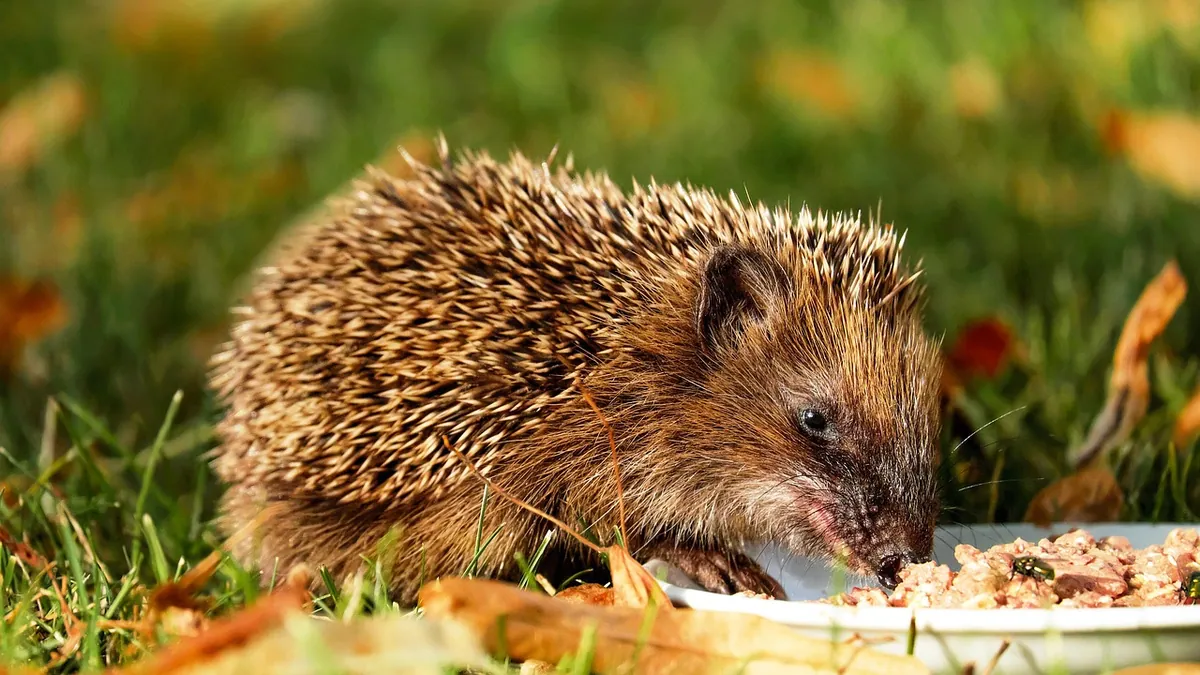
Yes, hedgehogs can eat eggs, but only cooked and only in small amounts. A plain scrambled or hard boiled egg is a safe occasional treat for most pet hedgehogs. Raw eggs should be avoided because of Salmonella risk, and eggs should never replace a balanced hedgehog diet.
This article is educational and is not a substitute for veterinary diagnosis or treatment.
Quick Answer
- Cooked eggs are safe for hedgehogs in small portions, roughly a teaspoon or less per serving, once or twice a week at most.
- Raw eggs are not recommended because of Salmonella and other bacterial contamination risk.
- Always cook eggs plain. No butter, oil, salt, cheese, milk, garlic, onion, or xylitol-sweetened additives.
- Cut eggs into tiny, hedgehog-sized pieces to reduce choking risk, and remove any shell.
- Eggs are a treat, not a meal. They should make up a very small part of a diet built on a quality commercial hedgehog food and appropriate insect protein.
Can Hedgehogs Eat Eggs? The Short Answer
Cooked eggs are safe for hedgehogs. Raw eggs are not. That is the simplest way to answer the question, and it covers most of what owners need to know.
Hedgehogs are insectivores and opportunistic omnivores. In the wild, they eat beetles, earthworms, slugs, snails, moths, and grasshoppers, and these prey items make up the bulk of their natural diet [1]. Some hedgehogs also eat pet food left outdoors, which shows they will take advantage of easy calories when they find them [1]. An egg fits that pattern. It is a rich, easy-to-eat food that a hedgehog will usually accept without hesitation.
That does not mean eggs should be a staple. A pet hedgehog's diet needs to be balanced, and eggs are a supplement, not a base. If you want a full picture of what your hedgehog actually needs day to day, see Hedgehog Food: Nutritional Requirements and Commercial Diet Selection.
Nutrition: What Eggs Offer a Hedgehog
An egg is mostly water, protein, and fat, with a modest amount of vitamins and minerals. For a small insectivore, that protein and fat content is the main draw. It is calorie-dense, which matters for a pet that may need to gain weight or recover from illness.
The benefit is real but limited. A hedgehog that is eating a complete commercial diet and a variety of insects is already getting adequate protein. Adding egg does not fix a poor diet, and it does not replace missing nutrients. Think of it as a high-value treat that also happens to deliver some usable protein.
There is one practical upside. Picky hedgehogs often accept egg when they refuse other foods. If your hedgehog is underweight or recovering, a veterinarian may suggest a small amount of cooked egg as a palatable calorie source. That decision should come from your vet, not from a general feeding chart.
Risks of Feeding Eggs to Hedgehogs
Salmonella and Other Bacteria
This is the biggest concern with raw eggs. Hedgehogs are already known carriers of Salmonella and other foodborne bacteria, and that matters for two reasons.
First, wild hedgehogs carry these organisms at high rates. In one study of hospitalized wild hedgehogs, foodborne pathogens were found in 60% of the animals, with Salmonella detected in 18% [2]. A separate study of wild hedgehogs in northern Italy found Salmonella in 39% of tested animals [3]. Salmonella Enteritidis was the most common type in both studies[3].
Second, Salmonella is not a minor issue for hedgehogs. In a study of hedgehogs admitted to a rehabilitation center, bacterial infections were the second leading cause of death at 26%, and Salmonella Enteritidis was a frequent cause [4]. A separate report described Salmonella associated with gastrointestinal disease in rescued hedgehogs [5].
So the risk runs both ways. A raw egg can introduce Salmonella to your hedgehog, and your hedgehog may already be shedding bacteria that can spread to you. Cooking the egg kills Salmonella and removes that specific risk. If you handle raw eggs or your hedgehog's waste, wash your hands well afterward.
Choking and Digestive Upset
Eggs are soft, but a large piece can still cause trouble for a small animal. Cut everything into pieces no bigger than a pea, and smaller for a small hedgehog.
Rich, fatty food can also trigger loose stool or vomiting in a hedgehog that is not used to it. Start with a very small amount and watch for changes over the next day.
Dangerous Additives
What you cook the egg with matters as much as the egg itself. Butter, oil, salt, cheese, and milk can all cause digestive problems. Garlic and onion are toxic to many small mammals and should never be included. Xylitol, a sweetener found in some sugar-free products, is dangerous to pets and has no place in hedgehog food.
Plain is the rule. If you would not feed the ingredient on its own, do not feed it in the egg.
Can Hedgehogs Eat Raw Eggs?
No. Raw eggs are not safe for hedgehogs. The main reason is Salmonella, and the evidence above shows how common and how serious that infection can be in this species [2][4][3].
Some owners point out that wild hedgehogs may eat broken eggs or eggshells they find. That is true in the sense that a wild animal may encounter almost anything. It does not make raw egg a good choice for a pet. Wild hedgehogs also die from bacterial infections at meaningful rates, and Salmonella Enteritidis is one of the culprits [4].
There is no nutritional advantage to feeding raw egg. Cooking destroys bacteria without removing the protein and fat your hedgehog actually uses. Skip raw entirely.
Can Hedgehogs Eat Scrambled Eggs?
Yes, plain scrambled eggs are safe. Cook them without butter, oil, milk, cheese, salt, or seasoning. Use a nonstick pan or a small amount of water if you need to prevent sticking.
Let the egg cool completely before serving. Hot food can burn a hedgehog's mouth and tongue. Break the cooked egg into small, soft pieces.
Scrambled egg is often the easiest form to portion because you can cook one egg and use only a tiny amount. Refrigerate the rest for your own meal, not for the hedgehog. Do not leave egg sitting in the cage.
Can Hedgehogs Eat Hard Boiled Eggs?
Yes, hard boiled eggs are safe. Boiling avoids added fat entirely, which makes it a good option for a hedgehog that needs to keep calories controlled.
Peel the shell off completely. Eggshell is not a safe treat for a hedgehog and can cause choking or digestive irritation. Cut the white and yolk into small pieces. Some hedgehogs prefer the yolk, others prefer the white, and either is fine in small amounts.
Hard boiled egg keeps in the refrigerator for a few days, so it is convenient if you want to offer a tiny piece every other day. Discard any egg left in the cage after a few hours.
Do Hedgehogs Lay Eggs?
No. Hedgehogs are mammals. They give birth to live young, called hoglets, and nurse them. They do not lay eggs.
This question comes up because the word "hedgehog" sounds like it might describe an egg-laying animal, and because people sometimes confuse hedgehogs with birds or reptiles in casual conversation. There is no egg-laying stage in a hedgehog's life cycle.
How to Offer Eggs Safely
Keep these steps in mind every time you feed egg.
- Cook the egg plain, with no added fat, salt, dairy, garlic, onion, or sweetener.
- Cool it fully before serving.
- Cut it into pieces no larger than a pea.
- Offer about a teaspoon or less per serving.
- Limit egg to once or twice a week at most.
- Remove uneaten egg after a few hours so it does not spoil.
- Keep egg as a treat alongside a complete diet, not as a replacement.
If your hedgehog is new to eggs, start with a single tiny piece and watch for vomiting, loose stool, or refusal to eat over the next day.
Egg Preparations: What Is Safe and What Is Not
| Form | Safe? | Notes |
|---|---|---|
| Plain scrambled egg | Yes | No butter, oil, milk, salt, or seasoning. Cool before serving. |
| Hard boiled egg | Yes | Peel the shell. Cut white and yolk into small pieces. |
| Plain poached egg | Yes | Safe if cooked without added fat or salt. |
| Raw egg | No | Salmonella risk. Cook it first. |
| Fried egg in butter or oil | No | Added fat can cause digestive upset. |
| Egg with cheese, milk, or cream | No | Dairy is not appropriate for hedgehogs. |
| Egg with salt, garlic, or onion | No | Garlic and onion are toxic to small mammals. |
| Egg with xylitol or sugar-free sweetener | No | Xylitol is dangerous to pets. |
| Eggshell | No | Choking and digestive risk. Remove it. |
What If Your Hedgehog Ate Too Much Egg or a Dangerous Form?
If your hedgehog ate a large amount of plain cooked egg, watch for vomiting, diarrhea, or a drop in appetite. Most cases are mild, but a hedgehog that stops eating or seems lethargic needs veterinary attention.
If your hedgehog ate raw egg, the concern is bacterial infection. Watch for diarrhea, vomiting, lethargy, and reduced eating over the next few days. Call your veterinarian if any of these appear.
If your hedgehog ate egg cooked with garlic, onion, xylitol, or a large amount of salt or fat, treat it as a possible poisoning. Contact your veterinarian or an animal poison control service right away. Do not wait for symptoms.
Safer Alternatives to Eggs
Eggs are fine as an occasional treat, but they are not the only option. Better everyday choices include:
- A quality commercial hedgehog food as the dietary base.
- Appropriate insects such as mealworms, crickets, and waxworms in controlled amounts.
- Small pieces of plain cooked chicken or turkey with no seasoning.
- Small amounts of cooked vegetables such as sweet potato or carrot.
If you are unsure whether a food is safe, check a reliable guide before offering it. The same principles that apply to dogs apply to many treats, and you can see how a similar question is handled in Can Dogs Eat Eggs? Raw Salmonella vs Scrambled. For a full care overview, including housing and health monitoring, see Pet Hedgehog Care: Housing, Diet, and Health Management.
Limitations and When to Contact a Veterinarian
No article can tell you what is right for your specific hedgehog. Age, weight, health status, and existing conditions all change the answer. Individual cases need a veterinarian who can examine your pet.
Contact your veterinarian the same day if your hedgehog:
- Vomits after eating egg
- Has diarrhea that lasts more than a day
- Refuses food or water
- Seems unusually tired or weak
- Shows signs of pain, such as hunching or reluctance to move
Seek emergency care immediately if your hedgehog:
- Ate egg containing garlic, onion, xylitol, or a large amount of salt
- Is having trouble breathing
- Collapses or cannot stand
- Has repeated vomiting or severe diarrhea
- Shows tremors, seizures, or unresponsiveness
For routine questions about diet, portion sizes, and whether egg fits your hedgehog's plan, schedule a regular visit. Bring a list of everything your hedgehog eats so your vet can spot gaps or excesses.
Frequently Asked Questions
Can hedgehogs have eggs every day?
No. Egg is a treat and should be offered no more than once or twice a week. Daily egg can crowd out the balanced diet your hedgehog needs and may cause digestive upset.
Is the egg white or the yolk better for a hedgehog?
Both are fine in small amounts. The yolk is higher in fat and calories, while the white is mostly protein. Offer a mix of both unless your veterinarian advises otherwise.
Can baby hedgehogs eat eggs?
Hoglets that are still nursing should not be given egg. Once a young hedgehog is fully weaned and eating solid food, a tiny piece of plain cooked egg is generally acceptable, but ask your veterinarian first.
Does cooking an egg remove all the risk?
Cooking kills Salmonella and most other bacteria, which removes the main risk of raw egg. It does not remove the risk of overfeeding, choking on large pieces, or reactions to added ingredients.
Can I feed my hedgehog egg if it has a health condition?
It depends on the condition. Hedgehogs with kidney, liver, or digestive problems may need a restricted diet, and egg may not fit. Ask your veterinarian before adding any new food.
Related Articles
- Hedgehog Food: Nutritional Requirements and Commercial Diet Selection
- Are Hedgehogs Legal to Own? What to Check
- Pet Hedgehog Care: Housing, Diet, and Health Management
- Can Hedgehogs Eat Dog Food? Risks and Safe Alternatives
- Can Hedgehogs Eat Cat Food? Wet, Dry and Tuna Safety
References
- Diet Metabarcoding Reveals Correlations Between the Consumption of Slugs and Hepatic Toxicants in European Hedgehogs (Erinaceus europaeus). Integrative zoology, 2026.
- Foodborne pathogenic bacteria in wild European hedgehogs (Erinaceus europaeus). Acta veterinaria Scandinavica, 2024.
- Spatiotemporal Distribution of Salmonella enterica in European Hedgehogs in Northern Italy. Pathogens (Basel, Switzerland), 2023.
- Causes of Death and Screening for Toxicants and Hemopathogens of European Hedgehogs (Erinaceus europaeus) from a Wildlife Rehabilitation Center in Northern France. Journal of wildlife diseases, 2025.
- Detection and antimicrobial susceptibility patterns of Salmonella enterica subsp. arizonae and Proteus spp. associated with gastrointestinal disease in rescued hedgehogs (Erinaceus europaeus). Comparative immunology, microbiology and infectious diseases, 2026.