Is Cat Hair Bad for You? Allergies, Asthma, and Pregnancy
By Dr. Zubair Khalid, DVM, MS, PhD ·
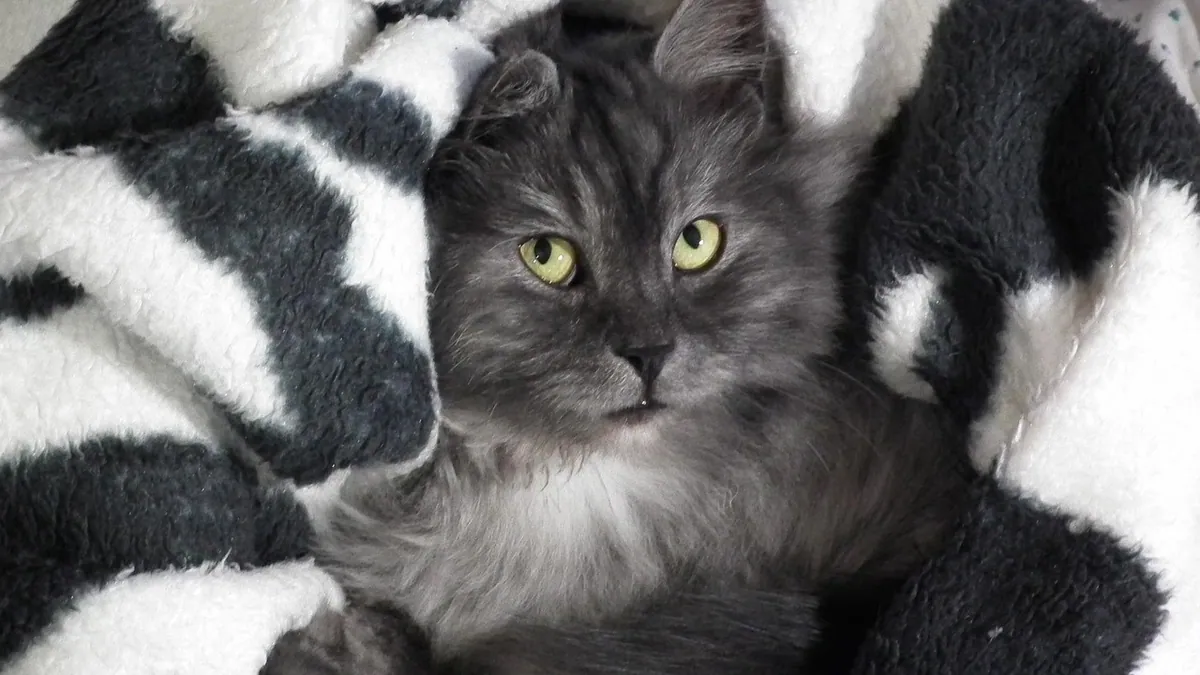
Cat hair itself is not toxic or dangerous to touch, but it carries allergens that can trigger sneezing, itchy eyes, and asthma attacks in sensitive people. For most households, the real issue is not the hair, it is the proteins in cat saliva, skin flakes, and urine that cling to hair and spread through the air. If you are pregnant, living with a cat is generally safe, but you should avoid cleaning the litter box because of a parasite risk that comes from cat feces, not cat hair. This article is educational and is not a substitute for veterinary diagnosis or treatment.
Quick Answer
- Cat hair is not poisonous, and simply touching it will not harm you.
- The allergen that causes most cat reactions is a protein called Fel d 1, found in saliva, skin, and urine, and it sticks to hair and dander [1].
- Cat allergy affects about 15% of people in the United States and can cause severe symptoms, including asthma [1].
- Some people with asthma react to cats even when standard allergy tests are negative, so a negative test does not always rule out cat-triggered symptoms [2].
- If you are pregnant, cat hair is not the concern. Toxoplasmosis comes from cat feces, so have someone else handle litter box duty and keep the box clean.
What Is Cat Hair "Bad for You" Really About?
When people ask whether cat hair is bad for you, they usually mean one of two things. They want to know if cat hair is dangerous in some direct way, or they want to know if it makes allergies and asthma worse. The answer to the first is no. Cat hair is not a toxin, and it does not carry poison. The answer to the second is more complicated.
The protein that drives most cat allergies is Fel d 1. It is produced mainly in saliva and skin glands, and it gets spread onto hair when a cat grooms itself [1]. Hair and dander then act like tiny delivery vehicles. They float in the air, settle on furniture, and stick to clothing. When you breathe them in, your immune system may react.
Fel d 1 is also highly variable between cats. A 2024 analysis of 276 domestic and exotic cats found more than 100 unique substitutions in the protein sequences across the cat family [1]. That helps explain why some people react badly to one cat and barely notice another. It is not about how much hair the cat sheds. It is about the allergen load in that individual cat.
Cat hair is not the same as cat dander, but the two travel together. Dander is the shed skin flakes. Hair traps dander, saliva, and urine proteins. So when you pet a cat and later rub your eyes, you are reacting to the allergen coating, not the hair strand itself.
Is Cat Hair Dangerous? Signs Owners and Family Members Notice
The symptoms people blame on cat hair are allergy and asthma symptoms. They show up in the person, not the cat. Common signs include sneezing, a runny or stuffy nose, itchy or watery eyes, and itchy skin after contact. Some people develop a rash where a cat scratches or licks them.
Asthma symptoms are the ones to take seriously. These include wheezing, chest tightness, coughing, and shortness of breath. In one study of asthmatic patients who reported symptoms triggered by cat exposure, some tested negative on standard skin prick and blood tests for cat-specific IgE [2]. That means a person can have real, reproducible breathing symptoms around cats even when routine allergy testing does not confirm cat allergy.
For children with existing asthma and allergy, cat exposure has been studied closely. A large Swedish cohort looked at more than 30,000 children with validated asthma and allergy diagnoses to see how cat ownership related to asthma outcomes [3]. The findings add to a long-running debate about whether pets help or hurt children with allergic asthma. The practical takeaway for families is that a child with known cat-triggered asthma should be evaluated by a doctor before bringing a cat home.
If your cat itself is sneezing, itching, or losing hair, that is a separate problem. Cats get their own airborne allergies, and feline atopic dermatitis causes severe itching, redness, and swelling of the skin, with excessive scratching and licking leading to sores, hair loss, scaling, and crusts [4]. About 15% of affected cats also develop nasal inflammation or asthma [4]. If your cat has these signs, see Cat Sneezing a Lot: Allergies, Infection, or Something Else? and Why Is My Cat Losing Hair?.
Causes and Risk Factors for Cat-Related Reactions
Cat allergy is common. It affects roughly 15% of the US population and can cause severe symptoms, including asthma [1]. The main driver is Fel d 1, and the amount of it varies from cat to cat [1].
Several factors raise the odds that cat exposure will cause trouble.
- Existing allergic disease. Cat sensitization is linked to having both allergic rhinitis and asthma together. In a study of 1,367 patients, cat sensitization was associated with the combined condition, and cat ownership among cat-sensitized patients raised the odds further [5].
- Co-sensitization to other allergens. Being sensitized to both house dust mites and cat dander increased the prevalence of allergic rhinitis plus asthma in that same study [5].
- Number of animals in the home. A study of 525 children found a dose-response pattern, where contact with more than one dog and more than one cat was strongly associated with asthma in children aged 5 and older [6].
- Age and genetics. Feline atopy in cats often starts before age 5, and purebred cats are more likely to be affected than domestic shorthairs [4]. In people, a family history of allergy and asthma raises risk [5].
Pregnancy deserves its own note. Cat hair is not bad for pregnancy. The infection people worry about, toxoplasmosis, is caused by a parasite shed in cat feces, not by hair or dander. You can get it from gardening soil, undercooked meat, or handling an infected cat's litter box. If you are pregnant, let someone else scoop the box, or wear gloves and wash your hands well if you must do it. Indoor cats that eat commercial food and never hunt are at low risk of shedding the parasite.
How Cat Allergy and Asthma Are Diagnosed
Diagnosis in people is handled by a physician or allergist, not a veterinarian. Standard testing includes skin prick tests and blood tests for cat-specific IgE. These tests are useful, but they are not perfect.
A newer approach uses a nasal provocation test, where cat allergen extract is placed in the nose in increasing concentrations while breathing and symptoms are monitored [2]. This can identify people who react to cats despite negative systemic tests [2]. If you have clear symptoms around cats but normal allergy tests, ask your doctor whether further evaluation makes sense.
Diagnosis in the cat is a different process. When a cat has itchy skin, hair loss, or respiratory signs, your veterinarian will rule out fleas, infections, and food reactions first. Feline atopic dermatitis is a clinical diagnosis based on history, exam, and response to treatment [4]. There is no single perfect test. Your veterinarian may recommend allergy testing to guide treatment, but the results are interpreted alongside the cat's signs.
| Question | What the evidence shows |
|---|---|
| Is cat hair toxic? | No. Hair is not poisonous. Allergens in saliva, skin, and urine stick to it [1]. |
| Can cat allergy cause asthma? | Yes. Cat allergy is a risk factor for allergic respiratory disease and can cause severe symptoms, including asthma [1]. |
| Can you react to cats with a negative allergy test? | Yes. Some asthmatic patients have symptoms with cat exposure despite negative systemic cat-specific IgE [2]. |
| Is cat hair bad during pregnancy? | No. The pregnancy concern is toxoplasmosis from feces, not hair. |
| Does cat ownership always worsen childhood asthma? | Not always. The relationship is complex and depends on the child's sensitization and other factors [3][6]. |
Treatment Options for People and Cats
For people, treatment starts with reducing exposure and managing symptoms. Antihistamines, nasal steroid sprays, and inhalers are common, and your doctor sets the type and dose. Do not guess at medication for a child or during pregnancy.
Allergen immunotherapy is another option. A real-world study of subcutaneous cat allergen immunotherapy in patients with cat-induced allergic rhinitis or asthma found it is used as a disease-modifying treatment when complete avoidance is impractical [7]. Patients received the extract for at least 6 months, and outcomes included symptom scores, medication scores, and quality of life measures [7]. If you want to keep your cat and your symptoms are significant, ask an allergist whether immunotherapy is appropriate for you.
For cats with their own allergies, treatment is set by your veterinarian. Options may include avoiding the trigger, medications to control itching, and specific therapies for skin or airway disease. Feline atopic dermatitis can be seasonal or year-round, and management is often long term [4]. If your cat is on allergy medication, watch for side effects and read Cat Allergy Medication Side Effects: What to Watch For. Stress-related overgrooming can also mimic allergy, so see Psychogenic Overgrooming in Cats: Stress-Induced Alopecia vs Flea Allergies if hair loss is the main sign.
Recovery, Outlook, and Long-Term Management
Cat allergy tends to be lifelong, but symptoms can be controlled. Many people live comfortably with cats using a combination of home changes and medical treatment. Complete avoidance is the most effective step, but it is often impractical, which is exactly why immunotherapy is studied as an option [7].
For households that keep the cat, a few habits help.
- Wash your hands after petting the cat, and avoid touching your face.
- Keep the bedroom cat-free if possible, since you spend hours there each night.
- Use HEPA filtration and vacuum often. Allergen particles are small and settle into soft surfaces.
- Bathe or wipe down the cat regularly if your veterinarian approves. This reduces allergen on the coat, though it does not remove it completely.
- Have a non-allergic person handle litter box cleaning, especially during pregnancy.
For cats with atopic dermatitis, the outlook varies. Some improve with seasonal changes, and others need ongoing management [4]. Purebred cats are more likely to be affected, so if you have a purebred with itchy skin, mention it to your veterinarian [4].
Prevention and Reducing Exposure
If you are thinking about getting a cat and someone in the home has allergies or asthma, plan ahead. Spend time with cats before adopting, ideally the specific cat you are considering. Reactions can differ between cats because Fel d 1 varies so much [1].
If you already have a cat and a family member is struggling, do not rehome the cat in a panic. Talk to a doctor first. Many people can manage symptoms with treatment and home changes. If a child has asthma, work with a pediatrician or allergist before making decisions about the cat.
For pregnant readers, the prevention steps are simple. Avoid raw or undercooked meat, wear gloves for gardening, and let someone else clean the litter box. If you must clean it, scoop daily, wash your hands afterward, and keep the box away from food areas. These steps lower toxoplasmosis risk far more than worrying about cat hair.
If your cat has skin or breathing problems, prevention focuses on flea control, diet, and reducing environmental triggers. Your veterinarian can help you build a plan. Cats with atopic dermatitis often need long-term management, and early treatment reduces the chance of secondary skin infections [4].
Limitations and When to Contact a Veterinarian
This article covers human reactions to cat hair and cat allergies in cats. It cannot tell you what is happening in your specific home. Individual cases need a veterinarian for the cat and a physician for the person.
Contact a doctor or emergency service right away if a person has trouble breathing, wheezing that does not improve, swelling of the lips or throat, or chest tightness after contact with a cat. These are emergency signs.
See a doctor within a day or two if allergy symptoms are interfering with sleep, work, or school, or if over-the-counter medicines are not controlling them.
For your cat, contact your veterinarian the same day if you see open sores, widespread hair loss, constant scratching that breaks the skin, or labored breathing. Feline atopic dermatitis can cause severe itching and secondary skin damage, and about 15% of affected cats also develop nasal or airway inflammation [4]. Routine visits are appropriate for mild itching, seasonal flare-ups, or if you want to discuss allergy testing.
Frequently Asked Questions
Can cat hair make you sick?
No, cat hair does not carry disease in a way that makes you sick from touching it. The health effects people experience are allergic reactions to proteins like Fel d 1 that stick to hair and dander [1]. If you have asthma, cat exposure can trigger breathing symptoms, and some people react even with negative allergy tests [2].
Is it safe to sleep with a cat if you are allergic?
It depends on how severe your allergy is. Sleeping with a cat means hours of close exposure to dander and allergen on bedding. Many allergists suggest keeping the bedroom cat-free, but talk to your doctor about your specific symptoms before deciding.
Can you build tolerance to a cat you are allergic to?
Some people notice fewer symptoms over time, but this is not predictable. Allergen immunotherapy is the medical approach designed to change the immune response, and it is used when avoidance is not practical [7]. Ask an allergist whether it is an option for you.
Does cat hair cause toxoplasmosis in pregnancy?
No, cat hair is not the source. Toxoplasmosis comes from the parasite in cat feces, and pregnant women are advised to avoid litter box cleaning or use gloves and wash hands thoroughly. You can also get it from undercooked meat and contaminated soil.
Are some cat breeds better for allergy sufferers?
There is no truly hypoallergenic cat breed. Fel d 1 varies between individual cats, and the protein sequences differ widely across the cat family [1]. Spending time with a specific cat before adopting is more useful than choosing based on breed.
Related Articles
- Cat Sneezing a Lot: Allergies, Infection, or Something Else?
- Cat Hair Loss on Ears: Causes and What to Do
- Why Is My Cat Losing Hair?
- Psychogenic Overgrooming in Cats: Stress-Induced Alopecia vs Flea Allergies
- Cat Allergy Medication Side Effects: What to Watch For
- Cat Prednisolone for Allergies: Side Effects and Safe Use
- Cat Asthma vs Hairball: How to Tell the Difference
- How to Treat Cat Asthma: Inhalers, Meds, and Attacks
- Asthma in Cats: Life Expectancy and Attack Duration
- Toxoplasmosis in Cats: Risks to Pregnancy and Prevention
References
- Genetic diversity of the major cat allergen, Fel d 1. PNAS nexus, 2024.
- Local allergic asthma to cat allergens. The journal of allergy and clinical immunology. Global, 2026.
- Cat exposure and asthma outcomes in a cohort of children with asthma and allergy. Frontiers in allergy, 2026.
- Allergies of Cats - Cat Owners. Merck Veterinary Manual.
- Association of Cat Sensitization With Comorbid Asthma in Patients With Allergic Rhinitis: A Real-World Study. World journal of otorhinolaryngology - head and neck surgery, 2026.
- A dose-response association in the increased prevalence of asthma due to the interaction between pet exposure and the number of dogs and cats in contact with children. Allergologia et immunopathologia, 2026.
- Clinical Outcomes of Cat Allergen Immunotherapy in Patients With Allergic Rhinitis: A Real-World Study. The Journal of craniofacial surgery, 2026.