Why Does My Puppy Itch at His Collar? Normal or Allergy?
By Dr. Zubair Khalid, DVM, MS, PhD ·
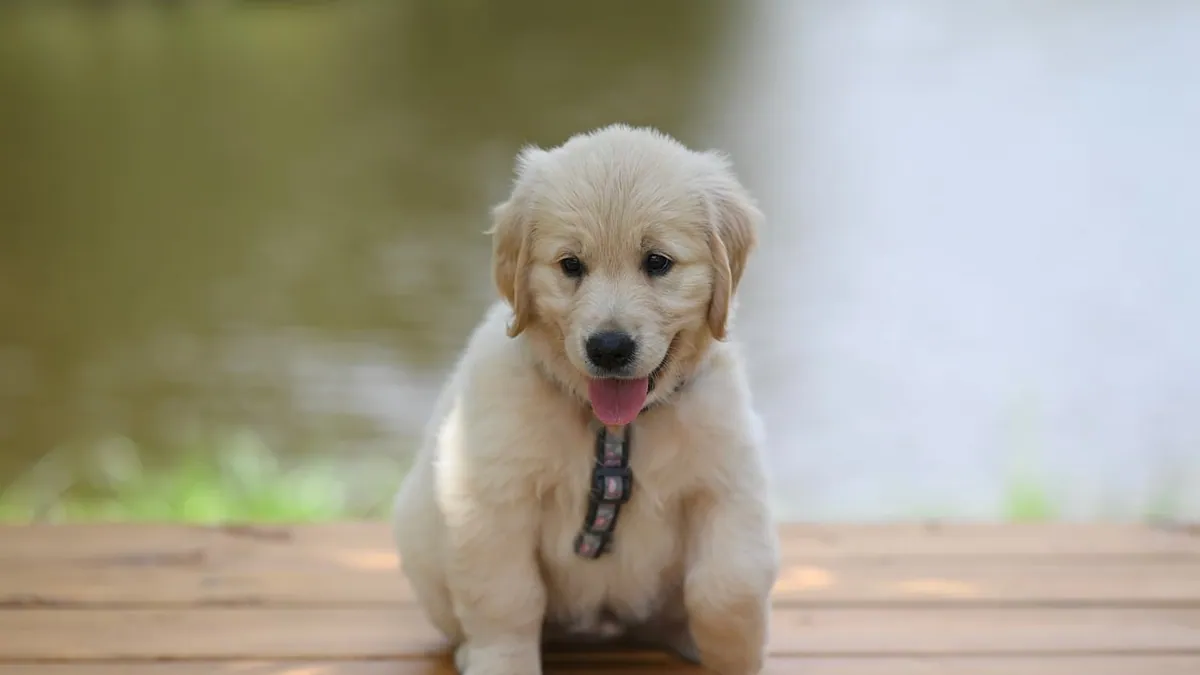
Puppies often scratch at a new collar simply because it feels strange, and that usually fades within a few days. But if the scratching continues, worsens, or comes with redness, hair loss, or a rash under the strap, something else is going on. This article is educational and is not a substitute for veterinary diagnosis or treatment.
Quick Answer
- Mild, occasional scratching at a new collar is common and typically settles as your puppy gets used to the feel.
- Itching that continues past a few days, or that focuses on the neck right under the strap, points to collar irritation or contact dermatitis.
- A collar that is too tight can rub, trap moisture, and cause sores, so you should be able to fit two fingers under it.
- Flea allergy dermatitis causes intense itching, but the classic spots are the lower back and tailhead, not the neck [1].
- If you see broken skin, swelling, discharge, or your puppy seems miserable, stop using the collar and call your veterinarian.
What Collar Itching Usually Looks Like
Normal collar-adjustment behavior is mild. Your puppy scratches at the collar for a few seconds, maybe shakes his head, then moves on to something more interesting. You may notice this most in the first day or two after you put a collar on for the first time, or after you switch to a different style.
The scratching is scattered. It is not locked onto one small spot under the buckle. The skin under the collar looks normal, with no redness, bumps, crusts, or missing hair.
Problem itching looks different. Your puppy scratches the same area again and again. He may paw at the neck, rub his face along the floor, or try to hook a back foot into the collar. When you lift the strap, you might see pink or red skin, a rash, small scabs, thinning hair, or a damp, smelly patch.
Some puppies also lick or chew at their paws and rub their face, which can be a sign of a broader allergy instead of a collar problem [2].
Why Does My Puppy Itch Her Collar? The Main Causes
There are four common reasons a puppy scratches at a collar. They can overlap, so a tight collar on allergic skin can be far worse than either problem alone.
| Cause | Typical clues | How urgent |
|---|---|---|
| Normal adjustment | Mild, occasional scratching in the first few days, normal skin under the strap | Not urgent, watch at home |
| Contact dermatitis (material reaction) | Redness, rash, or bumps exactly where the collar sits, itching that starts or worsens with a new collar | Routine vet visit if it does not improve after removing the collar |
| Tight-fit irritation | A groove in the coat, hair loss in a band, moist or raw skin, a collar that leaves marks | Same-day call if skin is broken or wet |
| Flea allergy dermatitis | Intense itching at the lower back and tailhead, scabs, hair loss, fleas or flea dirt | Routine to urgent, depending on skin damage |
Normal Adjustment
A collar is a new sensation against the neck. Many puppies scratch at it the way they would scratch at a tag or a harness. This is a habit response, not a skin disease.
The tell is timing and skin appearance. If the scratching is mild, the skin is clean, and things improve over a few days, you are likely seeing normal behavior.
Contact Dermatitis
Contact dermatitis is an allergic or irritant reaction to something touching the skin. In dogs, allergies often show up as itching, and itching is the most typical sign of allergic skin disease [2]. A reaction to a collar material can look like a rash or redness in a band that matches the strap.
Common triggers include metal hardware (especially nickel), dyes, leather treatments, and some synthetic fabrics. If the redness follows the exact shape of the collar, that pattern is a strong clue.
Allergies in dogs are partly genetic, and any breed or mixed breed can be affected [2]. So a puppy does not need a family history you know about to develop a skin reaction.
Tight-Fit Irritation
A collar that is too tight creates constant friction. The strap rubs the same strip of skin with every step, turn, and scratch. Over time this can cause hair loss, a raw patch, or a moist sore that can become infected.
Tight collars also trap moisture and dirt against the skin. That warm, damp environment is friendly to bacteria and yeast, and infections are common causes of itching in dogs [3].
Puppies grow fast, so a collar that fit last month may be too snug now. Check the fit often.
Flea Allergy Dermatitis
Flea allergy dermatitis is a hypersensitivity to proteins in flea saliva [1]. It causes intense itching, and the pattern matters. Dogs with flea allergy typically itch and develop skin lesions on the rear back and tailhead, while cats tend to itch around the head and neck [1].
That difference is useful. If your puppy is scratching mainly at the neck under the collar, flea allergy is less likely to be the whole story. If he is also chewing at his lower back, base of the tail, or hindquarters, fleas deserve a close look.
Flea problems are worst in summer, but in warm climates and in heated homes, fleas can persist all year [1]. A puppy can have flea allergy even if you rarely see a flea, because the reaction comes from the bite, not from a visible swarm.
If your puppy is itchy all over with no fleas found, other causes are worth reviewing. See Why Is My Dog Itchy but Has No Fleas? Common Causes Explained.
Red Flags That Mean Stop and Call
Most collar itching is minor. Some signs are not.
Call your veterinarian the same day if you see:
- Broken, oozing, or crusted skin under the collar
- A bad smell from the neck area
- Swelling of the neck or face
- Hair loss in a clear band where the collar sits
- Your puppy crying, refusing to be touched, or pawing constantly at the neck
- Trouble breathing, gagging, or a collar that seems to be pressing on the throat
Seek emergency care right away if your puppy has facial swelling, hives spreading over the body, vomiting with widespread hives, or difficulty breathing. Those can signal a severe allergic reaction.
Also treat any collar wound as urgent if it is deep, bleeding, or getting larger. Skin infections can worsen quickly in puppies.
Safe Things You Can Do at Home
You can do a lot while you wait for an appointment or while you watch a mild case.
Take the Collar Off
Remove the collar and see what happens. If the itching stops within a day or two and the skin looks normal, the collar was likely the trigger. If the itching continues without the collar, the cause is probably something else.
Check the Fit
You should be able to slide two fingers under the collar without forcing them. The collar should not leave a groove in the coat or slide off over the head. For a growing puppy, check the fit every week or two.
Switch Materials
Try a lightweight, plain option first. A simple nylon or cotton collar with a plastic buckle avoids metal against the skin. If you suspect a metal allergy, a coated or plastic buckle can help. Wash new collars before use to remove manufacturing residue.
Keep the Skin Clean and Dry
Gently clean the neck with a damp cloth and pat it dry. Do not scrub, and do not apply human creams, ointments, or essential oils unless your veterinarian tells you to. Some of those products are toxic to dogs or make the skin worse.
Control Fleas
Use a flea product your veterinarian recommends for your puppy's age and weight. Puppies can react to flea products, and some itchiness after application is expected. If your puppy seems uncomfortable after a flea treatment, see Is It Normal For Dogs To Itch After Flea Treatment.
Treat all pets in the home and the environment, because flea allergy control requires treating the affected pet, other pets, and the surroundings [1].
Do Not Use Human Antihistamines or Steroids
Do not give human medications without veterinary guidance. Your veterinarian calculates the dose from your puppy's weight and health, and some human drugs are unsafe for dogs.
What Your Veterinarian Will Check
Your veterinarian will start with the story. When did the itching start? Did it begin with a new collar? Is it worse at certain times of year? Does your puppy itch anywhere else?
Then comes the physical exam. Your veterinarian will look at the skin under the collar, check the coat for fleas and flea dirt, and examine the ears, paws, face, and belly. Those areas are commonly affected in dogs with allergies [2].
Your veterinarian will also look for infections. Bacterial and fungal infections are common causes of itching, and they often come with hair loss, scaling, odor, and fluid discharge [3]. If an infection is suspected, your veterinarian will often prescribe a 21- to 30-day course of antibiotics [3].
Depending on what is found, your veterinarian may recommend:
- Skin scrapes or tape preparations to look for mites and yeast
- A flea comb and close inspection of the coat
- A collar-free trial to see if the itching resolves
- Allergy testing if the pattern suggests environmental allergies
Allergy testing is not usually the first step for a simple collar reaction. It becomes more useful when itching is widespread, seasonal, or does not respond to basic treatment. In dogs with atopic dermatitis, allergen testing helps guide allergen-specific immunotherapy [4].
If your puppy has ear itching along with skin itching, that combination often points toward allergies. See Dogs Ears Itch From Allergies.
Prevention and Monitoring
Prevention comes down to fit, material, and flea control.
Check the collar fit weekly while your puppy grows. Replace collars that leave marks, smell, or stay damp. Rotate or remove the collar at night if your puppy scratches at it, as long as he is safely contained.
Choose simple materials. Metal hardware, heavy leather, and treated fabrics are more likely to irritate sensitive skin than a plain, lightweight strap.
Keep up flea prevention year round in most of the United States. Flea allergy is most common in summer, but indoor heating and warm climates allow fleas to stay active all year [1].
Watch for patterns. If itching flares every spring and summer, environmental allergens such as pollens are more likely. Seasonal patterns in allergy testing are well documented, with tree and weed pollen positivity highest in spring and summer [4]. If itching is constant regardless of season, a material or food trigger deserves more attention.
Keep a simple log. Note the collar type, when you changed it, and when the itching started or stopped. That history helps your veterinarian narrow the cause quickly.
If your puppy itches all over, not just at the collar, a broader allergy workup may be needed. See Why Is My Dog So Itchy?.
Limitations and When to Contact a Veterinarian
This article cannot tell you what is causing your puppy's itching. Only a veterinarian who examines your puppy can do that, and individual cases need a veterinarian's judgment.
Call for a same-day appointment if the skin under the collar is broken, oozing, crusted, or smelly, or if your puppy is clearly uncomfortable.
Go to an emergency clinic now if you see facial swelling, hives spreading quickly, vomiting with hives, difficulty breathing, or a collar that seems to be pressing on the airway.
Schedule a routine visit if the itching has lasted more than a few days after you removed the collar, if it keeps coming back, or if you see hair loss, scabs, or repeated ear problems.
Do not wait on a puppy with a neck wound. Puppies have thin skin and small bodies, and problems in that area can progress faster than you expect.
Frequently Asked Questions
Is it normal for puppies to itch their collar?
Yes, mild and occasional scratching at a new collar is normal. Most puppies settle within a few days as the sensation becomes familiar. If the scratching is constant, focused on one spot, or comes with redness or hair loss, it is not normal and needs a closer look.
How tight should a puppy collar be?
You should be able to fit two fingers between the collar and your puppy's neck without forcing them. The collar should not leave a groove in the coat or slip over the head. Because puppies grow quickly, check the fit every week or two.
Can a collar cause a rash on a dog?
Yes. Contact dermatitis from collar materials or hardware can cause redness, bumps, or a rash in a band that matches the strap. Metal, dyes, and leather treatments are common triggers. Removing the collar and switching to a plain, lightweight material often resolves it.
How long should I wait before calling the vet about collar itching?
If the itching does not improve within a few days after removing the collar, call your veterinarian. Call the same day if you see broken skin, discharge, swelling, a bad smell, or if your puppy seems painful or distressed.
Could fleas be causing my puppy to scratch at the collar?
Flea allergy usually causes itching on the lower back and tailhead, not mainly at the neck [1]. If your puppy is also chewing at the rear end or has scabs near the tail, fleas are a strong possibility. Treat all pets and the environment, because flea allergy control requires it [1].
Related Articles
- Why Is My Dog So Itchy?
- Dogs Ears Itch From Allergies
- Is It Normal For Dogs To Itch After Flea Treatment
- Why Is My Dog Itchy but Has No Fleas? Common Causes Explained
- Dog Sneezing: Normal or a Sign of Illness?
- Dog Licking Paws in Spring: Allergies or Something Else?
- Dog Allergic to Collar? Contact Dermatitis on the Neck
- How to Tell If Your Dog Has Allergies: Early Signs
- What Is My Dog Allergic To? Finding the Real Trigger
References
- Flea Allergy Dermatitis in Dogs and Cats - Integumentary System. Merck Veterinary Manual.
- Allergies in Dogs - Dog Owners. Merck Veterinary Manual.
- Itching (Pruritus) in Dogs - Dog Owners. Merck Veterinary Manual.
- Seasonality of Serum Allergen-Specific IgE Levels in Scandinavian Dogs Suspected of Allergy. Veterinary sciences, 2026.