Dog Nose Wound and Keratosis: How to Treat
By Dr. Zubair Khalid, DVM, MS, PhD ·
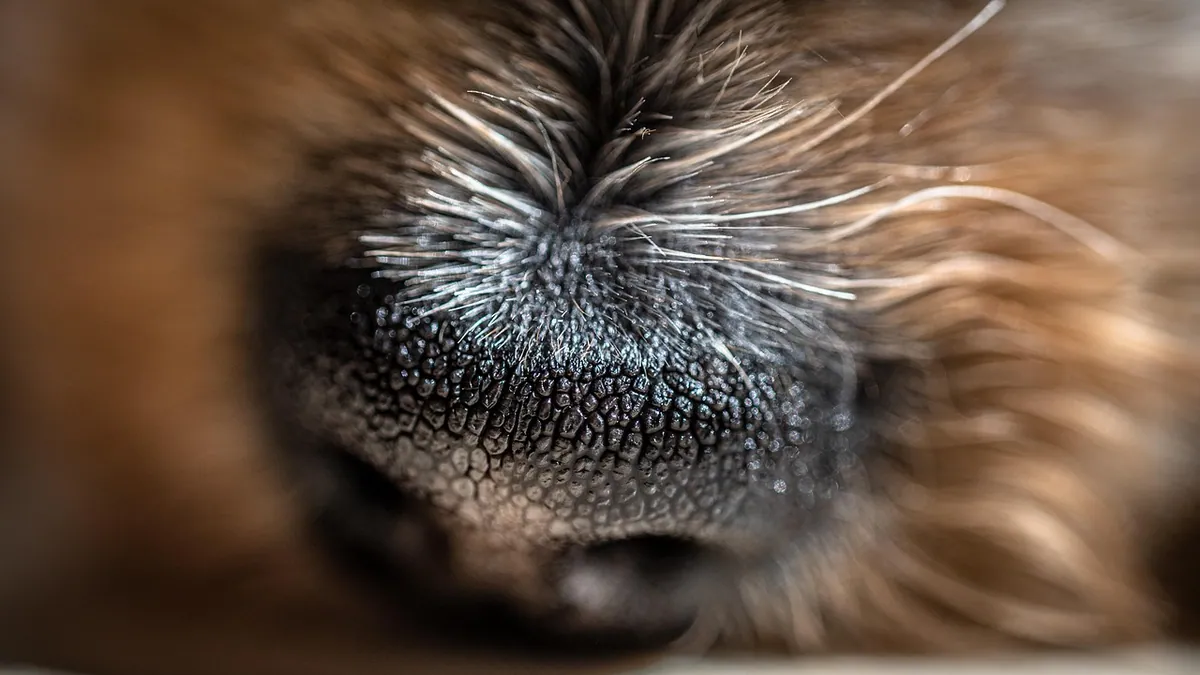
A dog nose wound is an open break in the skin, while keratosis is a buildup of rough, crusty tissue on the nasal planum. You can treat a mild wound at home with gentle cleaning and protection, but keratosis and non-healing sores need a veterinarian to identify the cause. This article is educational and is not a substitute for veterinary diagnosis or treatment.
Quick Answer
- Clean a minor nose wound with lukewarm water or plain saline on a soft cloth, then keep your dog from licking or rubbing it.
- Do not pick or peel scabs or crusts off the nose, because this reopens the skin and delays healing.
- A dry, cracked nose with thick crusts is more often keratosis or another nasal dermatosis than a simple injury [1].
- Any nose sore that bleeds, oozes pus, smells bad, or grows instead of healing needs a veterinary exam.
- Sun exposure, immune disease, infection, and tumors can all cause nasal sores that look alike, so a diagnosis matters [2][3].
What a Dog Nose Wound and Keratosis Actually Look Like
The nose itself is called the nasal planum, the hairless, often textured surface at the tip of the muzzle [1]. Problems can affect the planum, the haired bridge of the muzzle, or both [2]. Knowing which part is involved helps your veterinarian narrow down the cause.
A wound usually has a clear trigger. Your dog scraped the nose on concrete, got a bite from another pet, pushed through a fence, or rubbed the nose raw on a crate. You may see a cut, a raw patch, a small flap of skin, or dried blood.
Keratosis looks different. The surface becomes dry, thickened, and crusty, sometimes with a cracked or cobblestone texture. Crusts may build up in layers. The nose may lose pigment or turn red before crusts form, which happens in immune-mediated diseases such as lupus and pemphigus [1].
A normal nose can be slightly dry or warm and still be healthy. Mild dryness after a nap, in winter, or in dry indoor air is common and not a disease. What matters is a change from your dog's normal, especially crusting, cracking, bleeding, or a sore that stays the same or gets worse.
Main Causes of Nose Sores and Crusts
Many diseases cause nasal dermatoses, including autoimmune, infectious, environmental, neoplastic, genetic, systemic, and neurological conditions [2]. Some are easy to recognize and some require a skin biopsy to diagnose [2].
| Cause | Typical clues | How urgent |
|---|---|---|
| Simple trauma or abrasion | Known injury, fresh cut or scrape, otherwise healthy nose | Home care, vet if not healing in a few days |
| Dry nose or mild keratosis | Dry, rough texture, no pus, no swelling, dog comfortable | Routine visit if it persists |
| Skin infection (pyoderma) | Pus, redness, bad odor, affects the haired part of the muzzle | Vet visit soon |
| Ringworm or mite infestation | Crusts and hair loss on the haired muzzle, sometimes itchy | Vet visit soon |
| Immune-mediated disease (lupus, pemphigus) | Crusting or ulcers over the whole muzzle, pigment loss, seasonal flare | Vet visit soon |
| Nasal solar dermatitis | Starts on nonpigmented areas near the nostrils, worse in summer [1][2] | Vet visit, protect from sun |
| Squamous cell carcinoma | Visible mass on the nasal planum, may ulcerate or bleed [4] | Vet visit promptly |
| Nasal dermoid sinus | Firm swelling on top of the nose, sometimes with a small pit [5] | Vet visit, often surgical |
Some of these conditions are distinctive enough to recognize on sight, and others need a tissue sample for diagnosis [2]. That is why a sore that does not respond to basic care deserves a closer look.
Tumors of the nasal planum are uncommon but serious. In one review of 89 dogs with nasal planum squamous cell carcinoma, the most common complaint was a visible mass on the nose, reported in 89% of cases [4]. Local recurrence happened in 21% of dogs overall, including 25% of those treated with surgery alone [4]. These numbers show why early evaluation matters.
Red Flags That Mean an Emergency
Most nose wounds are not emergencies, but some signs mean you should stop home care and call a veterinarian right away.
- Heavy bleeding that does not stop after 5 to 10 minutes of firm, steady pressure.
- A wound that goes all the way through the nostril or into the nasal cavity.
- Trouble breathing through the nose, noisy breathing, or open-mouth breathing at rest.
- A bite wound from an unknown animal, which raises the risk of infection and rabies exposure.
- Sudden swelling around the nose, eye, or muzzle, especially with pain or fever.
- A sore that will not stop oozing despite gentle cleaning.
- Pale gums, weakness, or collapse.
Chronic, non-healing wounds after a bite or a mass removal can be a sign of a deeper infection that needs surgery and long-term antibiotics, as seen in dogs with Mycobacterium abscessus infections [6]. A wound that stays open for weeks is not something to keep treating at home.
How to Treat a Dog Nose Wound at Home
Home care is for small, clean, superficial wounds in a dog that is otherwise bright and comfortable. If you are unsure, treat it as a wound that needs a vet and call your clinic.
Step 1: Stay calm and assess
Look at the wound in good light. Note the size, depth, and whether it is bleeding. Check whether your dog will let you touch the area. If your dog snaps, pulls away, or cries, stop and let a veterinarian handle it.
Step 2: Clean gently
Use lukewarm water or plain sterile saline on a clean gauze pad or soft cloth. Wipe from the wound outward, using a fresh pad for each pass. Do not scrub. Do not use hydrogen peroxide, alcohol, or iodine on the nose, because these irritate the tissue and slow healing.
If the wound is a minor cut, the same basic approach used for Dog Wound Care at Home: How to Clean and Bandage Minor Cuts applies here. The nose is delicate, so use the gentlest version of that routine.
Step 3: Protect the area
The biggest challenge with nose wounds is that dogs lick and rub them. A soft Elizabethan collar or a well-fitted recovery cone prevents that. Keep your dog from rubbing the nose on carpet, furniture, or the ground.
Do not bandage the nose tightly. A loose covering is hard to keep in place, and a tight one can block airflow. Most small nose wounds do better left open with a cone than wrapped.
Step 4: Keep it clean and dry
Rinse with saline once or twice daily, then pat dry. Keep your dog out of swimming pools, ponds, and muddy areas until the skin closes. Avoid dusty environments that can irritate the raw surface.
Step 5: Watch for change
Take a photo each day. Note the size, color, and any discharge. A wound that is healing gets smaller, less red, and less painful over 3 to 5 days. If it looks the same or worse after 2 to 3 days, call your veterinarian.
What not to do
- Do not apply human antibiotic ointments unless your veterinarian prescribes one, because some ingredients are not meant for the nasal planum.
- Do not use human pain relievers. Many are toxic to dogs, and the dose depends on your dog's weight and health, so your veterinarian calculates it.
- Do not pick scabs. A dog nose scab is part of healing, and removing it restarts the clock.
- Do not use sunscreen unless your veterinarian recommends a pet-safe product, because dogs lick their noses.
If the wound becomes infected, the approach changes. Signs include pus, a bad smell, spreading redness, and swelling. Infected Dog Wound: Signs, Safe Cleaning, and Vet Treatment explains what to watch for and why some wounds need antibiotics.
How to Treat Dog Nose Keratosis
Keratosis is not a wound, so wound care alone will not fix it. The rough, crusty surface is a symptom, and the underlying cause decides the treatment.
Start by protecting the nose from sun. In true nasal solar dermatitis, the nonpigmented areas around the nostrils are affected first, and lesions are worse in summer [1][2]. Keep your dog indoors during peak sun hours and ask your veterinarian about pet-safe sun protection.
Do not scrub crusts off. Soaking them with a warm, wet cloth for a few minutes can soften them, but let them lift on their own. Picking at crusts causes bleeding and can worsen immune-mediated disease.
If the nose is simply dry, a veterinarian may suggest a gentle moisturizing product made for dogs. Do not use human lotions, petroleum jelly, or scented creams unless your vet approves them.
Crusting that covers the whole muzzle, comes with pigment loss, or flares with the seasons points toward an immune-mediated disease such as lupus or pemphigus [1]. These conditions need prescription treatment, and the plan is set by your veterinarian based on the diagnosis and your dog's response.
Some nasal growths are treated with surgery, radiation, or other local therapies. In the squamous cell carcinoma review, 71% of dogs had surgery alone and 22% had radiation alone, and tumor size decreased in 60% of dogs treated with radiation alone [4]. Treatment choices depend on the tumor type, size, and whether it has spread, so your veterinarian will guide that decision.
If your dog also has hair loss on the muzzle, Dog Hair Loss on Nose: Causes and When to Worry covers the common reasons and what they mean.
What Your Veterinarian Will Check and Test
Your veterinarian starts with history. When did you first notice it? Did your dog scrape the nose? Is it worse in summer? Has your dog been on any medications? These details narrow the list quickly.
Next comes the physical exam. Your vet will look at the planum, the haired muzzle, the nostrils, and the surrounding skin. They will check for swelling, discharge, pain, and enlarged lymph nodes.
Surface cytology is a common next step. It can help determine whether a skin biopsy, a treatment trial, or simple monitoring is the right path [2]. Cytology looks at cells from the surface and can point toward infection or inflammation.
If the cause is still unclear, your veterinarian may recommend a skin biopsy. Many nasal dermatoses look similar, and some require histological examination of the skin for diagnosis [2]. A small sample of tissue gives a much clearer answer than guessing from appearance alone.
Imaging may be needed for masses or deep swelling. In a dog with a nasal dermoid sinus, CT identified a midline swelling with a central cavity and a thin tube running to a small pit at the mucocutaneous junction, and surgical excision was curative [5]. CT is also used to evaluate nasal tumors, though imaging alone cannot always tell tumor types apart [7].
If infection is suspected, your vet may take a sample for culture. In dogs with chronic non-healing wounds, mycobacterial culture was needed to identify Mycobacterium abscessus, and treatment required surgery plus multiple antibiotics chosen by susceptibility testing [6]. That level of testing is reserved for wounds that do not heal normally.
Prevention and Monitoring
Prevention depends on the cause. For sun-related disease, limit sun exposure and protect nonpigmented areas. For trauma, reduce access to rough surfaces, wire fencing, and situations where your dog might get bitten.
Check your dog's nose weekly. Run your eyes and a gentle finger over the planum and the bridge of the muzzle. You will notice small changes earlier, when they are easier to treat.
Keep a simple log. Note the date, what the nose looked like, and any changes. Bring photos to your appointment. This helps your veterinarian judge whether a treatment is working.
If your dog has a diagnosed nasal dermatosis, follow the recheck schedule. Immune-mediated diseases often need dose adjustments over time, and your veterinarian sets those based on your dog's response.
Limitations and When to Contact a Veterinarian
Home care has real limits. It cannot diagnose the cause of a crusty nose, and it cannot treat immune disease, infection, or tumors. Individual cases need a veterinarian, because two dogs with the same looking nose can have completely different conditions.
Call your veterinarian the same day if you see pus, a bad smell, spreading redness, swelling, or pain when you touch the nose. Call the same day if a wound is not improving after 2 to 3 days of gentle care.
Go to an emergency clinic now for heavy bleeding that will not stop, a wound that penetrates the nostril, trouble breathing, sudden facial swelling, or collapse.
Schedule a routine visit for a dry, cracked nose that persists, a crusty patch that comes and goes, or any sore that heals and returns. Early evaluation is simpler and usually less expensive than waiting.
Frequently Asked Questions
Should I put ointment on my dog's nose wound?
Only if your veterinarian prescribes it. Many human ointments are not made for the nasal planum, and your dog will lick off anything you apply. Plain saline cleaning plus a cone to stop licking is safer for a minor wound.
Can I use Vaseline on a dry dog nose?
Ask your veterinarian first. Petroleum jelly is not a treatment for keratosis or immune-mediated disease, and it can trap debris on broken skin. A vet-approved moisturizer made for dogs is a better choice if the nose is simply dry.
Why does my dog's nose have a thick scab that keeps coming back?
A recurring scab usually means the underlying problem was never treated. Crusting over the whole muzzle, pigment loss, or seasonal flares point toward immune-mediated disease, which needs prescription therapy [1]. A growth that scabs and bleeds may be a tumor and should be examined [4].
Is a cracked dog nose always a sign of illness?
No. Mild dryness and small cracks can come from dry air, winter weather, or aging. See your veterinarian if the cracking is deep, painful, bleeding, or paired with crusting, discharge, or pigment change.
How long should a nose wound take to heal?
Most small superficial wounds look clearly better within 3 to 5 days. If the wound is the same size or larger after 2 to 3 days, or if it is still open after a week, have your veterinarian examine it. Slow healing can signal infection or another underlying disease [6].
Related Articles
- Dog Hot Spot on Face: How to Treat and Prevent
- Infected Dog Wound: Signs, Safe Cleaning, and Vet Treatment
- How to Treat a Dog's Burn at Home: First Aid and When to See the Vet
- Dog Hair Loss on Nose: Causes and When to Worry
- Dog Wound Care at Home: How to Clean and Bandage Minor Cuts
- Dog Skin Ulcers: Causes, Treatment, and When to See a Vet
- Dog Nose Hyperkeratosis: Treatment and Home Care
- Keratin Buildup on Dog Skin and Paws: Causes and Treatment
- Dog Nose Skin Peeling and Smelly Skin: What It Means
References
- Nasal Dermatoses in Dogs - Dog Owners. Merck Veterinary Manual.
- Nasal Dermatoses of Dogs - Integumentary System. Merck Veterinary Manual.
- Nasal Planum Dermatoses of the Dog: Clinical Presentations and Diagnostic Approach. The Veterinary clinics of North America. Small animal practice, 2025.
- Outcomes associated with local treatment of nasal planum squamous cell carcinoma in dogs: 89 cases (2003-2020). Journal of the American Veterinary Medical Association, 2025.
- Computed Tomographic Features of a Histopathologically Confirmed Nasal Dermoid Sinus in a Dog. Veterinary radiology & ultrasound : the official journal of the American College of Veterinary Radiology and the International Veterinary Radiology Association, 2026.
- Successful treatment of Mycobacterium abscessus infection with surgical excision and systemic antibiotics in 2 dogs. The Canadian veterinary journal = La revue veterinaire canadienne, 2026.
- Comparison of Computed Tomographic Features of Confirmed Nasal Neoplasia in Dogs. Veterinary radiology & ultrasound : the official journal of the American College of Veterinary Radiology and the International Veterinary Radiology Association, 2025.