Dog Losing Nose Pigment: Causes and What to Do
By Dr. Zubair Khalid, DVM, MS, PhD ·
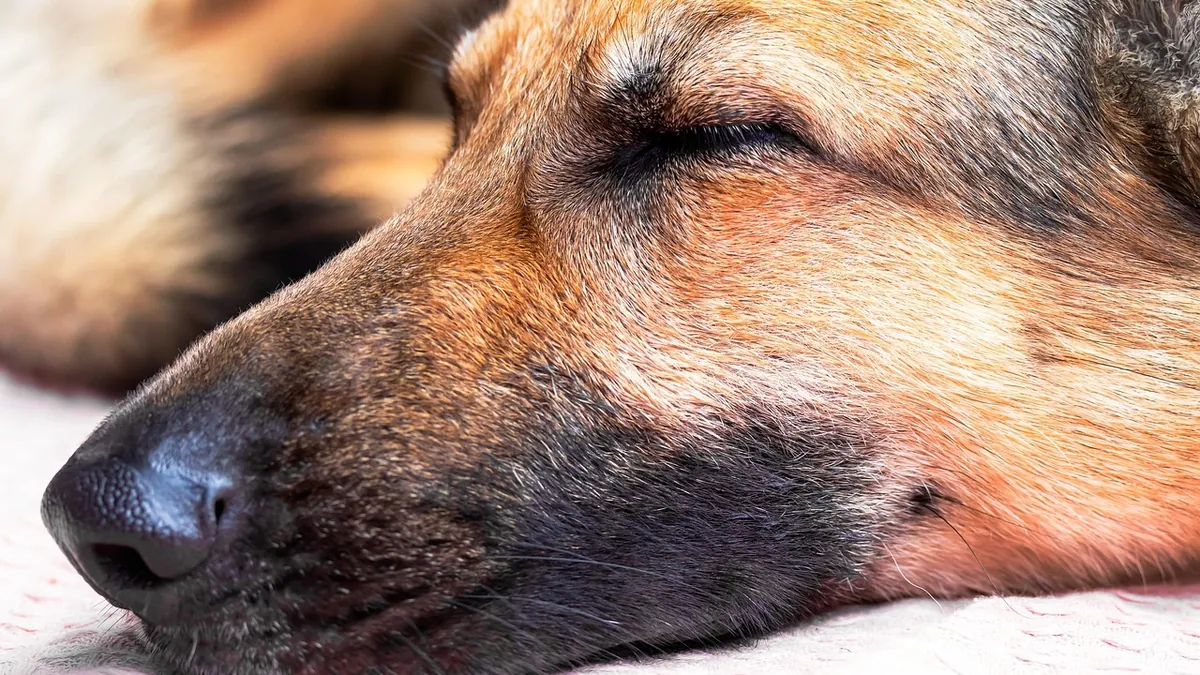
Dog losing nose pigment is common and often harmless, but it can also be the first sign of an immune-mediated or sun-related disease. The color change itself is not the whole story. What matters most is whether the fading pigment comes with redness, crusting, sores, or hair loss on the muzzle. This article is educational and is not a substitute for veterinary diagnosis or treatment.
Quick Answer
- A black nose turning pink or brown in winter, then darkening again in summer, is usually "snow nose" and is cosmetic.
- Patchy pigment loss on the nose, lips, eyelids, or muzzle can be vitiligo, an autoimmune condition that targets pigment cells [1].
- Fading pigment plus redness, crusts, ulcers, or oozing points toward immune-mediated disease such as lupus or pemphigus [2].
- Any dog with a pink or white nose is at higher risk of sunburn and solar dermatitis, so shade and sun avoidance matter [2][3].
- Sudden pigment loss around the eyes with red, painful eyes is an emergency because some immune diseases can quickly cause blindness [3].
What Normal Nose Pigment Looks Like
A healthy nasal planum (the leathery, hairless part of the nose) is usually black, brown, or a breed-typical color. Some dogs have naturally pink or mottled noses, and that is normal for them. The nose should feel slightly moist or dry depending on the day, and it should not be crusted, cracked, or painful.
Color change can be gradual or sudden. It can affect only the nose, or it can spread to the lips, eyelids, and skin around the eyes. Owners often notice it first in photos, when the nose looks lighter than it used to.
Hair loss on the nose and muzzle often happens alongside pigment loss. If you are seeing that too, our guide to Dog Hair Loss on Nose: Causes and When to Worry covers the common reasons.
Dog Losing Nose Color: The Main Causes
Snow Nose (Winter Nose)
Snow nose is a seasonal fading of nose pigment, most common in Siberian Huskies, Golden Retrievers, Labrador Retrievers, and Bernese Mountain Dogs. The nose lightens in cold months and darkens again in warmer months. It is cosmetic and does not need treatment. The exact mechanism is not well established in veterinary research, but it is widely recognized as harmless.
Vitiligo
Vitiligo is an autoimmune disease in which melanocytes (the pigment-producing cells) are lost or stop working [1]. It causes irregular, patchy, progressive loss of pigment in skin, fur, and mucous membranes [1]. In dogs, vitiligo can affect the nose, lips, eyelids, and other areas. A case report described a Bernese Mountain Dog with progressive skin and hair depigmentation over several years, confirmed by skin biopsy [4].
Vitiligo itself is usually cosmetic. However, pigment loss in the eye can matter. Melanin helps protect the retina from light, and loss of pigmentation in the eye may increase susceptibility to light exposure [5]. This is an active area of research, and your veterinarian can advise on monitoring.
Uveodermatologic Syndrome (Vogt-Koyanagi-Harada-like Disease)
This is the most serious autoimmune pigmentary disease in dogs [3]. It affects the skin and the eyes at the same time. Pigment loss on the nose and face comes with uveitis (inflammation inside the eye), which can quickly lead to blindness [3]. If this condition is suspected, a biopsy should be taken and systemic corticosteroids started immediately, with prednisone at 1 to 2 mg/kg by mouth every 24 hours (or divided every 12 hours) for a few weeks until there is a clinical response, then tapered to a maintenance dose of 0.5 mg/kg by mouth every 24 to 48 hours indefinitely [3]. This dosing is set by your veterinarian, not by you.
Gene expression studies in dogs with this syndrome and with vitiligo show immune pathways targeting melanocytes that are similar to those seen in people, which supports the autoimmune origin of both conditions [6].
Discoid and Systemic Lupus
In systemic and discoid lupus, the nose loses color and reddens, and the area near the nose may eventually develop ulcers [2]. The whole muzzle can become crusted, sometimes with oozing of serum, or covered with ulcers [2]. Lupus can worsen in summer, which is why it is sometimes confused with sun-related disease [2][3].
Nasal Solar Dermatitis
True nasal solar dermatitis is probably less common than once thought and is often misdiagnosed as lupus [3]. In genuine solar dermatitis, the nonpigmented areas around the nostrils are affected first, and the bridge of the nose may become inflamed or ulcerated [2]. Lesions are worse in summer [2][3]. Dogs with pink noses and thin coats are at highest risk.
Infections and Other Causes
Bacterial infections (such as Staphylococcus), fungal organisms (Cryptococcus, Sporothrix, Blastomyces, Aspergillus), and Leishmania can all cause lesions on the nasal planum [3]. These usually come with crusts, discharge, swelling, or non-healing sores instead of simple color fading. Treatment is chosen based on culture or other test results when possible [3].
Cause Comparison Table
| Cause | Typical clues | How urgent |
|---|---|---|
| Snow nose | Seasonal fading, no sores, nose otherwise normal | Routine |
| Vitiligo | Patchy, progressive pigment loss on nose, lips, eyelids | Routine, but monitor eyes |
| Uveodermatologic syndrome | Pigment loss plus red, painful, cloudy eyes | Emergency |
| Discoid or systemic lupus | Redness, crusts, ulcers on nose and muzzle, worse in summer | Same day to urgent |
| Nasal solar dermatitis | Nonpigmented areas affected first, worse in summer | Same day to urgent |
| Infection (bacterial or fungal) | Crusts, discharge, swelling, non-healing sores | Same day |
Red Flags That Make It an Emergency
Go to a veterinarian immediately if you see any of these:
- Red, painful, or cloudy eyes along with pigment loss on the face. This combination suggests uveodermatologic syndrome, which can quickly cause blindness [3].
- Open sores or ulcers on the nose or muzzle [2].
- Crusting with oozing of serum across the whole muzzle [2].
- Squinting, pawing at the face, or sensitivity to light.
- Refusing food because the nose is too painful to use.
- Bleeding or a sore that does not heal within a week or two.
Eye involvement is the single most important warning sign. Pigment loss alone is rarely an emergency. Pigment loss plus eye changes is.
What You Can Do at Home While Waiting
Keep the nose clean and dry. Use a soft, damp cloth with plain water if there is debris. Do not scrub crusts off, because that can cause bleeding and pain.
Protect the nose from sun. Keep your dog indoors during peak sun hours, use shade, and ask your veterinarian whether a pet-safe sunscreen is appropriate for your dog's nose. Never use a human sunscreen containing zinc oxide on a dog, because it is toxic if licked off.
Do not apply human creams, antibiotic ointments, or steroid creams to the nose unless your veterinarian prescribes them. Some of these can worsen immune-mediated disease or be licked off and swallowed.
Take dated photos of the nose and face every week. This helps your veterinarian see whether the change is stable, spreading, or improving. Note any seasonal pattern.
Watch the eyes closely. Check for redness, cloudiness, discharge, or squinting every day. If any appear, call your veterinarian right away.
If your dog is also losing hair elsewhere, our articles on Why Is My Dog Losing Hair? and Dog Skin Rash with Hair Loss: Causes and Treatment can help you sort out what you are seeing.
What Your Veterinarian Will Check and Test
Your veterinarian will start with a full history. They will ask when the color change started, whether it changes with the seasons, whether the nose is painful or itchy, and whether the eyes have been affected.
The physical exam focuses on the nasal planum, the bridge of the muzzle, the lips, the eyelids, and both eyes. A thorough eye exam is essential because immune diseases that affect nose pigment can also affect the eye [3].
Depending on what they find, your veterinarian may recommend:
- Skin scraping or cytology to look for mites, bacteria, or yeast.
- Fungal testing if crusts or nodules are present, since organisms such as Cryptococcus, Sporothrix, Blastomyces, and Aspergillus can cause nasal lesions [3].
- Blood work and urinalysis to screen for systemic disease.
- A skin biopsy, which is the most reliable way to tell vitiligo, lupus, and other immune diseases apart. Biopsy confirmed vitiligo in one reported case after uveodermatologic syndrome was suspected [4].
- Eye pressure checks and a retinal exam if uveitis is a concern.
Treatment depends on the diagnosis. Immune-mediated disease is often managed with medications that suppress the immune system, and the dose is calculated by your veterinarian based on your dog's weight and health. Infections are treated with antimicrobials chosen from culture results when possible [3].
Prevention and Monitoring
If your dog has a pink or white nose, sun protection is the main preventive step. Solar dermatitis affects nonpigmented areas first, so those areas need the most care [2]. Limit sun exposure during peak hours and provide shade.
If your dog has been diagnosed with vitiligo, keep monitoring the eyes. Pigment loss in the eye may increase sensitivity to light [5]. Report any redness, cloudiness, or vision change promptly.
If your dog has snow nose, no treatment is needed. Expect the nose to darken again when the weather warms. Take a photo each season so you have a baseline.
Keep a simple log of any changes in pigment, hair, or skin. Bring it to every appointment. Small details help your veterinarian decide whether to watch, test, or treat.
Limitations and When to Contact a Veterinarian
This article cannot tell you which cause applies to your dog. Only a veterinarian who examines your dog can do that. Individual cases need a veterinarian.
Contact your veterinarian the same day if you notice new crusts, ulcers, or oozing on the nose or muzzle [2]. Contact them the same day if pigment loss is spreading quickly or the nose looks red and inflamed.
Go to an emergency clinic now if your dog has red, painful, or cloudy eyes along with facial pigment loss, because uveodermatologic syndrome can lead to blindness quickly [3]. Go now if your dog is squinting, pawing at the face, or seems to be in pain.
Schedule a routine visit if the only change is gradual, painless fading of nose color with no sores, no eye changes, and no hair loss. Even then, a baseline exam is wise so your veterinarian can track the change over time.
Frequently Asked Questions
Is dog nose pigment loss always serious?
No. Seasonal snow nose and vitiligo are usually cosmetic and do not shorten a dog's life. The serious causes are the ones that come with redness, crusts, ulcers, or eye changes.
Can a dog's nose color come back?
Sometimes. Snow nose typically darkens again when the seasons change. Vitiligo pigment loss is often permanent, though some dogs regain color in spots. Your veterinarian can tell you what to expect for your dog's specific diagnosis.
Does pigment loss around the eyes mean my dog is going blind?
Not by itself. But when pigment loss around the eyes comes with uveitis, blindness can develop quickly if it is not treated [3]. That is why any eye redness or cloudiness with facial pigment loss needs immediate veterinary care.
Should I put sunscreen on my dog's nose?
Ask your veterinarian first. Sun protection is reasonable for dogs with pink or white noses, since solar dermatitis affects nonpigmented areas first [2]. Never use a product containing zinc oxide, because it is toxic to dogs if licked off.
Can vitiligo in dogs affect other parts of the body?
Yes. Vitiligo causes irregular, progressive loss of pigment in fur, skin, and mucous membranes, and it can appear on the head, back, and other areas [1]. A skin biopsy is often needed to confirm the diagnosis and rule out other conditions [4].
Related Articles
- Dog Hair Loss on Nose: Causes and When to Worry
- Why Is My Dog Losing Hair?
- Dog Hair Loss After Puppies: Causes and What to Do
- Dog Skin Rash with Hair Loss: Causes and Treatment
- Why Are My Dog's Eyes Red?
- Why Is My Dog Losing Hair in Patches? Common Causes and Next Steps
- Why Is My Dog's Nose Turning Pink?
- Dog Nose Wound and Keratosis: How to Treat
- Why Is My Dog's Skin Turning Black? Causes and Next Steps
References
- Spontaneous Vitiligo in a Captive Rhesus Monkey (Macaca Mulatta). Comparative medicine, 2023.
- Nasal Dermatoses in Dogs - Dog Owners. Merck Veterinary Manual.
- Nasal Dermatoses of Dogs - Integumentary System. Merck Veterinary Manual.
- Anterior Uveitis and Uveal Depigmentation in a Dog With Vitiligo. Case reports in veterinary medicine, 2025.
- Retinal Vulnerability to Light Pollution in Vitiligo: A Narrative Review of the Role of Melanin Loss in Ocular Phototoxicity. Dermatology (Basel, Switzerland), 2026.
- Case Series: Gene Expression Analysis in Canine Vogt-Koyanagi-Harada/Uveodermatologic Syndrome and Vitiligo Reveals Conserved Immunopathogenesis Pathways Between Dog and Human Autoimmune Pigmentary Disorders. Frontiers in immunology, 2020.