Dog Nose Hyperkeratosis: Treatment and Home Care
By Dr. Zubair Khalid, DVM, MS, PhD ·
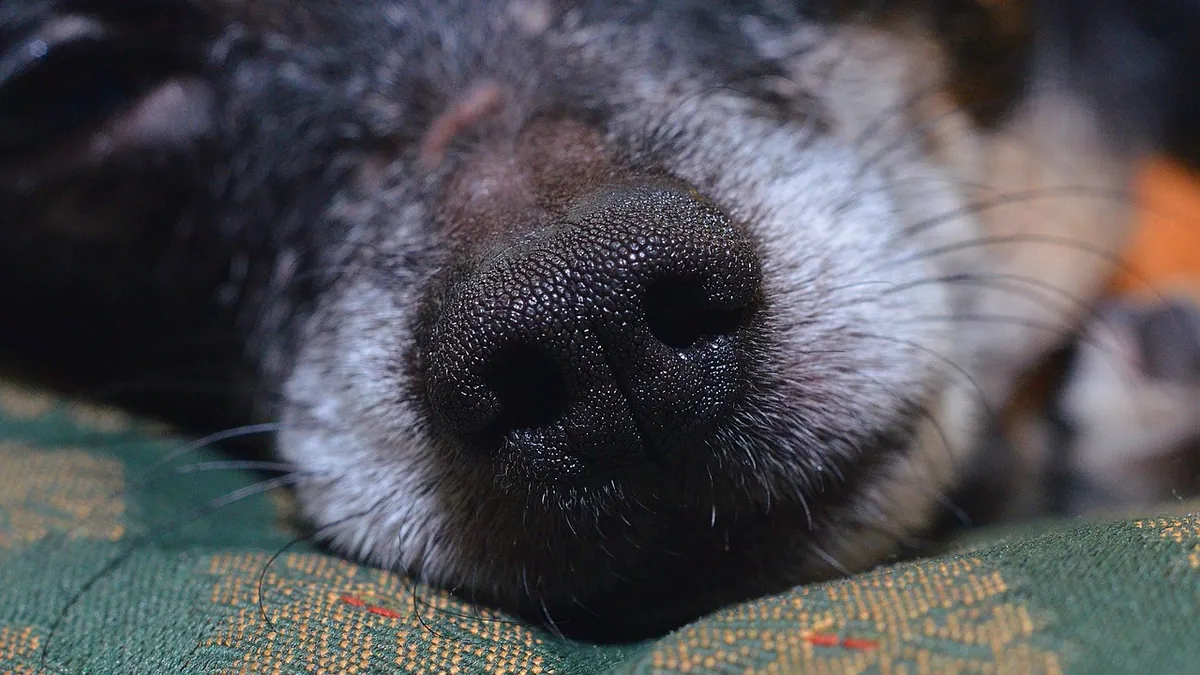
How to treat dog nose hyperkeratosis starts with simple home care: most crusty, cracked noses improve with gentle cleaning and a pet-safe moisturizing balm applied once or twice daily. The key is knowing when a dry nose is just extra keratin and when it is a sign of something more serious. This article is educational and is not a substitute for veterinary diagnosis or treatment.
Quick Answer
- Uncomplicated nasal hyperkeratosis is a cosmetic problem in most dogs, but proper skin care can prevent painful cracking and secondary infections [1].
- A topical emollient balm used twice daily reduced dryness, crusting, and thickening scores by about 45 to 55 percent within 30 days in a small study of dogs with familial or idiopathic nasal hyperkeratosis [1].
- Never pick or peel the crusts off. That causes bleeding and opens the door to infection.
- See your veterinarian if the nose is ulcerated, bleeding, losing pigment, or if your dog has discharge, sneezing, or appetite loss [2][3].
- Some breeds, including Griffon breeds, develop this condition in early adulthood, with a median age of onset around 3 years [4].
What Is Dog Nose Hyperkeratosis?
Hyperkeratosis means the outer layer of skin, the stratum corneum, has thickened because of excess keratin. Keratin is the tough protein that makes skin, hair, and nails. On the nose, this shows up as a dry, rough, crusty surface on the nasal planum, which is the flat, leathery part of the nose [2].
In its uncomplicated form, nasal hyperkeratosis is considered a cosmetic issue [1]. The extra keratin builds up in layers, and over time the surface can crack, form fissures, and even grow outward into a rough callus. The medical term for this overgrowth pattern includes lamellar orthokeratotic hyperkeratosis, which simply describes stacked layers of thickened keratin seen under a microscope [4].
This condition is different from autoimmune nose diseases such as discoid lupus or pemphigus, which cause crusting, oozing, ulcers, and pigment loss on the nose and muzzle [2]. Telling these apart matters because the treatments are completely different.
Signs Owners Notice
Most owners first notice a dry, rough texture on the top or sides of the nose. The surface may look like a callus or have visible cracks. In Griffon breeds, the typical pattern is dry, firm, excessive keratin buildup on the dorsal or dorsolateral part of the nasal planum [4].
Other common signs include:
- Crusty, flaky, or scaly buildup on the nose
- Deep cracks or fissures that may bleed when bumped
- A hard, thickened nose that feels like shoe leather
- Occasional discomfort when the nose is touched
- Secondary bacterial infection, which brings redness, swelling, pus, or a bad smell
Some dogs with hyperkeratosis also have thickened paw pads. If your dog has both, see Hyperkeratosis Dog Paw: Comprehensive Veterinary Reference Guide for more on pad care.
Causes and Risk Factors
Nasal hyperkeratosis in dogs is usually idiopathic, meaning no underlying cause is found, or familial, meaning it runs in certain breeds [1]. It is not contagious and it is not caused by cold weather or a dry indoor climate, though those things can make the surface look worse.
Breed and age patterns matter. In a Swedish study, 31.8 percent of Griffon breed dogs had some degree of nasal hyperkeratosis, compared with 13.2 percent of control dogs. The median age of onset was 3 years, and no sex predisposition was found [4]. Brachycephalic dogs also appeared in that control group, which suggests flat-faced breeds may be at higher risk [4].
Less commonly, hyperkeratosis on the nose or ears can be linked to zinc-responsive dermatosis. In a report of 16 French Bulldogs with parakeratotic hyperkeratosis, six also had lesions on the nasal bridge, scrotum, or tail. Of 12 dogs given oral zinc supplementation, 8 improved or fully resolved, including 4 that responded to zinc alone [5]. This is a different disease process from classic nasal hyperkeratosis, but it shows why a veterinary exam matters.
Rare genetic cornification disorders also exist. One newly described condition called phloiokeratosis causes tree bark-like skin lesions with pronounced epidermal hyperkeratosis and is linked to variants in the SUV39H1 gene [6]. Another report described paw pad hyperkeratosis in a Labrador Retriever with a variant in the GJB6 gene [7]. These are uncommon and require genetic testing to confirm.
How It Is Diagnosed
Most veterinarians can diagnose uncomplicated nasal hyperkeratosis with a physical exam alone. The history, exam findings, and surface cytology often tell the whole story [8].
Your veterinarian will look at the whole muzzle, not just the nose. They check for pigment loss, ulcers, oozing, swelling, and whether the haired part of the muzzle is involved. Those findings point toward immune-mediated disease instead of simple hyperkeratosis [2].
If the diagnosis is unclear, your veterinarian may recommend a skin biopsy. Histopathology can confirm hyperkeratosis and rule out lupus, pemphigus, fungal infection, or skin lymphoma [2][8]. Fungal infections of the nose tend to cause swelling or severe ulceration, and they may come with copious nasal discharge [8]. Nasal rhinosporidiosis, a chronic fungal disease, causes polyps and persistent sneezing or bloody discharge, and it is diagnosed with rhinoscopy and biopsy [9].
Blood work and zinc testing may be added if zinc-responsive dermatosis is suspected [5].
How to Treat Dog Nose Hyperkeratosis
Treatment depends on how severe the nose looks and whether an underlying disease is present. For simple hyperkeratosis, home care is the mainstay.
Topical Balms and Emollients
Pet-safe moisturizing balms are the first line of treatment. In a 2025 pilot study, dogs with familial or idiopathic nasal hyperkeratosis received a topical emollient balm twice daily for 60 days. The global dermatological score dropped by 44.9 percent at day 30 and 54.5 percent at day 60 according to investigators, and by 54.3 percent and 62.3 percent according to owners. Dryness, crusting, thickening, and affected area all improved [1].
Apply a thin layer to the nose two times a day at first. Once the nose softens, you can often taper to once daily or every other day. Choose a product made for pets, since human lotions may contain ingredients that are unsafe if licked off.
For more product guidance, see Dry Dog Nose Remedy.
Gentle Cleaning
Soak crusts with a warm, damp cloth for a few minutes before applying balm. This softens the keratin so it can slough off on its own. Do not pick, peel, or scrub the nose. Forceful removal causes bleeding and can lead to infection.
When Your Veterinarian May Debride
If the keratin layer is very thick, your veterinarian may carefully trim or debride it in the clinic. This is done with sedation or local numbing in some cases. Never attempt this at home.
Treating Secondary Infection
If the nose is infected, your veterinarian will prescribe an antibiotic or antifungal. The dose is calculated from your dog's weight and health status, so follow the label exactly. Do not use leftover medication from a previous illness.
Treating Underlying Disease
If the diagnosis is autoimmune, zinc-responsive, or fungal, the treatment changes completely. Immune-mediated disease may need immunosuppressive medication. Zinc-responsive dermatosis may respond to oral zinc [5]. Fungal disease may need long-term antifungal therapy, and some cases require surgical or laser removal of polyps [9].
A Quick Comparison
| Situation | Typical First Step | Who Does It |
|---|---|---|
| Dry, crusty nose with no ulcers | Pet-safe emollient balm twice daily [1] | You at home |
| Thick keratin buildup | Gentle soaking, then balm | You at home |
| Deep cracks or bleeding | Veterinary exam, possible debridement | Veterinarian |
| Redness, pus, or bad smell | Exam and antibiotics if infected | Veterinarian |
| Ulcers, pigment loss, oozing | Biopsy and immune-mediated workup [2][8] | Veterinarian |
Recovery, Outlook, and Long-Term Management
Uncomplicated nasal hyperkeratosis is manageable but usually not curable. Most dogs need ongoing moisturizing to keep the nose comfortable. With consistent care, the nose can look and feel much better within a month [1].
Expect some fluctuation. Dry indoor air, cold weather, and long periods outdoors can make the surface rougher. Some dogs do well with once-daily balm forever. Others need it only during dry seasons.
If your dog has an underlying disease, the outlook depends on the cause. Zinc-responsive cases often improve with supplementation, with most dogs in one report responding within weeks [5]. Autoimmune disease usually needs lifelong management and regular blood work to monitor medication.
Keep a simple log of what the nose looks like each week. Photos help your veterinarian judge whether treatment is working.
Prevention
You cannot prevent a genetic or breed-related tendency, but you can reduce flare-ups.
- Start moisturizing as soon as you notice dryness, before cracks form.
- Protect the nose from sun if your dog has pale or unpigmented areas. True nasal solar dermatitis affects nonpigmented areas first and worsens in summer [2][8].
- Avoid rough surfaces that can scrape an already cracked nose.
- Keep your dog's overall skin healthy with a balanced diet and routine veterinary care.
- Check paw pads too, since hyperkeratosis can affect both areas. See Hyperkeratosis In Dogs: Comprehensive Veterinary Reference Guide for a broader overview.
If your dog's nose changes color, develops sores, or starts oozing, read Why Is My Dog having dry cracked nose? Nasal Hyperkeratosis and Autoimmune before your next vet visit.
Limitations and When to Contact a Veterinarian
Home care works for simple hyperkeratosis. It does not work for autoimmune, fungal, or neoplastic disease, and delaying treatment for those conditions can lead to worse outcomes. Every dog is different, so your veterinarian needs to examine your pet to set the right plan.
Contact your veterinarian the same day if you see:
- Bleeding that will not stop
- A foul smell, pus, or yellow-green discharge from the nose
- Sudden swelling of the muzzle
- Your dog pawing at the nose or crying when it is touched
- Loss of appetite or refusal to drink
Go to an emergency clinic now if:
- Your dog has trouble breathing through the nose
- There is heavy bleeding from the nose
- Your dog collapses, seems disoriented, or has a seizure
- The nose is severely ulcerated with tissue loss
Schedule a routine visit within a week or two if:
- The nose has not improved after 2 to 4 weeks of daily balm [1]
- You notice pigment loss, oozing, or crusting that spreads to the muzzle [2]
- New crusts appear on the ears, scrotum, or tail [5]
- Your dog has chronic sneezing, wheezing, or nasal discharge [9]
Frequently Asked Questions
Can I use coconut oil on my dog's crusty nose?
Coconut oil is sometimes used as a home moisturizer, but it has not been tested in the same way as veterinary emollient balms. A pet-specific balm is a safer first choice because it is formulated for licking and for the nasal planum. Ask your veterinarian before switching products.
How long does it take for a dog's hyperkeratotic nose to improve?
Most improvement shows up within the first month of twice-daily balm use. In one study, scores dropped by roughly half at day 30 and continued to improve through day 60 [1]. Severe or long-standing cases may take longer.
Is nasal hyperkeratosis painful for dogs?
Uncomplicated hyperkeratosis is usually not painful, which is why it is classified as a cosmetic issue [1]. Deep fissures, secondary infection, or underlying autoimmune disease can cause real discomfort. If your dog pulls away when you touch the nose, that is a sign to see your veterinarian.
Can hyperkeratosis spread from the nose to other body parts?
Classic nasal hyperkeratosis stays on the nasal planum. However, some related conditions affect other areas. Zinc-responsive dermatosis in French Bulldogs has appeared on the nasal bridge, scrotum, and tail in addition to the ears [5]. Paw pad hyperkeratosis is a separate condition that affects the feet [7].
Do I need to see a vet for a dry nose if my dog seems fine?
A dry nose alone with no cracks, ulcers, or discharge often does not need a vet visit right away. Start with gentle cleaning and a pet-safe balm. If the nose does not improve in a few weeks, or if you notice color changes or sores, book an exam [2][1].
Related Articles
- Hyperkeratosis In Dogs: Comprehensive Veterinary Reference Guide
- Why Is My Dog having dry cracked nose? Nasal Hyperkeratosis and Autoimmune
- Hyperkeratosis Dog Paw: Comprehensive Veterinary Reference Guide
- Dry Dog Nose Remedy
- How To Treat Ear Mites At Home For Dogs
- Dog Allergy Treatment
- Dog Nose Wound and Keratosis: How to Treat
- Dog Skin Problems at Home: What You Can Safely Treat
- Dog Mites Treatment: Medicines and Home Care Options
References
- Evaluation of the Interest in and Tolerance of a Topical Emollient in the Management of Canine Nasal Hyperkeratosis: An Open-Label, Prospective, Uncontrolled Pilot Study. Veterinary sciences, 2025.
- Nasal Dermatoses in Dogs - Dog Owners. Merck Veterinary Manual.
- Nasal Planum Dermatoses of the Dog: Clinical Presentations and Diagnostic Approach. The Veterinary clinics of North America. Small animal practice, 2025.
- Nasal hyperkeratosis in Griffon breeds: Clinical, histopathological features and the prevalence in the Swedish population compared to a control group and other brachycephalic breeds. Veterinary record open, 2021.
- Pinnal Parakeratotic Hyperkeratosis Consistent With Zinc-Responsive Dermatosis in 16 French Bulldogs. Veterinary dermatology, 2026.
- Phloiokeratosis is a new ichthyosiform hyperkeratotic cornification disorder in dogs with SUV39H1 variants. Scientific reports, 2026.
- GJB6 missense variant in a Labrador Retriever with paw pad hyperkeratosis. Animal genetics, 2026.
- Nasal Dermatoses of Dogs - Integumentary System. Merck Veterinary Manual.
- Two Cases of Nasal Rhinosporidiosis in Dogs Treated Endoscopically with a Diode Laser. Animals : an open access journal from MDPI, 2026.