Dog Neck Wound From Collar: Care and Prevention
By Dr. Zubair Khalid, DVM, MS, PhD ·
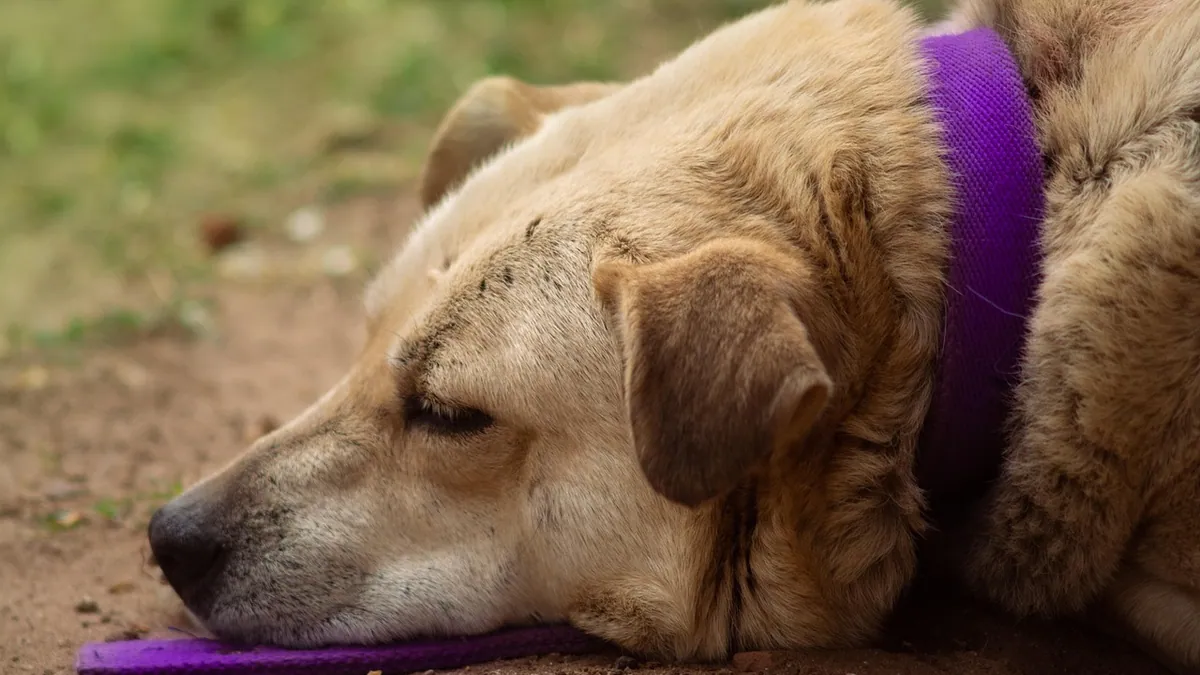
To treat a dog neck wound from collar, remove the collar, clean the area gently with warm water or saline, keep it dry, and let it heal without pressure. Mild chafing often improves in a few days, but deep sores, swelling, or pus need a veterinarian. This article is educational and is not a substitute for veterinary diagnosis or treatment.
Quick Answer
- Take the collar off right away and switch to a harness or nothing at all until the skin heals.
- Clean the wound with warm water or saline and pat it dry. Avoid alcohol, hydrogen peroxide, and harsh antiseptics on open skin.
- A red, hairless groove or mild sore often heals in several days once pressure is removed.
- See a vet if you see pus, a bad smell, swelling, a deep open wound, or if the sore does not improve in 3 to 5 days.
- Refit the collar so you can fit two fingers between it and your dog's neck, and check it weekly.
What Is a Collar Wound on a Dog's Neck?
A collar wound is skin damage caused by pressure, friction, or moisture trapped under a collar. It can be as mild as a bald spot or a red crease, or as serious as an open pressure sore that extends into deeper tissue.
Veterinarians classify wounds by how contaminated they are. A wound with a heavy bacterial load is more likely to become infected, and the level of contamination, blood supply, and cause all affect whether infection develops [1]. A collar sore starts small, but a collar that keeps rubbing the same spot can turn a minor abrasion into a chronic wound that heals slowly.
Collar wounds are not the same as bite wounds or cuts. They develop gradually from repeated pressure, which is why they often go unnoticed until the hair is gone or the skin is broken.
Signs Owners Notice
Early signs are easy to miss because they sit under the collar. Run your fingers under the collar once a week and look for these changes.
Early signs
- A bald patch or thinning hair where the collar sits (dog collar rubbing fur off)
- Redness, a crease, or a shallow groove in the skin
- Mild swelling or warmth
- Your dog scratching, rubbing, or pawing at the neck
- Reluctance to have the collar touched or put on
Signs the wound is worsening
- An open sore, crusting, or oozing
- Pus, a bad smell, or yellow-green discharge
- Thickened, dark, or leathery skin from long-term pressure
- Pain when you touch the area
- A collar sore on dog neck that keeps returning in the same spot
If the wound is open and draining, it may already be infected. An infected wound needs veterinary care, and you can read more about what that looks like in Infected Dog Wound: Signs, Safe Cleaning, and Vet Treatment.
Causes and Risk Factors
Most collar wounds come from a combination of pressure and friction. Several everyday factors raise the risk.
Collar fit problems
A collar that is too tight presses into the skin. A collar that is too loose slides and rubs. Both cause damage over time. A collar left on 24 hours a day, including during sleep and rough play, keeps constant pressure on the same strip of skin.
Collar material and condition
Stiff nylon, rough edges, and heavy metal hardware can abrade the skin. A dirty collar holds dirt, salt, and bacteria against the neck. A wet collar from swimming or rain traps moisture and softens the skin, which makes chafing worse.
Dog-related factors
- Thick, heavy coats can hide early damage.
- Dogs who pull on the leash create repeated pressure against the throat.
- Senior dogs, dogs with allergies, and dogs with skin folds are more prone to irritation.
- Dogs with a history of hot spots or sensitive skin may react faster to friction.
Other causes of neck sores
Not every neck sore is from a collar. Skin infections, allergies, mites, and other conditions can look similar. If the sore does not match the shape and position of the collar, your veterinarian will look for other causes.
How Veterinarians Diagnose a Collar Wound
Diagnosis usually starts with a hands-on exam. Your veterinarian will clip hair away from the wound to see its full size and depth. They will check for foreign material, dead tissue, and signs of infection.
For deeper or contaminated wounds, the wound may need to be extended surgically so the vet can examine its full extent before deciding how to repair it [2]. This matters because the surface damage can look smaller than the injury underneath.
If infection is suspected, your vet may take a sample for culture. The number of bacteria in a wound helps determine whether it is contaminated or infected, and a high bacterial load is one factor that pushes a wound toward infection [1]. Blood work may be recommended if your dog is unwell or needs anesthesia.
How to Treat Dog Neck Wound From Collar
Treatment depends on how deep the wound is and whether it is infected. Mild chafing can be managed at home. Deep, contaminated, or infected wounds need veterinary care.
Home care for mild collar irritation
- Remove the collar. Switch to a harness or keep your dog collar-free until the skin is fully healed.
- Clip hair gently around the sore if it is matted or trapping moisture. Use blunt scissors and be careful with loose skin.
- Clean the area with warm water or saline. A soft cloth or cotton pad works well. Gentle lavage helps remove debris and bacteria from the wound surface [2].
- Pat dry. Moisture under a collar invites infection.
- Keep your dog from licking or scratching. An Elizabethan collar or a soft recovery cone may be needed.
- Check the sore twice a day. Take a photo each time so you can see whether it is shrinking or growing.
For a step-by-step walkthrough of cleaning and bandaging minor wounds, see Dog Wound Care at Home: How to Clean and Bandage Minor Cuts.
What not to put on the wound
Avoid alcohol, hydrogen peroxide, and strong antiseptics on open skin. These can damage healing tissue. Povidone-iodine is a common first-line antiseptic in veterinary medicine, but there are concerns that it can be cytotoxic and slow fibroblast growth, which may delay healing [3]. Ask your veterinarian before applying any antiseptic to an open collar sore.
Do not use human antibiotic creams unless your vet approves them. Some ingredients are not safe if your dog licks them off.
Veterinary treatment for deeper wounds
If the wound is deep, contaminated, or infected, your vet will clean and debride it. Debridement removes dead tissue and debris so healthy tissue can heal. Uncomplicated lacerations are often closed completely after thorough lavage and debridement, but contaminated wounds may be left open or closed with drains instead [2].
Your vet may prescribe antibiotics, pain medication, or a topical treatment. The dose and choice depend on your dog's weight, the wound, and your dog's overall health. Your veterinarian calculates the dose for your pet.
Some wounds benefit from advanced therapies. Photobiomodulation, a non-invasive light therapy, has been studied as an add-on treatment for chronic wounds in dogs, though research in this area is still developing [4]. Ask your vet whether any adjunct therapy is appropriate for your dog.
If your dog has a burn instead of a friction sore, the care is different. See How to Treat a Dog's Burn at Home: First Aid and When to See the Vet.
Comparing wound types and care
| Wound type | Typical look | First step | When to see a vet |
|---|---|---|---|
| Mild chafing | Red crease, hair loss, no break in skin | Remove collar, clean, keep dry | If not better in 3 to 5 days |
| Open sore | Broken skin, crusting, mild discharge | Remove collar, clean gently, prevent licking | Same day if draining or painful |
| Infected wound | Pus, odor, swelling, heat, redness spreading | Do not squeeze or cover tightly | Same day |
| Deep pressure sore | Ulcer, thickened skin, possible dead tissue | Keep clean, protect from pressure | Same day, may need debridement |
| Neck wound from another cause | Sore not matching collar position | Have it examined | Routine visit, sooner if worsening |
Recovery, Outlook, and Long-Term Management
Most mild collar wounds heal within several days to two weeks once the pressure is removed. Deeper or infected wounds take longer. Chronic wounds that have been present for a month or more tend to heal slowly and may recur, which is a pattern seen in other pressure-related wounds in dogs [4].
Healing depends on blood supply, contamination, and how well you keep pressure off the area [1]. A wound that keeps getting rubbed will not close.
Long-term management tips
- Rotate between a well-fitted collar and a harness.
- Take the collar off at night and during crate rest.
- Check the neck weekly for redness, hair loss, or moisture.
- Wash collars regularly and dry them completely.
- Keep nails trimmed so scratching does less damage.
- Treat underlying skin allergies or infections with your vet.
If your dog needs a collar for identification or training, choose a lightweight, smooth material and check the fit often. You can read general guidance on collar types and use in Dog Collar.
Prevention: Fit the Collar Correctly
Prevention is mostly about fit and hygiene.
The two-finger rule
You should be able to slide two fingers between the collar and your dog's neck. If you cannot, it is too tight. If the collar slides over your dog's head, it is too loose.
Match the collar to the activity
- Use a harness for walks if your dog pulls.
- Use a breakaway or lightweight collar for everyday wear.
- Remove the collar for swimming, bathing, and rough play with other dogs.
- Never use a collar as a tie-out.
Check and clean regularly
Run your fingers under the collar every week. Look for redness, bald spots, and dampness. Wash the collar with mild soap, rinse well, and let it dry completely before putting it back on.
Watch growing puppies
Puppies outgrow collars quickly. A collar that fit last month may be too tight now. Check the fit every week until your dog is full grown.
Limitations and When to Contact a Veterinarian
Home care works for mild chafing. It does not work for deep, infected, or non-healing wounds. Individual cases need a veterinarian, and the guidance here cannot replace an exam.
Contact a veterinarian the same day if you see
- Pus, a bad smell, or yellow-green discharge
- Spreading redness, swelling, or heat around the wound
- A wound that is open, deep, or bleeding
- Severe pain when the neck is touched
- Trouble eating, drinking, or holding the head normally
- A sore that has not improved after 3 to 5 days of home care
Seek emergency care now if you see
- Trouble breathing, noisy breathing, or a change in bark
- A wound that penetrates deeply or exposes tissue
- Heavy bleeding that does not stop with pressure
- Collapse, weakness, or pale gums
- A wound near the throat that is swelling rapidly
Neck wounds are close to the airway, and injuries in this area can be serious [5]. Do not wait if your dog is struggling to breathe.
Schedule a routine visit if
- The sore keeps coming back in the same spot
- Your dog has repeated skin problems on the neck
- You need help choosing a collar or harness that fits
Frequently Asked Questions
How long does a collar sore take to heal?
Mild chafing often improves within a few days once the collar is removed. Open or infected sores take longer, sometimes weeks. If the sore is not clearly better after 3 to 5 days, have your vet look at it.
Can I put a collar back on while the wound heals?
It is best to leave the collar off until the skin is fully closed and no longer tender. Use a harness for walks in the meantime. If you must use a collar, keep it loose and check the area several times a day.
Is petroleum jelly good for a dog's neck sore?
Petroleum jelly can trap moisture and dirt against the skin, which may make irritation worse. It is not a treatment for an open wound. Ask your veterinarian which product, if any, is safe for your dog's specific sore.
Can a collar wound get infected?
Yes. A collar holds dirt and moisture against the skin, and a break in the skin lets bacteria enter. Signs of infection include pus, odor, swelling, and spreading redness. Infected wounds need veterinary treatment.
Should I use a harness instead of a collar from now on?
A harness takes pressure off the neck and is a good choice for dogs who pull or have had a collar sore. Many owners use a harness for walks and a lightweight collar for identification. Your veterinarian can help you pick the best setup for your dog.
Related Articles
- Dog Wound Care at Home: How to Clean and Bandage Minor Cuts
- Infected Dog Wound: Signs, Safe Cleaning, and Vet Treatment
- How to Treat a Dog's Burn at Home: First Aid and When to See the Vet
- How to Safely Clean and Bandage a Dog's Minor Wound at Home
- Dog Collar
- Dog Hot Spot on Face: How to Treat and Prevent
- Dog Allergic to Collar? Contact Dermatitis on the Neck
- Dog Wound and Cut Medicine: What to Use and What to Avoid
- Neck Pain in Dogs: How to Treat It and When to See a Vet
References
- Overview of Wound Management in Small Animals - Emergency Medicine and Critical Care. Merck Veterinary Manual.
- Management of Specific Wounds in Small Animals - Emergency Medicine and Critical Care. Merck Veterinary Manual.
- A comparative study of wound healing kinetics, efficacy, and profiling of VG111 in canine wounds. Frontiers in veterinary science, 2026.
- Tail wounds in military working dogs: Clinical characterization and a randomized sham-controlled trial of photobiomodulation. Veterinary journal (London, England : 1997), 2026.
- Tracheal injury from dog bite in a child. Journal of cardiothoracic surgery, 2023.