Why Is My Dog's Nose Turning Pink?
By Dr. Zubair Khalid, DVM, MS, PhD ·
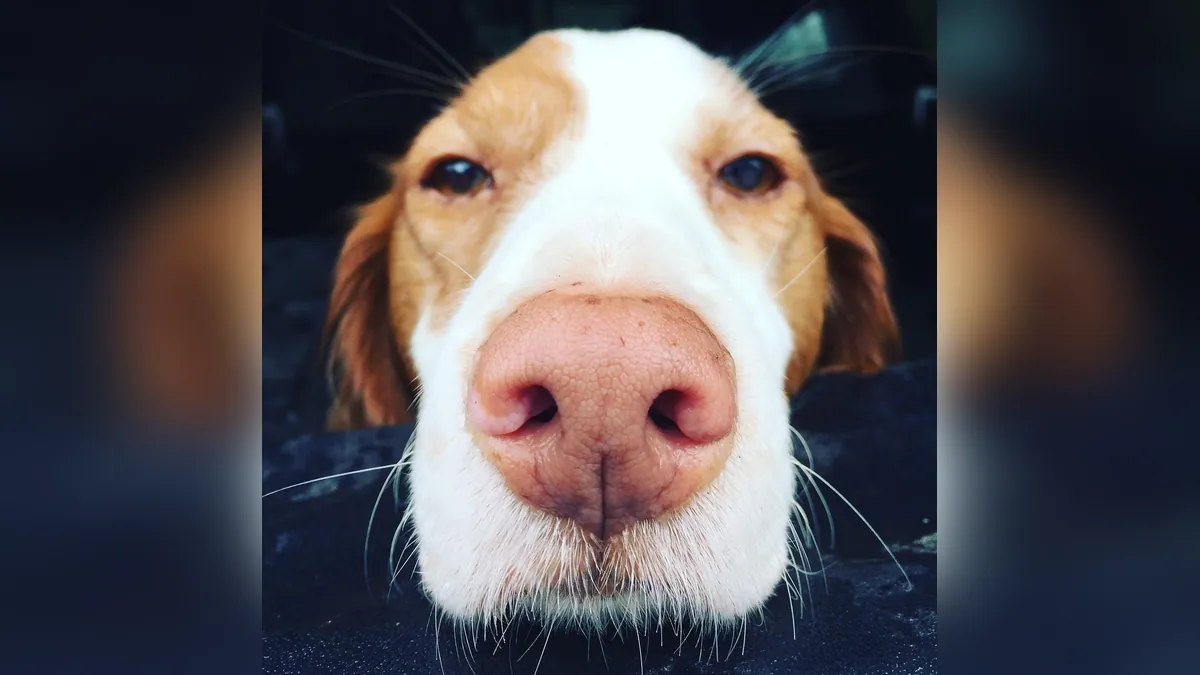
Most of the time, a dog's nose turning pink is a harmless loss of pigment called snow nose, and the color often returns on its own. But sometimes a nose that fades, reddens, crusts, or ulcerates is a sign of an immune disease, infection, or sun damage that needs treatment. This guide explains what causes a dog nose to turn pink and how to tell the difference.
This article is educational and is not a substitute for veterinary diagnosis or treatment.
Quick Answer
- A black nose fading to pink, brown, or lighter shades in winter is often snow nose, a cosmetic change that usually reverses with warmer weather or longer daylight.
- True color loss plus redness, crusting, oozing, or ulcers points to a medical problem such as an immune-mediated disease, and it needs a veterinary exam [1].
- Immune diseases like lupus and pemphigus can make the nose lose color and redden, and the area near the nose may eventually ulcerate [1].
- Sun exposure can damage unpigmented areas around the nostrils first, and these changes tend to be worse in summer [1].
- Photograph the nose weekly, avoid harsh cleaners, and call your vet if the surface looks broken, painful, or is getting worse.
What a Nose Color Change Looks Like and What Is Normal
The nose itself is called the nasal planum. It is normally dark in many dogs, but normal color varies a lot by breed and individual. Some dogs have pink or liver-colored noses from birth. Others have black noses that lighten with age.
A normal nose should feel slightly moist or dry depending on the dog and the weather. It should be smooth, without cracks, crusts, sores, or discharge. The texture matters more than the shade. A nose that fades evenly from black to brown or pink but stays smooth and comfortable is usually not a medical concern.
Color change that comes with surface damage is different. Watch for scaling, crusting, erosion, ulcers, bleeding, or a nose that looks red and inflamed. Those findings suggest the skin itself is diseased, not just losing pigment [1].
What Causes a Dog's Nose to Turn Pink?
There are several reasons a dog's nose loses color or changes shade. Some are harmless. Others are immune, infectious, or environmental conditions that need diagnosis and treatment [2].
Snow Nose
Snow nose is the common name for a black nose that fades to pink, brown, or a lighter shade, often in winter. The pigment usually returns when the seasons change. This is a cosmetic change and does not harm the dog. It is one of the most common answers to the question of what causes dog nose to turn pink.
Immune-Mediated Diseases
In systemic lupus erythematosus and discoid lupus, the nose loses color and reddens, and the area near the nose may eventually develop ulcers [1]. Pemphigus is another immune-mediated disease. The whole muzzle is often crusted, sometimes with oozing of serum, or covered with ulcers [1]. Pemphigus foliaceus is the most common pemphigus disease in pets, and it causes pustules that can progress to erosions, scaling, crusts, and hair loss, often affecting the nasal planum along with the periocular area, abdomen, and paw pads [3].
These conditions are not just cosmetic. They can be painful and tend to worsen without treatment. Diagnosis usually requires a biopsy, and treatment typically involves suppressing the immune system [2][3].
Sun Damage (Nasal Solar Dermatitis)
Nasal solar dermatitis affects the unpigmented areas around the nostrils first, and the bridge of the nose may become inflamed or ulcerated. These changes are worse in summer [1]. Dogs with pink or light noses and light-colored coats are at higher risk. This condition can look similar to lupus, and the two can be confused, so a veterinary exam matters [1].
Infections and Other Skin Diseases
Several skin conditions can affect the nose. Pyoderma (a bacterial skin infection), dermatophytosis (ringworm), and demodicosis (a mite infestation) tend to affect the haired portions of the nose [1]. These often come with hair loss, scaling, or crusting on the muzzle. If you notice hair loss around the nose along with color change, see Dog Hair Loss on Nose: Causes and When to Worry.
Nasal planum dermatoses can be infectious, immune-mediated, allergic, neoplastic, or metabolic. Recognizing the pattern of lesions and knowing when to biopsy helps tell these apart [2].
Less Common Causes
A nasal dermoid sinus is a developmental abnormality that can cause a swelling on the top of the nose with a small pit near the nostril. In one reported case, a young English Springer Spaniel had a firm, non-painful swelling that grew slowly, and surgery was curative [4]. This is rare and not a typical cause of color change alone.
Rabies can be detected in the nasal planum of infected dogs after death, but this is a diagnostic finding, not a cause of a pink nose in a living pet [5].
Cause Comparison
| Cause | Typical clues | How urgent |
|---|---|---|
| Snow nose | Even fading from black to pink or brown, smooth surface, often winter | Not urgent, monitor |
| Discoid or systemic lupus | Color loss plus redness, possible ulcers near the nose [1] | See vet soon |
| Pemphigus | Crusting, pustules, scaling, oozing on muzzle and nose [1][3] | See vet soon |
| Nasal solar dermatitis | Unpigmented areas affected first, worse in summer [1] | See vet soon |
| Bacterial infection, ringworm, mites | Affects haired part of nose, scaling, hair loss [1] | See vet soon |
| Nasal dermoid sinus | Firm swelling on top of nose with a small pit [4] | Routine to soon |
Red Flags That Mean Emergency or Same-Day Care
Most nose color changes are not emergencies. Call your veterinarian the same day if you see any of these:
- Open sores or ulcers on the nose that are bleeding or oozing
- Severe swelling that blocks breathing through the nose
- Your dog is pawing at the face, crying, or refusing to eat
- Crusting that spreads quickly to the eyes, lips, or paws
- Trouble breathing, especially with noisy breathing
Go to an emergency clinic now if your dog has trouble breathing, collapses, or has a nose that will not stop bleeding. If you suspect your dog ate something toxic, call poison control right away. The ASPCA Animal Poison Control Center is (888) 426-4435, and the Pet Poison Helpline is (855) 764-7661. These may charge a consultation fee.
If your dog also has a cough or gagging, that points to a different problem. See Why Is My Dog Suddenly Coughing And Gagging. Green nasal discharge is another separate issue covered in Why Is My Dog having green nasal discharge? Bacterial Sinusitis and Aspergillus.
Safe Things You Can Do at Home While Waiting
You cannot diagnose an immune disease at home, but you can protect the nose and avoid making things worse.
- Keep a photo log. Take a clear picture of the nose every week in the same lighting. This helps your vet see whether the change is stable, improving, or spreading.
- Limit sun exposure. Sun damage affects unpigmented areas first and worsens in summer [1]. Keep your dog out of direct midday sun and ask your vet about pet-safe sunscreen for the nose.
- Skip harsh products. Do not apply human acne creams, hydrogen peroxide, alcohol, or essential oils to the nose. These can irritate broken skin.
- Use a gentle wipe. A soft, damp cloth can remove loose debris. Do not scrub crusts off, since that can cause bleeding and pain.
- Keep your dog from rubbing. If your dog is pawing at the face, a soft cone can prevent self-trauma until you see the vet.
- Do not start or stop any medication on your own. Immune-suppressing drugs need veterinary dosing and monitoring.
If your dog is licking or chewing at the paws along with nose changes, that can be a sign of an allergic or immune condition. See Dog Licking Paws Until Pink. Red eyes along with nose changes can also point to a broader problem, covered in Why Are My Dog's Eyes Red?.
What Your Veterinarian Will Check and Test
Your vet will start with a full history. They will ask when the color change started, whether it changes with the seasons, and whether your dog is itchy, painful, or losing hair elsewhere.
The physical exam focuses on the nasal planum, the muzzle, the eyes, the lips, and the paw pads. Your vet will look for crusts, pustules, erosions, ulcers, and swelling. They will also check the rest of the skin, since immune diseases often affect more than the nose [1][3].
Depending on what they find, your vet may recommend:
- Skin cytology to look for infection or inflammatory cells
- Skin scraping to check for mites
- Fungal culture if ringworm is suspected
- Blood work to assess overall health and look for systemic disease
- A biopsy of the nose, which is often needed to confirm immune-mediated diseases and to tell them apart from other conditions [2]
A biopsy is the most reliable way to distinguish lupus, pemphigus, solar dermatitis, and other nasal diseases, because they can look similar on the surface [1][2].
Treatment depends on the diagnosis. Immune-mediated diseases are usually treated with medications that suppress the immune system. Prednisone or prednisolone is commonly used, and in one reported case, a dog with pemphigus foliaceus that did not respond to corticosteroids improved with oral oclacitinib [3]. Your veterinarian will calculate the dose from your dog's weight and health, and will set a monitoring plan. Never adjust these medications without veterinary guidance.
Prevention and Monitoring
You cannot prevent every cause of nose color change, but you can lower risk and catch problems early.
- Protect light noses from sun. Unpigmented areas are affected first by solar damage, and problems are worse in summer [1]. Shade and vet-approved sunscreen help.
- Check the nose weekly. Look for color, texture, crusts, and symmetry. Early changes are easier to treat.
- Track the seasons. If the nose fades every winter and returns in spring, snow nose is likely. If it fades and stays pale, or the surface breaks down, get it checked.
- Manage underlying allergies. Chronic itchy skin can keep the muzzle inflamed. Work with your vet on a long-term plan.
- Keep follow-up appointments. Immune diseases need regular rechecks, and relapses are common if treatment stops too soon.
Limitations and When to Contact a Veterinarian
This article cannot tell you what is causing your dog's nose change. Only a veterinarian who examines your dog can do that, and individual cases need a veterinarian's assessment.
Call for a routine visit if the color change is stable, smooth, and your dog seems comfortable. Call the same day if you see redness, crusting, oozing, ulcers, swelling, pain, or a change that is spreading. Go to an emergency clinic now for trouble breathing, heavy bleeding, or collapse. If you are unsure, call your vet and describe what you see. It is always reasonable to ask for a photo review or a same-day appointment when the nose surface looks broken.
Frequently Asked Questions
Is a pink nose on a dog ever normal?
Yes. Some dogs are born with pink or liver-colored noses, and some black noses fade with age or season. A smooth nose that is not crusted, ulcerated, or painful is usually normal. The texture and comfort level matter more than the color.
Will my dog's black nose come back?
If the cause is snow nose, the pigment often returns on its own with seasonal changes. If the cause is an immune disease or sun damage, the color may return with treatment, but it can also scar. Your vet can give you a better idea after an exam.
Can I use human sunscreen on my dog's nose?
Only use a product your veterinarian approves for pets. Human sunscreens can contain ingredients that are harmful if licked off. Sun protection matters most for dogs with light noses, since solar damage affects unpigmented areas first.
Does a pink nose mean my dog is sick?
Not by itself. A pink nose alone is often harmless. A pink nose with redness, crusting, ulcers, or pain is more concerning and should be checked. Immune diseases like lupus and pemphigus can cause color loss along with surface damage.
Should I wait to see if the color returns?
If the nose is smooth and your dog is comfortable, a short period of monitoring with weekly photos is reasonable. If you see any crusting, oozing, ulcers, or pain, do not wait. Call your veterinarian, because early treatment of immune and skin conditions works better than waiting.
Related Articles
- Why Are My Dog's Eyes Red?
- Dog Hair Loss on Nose: Causes and When to Worry
- Dog Licking Paws Until Pink
- Why Is My Dog Suddenly Coughing And Gagging
- Why Is My Dog having green nasal discharge? Bacterial Sinusitis and Aspergillus
- Why Is My Dog Losing Hair?
- Dog Losing Nose Pigment: Causes and What to Do
- Bump on Your Dog's Nose Bridge: Causes and When to Worry
- Bump on Your Dog's Head, Nose, or Snout: Causes and Next Steps
References
- Nasal Dermatoses in Dogs - Dog Owners. Merck Veterinary Manual.
- Nasal Planum Dermatoses of the Dog: Clinical Presentations and Diagnostic Approach. The Veterinary clinics of North America. Small animal practice, 2025.
- Use of Oclacitinib in the treatment of pemphigus foliaceus in a dog: case report. Brazilian journal of veterinary medicine, 2025.
- Computed Tomographic Features of a Histopathologically Confirmed Nasal Dermoid Sinus in a Dog. Veterinary radiology & ultrasound : the official journal of the American College of Veterinary Radiology and the International Veterinary Radiology Association, 2026.
- Immunohistochemical detection of virus antigen in the nasal planum of rabid dogs. The Journal of veterinary medical science, 2021.