Cat Losing Fur and Skin Color: Causes to Know
By Dr. Zubair Khalid, DVM, MS, PhD ·
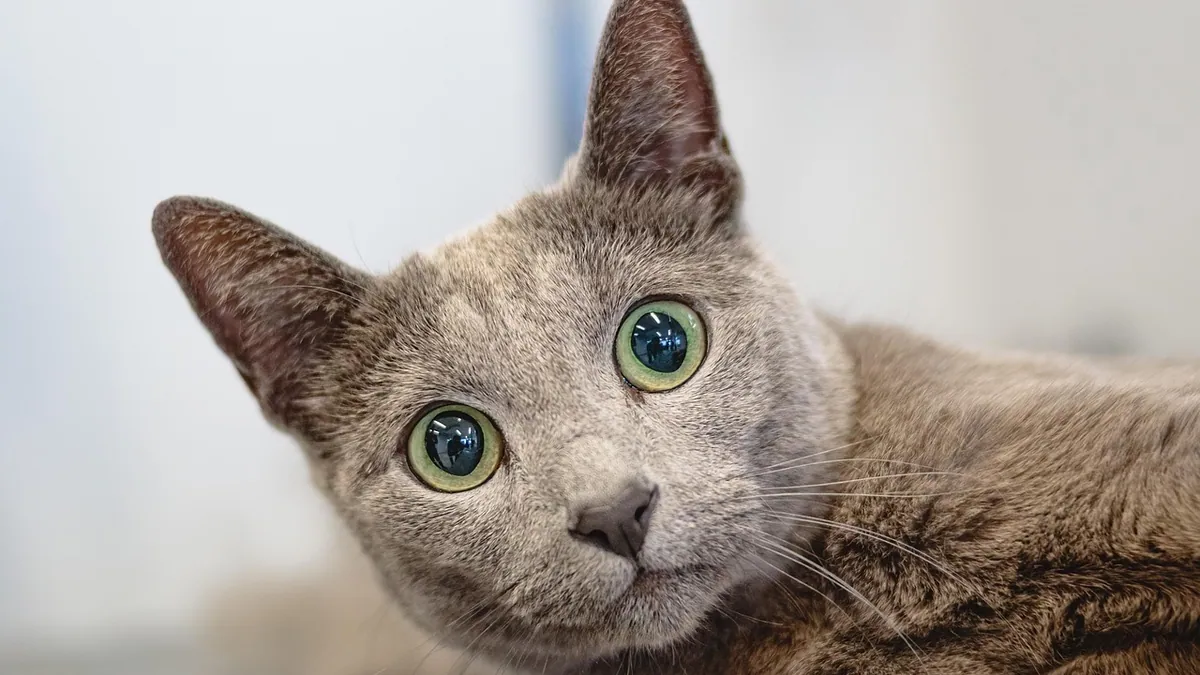
A cat rash losing fur is a common reason owners head to the vet. The skin problem may be itchy, crusty, or bare, and the color of the skin or coat can change too. This article is educational and is not a substitute for veterinary diagnosis or treatment.
Quick Answer
- Inflammatory skin disease is the most common cause of acquired hair loss in cats, and it often comes with redness, scaling, or crusting [1].
- Skin problems are common in cats. Between 6 and 15 percent of feline patients have at least one skin disease, and many have more than one at the same time [2].
- A rash with fur loss is not one disease. Allergies, parasites, fungal infections, and immune-mediated conditions can all look similar [3][4].
- Cats hide discomfort well. If your cat is overgrooming, twitching, or pulling hair, treat it as a sign of itch or pain until your vet says otherwise.
- Sudden, widespread fur loss, open sores, or a cat that stops eating needs a same-day vet visit.
What Fur Loss and Skin Color Change Look Like
Normal cat skin is pale pink to grayish, and it sits quietly under a full coat. You should not see scabs, dandruff, or bare patches when you part the fur. A little seasonal shedding is normal. So is thinning around the temples in some cats.
A problem looks different. You may find:
- Patches of missing hair, from coin-sized spots to large areas
- Red, pink, or darkened skin where the fur is gone
- Scabs, crusts, scales, or greasy flakes
- A rash that spreads or changes shape
- Shiny, thin skin on the belly or legs
- Pigment change, where the coat grows back a different color or the skin turns darker or lighter
Some cats also itch, chew, or groom far more than usual. Others seem calm but still lose hair. Both patterns matter.
Causes of a Cat Rash Losing Fur
Hair loss in cats can be congenital (present at birth) or acquired (developing later). Congenital loss comes from hair follicles that never developed properly. Acquired loss means the cat once had a normal coat and normal follicles, and something is now damaging the follicle, the hair shaft, or the growth cycle [1].
Acquired loss can be inflammatory or noninflammatory. Inflammatory disorders are the most common cause of alopecia in cats [1]. That group includes allergies, infections, and immune-mediated disease. Noninflammatory loss tends to come from hormonal or nutritional problems.
| Cause | Typical clues | How urgent |
|---|---|---|
| Allergies (fleas, food, environment) | Itchy rash, scabs near the tail base or head, hair pulled out by grooming | Routine visit, sooner if severe |
| Parasites (mites, fleas) | Intense itch, crusty ears or face, thinning over the back | Routine visit, same day if very uncomfortable |
| Fungal infection (ringworm) | Round bald patches, scaly edges, sometimes spreading to people | Routine visit, isolate from other pets |
| Bacterial or yeast skin infection | Red, greasy, smelly skin, often secondary to another cause | Routine visit |
| Immune-mediated disease | Redness, hair loss, scaling, crusting, or erosions, with or without itch [3][4] | Prompt visit, urgent if the cat is sick |
| Hormonal or endocrine disease | Symmetrical hair loss without much itch, dull coat | Routine visit |
| Nutritional or trace mineral deficiency | Poor coat quality, dull fur, increased shedding [1][5] | Routine visit |
| Paraneoplastic alopecia | Widespread hair loss with shiny skin, often on the belly and legs, linked to internal tumors [6] | Urgent, same-day or next-day visit |
| Self-induced (stress, overgrooming) | Bald patches in reachable spots, no visible rash | Routine visit |
A few notes on the table. Immune-mediated skin diseases in cats are rare, but they can be serious and can affect the whole body [3][4]. Paraneoplastic alopecia is also uncommon, and it has been reported with internal cancers such as apocrine adenocarcinoma [6]. Trace minerals like zinc, manganese, copper, and iron support skin and coat health, and a study in adult cats found that the mineral source in the diet can affect shedding and dander scores [5].
Many cats have more than one problem at once. A Cornell study found that 22 percent of cats seen by its dermatology service had evidence of two skin diseases, and 6 percent had three [2]. That is why a single guess often misses part of the picture.
If the redness is the main thing you notice, see Cat Hair Loss with Red Skin: Causes and Treatment. If the loss is patchy, Why Is My Cat Losing Hair in Patches? Causes and Solutions walks through the common patterns.
Why Skin Color Changes
Pigment change can go two ways. The skin may darken (called hyperpigmentation) or lose color (called depigmentation). The new coat may also grow in a different shade.
Inflammation is a frequent driver. When skin stays red and irritated for weeks, pigment cells respond, and the area can darken. Immune-mediated diseases can cause depigmentation along with hair loss, scaling, and crusting [3][4]. These conditions can mimic allergies and infections, so a vet often needs tests to tell them apart [3][4].
Depigmentation is not well established as a standalone diagnosis in cats. It is usually a sign of an underlying process, so it deserves a vet visit instead of watchful waiting.
Itchy Versus Non-Itchy Hair Loss
Itch is a useful clue. Allergies and parasites usually itch. Hormonal disease and many immune conditions often do not, at least early on [1].
That said, the line blurs. A cat with a mild rash may groom quietly and pull hair without obvious scratching. A cat with immune disease may itch if a secondary infection sets in [3][4].
If your cat is scratching, chewing, or licking, Cat Hair Loss with Itching: Causes and Treatment covers the itch-first approach.
Red Flags That Make It an Emergency
Call your vet right away or go to an emergency clinic if you see any of these:
- Open sores, bleeding, or raw skin
- Rapidly spreading hair loss over hours to a day or two
- Swelling of the face, lips, or eyelids
- Trouble breathing, wheezing, or noisy breathing
- Vomiting, diarrhea, or refusal to eat for more than a day
- Lethargy, hiding, or pain when touched
- A cat that cannot stop scratching or chewing
- Skin that feels hot, smells bad, or drains pus
- Any suspected poisoning or exposure to a toxin
For poison emergencies in the United States, call the ASPCA Animal Poison Control Center at (888) 426-4435 or the Pet Poison Helpline at (855) 764-7661. A consultation fee may apply.
Safe Things You Can Do at Home
You cannot diagnose this at home, but you can keep your cat comfortable and protect the skin while you wait for the appointment.
- Stop all topical products unless your vet prescribed them. Human creams, essential oils, and medicated shampoos can irritate cat skin or be toxic if licked.
- Do not give any human or leftover pet medication. Many common drugs are unsafe for cats, and the dose depends on your cat's weight and health. Your veterinarian calculates it for your pet.
- Use a cone if your cat is chewing or scratching. A soft collar or a properly fitted plastic cone prevents self-trauma.
- Keep the area clean and dry. Pat gently with a damp cloth if needed, then dry.
- Photograph the spots every few days. Note the date, the location, and whether the rash is spreading. This helps your vet see the pattern.
- Check the diet. Feed a complete and balanced cat food. Do not switch foods or add supplements without asking your vet, because the right amount of trace minerals matters [5].
- Limit contact with other pets and people if ringworm is possible. Wash your hands after handling your cat.
- Reduce stress. Keep routines steady, provide hiding spots, and use puzzle feeders. Stress can drive overgrooming.
- Do not bathe your cat unless your vet recommends a specific product and schedule.
What Your Veterinarian Will Check and Test
Your vet starts with the history. When did the hair loss begin? Is your cat itchy? What food and flea control do you use? Has anything changed at home? Then comes a full physical exam, including the ears, paws, belly, and mouth.
Common next steps include:
- Skin scraping to look for mites
- Tape prep or cytology to check for bacteria and yeast
- Fungal culture or a Wood's lamp for ringworm
- A flea comb and a close look at the coat
- Blood work, including a thyroid panel and other hormone tests if the pattern fits
- A food elimination trial if food allergy is suspected
- A skin biopsy for immune-mediated disease or unusual patterns [3][4]
- Imaging such as ultrasound or X-rays if paraneoplastic alopecia is a concern [6]
Treatment depends on the cause. Allergies need allergen control and sometimes medication. Parasites need specific antiparasitic drugs. Fungal infections need antifungal therapy. Immune-mediated disease often needs immune-suppressing medication, and these cases can be complex to manage [3][4]. Hormonal disease needs the underlying endocrine problem treated. In all cases, the vet sets the drug, the dose, and the schedule for your cat.
Expect follow-up visits. Skin takes time to heal, and hair regrowth can lag weeks behind the skin. Your vet may recheck scrapings, cultures, or blood work to confirm the plan is working.
Prevention and Monitoring
You cannot prevent every skin disease, but you can lower the odds and catch problems early.
- Use year-round flea control prescribed for cats.
- Feed a complete and balanced diet that meets feline nutrient needs [5].
- Keep up with routine wellness visits.
- Groom your cat weekly. Run your hands over the whole body and note any new bald spots, scabs, or color changes.
- Treat itch early. A small rash is easier to manage than a widespread one.
- Watch for changes in grooming, appetite, and energy. These often show up before the skin looks bad.
- If your cat has a chronic skin condition, keep a simple log of flares and what changed before each one.
Limitations and When to Contact a Veterinarian
This article cannot tell you what is causing your cat's skin problem. Only a veterinarian can examine your cat, run tests, and set treatment. Individual cases need a veterinarian, and the plan for your cat may differ from any general description here.
Contact your vet the same day if you see a new rash, spreading hair loss, or a cat that is itchy and uncomfortable. Go to an emergency clinic now for open sores, facial swelling, breathing trouble, vomiting, or a cat that will not eat. Schedule a routine visit for slow, mild changes such as a dull coat, mild shedding, or a small patch of thinning fur.
Frequently Asked Questions
Is hair loss with a rash always a sign of allergies?
No. Allergies are common, but mites, fungal infections, bacterial or yeast infections, and immune-mediated diseases can all cause a rash with fur loss [3][4]. Because these conditions look alike, your vet may need skin scrapings, cultures, or a biopsy to sort them out.
Can a cat's fur grow back a different color?
Yes, this happens. Inflammation and immune-mediated disease can change pigment in the skin and the regrowing coat [3][4]. The color often settles over time, but some changes can be permanent.
Should I bathe my cat to treat the rash?
Not unless your vet prescribes a specific medicated shampoo and schedule. Over-the-counter shampoos and human products can dry or irritate cat skin, and some ingredients are toxic if your cat licks them off. Bathing can also spread some infections to other pets or to you.
Can food or supplements fix my cat's coat?
Diet matters, and trace minerals such as zinc, manganese, copper, and iron support skin and coat health [5]. Still, supplements are not a treatment for allergies, mites, or immune disease. Ask your vet before adding anything, because the wrong amount can cause harm.
How long does it take for cat fur to grow back?
It varies with the cause and how long the skin was affected. Skin often heals before the coat fills in, and regrowth can take several weeks to months. Your vet can give you a realistic timeline once the diagnosis is clear.
Related Articles
- Cat Hair Loss with Red Skin: Causes and Treatment
- Why Is My Cat Losing Hair?
- Cat Skin Rash on Paws: Causes and Home Care
- Why Is My Cat Losing Hair in Patches? Causes and Solutions
- Cat Hair Loss with Itching: Causes and Treatment
- Cat Skin Rash with Odor: Causes and When to Worry
- Cat Skin Color Under the Fur: What's Normal and What's Not
- Cat Losing Clumps of Fur: Causes of Patchy Hair Loss
- Cat Losing Fur on Ears and Neck: Causes and Fixes
References
- Hair Loss (Alopecia) in Cats - Cat Owners. Merck Veterinary Manual.
- Feline Skin Diseases. Cornell University College of Veterinary Medicine.
- Feline immune-mediated skin disorders: Part 2. Journal of feline medicine and surgery, 2025.
- Feline immune-mediated skin disorders: Part 1. Journal of feline medicine and surgery, 2025.
- Effect of Supplemental Trace Mineral Source on Haircoat and Hair Loss in Adult Cats. Animals : an open access journal from MDPI, 2025.
- Putative paraneoplastic alopecia in a cat with apocrine adenocarcinoma. Veterinary dermatology, 2025.