Do Puppies Shed? Puppy Coat Changes and Shedding
By Dr. Zubair Khalid, DVM, MS, PhD ·
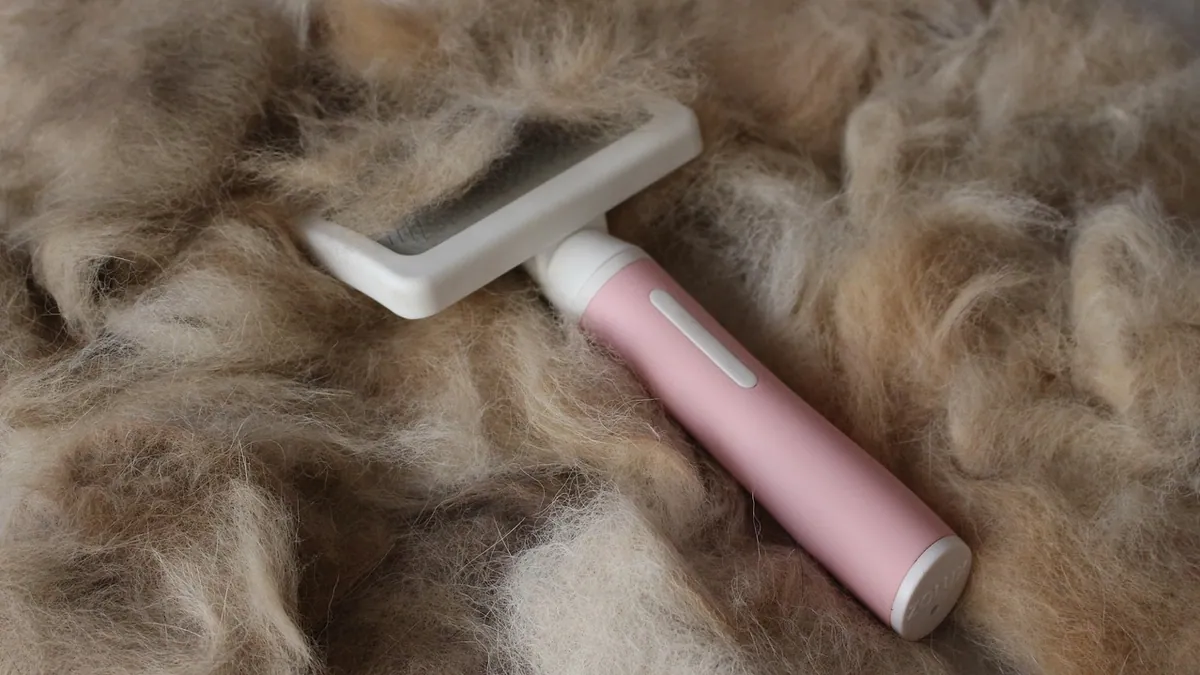
Yes, most puppies shed. Every puppy is born with a soft puppy coat, and at some point that coat loosens and falls out to make room for the adult coat. The timing and the amount depend heavily on breed, coat type, and genetics, so a Poodle and a Labrador will look very different during this transition.
This article is educational and is not a substitute for veterinary diagnosis or treatment.
Quick Answer
- Puppies shed their puppy coat, usually starting somewhere between 4 and 12 months of age, and the process can take several months to finish.
- Double-coated breeds often shed more dramatically during the change than single-coated breeds.
- Many puppies appear to shed more than adults during the coat transition because the entire puppy coat is being replaced at once.
- Daily brushing, regular bathing with a gentle dog shampoo, and a healthy diet are the main home tools for managing the loose hair.
- Sudden bald patches, itching, crusting, or a dull coat that never improves are not normal shedding and need a veterinary exam.
What Happens During a Puppy Coat Change
A puppy's first coat is soft, often finer than the adult coat, and it does not have the same texture or density as what comes later. As the puppy grows, the hair follicles shift into a new growth cycle, and the puppy hair is pushed out. The adult coat grows in underneath.
This is a normal, healthy process. It is not a disease, and it is not the same as hair loss from a medical problem. The change usually happens gradually, but owners often notice it most when the puppy starts leaving hair on furniture, clothes, and car seats.
Some breeds go through a more obvious "blowing coat" phase. Double-coated breeds, which have a dense undercoat plus a longer outer coat, tend to release large amounts of undercoat during the transition. Single-coated breeds may shed less visibly, but they still replace the puppy coat.
Do Puppies Shed More Than Adults?
During the coat change, many puppies do appear to shed more than they will as adults. The reason is simple. The puppy is losing an entire coat while growing a new one, so the volume of loose hair can be high for a few weeks or months.
Once the adult coat is fully in, shedding usually settles into a more predictable pattern. That pattern depends on breed, season, indoor heating and cooling, and overall health. Some dogs shed steadily all year. Others shed heavily twice a year. Some shed very little.
If your adult dog's shedding seems extreme, or if it changes suddenly, that is a different question from normal puppy coat turnover. You can read more about heavy shedding patterns in Dog Shedding Out Of Control.
Breed Differences: Do Yorkie Puppies Shed?
Owners of small breeds often ask whether their puppy will shed. The answer varies by breed and by individual dog.
Do Yorkie puppies shed?
Yes, Yorkie puppies shed their puppy coat. Yorkshire Terriers are often described as low-shedding because they have a fine, hair-like coat that grows continuously, similar to human hair. That does not mean zero shedding. It means the loose hair tends to come out in smaller amounts and can be easier to manage with regular brushing and grooming.
Yorkie puppies still go through a coat change. The soft puppy coat is replaced by the adult silky coat, and during that time you may notice more loose hair than usual. Regular grooming helps remove the dead hair before it ends up on your floor.
Double-coated breeds
Breeds with a dense undercoat, such as Huskies, German Shepherds, and many retrievers, often have the most dramatic puppy coat changes. The undercoat releases in clumps, and the process can last for weeks. Daily brushing during this phase makes a real difference.
Curly and continuously growing coats
Poodles and Poodle crosses have coats that keep growing and need regular clipping. These dogs shed less in the traditional sense because loose hair tends to get caught in the curl instead of falling out. That trapped hair can mat if you do not brush and groom regularly. Poodles and Poodle crosses can also develop coat color changes on the back, and one study found that the average age of onset for that condition was 4 years, with summer being the most commonly reported season of onset [1]. That is separate from normal puppy shedding, but it is worth knowing if you own a Poodle or doodle.
Hairless and very short-coated breeds
Hairless breeds shed very little, though they need skin care. Very short-coated breeds like Beagles and Boxers shed, but the hairs are short and stiff, so they can be harder to see on fabric even when the volume is real.
A Practical Step-by-Step Plan for Managing Puppy Shedding
You cannot stop normal shedding, but you can control where the hair ends up and keep your puppy's coat healthy.
Step 1: Match your brush to your puppy's coat
- Slicker brush: good for fine, silky, or curly coats. Use gentle strokes to avoid scratching the skin.
- Undercoat rake: good for double-coated breeds during heavy shedding. Use it on dry hair and do not dig into the skin.
- Rubber curry brush: good for short coats and for puppies who are still learning to tolerate grooming.
- Metal comb: good for checking for mats behind the ears, under the collar, and near the tail.
Step 2: Brush on a schedule
For most puppies, brushing 2 to 3 times a week is enough. During a heavy coat blow, daily brushing is better. Keep sessions short, especially for young puppies, and pair brushing with treats so it becomes a positive routine.
Step 3: Bathe correctly
Bathing helps loosen dead hair, but too much bathing can dry out the skin. Use a gentle dog shampoo and follow your veterinarian's or groomer's advice on frequency for your breed. Rinse thoroughly, because leftover shampoo residue can irritate the skin.
Step 4: Dry and brush after the bath
Towel dry, then use a low-heat blow dryer if your puppy tolerates it. Brushing after the bath removes a lot of loosened hair. Never use high heat near the skin.
Step 5: Feed a complete and balanced diet
Coat condition reflects overall nutrition. A complete and balanced diet designed for your puppy's life stage supports healthy skin and hair. If you are considering supplements, talk to your veterinarian first. One case report described improved coat coverage in a dog with suspected alopecia X after 66 days of supplementation with horse placenta extract, taurine, and B vitamins, with no adverse events reported during that period [2]. That is a single case in an adult dog with a suspected hair loss condition, not a recommendation for routine puppy shedding.
Step 6: Control the environment
- Vacuum or sweep high-traffic areas often.
- Use washable covers on beds and furniture.
- Keep lint rollers near the door.
- Groom outside or in a bathroom when possible during heavy shedding.
Step 7: Keep vet care current
Puppies need frequent veterinary visits and vaccinations until they are about 4 months old, and they should be kept away from unvaccinated dogs or dogs of unknown vaccine status until their shots are complete [3]. Your vet can also check for skin or parasite problems if shedding looks abnormal.
Puppy Coat Change Schedule and Checklist
| Age range | What is happening | What to do |
|---|---|---|
| 8 weeks to 4 months | Puppy coat is soft and fine. Vaccines and deworming are ongoing. | Brush gently 2 to 3 times a week. Keep vet visits on schedule [3]. |
| 4 to 8 months | Puppy coat starts loosening. Adult coat begins growing in. | Increase brushing. Watch for mats and skin irritation. |
| 6 to 12 months | Peak coat transition for many breeds. Shedding may look heavy. | Brush daily if needed. Bathe as advised for your breed. |
| 12 to 18 months | Adult coat is mostly in for many breeds. Shedding settles. | Return to a maintenance brushing routine. |
| After 18 months | Adult shedding pattern is established. | Adjust grooming to your dog's coat type and season. |
This timeline is a general guide. Small breeds often finish sooner. Large breeds and double-coated breeds may take longer.
Signs That Something Is Wrong
Normal shedding is gradual and spread over the body. It does not leave bare patches, and it does not come with itching, redness, or crusting.
Call your veterinarian if you see any of these:
- Bald patches or thinning that exposes the skin
- Constant scratching, chewing, or licking
- Red, crusty, scaly, or greasy skin
- A dull, brittle coat that does not improve with good nutrition and grooming
- Hair loss around the eyes, muzzle, or ears
- Hair loss that continues for months with no new coat growing in
- Any new lump, sore, or odor
Hair loss in dogs has many possible causes, including hormonal, immune-mediated, genetic, infectious, allergic, parasitic, and behavioral problems, and veterinary treatment usually depends on finding and correcting the underlying disorder [4]. That is why a skin exam matters when shedding does not look normal.
Puppies can also carry intestinal worms passed from their mother, and vets commonly check stool samples every 2 to 4 weeks until there are two negative tests in a row [3]. Worms can affect coat quality, so parasite control is part of coat care.
If your puppy has diarrhea along with coat problems, mention it to your vet. One study found that Campylobacter jejuni was more common in puppies (14.3%) than in adult dogs (2.8%), and it was also more common in dogs that had recently eaten table scraps or trash [5]. Diarrhea is not a shedding problem, but it is a health clue your vet should know about.
Common Mistakes Owners Make
Mistake 1: Shaving a double-coated dog to "stop" shedding
Shaving does not stop shedding. It removes the protective outer coat and can leave the undercoat and skin exposed. It can also change how the coat grows back. Talk to a groomer or veterinarian before shaving a double-coated breed.
Mistake 2: Over-bathing
Bathing too often strips natural oils and can dry out the skin. More bathing is not automatically better for shedding.
Mistake 3: Ignoring mats
Mats trap dead hair and pull on the skin. They can hide infections underneath. Brush regularly and book a groomer if mats form.
Mistake 4: Assuming all shedding is normal
Some shedding is normal. Bald spots, itching, and skin changes are not. If you are unsure, get a veterinary exam.
Mistake 5: Using human hair products
Human shampoos, conditioners, and treatments are not formulated for a dog's skin. Use products made for dogs.
Mistake 6: Skipping puppy vaccines because the coat looks fine
Coat condition and immunity are separate issues. Puppies need vaccinations every 2 to 3 weeks until about 4 months of age, and they should avoid unvaccinated dogs until their shots are complete [3].
Supplies and Setup That Matter for Health
The right setup makes shedding season easier and safer for your puppy.
- A brush that matches your dog's coat type
- A metal comb for checking mats
- A gentle dog shampoo
- A low-heat blow dryer or plenty of towels
- A vacuum or broom you do not mind using often
- Washable bedding and furniture covers
- A grooming appointment schedule for breeds that need clipping
- A calendar for vaccine and deworming visits [3]
If your dog's shedding feels unmanageable even with good grooming, these guides can help you troubleshoot: Keep Dog Shedding Under Control and Do Dogs Control Their Shedding. If shedding changes with the seasons, see Dog Shedding In Cold Weather. If your dog lost coat after a litter, read Dog Hair Loss After Puppies: Causes and What to Do.
Limitations and When to Contact a Veterinarian
This article covers normal puppy coat changes. It cannot tell you whether your individual puppy's shedding is normal or a sign of a medical problem. That requires a veterinary exam, and individual cases need a veterinarian.
Contact your veterinarian the same day if you see:
- Large bald patches that appeared quickly
- Intense itching, chewing, or licking that interrupts sleep or eating
- Red, oozing, crusty, or foul-smelling skin
- Hair loss with vomiting, diarrhea, or lethargy
- A puppy that stops eating or drinking
Go to an emergency clinic now if your puppy has:
- Trouble breathing
- Collapse or weakness
- Repeated vomiting or bloody diarrhea
- Swelling of the face, hives, or a reaction after a vaccine or medication
Schedule a routine visit if you notice:
- Gradual thinning that is not improving
- A dull coat despite good nutrition
- Mats that you cannot safely remove
- Any new lump or skin growth
Your veterinarian can examine the skin, check for parasites, review nutrition, and run tests if needed. Treatment for hair loss in dogs usually starts with finding the underlying cause [4].
Frequently Asked Questions
Do puppies shed their puppy fur?
Yes, puppies shed their puppy fur as part of normal growth. The soft first coat loosens and is replaced by the adult coat, usually starting between 4 and 12 months of age. The process can take several months, and the amount of visible shedding varies by breed.
How long does puppy shedding last?
The coat change often lasts a few weeks to a few months, depending on breed and coat type. Double-coated breeds may take longer than single-coated breeds. If shedding continues for many months with no new coat growing in, ask your veterinarian to check for skin or hormonal problems.
Do puppies shed more than adults?
Many puppies appear to shed more than adults during the coat transition because the entire puppy coat is being replaced at once. Once the adult coat is in, shedding usually settles into a more predictable pattern. Some breeds still shed heavily as adults, especially double-coated breeds.
Do Yorkie puppies shed a lot?
Yorkie puppies shed their puppy coat, but the amount is usually less noticeable than in double-coated breeds. Their fine, hair-like coat grows continuously and tends to trap loose hair instead of release it in clumps. Regular brushing and grooming keep the coat healthy and reduce loose hair around the house.
Can I stop my puppy from shedding?
You cannot stop normal shedding, but you can manage it. Brush regularly with the right tool for your dog's coat, bathe with a gentle dog shampoo as advised, feed a complete and balanced diet, and keep up with veterinary care. If shedding looks abnormal, get a veterinary exam instead of trying to treat it at home.
Related Articles
- Do Dogs Control Their Shedding
- Dog Hair Loss After Puppies: Causes and What to Do
- Dog Shedding Out Of Control
- Keep Dog Shedding Under Control
- Dog Shedding In Cold Weather
- Dog Losing Lots of Hair: Is It Normal Shedding or a Problem?
- When Do Dogs Change Their Coats? Winter Coat Guide
- Dog Losing Undercoat in Clumps: What It Means
- How Long Do Puppies Grow?
References
- Clinical, Histopathological and Epidemiological Features of Dorsal Melanotrichia of Poodles and Poodle Crosses. Veterinary dermatology, 2026.
- Improvement in coat condition observed in dogs with suspected alopecia X through combined supplementation with nutrients for the coat and skin: A case report. Open veterinary journal, 2025.
- Puppy Care - Dog Owners. Merck Veterinary Manual.
- Alopecia management from a comparative perspective: pharmacological and pharmaceutical insights in humans, dogs, and cats. Frontiers in veterinary science, 2026.
- Fecal Campylobacter jejuni shedding in healthy dogs and dogs with acute diarrhea in central New York. American journal of veterinary research, 2026.