Do Kittens Shed? What to Expect and How to Manage It
By Dr. Zubair Khalid, DVM, MS, PhD ·
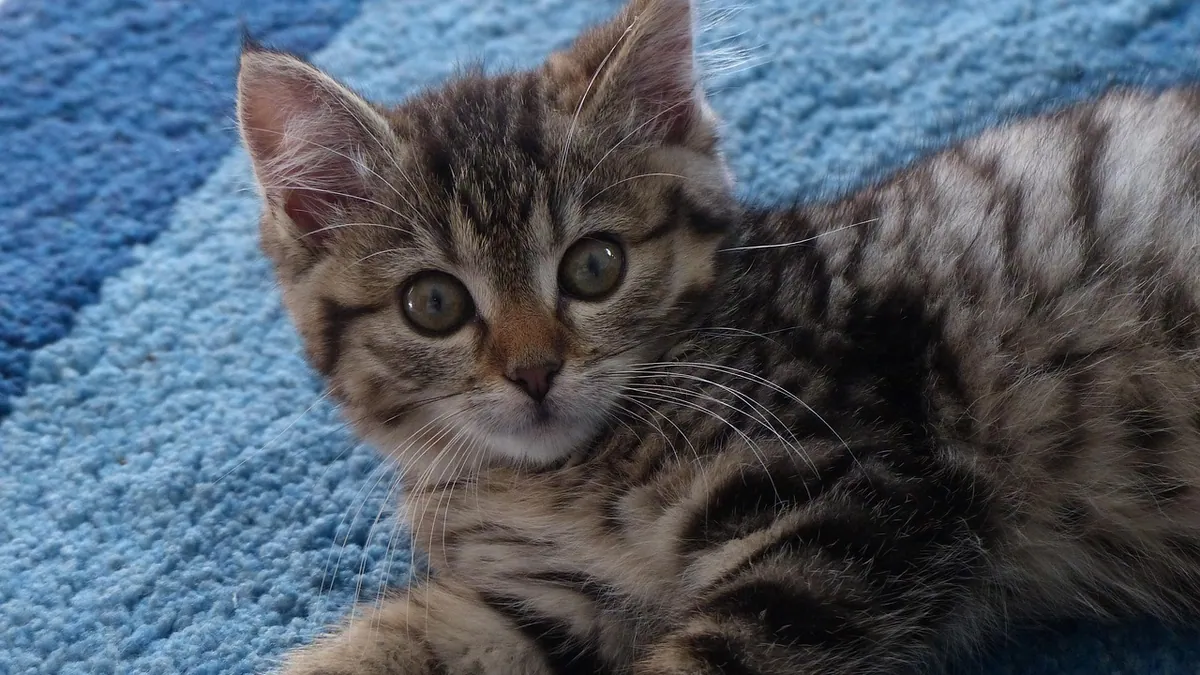
Yes, kittens shed. Every kitten has a baby coat that gets replaced by an adult coat, and that transition involves shedding. The timing and amount vary with breed, hair length, and the season, but shedding is a normal part of growing up.
This article is educational and is not a substitute for veterinary diagnosis or treatment.
Quick Answer
- Kittens typically start shedding their baby coat somewhere between 4 and 8 months of age, though the exact timing varies by breed and individual cat.
- Short-haired kittens usually shed less than long-haired kittens, and hairless breeds shed very little at all.
- Indoor cats often shed year-round because artificial light and stable temperatures blur seasonal shedding cues.
- Brushing your kitten two to three times a week removes loose hair before it lands on your furniture and helps you spot skin problems early.
- Sudden bald patches, crusty skin, or excessive shedding with scaling are not normal and need a veterinary exam.
Do Kittens Shed Less Than Adult Cats?
Yes, in most cases. A kitten's baby coat is finer and softer than an adult coat, and the total volume of hair is smaller simply because the kitten is smaller. That is why many owners barely notice shedding in the first few months.
The bigger change comes when the adult coat grows in. During that transition, you may see more loose hair than you did when your kitten was younger. Once the adult coat is fully in place, shedding settles into a pattern that depends on hair length, breed, and environment.
Cats spend about 4% of their daily activity budget grooming themselves [1]. That self-grooming removes a lot of loose hair before you ever see it, which is one reason kittens can seem to shed very little. The hair still comes out. Your kitten is just swallowing much of it, which is also why hairballs can show up during coat transitions.
Hair length matters too. In one study of grooming behavior, healthy cats with different hair lengths did not differ in how long they spent on each grooming bout [1]. Long-haired cats still produce more visible shed hair simply because they have more coat to lose.
When Do Kittens Start Shedding?
Most kittens begin losing their baby coat between 4 and 8 months of age. Some start earlier, and some hold onto the kitten coat closer to a year. There is no single switch that flips on a specific day.
A few things influence the timeline:
Breed and hair length. Long-haired breeds often take longer to complete the coat change than short-haired cats. Hairless cats shed almost nothing, though they still produce some skin oils and dander.
Season. Cats with outdoor access tend to shed heavily in spring and fall as daylight changes. Indoor cats under artificial light often shed more evenly across the year.
Spay or neuter timing. Hormonal changes after spaying or neutering can affect coat texture and shedding, though this varies from cat to cat.
Nutrition. Coat quality depends on adequate protein, fat, and trace minerals in the diet. In a study of adult cats, those fed diets with certain complexed trace minerals (zinc, manganese, copper, and iron) tended to shed slightly less hair and had better dander scores than cats fed standard inorganic mineral sources [2]. That study looked at adult cats, not kittens, but it shows that what a cat eats shows up in the coat.
If your kitten is around 6 to 7 weeks old and weaning, that is also the age when the first veterinary visits should begin [3]. Coat and skin checks are part of those exams, so any early shedding concerns can be addressed right away. If you have not scheduled that first appointment yet, see Kitten First Vet Visit: What Should You Expect?.
How to Manage Kitten Shedding: Step by Step
Step 1: Pick the right brush for the coat
For short-haired kittens, a rubber curry brush or a fine-toothed grooming glove works well. For long-haired kittens, use a metal comb with wide teeth followed by a finer comb. Start with short sessions so your kitten gets used to the handling.
Step 2: Brush two to three times a week
Regular brushing removes loose hair before your kitten swallows it. It also gives you a chance to run your hands over the whole body and notice lumps, scabs, or bald spots early. During heavy shedding periods, daily brushing is fine.
Step 3: Make grooming pleasant
Keep sessions to a few minutes at first. Offer a treat afterward. If your kitten squirms or hides when the brush comes out, slow down and try again later. A kitten who learns that brushing is safe is easier to groom for life. If your cat hides often or seems stressed by handling, Why Is My Cat Hiding? covers possible reasons.
Step 4: Feed a complete, balanced diet
Coat health starts from the inside. Choose a commercial diet labeled for growth or all life stages, since kittens have higher nutrient needs than adults. If you want to add a supplement, ask your veterinarian first. Doses and products should be chosen based on your kitten's weight and health, not on a label claim.
Step 5: Keep up with parasite prevention
Fleas, mites, and other parasites cause itching, scaling, and hair loss. Your veterinarian will recommend a preventive product and schedule. Never use a dog product on a cat, and never guess at a dose.
Step 6: Control the hair in your home
Lint rollers, washable throws on favorite sleeping spots, and a vacuum with a pet hair attachment make a real difference. None of this changes how much your kitten sheds, but it keeps the hair manageable.
Step 7: Watch for changes
Take a quick photo of your kitten's coat once a month. Comparing photos helps you notice gradual thinning that is easy to miss day to day.
Kitten Coat Timeline at a Glance
| Age | Coat stage | What you may notice |
|---|---|---|
| Birth to 8 weeks | Baby coat | Soft, fine hair. Very little visible shedding. |
| 2 to 4 months | Transition begins | Slightly more loose hair. Coat may look uneven. |
| 4 to 8 months | Active coat change | Most kittens shed noticeably during this window. |
| 8 to 12 months | Adult coat settling in | Shedding becomes more predictable. |
| After 1 year | Adult pattern | Seasonal or year-round shedding depending on lifestyle. |
This timeline is a general guide. Individual kittens vary, and a kitten who is a late bloomer is not necessarily a problem.
Normal Shedding vs. Hair Loss That Needs a Vet
Shedding is the natural release of old or excess hair. Hair loss, called alopecia, is different. It means hair is falling out faster than it is being replaced, or the hair follicles are damaged.
Alopecia in cats has many possible causes, including hormonal, immune-mediated, genetic, infectious, allergic, parasitic, and behavioral problems [4]. Because the list is long, a veterinarian needs to examine your kitten instead of guess from a photo.
One example: a 1-year-old cat was brought in for a month of excessive hair shedding with white scales on the coat but no itching. Examination found Demodex gatoi mites, and the cat improved substantially after treatment with a topical parasiticide plus an essential fatty acid supplement [5]. That case shows why "just shedding" deserves a closer look when scales or patches are involved.
Signs that are probably normal
- More loose hair during spring and fall
- A slightly thinner coat during the first coat change
- Hair on your clothes and furniture, with no bald spots on the cat
- Symmetrical, mild thinning that your veterinarian confirms is normal for the breed
Signs that need a veterinary visit
- Bald patches, especially on the flanks, belly, or back
- Scaly, crusty, or greasy skin
- Redness, sores, or scabs
- Constant scratching, chewing, or overgrooming
- Hair loss around the ears, face, or neck
- A dull, brittle coat that does not improve with good nutrition
- Weight loss, appetite change, or lethargy along with coat changes
Some cats overgroom to the point of baldness. In a study of grooming behavior, cats with psychogenic alopecia groomed fewer body parts than healthy short-haired cats, which suggests the pattern of grooming itself can change with a behavioral condition [1]. That is another reason a veterinarian should evaluate any real hair loss.
Common Mistakes Owners Make
Mistaking normal shedding for a problem, or the reverse. A little loose hair is fine. A bald patch is not. When in doubt, get it checked.
Skipping brushing because the kitten hates it. Short, frequent sessions build tolerance. Giving up means more swallowed hair and more hairballs.
Using human hair products. Shampoos, conditioners, and supplements made for people are not formulated for cats. Some ingredients are toxic to cats.
Bathing too often. Frequent baths strip natural oils and can dry out the skin. Ask your veterinarian how often, if at all, your kitten needs a bath.
Ignoring parasites. Fleas and mites are common causes of coat problems, and prevention is far easier than treatment.
Delaying vaccinations and checkups. Kittens need veterinary visits every 3 to 4 weeks until about 6 months of age for vaccines and parasite treatment [3]. Maternal immunity from the mother fades slowly over time, which is why kittens are vaccinated on a schedule starting at 2 to 3 months old, and why they should be kept away from unvaccinated cats until the full vaccine series is complete [3]. A kitten with a poor coat may also have a health issue that a routine exam would catch. Microchipping is often discussed at these visits too, and When Do Kittens Get Microchipped explains the timing.
Supplies and Setup That Matter for Coat Health
You do not need a grooming salon at home. A few basics cover most kittens:
- A brush matched to the coat. Rubber curry for short hair, metal comb for long hair.
- Flea and tick prevention recommended by your veterinarian. Never share products between species.
- A complete kitten diet. Look for a statement on the label that the food meets the nutrient profiles for growth or all life stages.
- A quiet grooming spot. A stable surface with good light lets you check the skin as you brush.
- A lint roller and washable blankets. Practical tools for living with a shedding cat.
- A calendar for vet visits. Kittens need frequent visits early on, and coat changes are easier to track when exams are regular [3].
If you are bringing a second kitten into the home, do it carefully. Stress and territorial behavior can lead to overgrooming and coat changes. Introducing New Kitten walks through a gradual introduction.
Limitations and When to Contact a Veterinarian
This article covers general patterns. Your kitten is an individual, and only a veterinarian who examines your cat can diagnose a coat problem.
Contact your veterinarian the same day if you see:
- Sudden bald patches or a rapidly thinning coat
- Scabs, crusts, or open sores on the skin
- Intense scratching, chewing, or licking that breaks the skin
- Hair loss along with vomiting, diarrhea, or not eating
- A kitten who seems painful when touched
Seek emergency care now if you see:
- Difficulty breathing, especially with a blue or pale gum color
- Collapse, weakness, or unresponsiveness
- A kitten who cannot swallow or is choking. See How To Know If Your Cats Choking for what to look for.
- Heavy bleeding from scratched skin that will not stop
Schedule a routine visit if you notice:
- Gradual thinning over weeks
- A dull coat that does not improve with better nutrition
- Mild dandruff or scaling without itching
- Any coat change that worries you, even if your kitten seems fine otherwise
Frequently Asked Questions
Do all kittens shed?
Yes. Every kitten loses its baby coat and grows an adult coat, so some shedding is universal. The amount varies widely by breed, hair length, and environment. Hairless breeds shed the least, but they still produce skin oils and dander.
Do kittens shed less than adult cats?
Usually yes, at least at first. A kitten's coat is finer and the total hair volume is smaller, so there is less to lose. Shedding often increases during the coat change and then settles into an adult pattern.
How long does the first shed last?
The baby coat transition usually plays out over several weeks to a few months. Most kittens complete the change before their first birthday. Long-haired kittens may take longer than short-haired ones.
Can shedding be a sign of a health problem?
Sometimes. Normal shedding is even and does not leave bald spots. Hair loss with scaling, crusting, itching, or patches points to an underlying issue such as parasites, allergies, or another condition that a veterinarian should evaluate [4].
Does brushing reduce shedding?
Brushing removes loose hair before it ends up on your furniture or in your kitten's stomach, but it does not stop the coat from shedding. Think of it as management, not prevention. Regular brushing also helps you catch skin problems early.
Should I worry about hairballs in my kitten?
Occasional hairballs can happen during heavy shedding, especially in long-haired kittens. Frequent hairballs, coughing, or vomiting are not normal and should be checked by a veterinarian. More brushing and a diet formulated to help with hairball control may be recommended.
Related Articles
- When Do Kittens Get Microchipped
- Kitten First Vet Visit: What Should You Expect?
- Why Is My Cat Hiding?
- How To Know If Your Cats Choking
- Introducing New Kitten
- Why Is My Cat Losing Hair?
- Why Is My Cat Shedding So Much and How to Manage It
- When Do Cats Shed the Most? Seasonal Shedding
- How Much Should a Cat Shed? Normal vs Excessive
References
- Exploring Normal to Abnormal Variations of Grooming Behaviours in Cats. Veterinary dermatology, 2026.
- Effect of Supplemental Trace Mineral Source on Haircoat and Hair Loss in Adult Cats. Animals : an open access journal from MDPI, 2025.
- Kitten Care - Cat Owners. Merck Veterinary Manual.
- Alopecia management from a comparative perspective: pharmacological and pharmaceutical insights in humans, dogs, and cats. Frontiers in veterinary science, 2026.
- Successful treatment of non-pruritus, excessive hair shedding and scales in a cat due to Demodex gatoi with fluralaner topical spot-on. JFMS open reports, 2024.