When Do Dogs Change Their Coats? Winter Coat Guide
By Dr. Zubair Khalid, DVM, MS, PhD ·
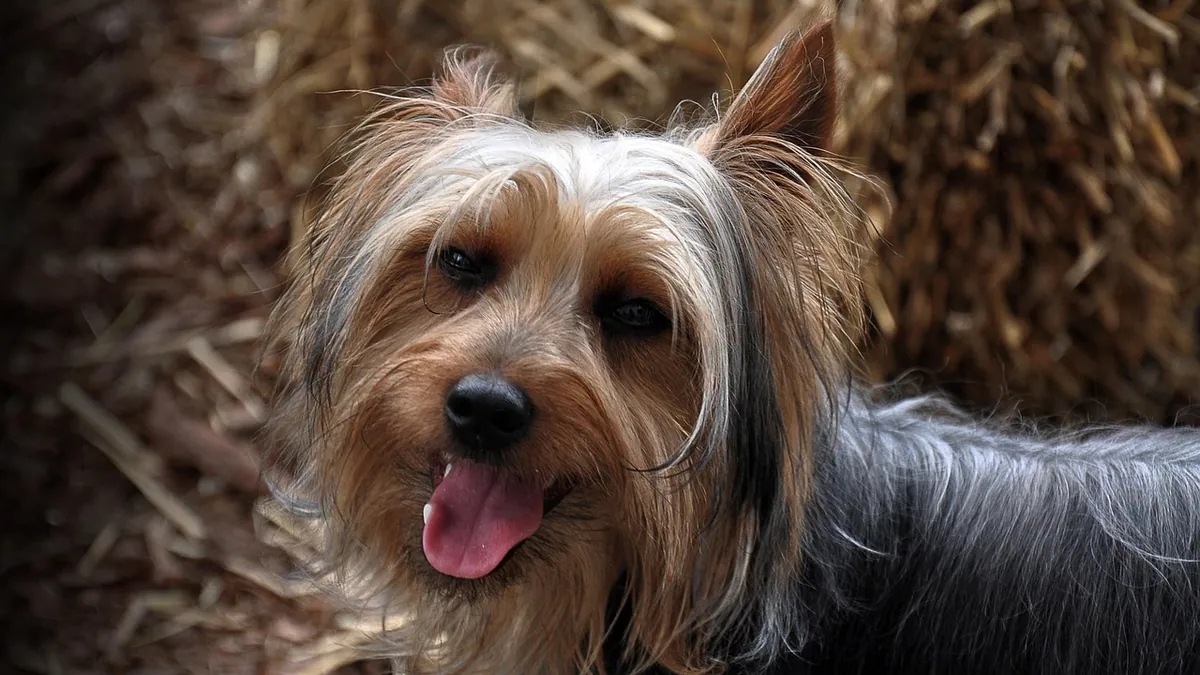
Most dogs change their coats twice a year, in spring and fall, and the main trigger is changing daylight instead of temperature alone. As days shorten in late summer and fall, many dogs grow a thicker winter coat, and as days lengthen in late winter and spring, they shed it out. This article is educational and is not a substitute for veterinary diagnosis or treatment.
Quick Answer
- Expect the heaviest coat change in fall (winter coat coming in) and spring (winter coat shedding out).
- Daylight length is the primary signal. Temperature, indoor heating, and time spent indoors modify how dramatic the shed is.
- Normal coat change means increased shedding, not bald patches, crusts, or itchy skin.
- Brush daily during the change, and more often on double-coated breeds.
- Sudden, patchy, or one-sided hair loss, or hair loss with itching, odor, or scabs, needs a veterinary visit.
When Do Dogs Change Their Coats? The Seasonal Pattern
Dogs are not strictly seasonal the way some wild mammals are, but most still follow a two-cycle pattern. The coat you see in January is usually not the same coat the dog had in July.
The driving signal is photoperiod, which is the number of daylight hours. Dogs housed under natural daylight show clear daily rhythms in their clock genes, and those rhythms shift when light exposure changes [1]. That internal clock helps coordinate molting and hair regrowth with the seasons.
In practical terms, the pattern usually looks like this:
- Late summer to fall: days shorten, the summer coat sheds out, and the denser winter undercoat grows in.
- Late winter to spring: days lengthen, the winter coat sheds out, and a lighter summer coat replaces it.
- Indoor dogs: artificial light can blur the signal, so shedding may be more spread out or nearly year-round.
Temperature matters too, but it is secondary. A dog that lives indoors in a heated home may shed gradually all winter instead of in one big drop.
Why Some Dogs Barely Change Coats
Single-coated breeds (many terriers, poodles, and similar types) have less dramatic seasonal shedding. Double-coated breeds (huskies, shepherds, retrievers, and spitz types) show the biggest swings because they carry a dense undercoat that turns over twice a year.
Hair length itself is partly genetic. A variant in the FGF5 gene is linked to long hair in Akitas, and hair length scores differ among the three genotypes [2]. That means some coat differences you notice between dogs are built in, not seasonal.
A Step-by-Step Plan for Coat Change Season
You cannot stop the shed, but you can manage it and catch problems early.
- Track the calendar. Note when shedding ramps up. Most owners see a spike in fall and spring.
- Increase brushing before the shed peaks. Daily brushing removes loose undercoat before it lands on your furniture.
- Bathe when the coat feels greasy or packed. A clean coat sheds more efficiently.
- Check the skin weekly. Part the hair and look for redness, scabs, bumps, or bald spots.
- Watch for behavior changes. A dog that suddenly hates being brushed, or licks one area constantly, may have a skin problem. See What Does It Mean When Your Dog's Behavior Changes.
- Adjust exercise for weather. Coat change often overlaps with temperature extremes.
Grooming Tools That Actually Help
- Undercoat rake: best for double-coated breeds during heavy shed.
- Slicker brush: good for daily upkeep on medium coats.
- Deshedding tool: use gently, and stop if the skin reddens.
- Rubber curry: useful for short coats and for lifting loose hair.
- Greyhound comb: checks for mats behind the ears and under the collar.
Do not shave a double-coated dog to "fix" shedding. The undercoat insulates against heat and cold, and shaving can interfere with how the coat regrows.
Coat Change Schedule and Comparison Table
| Season | What Happens | Main Trigger | What You Should Do |
|---|---|---|---|
| Late summer to fall | Winter undercoat grows in, summer coat sheds | Shortening daylight | Brush daily, check skin weekly |
| Winter | Coat is thickest, shedding may be light or steady indoors | Cold plus indoor heat | Maintain brushing, watch for dry skin |
| Late winter to spring | Winter coat sheds out heavily | Lengthening daylight | Increase brushing and bathing |
| Summer | Lighter coat, shedding slows | Long daylight, heat | Keep up routine grooming |
If your dog lives mostly indoors, the table may shift. Constant light exposure disrupts some circadian rhythms in dogs, and only the Clock gene kept its daily rhythm under constant light in one study [1]. That is one reason indoor dogs can shed on an odd schedule.
When Do Dogs Lose Their Winter Coat?
The winter coat usually starts to loosen in late winter and early spring as daylight increases. The heaviest shedding often happens over two to four weeks, though it can stretch longer in dogs that spend most of their time indoors.
You may notice tufts of undercoat coming out in handfuls. That is normal. What is not normal is bare skin, thinning patches, or a coat that never comes back in.
Cold weather itself can affect skin and paws. Dry indoor air and cold outdoor air can lead to flaking and itching. If your dog is licking its paws more than usual, see Dog Licking Paws Cold Weather. If shedding in cold weather seems heavier than usual, Dog Shedding In Cold Weather covers that pattern.
Signs That Something Is Wrong
Normal coat change is a shedding event. It is not a skin disease. Watch for these differences.
Normal coat change:
- Symmetrical shedding across the body
- No bald patches
- Skin looks normal, maybe slightly dry
- Dog is comfortable
Possible problem:
- Patchy or one-sided hair loss
- Bald spots that do not regrow
- Red, crusty, scaly, or greasy skin
- Constant scratching, chewing, or licking
- Foul odor
- Hair that breaks off easily
- Weight loss, lethargy, or appetite change
Hair fragility is a real marker in some coat disorders. In Pomeranians with Alopecia X, hair fragility per 10 mg of hair was highest in affected dogs (85.3), compared with woolly-coated (53.6) and shiny-coated (26) unaffected dogs [3]. Affected dogs also had fewer follicles per group and more kenogen and atrophic groups than unaffected dogs [3]. That is why a veterinarian may pluck hairs and examine them under a microscope instead of just looking at the coat.
If your dog has itchy ears along with coat changes, that can point to a separate problem. See Dog Itchy Ears Winter.
Common Mistakes Owners Make
- Shaving a double-coated dog. This can damage coat regrowth and remove insulation.
- Assuming all shedding is seasonal. Year-round heavy shedding can signal thyroid, skin, or parasite problems.
- Over-bathing. Too many baths strip oils and can worsen dry, flaky skin.
- Ignoring skin changes. Redness, scabs, and odor are not part of normal molting.
- Using human shampoo. Dog skin has a different pH. Use a dog-specific product.
- Skipping the vet because "it's just shedding." Patchy loss with itching or odor needs a diagnosis.
- Forgetting heat safety. A thick winter coat plus warm weather raises heat stress risk.
Heat matters more than many owners realize. In one study of dogs walked outdoors, walking when black-globe temperature was above 35 °C caused large increases in hair-coat temperature (about 20.5 °C), skin temperature (about 7.2 °C), respiratory rate (from roughly 47 to 374 breaths per minute), and water intake (about 215 mL) compared with walks below 30 °C [4]. The dogs kept rectal temperature in a narrow range, but the strain was still measurable [4]. During coat change season, avoid the hottest part of the day and bring water.
Supplies and Setup That Support Coat Health
- A quality dog brush matched to coat type. The wrong tool can scratch skin.
- Dog-specific shampoo. Choose one for your dog's skin type.
- A towel and drying area. Wet undercoat can stay damp and cause skin problems.
- Flea and tick prevention. Parasites cause hair loss and itching.
- A calendar or app. Track shedding peaks and skin checks.
- A scale. Weight change can accompany coat and skin disease.
- Good lighting. You cannot check skin in dim light.
If you keep other pets, grooming needs differ by species. For example, Rabbit Grooming: Coat, Nail, and Ear Care for Different Breeds covers a very different coat cycle.
Limitations and When to Contact a Veterinarian
Coat change is normal, but you cannot diagnose the cause of abnormal hair loss at home. Individual cases need a veterinarian who can examine the skin, check for parasites, and run blood work if needed.
Contact your veterinarian the same day if:
- Your dog has sudden bald patches
- The skin is red, oozing, or smells bad
- Your dog is scratching until it bleeds
- You see fleas, mites, or crusts
Go to an emergency clinic now if:
- Your dog is weak, collapsing, or struggling to breathe
- Your dog has a swollen face, hives, or vomiting with skin changes
- Your dog cannot stand or seems in severe pain
Schedule a routine visit if:
- Shedding has been heavy for more than a few weeks
- The coat is not growing back
- Your dog has weight loss, appetite change, or low energy
- You notice hair loss that is not symmetrical
Your veterinarian will decide what testing is needed. There is no single test for coat problems, and treatment depends on the cause.
Frequently Asked Questions
Do all dogs change their coats twice a year?
No. Double-coated breeds usually show two clear sheds, while single-coated breeds may shed steadily all year. Indoor lighting and climate can also blur the seasonal pattern.
How long does a coat change last?
Most heavy sheds last a few weeks, though it varies by breed, daylight exposure, and whether the dog lives indoors. If shedding stays heavy for months, have your dog checked.
Can I stop my dog from shedding during coat change?
You cannot stop it, but regular brushing, bathing, and a healthy diet reduce how much loose hair ends up in your home. Shaving a double-coated dog is not a safe shortcut.
Does cold weather make dogs shed more?
Cold weather itself is not the main trigger. Shortening daylight is. Dry winter air and indoor heating can make skin flaky, which may look like extra shedding.
Should I worry if my dog's coat looks different after a shed?
A slightly different texture or thickness is normal. Patchy loss, bald spots, itching, or a coat that never regrows is not normal and needs a veterinary exam.
Related Articles
- Dog Shedding In Cold Weather
- Dog Licking Paws Cold Weather
- What Does It Mean When Your Dog's Behavior Changes
- Dog Itchy Ears Winter
- How to Take Your Dog's Temperature at Home: A Step-by-Step Guide
- Do Puppies Shed? Puppy Coat Changes and Shedding
- When Do Dogs Become Adults? Growth Stage Timeline
- When Do Dogs Stop Growing? Age by Breed Size
References
- Persistence of clock gene expression in peripheral blood in dogs maintained under different photoperiod schedules. Chronobiology international, 2024.
- Genetic Variant of the Canine FGF5 Gene for the Hair Length Trait in the Akita: Utility for Hair Coat Variations and Welfare in Conservation Breeding. Genes, 2025.
- Histological and Trichographic Differences Between Coat Types in Non-Alopecic Pomeranians and With Alopecia X. Veterinary dermatology, 2026.
- Cool and safe walks: heat stress threshold for domestic dogs living in hot and sunny regions. International journal of biometeorology, 2026.