Dog Losing Undercoat in Clumps: What It Means
By Dr. Zubair Khalid, DVM, MS, PhD ·
Dog losing undercoat in clumps is usually a normal shed cycle called coat blowing, especially in double-coated breeds. The undercoat loosens all at once and comes out in tufts, often in spring and fall. Sometimes the same pattern points to a thyroid, skin, or nutrition problem instead.
This article is educational and is not a substitute for veterinary diagnosis or treatment.
Quick Answer
- Clumps of soft, fluffy undercoat with healthy skin underneath are usually normal shedding, not disease [1].
- Shedding is abnormal when it leaves bald patches, thin spots, or symmetric hair loss [1].
- Seasonal flank hair loss in certain breeds is cosmetic and regrows on its own, with no effect on general health [2].
- Hair loss with redness, scabs, odor, itching, or weight change needs a vet visit.
- Daily brushing during a blow, plus a complete diet, manages most normal undercoat shedding.
What "Losing Undercoat in Clumps" Actually Means
Most dogs have two coat layers. The top coat is made of longer, stiffer guard hairs. The undercoat is the dense, soft, woolly layer close to the skin that insulates your dog in heat and cold. When the undercoat releases in large amounts, owners often describe it as clumps, tufts, or chunks of fur coming off in their hands.
This release is tied to the hair growth cycle. Old hair falls out as new hair grows in, so shedding is a normal part of coat replacement [1]. In double-coated breeds, the undercoat can shed in a dramatic, synchronized way. That event is commonly called coat blowing. The top coat usually stays in place, which is why a blowing dog can look patchy and thin in the undercoat while still having visible guard hairs.
The key question is not how much hair is coming out. It is whether the skin and the remaining coat look healthy. Shedding that does not cause bald patches or symmetric hair loss is likely just a stage in the natural replacement of the coat [1]. Hair loss that leaves bare skin, sores, or a changed coat texture is a different problem.
Signs Owners Notice During a Coat Blow
A normal blow has a recognizable pattern.
- Soft, light-colored fluff comes out in handfuls when you pet, brush, or bathe your dog.
- The shedding is spread over the body, not confined to one patch.
- The skin underneath looks normal, with no redness, crusts, or odor.
- Your dog is not itchy, painful, or licking at the area.
- The coat looks thinner for a few weeks, then fills back in.
Abnormal undercoat loss looks different. You may see bare patches, thinning on both sides of the body in a mirror-image pattern, or hair that pulls out easily in one spot. Skin changes matter too. Redness, scabs, greasy flakes, and a bad smell point toward a skin problem instead of a shed cycle. If your dog is also scratching, chewing, or rubbing, read about dog hair loss with scabs for the common causes behind that combination.
Is Your Dog Losing Undercoat in Winter?
Many owners worry when the coat blows in cold weather. The timing can be normal. Indoor heating, artificial light, and a comfortable indoor temperature can shift a dog's shed cycle away from the seasons you expect. Some dogs shed heavily twice a year, and some shed steadily all year.
One specific pattern is worth knowing. Canine flank alopecia causes non-inflammatory, often darkened, well-defined, symmetric patches of hair loss on the flanks, and it starts when daylight is decreasing, usually in autumn or winter [2]. Hair regrows partly or fully the following spring or summer [2]. It does not cause systemic symptoms and does not harm your dog's general health [2]. So a dog losing undercoat in winter with symmetric flank patches may have this seasonal condition, not a serious illness. If your dog sheds heavily in the cold months without bald spots, see dog shedding in cold weather for practical management.
Causes and Risk Factors
Undercoat loss has several possible explanations. Most are harmless. Some need treatment.
Normal coat blowing
Double-coated breeds blow their undercoat once or twice a year. The shedding is heavy but temporary, and the coat returns.
Seasonal flank alopecia
This condition has a strong breed predisposition and a cyclical pattern tied to decreasing daylight [2]. It is considered primarily cosmetic [2].
Alopecia X
Alopecia X is a non-inflammatory hair loss disorder seen most often in "plush-coated" breeds such as Pomeranians, Alaskan Malamutes, Chow Chows, Schipperkes, and Poodles [3]. It is a complex follicular arrest, and the exact cause is unknown [4][3]. Dogs with double coats and dense undercoats are commonly affected [4]. The coat loss does not come with inflammation or itching.
Thyroid and other endocrine disease
Hormonal problems can change the coat and cause symmetric hair loss. In veterinary patients, hair loss often reflects an underlying endocrine, hereditary, infectious, allergic, parasitic, or self-induced disorder [5]. This is one reason a vet exam matters when shedding comes with weight gain, low energy, or a dull coat.
Skin infection and parasites
Abnormal shedding can be caused by bacterial infection [1]. Parasites, allergies, and self-trauma from licking can also destroy or damage hair and lead to patchy loss [1][5]. These cases usually come with itching, redness, or odor.
Nutrition
A complete, balanced diet supports hair growth. A case report described a dog with suspected alopecia X that improved after combined supplementation with nutrients for the coat and skin, with near-full coat coverage after 66 days and no hair loss during a 76-week follow-up [4]. That is a single case, so it does not prove a general treatment. It does show that coat nutrients can matter in some dogs.
Radiation therapy
Dogs receiving radiation for nasal tumors can develop hair loss in the treated area. Coat type affects this, and all dogs with curly or wire-haired coats in one study developed acute radiation-induced alopecia during therapy [6]. This cause is obvious from the treatment history.
| What you see | Likely explanation | What to do |
|---|---|---|
| Soft undercoat in clumps, normal skin, no bald spots | Normal coat blow [1] | Brush daily, bathe as directed, wait it out |
| Symmetric flank patches starting in fall or winter | Canine flank alopecia [2] | Vet visit to confirm, usually regrows on its own |
| Symmetric hair loss, no itching, plush-coated breed | Possible alopecia X [4][3] | Vet visit for diagnosis and options |
| Patchy loss with redness, scabs, odor, itching | Infection, parasites, or allergy [1][5] | Vet visit, often same week |
| Coat loss with weight change or low energy | Possible endocrine disease [5] | Vet visit with blood work |
How Veterinarians Diagnose Undercoat Loss
Diagnosis starts with history and a physical exam. Your vet will ask when the shedding started, whether it follows a season, what diet your dog eats, and whether anything else has changed. They will look at the pattern of loss. Symmetric, non-inflammatory loss points in one direction. Patchy, inflamed loss points in another.
For seasonal flank alopecia, diagnosis is based on signalment, the seasonal pattern, and the appearance of the lesions [2]. For alopecia X, diagnosis is harder because reliable, minimally invasive biomarkers are lacking [3]. A study of Pomeranians found that serum insulin-like growth factor-1 concentrations were not reduced in dogs with alopecia X compared with healthy controls, so this test does not confirm the condition [3]. Your vet may still run blood work to rule out thyroid and other endocrine disease, plus skin tests for infection or parasites when the skin looks abnormal.
Treatment Options
Treatment depends on the cause. There is no single fix for undercoat loss.
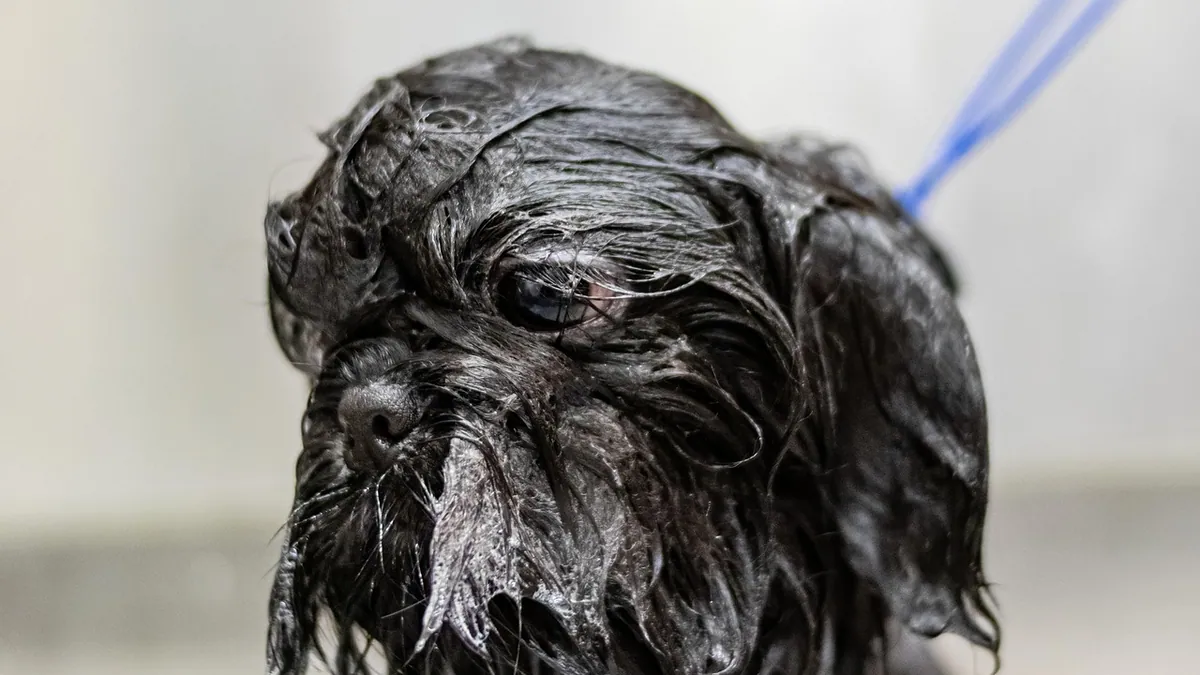
For a normal coat blow, no medical treatment is needed. Regular brushing removes loose undercoat and reduces the amount of hair landing on your floors. A bath and blow-dry at a groomer can speed the process.
For seasonal flank alopecia, many dogs need no treatment because the hair regrows on its own [2]. Your vet may discuss options if the appearance bothers you.
For alopecia X, management is challenging because the cause is unknown and responses to treatment vary [4]. Some dogs improve with coat and skin nutrient support, as in the reported case [4]. Others need other approaches chosen by your vet. No single protocol works for every dog.
For infection, parasites, or allergies, treatment targets the underlying problem. Antibiotics, antiparasitics, or allergy management can allow the coat to grow back once the skin is healthy.
For suspected endocrine disease, treating the hormone problem is the goal. Coat regrowth follows once the condition is controlled.
If your dog's shedding is heavy but the skin is healthy, keep dog shedding under control covers grooming and home strategies that make a real difference.
Recovery, Outlook, and Long-Term Management
The outlook is good for most causes of undercoat loss. Normal coat blowing resolves within a few weeks, and the coat returns to normal density. Seasonal flank alopecia regrows partly or fully in spring or summer, though it tends to come back each year because it is cyclical [2]. Alopecia X is non-inflammatory and does not make your dog sick, but the coat may never fully return, and relapses are possible [4][3].
Long-term management focuses on three things. Keep the skin healthy with regular grooming and parasite control. Feed a complete, balanced diet. Keep up with vet visits so any underlying disease stays controlled. If your dog has a chronic coat condition, take photos every few months. Photos make it easier to see slow changes in coat coverage over time.
Prevention
You cannot prevent a normal shed cycle, and you should not try. Coat blowing is part of how a double-coated dog maintains a healthy coat. What you can do is reduce the fallout and catch problems early.
- Brush your dog several times a week, and daily during a blow.
- Use the right tool for the coat type, such as an undercoat rake for dense undercoats.
- Bathe with a dog-safe shampoo when your vet or groomer recommends it.
- Feed a complete and balanced diet that meets your dog's life stage.
- Keep flea, tick, and parasite prevention current.
- Check the skin monthly for redness, scabs, lumps, or odor.
- See your vet early if shedding comes with bald spots or skin changes.
If shedding is constant and heavy with no clear season, dog shedding out of control walks through the next steps. If you are also seeing hair loss on the body in general, why is my dog losing hair covers the broader causes.
Limitations and When to Contact a Veterinarian
This article cannot tell you what is happening with your individual dog. Only a veterinarian who examines your dog can do that. Use the timing below as a guide.
Contact your vet the same day if your dog has rapid hair loss over a large area, open sores or crusted skin, severe itching that disrupts sleep, or a bad skin odor. These signs suggest infection, parasites, or another condition that needs prompt treatment [1][5].
Seek emergency care now if your dog is weak, collapsing, having trouble breathing, or has sudden swelling of the face or throat. These are not coat problems.
Schedule a routine visit within a week or two if shedding leaves bald patches, if hair loss is symmetric on both sides of the body, if the coat is dull and dry with weight gain or low energy, or if heavy shedding continues for more than a few weeks without regrowth [1][5]. Bring a photo of your dog from a few months ago so your vet can compare coat coverage.
Frequently Asked Questions
Should I worry if my dog is losing undercoat in clumps?
Usually no, if the skin looks normal and there are no bald spots. Shedding without bald patches or symmetric hair loss is likely just part of the natural coat replacement cycle [1]. Worry when you see bare skin, sores, itching, or other changes in your dog's health.
How long does a coat blow last?
Most coat blows run for one to three weeks, with the heaviest shedding in the first several days. Brushing daily shortens the visible shedding period by removing loose undercoat before it lands around your home. If heavy shedding continues for more than a few weeks with no regrowth, have your vet take a look.
Can a dog lose undercoat from a bad diet?
A poor or unbalanced diet can lead to a dull, thin coat. Coat condition improved in one dog with suspected alopecia X after combined nutrient supplementation for the coat and skin [4]. That is a single case, so talk with your vet before adding supplements, and feed a complete and balanced diet as your base.
Does seasonal flank hair loss need treatment?
Often it does not. Canine flank alopecia is primarily a cosmetic condition that does not compromise your dog's general health, and hair regrows partly or fully the next spring or summer [2]. Your vet can confirm the diagnosis and discuss options if the appearance concerns you.
Which breeds are most likely to lose undercoat in clumps?
Double-coated breeds blow their undercoats most dramatically. Alopecia X is common in Pomeranians and also affects Alaskan Malamutes, Chow Chows, Schipperkes, and Poodles [3]. Seasonal flank alopecia has a strong breed predisposition as well [2]. Mixed-breed dogs with dense undercoats can blow their coats just as heavily.
Related Articles
- Dog Hair Loss with Scabs: What Does It Mean?
- Why Is My Dog Losing Hair?
- Keep Dog Shedding Under Control
- Dog Shedding Out Of Control
- Dog Shedding In Cold Weather
- Dog Losing Lots of Hair: Is It Normal Shedding or a Problem?
- Do Puppies Shed? Puppy Coat Changes and Shedding
- Hair Loss in Dogs With Cushing's or Addison's Disease
- Dog Losing Whiskers: Normal or a Warning Sign?
References
- Hair Loss (Alopecia) in Dogs - Dog Owners. Merck Veterinary Manual.
- Canine flank alopecia: A narrative review of clinical presentation, genetic basis, and therapeutic management. Veterinary journal (London, England : 1997), 2026.
- Serum insulin-like growth factor-1 concentrations are not reduced in Pomeranian dogs with Alopecia X: a case-control study. BMC veterinary research, 2026.
- Improvement in coat condition observed in dogs with suspected alopecia X through combined supplementation with nutrients for the coat and skin: A case report. Open veterinary journal, 2025.
- Alopecia management from a comparative perspective: pharmacological and pharmaceutical insights in humans, dogs, and cats. Frontiers in veterinary science, 2026.
- Radiation-Induced Alopecia in Dogs With Nasal Tumours: Coat Type Influences Development and Onset. Veterinary dermatology, 2026.