Do Dogs Have Whiskers? Purpose and Why They Fall Out
By Dr. Zubair Khalid, DVM, MS, PhD ·
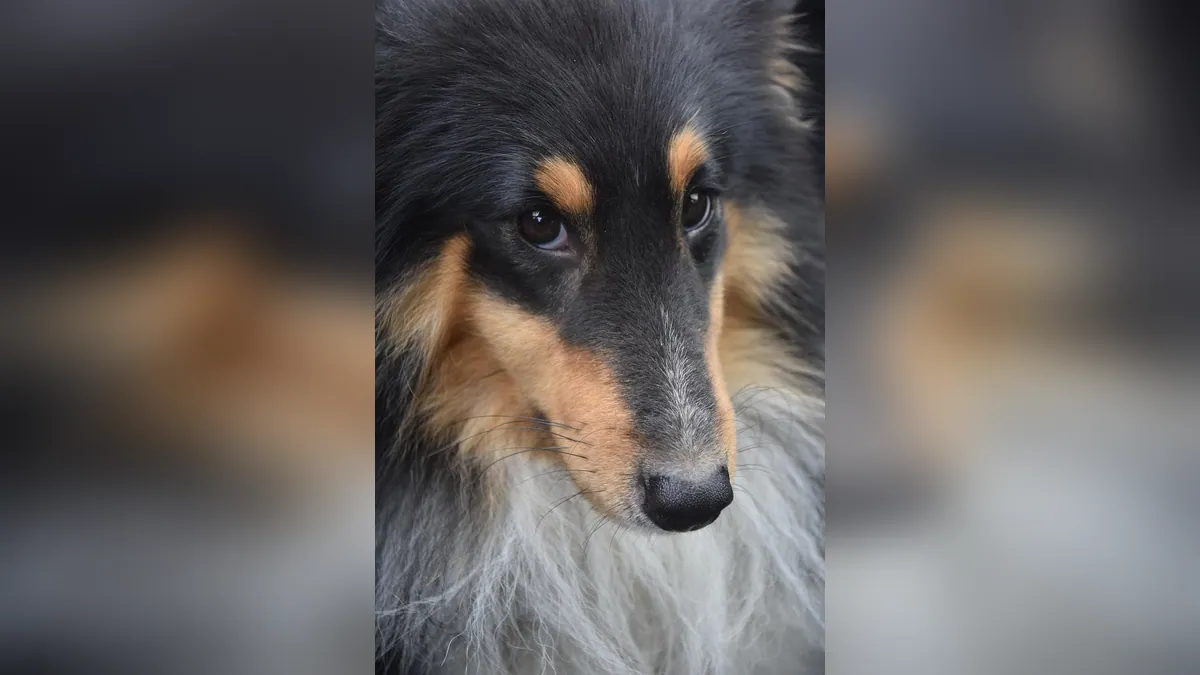
Yes, dogs have whiskers. These stiff, long hairs on the muzzle, above the eyes, and under the chin are working sensory organs, not decoration. They help your dog feel the world up close, and they are wired into the nervous system in a way ordinary coat hair is not.
This article is educational and is not a substitute for veterinary diagnosis or treatment.
Quick Answer
- Whiskers are specialized tactile hairs, and each one grows from its own sensitive follicle packed with nerve endings [1][2].
- Dogs use their whiskers to detect nearby objects, and they move them forward to explore things [2].
- Trimming whiskers removes sensory input and is considered a form of temporary harm, not a grooming step [1].
- Whiskers do fall out and regrow on their own, similar to normal coat shedding.
- Sudden, patchy, or irritated whisker loss with red or crusty skin points to a skin problem that needs a veterinary exam.
What Are Dog Whiskers and What Do They Do?
Whiskers are also called vibrissae. They are stiffer and longer than body fur, and they sit in specialized hair follicles called follicle-sinus complexes [1][3]. These follicles are densely supplied with nerves and specific mechanoreceptor structures, which means they can detect very slight movement and touch [2].
A study of facial skin from 44 dogs of different ages, breeds, and sexes found an average of about 60 follicle-sinus complexes per dog, and the count and size did not depend on breed [3]. That matters because some people claim certain breeds, especially poodles, have fewer or less useful whiskers. The evidence does not support that claim [3].
What do dogs use their whiskers for?
Dogs respond to mechanical stimulation of their whiskers. In recorded observations, touching the whiskers above the eyes or on the muzzle triggered a reflex blink of the eyelids [2]. Dogs also push their muzzle whiskers forward when they explore an object [2].
That blink reflex is protective. It helps shield the eyes when something brushes the face [1][2]. Owners often notice their dog reacts sharply when the whiskers are touched, and that reaction is normal for a working sensory organ [1].
Are dogs' whiskers sensitive?
Yes. The follicle of each whisker is sensitively innervated, and the structure closely resembles a cat's whiskers [1]. The follicles of the small hairs on the upper lip also share the typical canine follicle-sinus structure, so the sensory system covers more of the muzzle than just the longest hairs [2].
Because the whiskers are part of a sensory organ, removing them is not a cosmetic trim. Without them, the organ cannot function, and trimming amounts to a temporary amputation that causes temporary physical harm [1].
Do Dogs Need Their Whiskers? A Practical Guide for Owners
Yes, dogs need their whiskers for normal sensory function. There is no scientific evidence that this organ is underdeveloped or has regressed in domestic dogs [1]. The whiskers are a real part of how your dog gathers information about close objects, and they serve protective functions around the eyes [1].
Step-by-step: what to do about your dog's whiskers
- Leave the whiskers alone during grooming. Do not trim them for a haircut, a bath, or a show [1].
- Tell your groomer in writing that whiskers must not be clipped. This is the single most useful step you can take.
- Check the whiskers during your normal at-home once-over. Look at the muzzle, above the eyes, and under the chin.
- Note any change in the pattern. A few loose whiskers are normal. Bald patches, broken stubble, or red skin are not.
- Photograph the area with your phone and date the photo. This gives your veterinarian a clear timeline.
- If the skin looks inflamed, crusty, or your dog is rubbing the face, book a veterinary visit.
Do whiskers grow back after trimming?
They do grow back, but the sensory organ is offline until they do. Trimming disables a sensory organ and causes temporary physical damage, which the authors describe as considerable harm [1]. That is why the welfare concern is about the period of loss, not just the appearance.
Do dogs' whiskers fall out?
Yes, whiskers shed and regrow as part of the hair cycle, just like coat hair. A stray whisker on the floor or in the brush is not alarming on its own. The pattern matters more than the single hair. If whiskers are disappearing in a patch, breaking off at the skin, or leaving bare, irritated skin behind, that is a different situation from normal shedding.
If you are seeing broader coat changes at the same time, it helps to compare notes with these guides on why is my dog losing hair and dog hair loss with scabs.
Whisker Loss: Normal Shedding vs. a Skin Problem
| What you see | Likely meaning | What to do |
|---|---|---|
| One or two loose whiskers, smooth skin | Normal hair cycle | Nothing, keep watching |
| Whiskers thinner on both sides, no redness | Normal shedding or age-related change | Monitor monthly |
| Bald patch on one side of the muzzle | Skin disease, trauma, or rubbing | Veterinary visit |
| Broken stubble with crusts | Infection, mites, or allergy | Veterinary visit soon |
| Red, swollen, or oozing skin | Active inflammation or infection | Same-day call |
| Whisker loss plus body hair loss | Systemic or widespread skin issue | Veterinary visit |
A few points about the table. Symmetry matters. Skin disease often starts in one spot and spreads, while normal shedding tends to be even. Crusting and redness point toward inflammation or infection. And if the loss is happening alongside body coat changes, the muzzle may just be one part of a larger problem.
For a wider view of shedding patterns, see dog shedding out of control and do dogs control their shedding.
Signs That Something Is Wrong
Call your veterinarian if you notice any of these:
- A bald patch where whiskers used to be, especially on one side only.
- Crusts, scales, or greasy debris around the whisker follicles.
- Redness, swelling, or warmth on the muzzle.
- Your dog rubbing the face on furniture, the floor, or its paws.
- Whiskers breaking off short instead of shedding whole.
- Discharge, bleeding, or a bad smell from the muzzle area.
- Your dog flinching when the face is touched.
- Loss that keeps spreading over days to weeks.
Some of these signs overlap with common skin conditions in dogs, including allergies, mites, and bacterial or yeast infections. Your veterinarian can tell them apart with an exam and simple skin tests. Patchy loss in particular deserves a look, and this guide on why is my dog losing hair in patches explains the common causes and next steps.
Common Mistakes Owners Make
Trimming whiskers for a cleaner look
This is the most common mistake, and it is still done for cosmetic reasons, especially in poodle breeds and show dogs [3]. The claim that some breeds do not need their whiskers is a popular assumption, not something supported by peer-reviewed evidence [3]. Trimming removes a functioning sensory organ [1].
Assuming whisker loss is always normal shedding
Some loss is normal. Patchy loss with skin changes is not. If the skin under the missing whiskers looks different from the skin on the rest of the muzzle, get it checked.
Using human shampoo or harsh products on the face
The muzzle skin around the whisker follicles is sensitive. Strong shampoos, fragrances, and scrubbing can irritate it. Ask your veterinarian which cleanser is safe for the face.
Ignoring a groomer's clipper work
Many owners do not realize the whiskers were trimmed until days later. A written note before each appointment prevents it.
Waiting to see if it resolves
Mild shedding often does resolve. Spreading loss, crusts, and itching usually do not resolve without treatment. Two weeks of watching is reasonable for mild, non-irritated thinning. Anything red, crusty, or spreading needs a call sooner.
Supplies and Setup That Actually Matter
You do not need special equipment to protect your dog's whiskers. You need a few simple habits.
- A written grooming note. State clearly that whiskers are not to be trimmed. Keep a copy on your phone.
- A soft washcloth. Use it with lukewarm water for gentle face wiping.
- A veterinarian-approved facial cleanser. Ask before using anything medicated near the eyes.
- A phone camera. Photograph the muzzle monthly if you are tracking a change.
- A calendar note. Mark when you first noticed loss so you can report the timeline.
- A food and water bowl check. Very deep or narrow bowls can rub the muzzle. Wide, shallow bowls are gentler for most dogs.
One more setup point. If your dog wears a head halter, check the fit. A halter that rides up onto the muzzle can rub the whisker area and cause irritation over time. A properly fitted harness avoids that pressure.
Limitations and When to Contact a Veterinarian
Whisker loss has many possible causes, and no article can tell you which one is affecting your dog. Individual cases need a veterinarian who can examine the skin, check for parasites and infection, and review your dog's history.
Contact your veterinarian the same day if you see:
- Rapidly spreading hair loss on the face or body.
- Open sores, bleeding, or pus around the muzzle.
- Severe swelling of the muzzle or eyelids.
- Your dog pawing at the face or crying when touched.
Seek emergency care now if:
- The face or muzzle is swelling quickly, which can affect breathing.
- There is a deep cut or puncture near the eye or nose.
- Your dog cannot eat or drink because of facial pain.
- You suspect a snake bite, insect sting, or chemical burn on the muzzle.
Schedule a routine visit within a week or two if:
- Whisker thinning is mild but not improving.
- You see dandruff, greasy skin, or a dull coat along with the loss.
- Your dog is itchy but otherwise well.
- You want the whiskers evaluated before a show or a grooming appointment.
Your veterinarian will calculate any medication dose from your dog's weight and health status. Do not use leftover or human products on the face without veterinary guidance.
Frequently Asked Questions
Do all dogs have whiskers?
Yes, all dogs have whiskers as part of normal anatomy. The count varies between individual dogs, and the average is around 60 follicle-sinus complexes on the face [3]. Breed does not change whether the organ exists [3].
Is it cruel to cut a dog's whiskers?
Trimming whiskers disables a sensory organ and causes temporary physical harm, so it is a welfare concern instead of a simple grooming choice [1]. The hairs regrow, but the dog loses sensory input until they do [1].
Can whiskers tell you anything about your dog's health?
Whisker condition can reflect skin health on the muzzle. Crusting, redness, or patchy loss around the follicles suggests inflammation or infection. A healthy whisker coat looks even, with smooth skin underneath.
Do whiskers help dogs see in the dark?
Whiskers do not create vision, but they do help dogs sense nearby objects and trigger protective blinking when something touches the face [2]. That reflex helps protect the eyes in low light and in tight spaces [1][2].
Should I pull out a loose whisker?
No. Let a loose whisker fall out on its own. Pulling can injure the sensitive follicle and irritate the skin. If a whisker seems stuck or the area looks sore, have your veterinarian look at it.
Related Articles
- Why Is My Dog Losing Hair?
- Dog Hair Loss with Scabs: What Does It Mean?
- Dog Shedding Out Of Control
- Do Dogs Control Their Shedding
- Why Is My Dog Losing Hair in Patches? Common Causes and Next Steps
- Why Is My Dog Drooling?
- Dog Losing Whiskers: Normal or a Warning Sign?
- Why Do Dog Nails Split or Fall Off? Causes Explained
- What Causes Dog Dander? Why Some Dogs Shed More Allergens
References
- The importance of the tactile hairs in domestic dogs and the problem of trimming these from an animal welfare perspective. Tierarztliche Praxis. Ausgabe K, Kleintiere/Heimtiere, 2020.
- The canine vibrissal system as a highly innervated and functional sensory organ. Scientific reports, 2025.
- Histomorphological and ultrastructural analysis of vibrissal follicle-sinus complexes in the dog (Canis lupus familiaris). PloS one, 2026.