Do Cat Whiskers Grow Back? Regrowth and When to Worry
By Dr. Zubair Khalid, DVM, MS, PhD ·
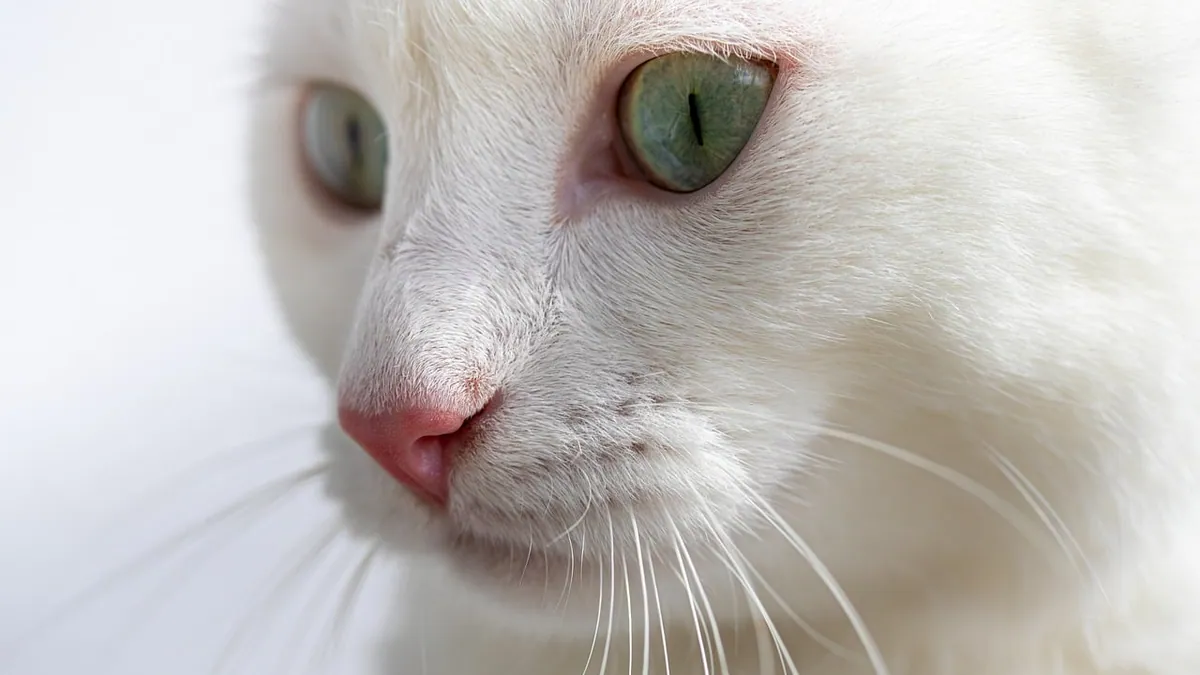
Yes, cat whiskers grow back in most cases. Whiskers are specialized hairs with deep follicles, and a shed or trimmed whisker is usually replaced within a few weeks to a few months. The bigger question is why the whisker came out, because sudden or patchy whisker loss can point to skin, nutritional, or endocrine disease.
This article is educational and is not a substitute for veterinary diagnosis or treatment.
Quick Answer
- Whiskers are touch organs, not decoration. Each follicle is packed with nerve endings that help your cat judge distance, texture, and movement in the dark.
- A single shed or trimmed whisker almost always regrows. Full regrowth often takes several weeks to a few months because whiskers grow more slowly than coat hair.
- Kittens grow whiskers early and keep replacing them through life. There is no age when whiskers permanently stop growing.
- Losing many whiskers at once, broken or crusted whiskers, or whiskers that look wavy and bent deserve a veterinary exam.
- Never trim or pluck whiskers on purpose. There is no medical reason to do it at home.
What Whisker Loss Looks Like and What Is Normal
Whiskers (also called vibrissae) are thick, tapered hairs rooted in follicles on the muzzle, above the eyes, on the chin, and on the backs of the front legs. The follicles sit deeper than coat hair follicles and connect to a rich blood and nerve supply. That design is why whiskers work as precision sensors.
Normal whisker shedding happens the same way coat shedding does. A whisker reaches the end of its growth cycle, loosens, and falls out. You may find one on the floor, in bedding, or in a brush. A new whisker starts growing from the same follicle soon after.
Normal findings include:
- One or two missing whiskers with smooth, clean skin at the site
- A short new whisker growing in next to longer ones
- Symmetrical whiskers on both sides of the muzzle
- Whiskers that feel stiff and spring back when lightly touched
Whisker trimming is different from shedding. If you or a groomer cut whiskers, they will regrow from the follicle, but your cat loses sensory input until they do. Cats use whiskers to gauge gaps, judge prey, and move around at night. Some cats seem mildly unsettled after a trim, though most adapt.
One common owner worry involves food and water bowls. A 2021 study in the Journal of Feline Medicine and Surgery tested whether cats preferred a "whisker-friendly" dish over their normal bowl. The researchers found no evidence that the special dish changed how long cats ate, how much they ate, or how much food they dropped [1]. If your cat eats well from a regular bowl, whisker contact with the bowl edge is not automatically a problem.
Do Cats Regrow Whiskers? The Regrowth Timeline
Yes, cats regrow whiskers as long as the follicle is healthy. The follicle is the living structure under the skin. The visible whisker is dead keratin, like the hair on your own head.
Regrowth speed varies by cat, age, nutrition, and overall health. Whiskers grow more slowly than most coat hair, so a fully replaced whisker can take several weeks to a few months. A trimmed whisker usually returns faster than one lost to skin disease, because the follicle was never damaged.
Signs that regrowth is on track:
- A short, fine whisker tip appears in the empty spot
- The new whisker thickens and darkens over time
- The surrounding skin stays flat, smooth, and free of crusts
Signs that regrowth is not on track:
- The spot stays bald for months
- Multiple follicles on the muzzle are empty
- The skin is red, scaly, swollen, or oozing
- New whiskers come in bent, wavy, or brittle
Do Kittens' Whiskers Grow Back?
Yes. Kittens are born with whiskers or develop them within the first weeks of life, and those whiskers shed and regrow like adult whiskers. A kitten who loses a whisker during play or grooming will usually grow a replacement.
Kittens have proportionally shorter whiskers than adults because their bodies are smaller. As the kitten grows, the whiskers grow longer to match the wider head and body. If a kitten loses several whiskers along with coat hair, or has crusty skin around the muzzle, see a veterinarian. Skin infections and parasites can affect kittens quickly because their immune systems are still developing.
When Do Cats' Whiskers Stop Growing?
Whiskers do not stop growing at a set age. Each follicle cycles through growth, rest, and shedding phases throughout the cat's life, so whiskers are continuously replaced. What changes with age is speed. Older cats may regrow whiskers more slowly, and chronic illness or poor nutrition can slow it further.
If you are tracking a missing whisker, take a photo every two weeks. That gives your veterinarian an objective record if regrowth stalls.
Main Causes of Whisker Loss
Most whisker loss is harmless shedding. The list below covers the causes worth knowing, from routine to serious.
| Cause | Typical clues | How urgent |
|---|---|---|
| Normal shedding or trimming | One or two clean missing whiskers, smooth skin, new growth visible | Routine, monitor at home |
| Trauma or friction | Broken whiskers, rough play, tight carrier or collar rubbing, chewed by another pet | Routine unless skin is cut or infected |
| Ringworm (dermatophyte infection) | Circular bald patches, scaly or crusty skin, broken hairs on the face and paws, may spread to people | See a veterinarian soon, contagious |
| Nutritional deficiency | Poor coat, dull fur, weight loss, eating a poor-quality or unbalanced diet | See a veterinarian soon |
| Parasites (mites, fleas) | Itching, scabs, hair loss around the face, neck, and ears | See a veterinarian soon |
| Allergies and overgrooming | Symmetrical hair loss, excessive grooming, red or irritated skin | See a veterinarian soon |
| Endocrine disease (thyroid, adrenal, diabetes) | Weight change, appetite change, thinning coat, drinking and urinating more | See a veterinarian promptly |
| Feline leukemia virus (FeLV) | Wavy, bent whiskers, plus weight loss, poor coat, recurrent illness | See a veterinarian promptly |
Some of these causes overlap. A cat with allergies may overgroom and pull out whiskers. A cat with a poor diet may have a dull coat and slow whisker regrowth. If you notice whisker loss with any skin change, the pattern matters more than the number of whiskers lost.
For a closer look at two common causes, see Why Is My Cat losing whiskers? Ringworm and Nutritional Deficiency.
Wavy Whiskers and FeLV
Wavy or bent whiskers are not just a cosmetic quirk. A 2023 study in BMC Veterinary Research examined 358 cats, including 56 with wavy whiskers. Of the 56 cats with wavy whiskers, 50 (89.3%) tested positive for FeLV antigen in the blood, and the link held up in multivariate analysis [2]. That does not mean every wavy whisker means FeLV. It does mean wavy whiskers are a reason to ask your veterinarian about FeLV testing, especially if your cat has never been tested or has other symptoms.
Overgrooming and Stress
Cats under stress sometimes groom the face and muzzle intensely. That can break or pull whiskers and thin the coat. Read more in Psychogenic Overgrooming in Cats: Stress-Induced Alopecia vs Flea Allergies and Cat Overgrooming: Why It Happens and What to Do.
Red Flags That Make It an Emergency
Whisker loss alone is rarely an emergency. The emergency is the condition behind it. Call an emergency clinic now if your cat has:
- Trouble breathing, open-mouth breathing, or blue gums
- Collapse, weakness, or inability to stand
- A swollen, hot, painful muzzle with pus or a foul odor
- Sudden swelling around the face or eyes that is getting worse
- Bleeding from the muzzle that will not stop
- Seizures or sudden disorientation
Call your veterinarian the same day if you see:
- Rapid loss of many whiskers over days
- Crusty, oozing, or bleeding skin where whiskers should be
- Wavy whiskers plus weight loss, poor appetite, or repeated infections
- Hair loss spreading to the body, or bald patches with a ring shape
- Itching so intense that your cat cannot settle
- Any skin lesion that could be ringworm and there are young children, elderly adults, or immunocompromised people in the home
Safe Things You Can Do at Home While Waiting
You cannot speed up whisker regrowth with a product, but you can protect the follicles and gather useful information.
- Stop all trimming. Do not cut, pluck, or shave whiskers.
- Photograph the muzzle every one to two weeks in the same lighting. Note the date and which whiskers are missing.
- Check the skin. Look for redness, scales, crusts, bumps, or broken hairs. Use a flashlight and a cotton swab to part the fur gently.
- Switch to a wide, shallow bowl if your cat seems bothered by the bowl edge. The evidence for whisker-friendly dishes is weak, but a shallow dish is harmless and easy to try [1].
- Keep the face clean and dry. Wipe food or drool from the muzzle with a damp cloth, then pat dry.
- Do not apply human creams, oils, or medicated shampoos to the muzzle unless your veterinarian prescribes them. Cats lick their faces, and some products are toxic when swallowed.
- Review the diet. Feed a complete and balanced cat food appropriate for your cat's life stage. If you feed a homemade diet, ask your veterinarian for a recipe formulated by a veterinary nutritionist.
- Reduce stress. Keep litter boxes clean, provide hiding spots, and keep routines steady. Stress-related grooming often improves when the home feels predictable.
- Separate a cat with suspected ringworm from other pets and wash your hands after contact.
If your cat is sneezing or has nasal discharge along with muzzle changes, see Cat Sneezing: When to Worry and How to Help.
What Your Veterinarian Will Check and Test
Your veterinarian will start with a full physical exam, including the muzzle, eyelids, chin, and front legs. They will look at the pattern of loss, the condition of the skin, and whether other areas of the coat are thin.
Expect questions about diet, recent grooming, new pets, itching, appetite, weight, water intake, and urination. Bring your photos and a list of dates.
Common tests include:
- Skin scraping or hair pluck to look for mites and fungal elements
- Fungal culture or a Wood's lamp exam for ringworm
- Blood work, including a complete blood count and chemistry panel
- FeLV and feline immunodeficiency virus testing, especially with wavy whiskers [2]
- Thyroid testing if your cat is middle-aged or older with weight or coat changes
- Food trial or diet review if a nutritional cause is suspected
- Skin biopsy in unusual or non-healing cases
Treatment depends on the cause. Ringworm needs antifungal medication, and some cases need environmental cleaning. Mites need specific antiparasitic treatment. Endocrine disease needs long-term management. Your veterinarian will calculate any medication dose from your cat's weight and health status.
Prevention and Monitoring
You cannot prevent normal whisker shedding, and you should not try. What you can do is keep the follicles healthy and catch problems early.
- Feed a complete and balanced diet for your cat's life stage.
- Keep up with flea, tick, and parasite prevention as your veterinarian recommends.
- Schedule routine wellness exams, including dental checks and blood work for older cats.
- Test new cats for FeLV and feline immunodeficiency virus before introducing them to resident cats.
- Groom gently. Avoid pulling tangles near the face, and never cut whiskers.
- Watch for changes in coat quality, weight, appetite, and thirst. These often appear before whisker loss becomes obvious.
- If you bring home a new kitten and your resident cat is stressed, behavior changes can affect grooming. See Cat Hissing at New Kitten: How Long Will It Last?.
Limitations and When to Contact a Veterinarian
This article cannot tell you why your individual cat lost a whisker. Whisker loss has many causes, and the same outward sign can mean simple shedding in one cat and FeLV or ringworm in another. Your veterinarian needs to examine your cat and may need testing to sort it out.
Contact your veterinarian the same day for rapid or patchy whisker loss, crusty or oozing skin, intense itching, or wavy whiskers with other symptoms. Go to an emergency clinic now for breathing trouble, collapse, severe facial swelling, uncontrolled bleeding, or seizures. Schedule a routine visit for a single missing whisker with normal skin, or for a slow regrowth question. If you are unsure which category fits, call your veterinarian's office and describe what you see.
Frequently Asked Questions
How long does it take for a cat's whisker to grow back?
Most whiskers regrow within several weeks to a few months. Whiskers grow more slowly than coat hair, so a trimmed whisker may return faster than one lost to skin disease. If the follicle is damaged, regrowth may not happen at all.
Can I trim my cat's whiskers for safety or cleanliness?
No. There is no medical reason to trim whiskers. They are sensory organs that help your cat judge space and detect objects, and cutting them removes that input until they regrow. If food or drool builds up on the muzzle, wipe it gently with a damp cloth.
Do wavy whiskers always mean my cat has a serious disease?
No, but they are a meaningful clue. In one study, most cats with wavy whiskers tested positive for FeLV, so wavy whiskers should prompt a conversation about testing. Your veterinarian will interpret the finding alongside your cat's history, exam, and blood work.
Is whisker loss a sign of aging in cats?
Not by itself. Whiskers cycle and regrow throughout life, so age alone does not cause permanent whisker loss. Older cats may regrow whiskers more slowly, and age-related diseases such as thyroid problems can affect coat and hair quality.
Should I change my cat's food or water bowl if whiskers are missing?
You can try a wide, shallow bowl, but do not expect it to fix the problem. A study of whisker-friendly dishes found no difference in eating time, food eaten, or food dropped compared with regular dishes. If whisker loss continues, focus on a veterinary exam instead of bowl changes.
Related Articles
- Why Is My Cat losing whiskers? Ringworm and Nutritional Deficiency
- Psychogenic Overgrooming in Cats: Stress-Induced Alopecia vs Flea Allergies
- Cat Overgrooming: Why It Happens and What to Do
- Cat Hissing at New Kitten: How Long Will It Last?
- Cat Sneezing: When to Worry and How to Help
- How Often Do Cats Shed Whiskers?
- Why Is My Cat Losing Whiskers? Causes and What to Do
- How Do Cats Use Their Whiskers? Function and Care
References
- Evaluation of whisker stress in cats. Journal of feline medicine and surgery, 2021.
- Wavy changes in the whiskers of domestic cats are correlated with feline leukemia virus infection. BMC veterinary research, 2023.