Dog Losing Whiskers: Normal or a Warning Sign?
By Dr. Zubair Khalid, DVM, MS, PhD ·
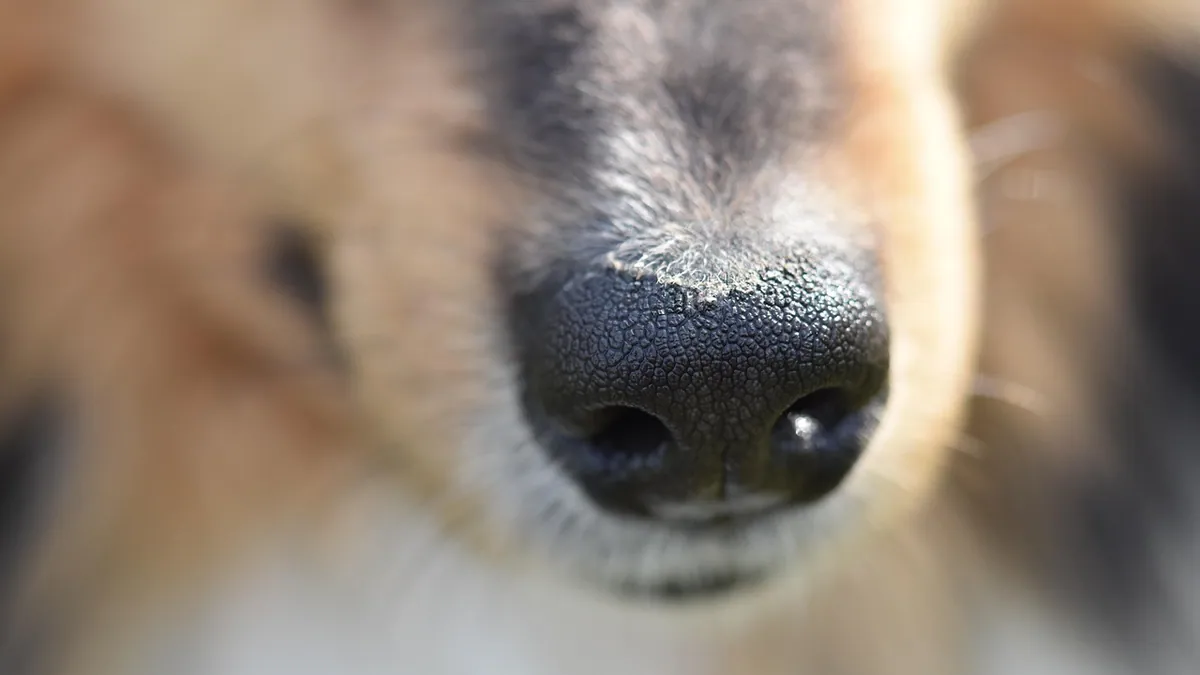
Dog losing whiskers is usually not normal shedding in the way body hair sheds. Whiskers are specialized touch organs, and true whisker loss in dogs often points to a skin, immune, or nutritional problem that deserves a veterinary look. A few broken or trimmed whiskers are a different story, but a dog that keeps losing whiskers should be checked.
This article is educational and is not a substitute for veterinary diagnosis or treatment.
Quick Answer
- Whiskers are not ordinary hair. They sit in deep follicle-sinus complexes packed with nerve endings, and dogs have roughly 60 of these structures on the face regardless of breed [1].
- Whiskers normally shed and regrow one at a time, much like body hair. Losing many at once, or losing them repeatedly, is not typical.
- Common causes of facial hair loss in dogs include skin infections, mites, allergies, immune-mediated follicular disease, hormonal conditions, and poor nutrition.
- Puppies can lose whiskers during coat changes, but patchy or irritated facial bald spots in a puppy still need a vet visit.
- Never trim or pluck your dog's whiskers for looks. They are working sensory organs, not decoration [1].
What Whisker Loss Looks Like and What Is Normal
Whiskers (also called vibrissae) are thick, stiff hairs that grow from the muzzle, above the eyes, and along the jaw. Under the skin, each one sits in a follicle-sinus complex, a specialized structure with a rich blood supply and dense nerve endings that help your dog sense nearby objects, air movement, and space [1].
A study of facial skin from 44 dogs of different ages, breeds, and sexes found an average of about 60 follicle-sinus complexes per dog, and poodles were not an exception [1]. That matters because some owners assume certain breeds have fewer or less useful whiskers. The evidence does not support that idea [1].
Normal whisker shedding happens slowly. You might find an occasional whisker on the floor or in bedding. One whisker falls, a new one grows in its place. The skin underneath stays smooth and covered by short coat hair.
What is not normal:
- Several whiskers gone at once
- Bare patches on the muzzle, chin, or around the eyes
- Redness, crusting, scaling, or darkening of the skin where whiskers were
- Itching, rubbing, or head shaking along with the hair loss
- Whiskers that break off close to the skin again and again
If the skin looks calm and only a single whisker is missing, watchful waiting is reasonable. If the pattern repeats or spreads, that is your cue to book an exam.
Main Causes of Whisker Loss in Dogs
Facial hair loss in dogs has many possible drivers. Some are mild and easy to treat. Others reflect a body-wide problem. The table below gives a starting point, not a diagnosis.
| Cause | Typical clues | How urgent |
|---|---|---|
| Bacterial or yeast skin infection | Redness, greasy or crusty skin, odor, itching, spreading bald spots | Soon, within days |
| Mites (demodex, sarcoptes) | Patchy thinning, scaly skin, intense itching with sarcoptes, often starts on the face | Soon, within days |
| Allergies (environmental or food) | Itching, licking, paw chewing, ear infections, seasonal flare-ups | Soon, within days |
| Follicular mucinosis | Rare alopecia with mucin buildup in the hair follicle, favoring the face, neck, and limbs [2] | Routine to soon, needs biopsy |
| Alopecia X | Non-inflammatory hair loss in double-coated breeds, no itching or redness [3][4] | Routine |
| Nutritional deficiency | Dull coat, thin hair overall, poor skin condition, sometimes GI signs | Soon |
| Radiation therapy side effect | Hair loss in the treated field, more common and earlier in curly or wire-haired dogs [5] | Expected, managed by the oncology team |
| Trauma or self-trauma | Broken whiskers, abrasions, rubbing against crates or fences | Soon if skin is broken |
Skin Infections and Parasites
Bacterial pyoderma and yeast overgrowth often start where the coat is thin, including the muzzle. You may see redness, bumps, or a musty smell. Mites such as demodex can cause patchy facial thinning, especially in young dogs or dogs with weakened immune systems. Sarcoptic mange causes severe itching and is contagious to other pets and to people.
Allergies
Environmental allergies and food allergies commonly cause itching around the face, ears, and paws. A dog that scratches or rubs the muzzle can break whiskers and pull hair out. If your dog also has itchy skin elsewhere, see Why Is My Dog Losing Hair? for a broader look at the causes.
Immune and Follicular Disorders
Some conditions target the hair follicle itself. Follicular mucinosis is a rare form of alopecia in dogs. Mucin collects in the follicle wall and leads to hair loss, most often on the face, neck, and limbs [2]. A case report in a golden retriever documented the microscopic features, dermoscopic findings, clinical course, and successful treatment of this condition [2]. Diagnosis requires a skin biopsy.
Alopecia X is another non-inflammatory hair loss disorder. It is seen most often in double-coated breeds with dense undercoats, and the exact cause is unknown [3]. A case report described an 8-year-old Chihuahua with significant hair loss who improved after 66 days of supplementation with horse placenta extract, taurine, and B vitamins, with no adverse events reported [3]. That is a single case, so it does not prove the supplement caused the improvement. A separate study of Pomeranians with alopecia X found that serum insulin-like growth factor-1 levels were not reduced compared with healthy dogs, which argues against a simple hormone deficiency as the cause [4]. The takeaway for owners is that alopecia X is real, it is not itchy or inflamed, and it is diagnosed by ruling out other conditions.
Nutrition and Coat Health
A dog needs adequate protein, fat, zinc, and B vitamins to grow strong hair. Poor-quality diets, severe intestinal disease, or parasites that steal nutrients can all show up as a dull, thinning coat. If your dog has diarrhea, weight loss, or a potbellied appearance along with hair loss, ask your vet about Signs My Dog Has Worms.
Medical Treatments
Radiation therapy for nasal tumors commonly causes hair loss in the treated area. A study of 38 dogs treated for nasal tumors found that 17 of 34 dogs developed acute radiation-induced alopecia during treatment, and every dog with a curly or wire-haired coat was affected [5]. Those dogs also lost hair earlier than straight-coated dogs [5]. If your dog is undergoing radiation near the face, whisker loss may be an expected side effect.
Trauma and Grooming
Some owners or groomers trim whiskers for a cleaner look, especially in poodles and show dogs [1]. This is a cosmetic choice, not a medical need, and it removes a sensory tool your dog uses every day [1]. Accidental breaks can also happen from crate rubbing, rough play, or scratching an itch.
Red Flags That Need Prompt Attention
Most whisker loss is not an emergency, but some signs mean you should call your vet right away or go to an emergency clinic.
Call today or seek urgent care if you see:
- Rapidly spreading bald patches, especially with redness, pus, or open sores
- Severe itching that keeps your dog awake or causes self-injury
- Swelling of the muzzle, lips, or eyelids
- Difficulty breathing, sneezing blood, or a bloody nasal discharge
- Facial asymmetry, drooping, or trouble eating
- Hair loss plus lethargy, fever, vomiting, or weight loss
- Sudden hair loss over large areas of the body, not just the face
These signs can point to deep infection, immune disease, or something affecting the whole body. They should not wait for a routine appointment.
Safe Things You Can Do at Home While You Wait
You cannot diagnose whisker loss at home, but you can protect your dog and gather useful information for your vet.
- Do not pluck, trim, or dye the whiskers. Leave them alone [1].
- Take clear photos of the affected area every few days. Note the date and whether it is spreading.
- Write down when you first noticed the loss and whether it was gradual or sudden.
- Note any itching, scratching, head rubbing, or changes in appetite and energy.
- Check the rest of the body for thinning hair, scabs, or redness. See Dog Hair Loss with Scabs: What Does It Mean? if you find crusty spots.
- Use only pet-safe shampoos or wipes. Human products can dry or irritate dog skin.
- Keep up flea, tick, and heartworm prevention as your vet recommends.
- Do not start supplements or change diets without asking your vet first. Some supplements interact with medications or are not appropriate for your dog's condition.
If your dog is scratching the face raw, a cone (Elizabethan collar) can prevent further injury until you get to the clinic.
What Your Veterinarian Will Check and Test
Your vet will start with a full history and physical exam. Expect questions about diet, parasite prevention, itching, other pets, recent grooming, and any medications or radiation therapy.
Common next steps include:
- Skin scraping to look for mites under the microscope
- Tape prep or cytology to check for bacteria and yeast
- Wood's lamp exam for certain fungal infections
- Fungal culture if ringworm is suspected
- Blood work to check organ function, hormones, and overall health
- Allergy testing or a diet trial if allergies are likely
- Skin biopsy for suspected follicular disorders such as follicular mucinosis [2]
A biopsy is the only way to confirm some conditions. For follicular mucinosis, the diagnosis rests on histopathology and dermoscopic findings [2]. For alopecia X, vets typically rule out thyroid disease, Cushing's syndrome, and other causes before settling on that diagnosis.
Treatment depends on the cause. Bacterial infections need antibiotics. Mites need specific antiparasitic drugs. Allergies need a tailored plan that may include medication, diet changes, or immunotherapy. Your vet will calculate any medication dose based on your dog's weight and health, so never use a leftover prescription from another pet.
If the hair loss is on the nose specifically, see Dog Hair Loss on Nose: Causes and When to Worry for more detail on that pattern.
Prevention and Monitoring
You cannot prevent every cause of whisker loss, but you can lower the risk and catch problems early.
- Feed a complete and balanced diet that meets your dog's life stage. Ask your vet if you are unsure about the brand or amount.
- Stay current on parasite prevention. Mites and other parasites are a common cause of facial hair loss.
- Bathe your dog with a gentle pet shampoo only as often as your vet advises. Over-bathing strips natural oils.
- Brush and inspect the face weekly. You will notice thinning or crusting sooner.
- Keep up with wellness exams. Many skin and hormonal conditions are easier to manage when caught early.
- If your dog has a chronic condition such as alopecia X, keep a simple log of hair growth and any flare-ups. Bring it to each visit.
- If your dog is receiving radiation therapy, ask the oncology team what hair loss to expect and how to care for the skin [5].
Whiskers usually grow back once the underlying problem is treated, but regrowth can take weeks to months. Some follicular conditions cause permanent damage if they go untreated for a long time, which is one more reason not to wait.
Limitations and When to Contact a Veterinarian
This article covers common patterns, not your individual dog. Whisker loss can look similar across very different diseases, and only a veterinarian who examines your dog can tell them apart. Individual cases need a veterinarian.
Contact your vet the same day if you notice:
- Several whiskers missing with red, crusty, or oozing skin
- Your dog scratching or rubbing the face constantly
- New bald patches appearing over a few days
- Bad odor or discharge from the muzzle
Go to an emergency clinic now if you see:
- Swelling around the muzzle, eyes, or throat
- Trouble breathing, noisy breathing, or blue gums
- Bleeding from the nose that will not stop
- Facial drooping, head tilt, or trouble swallowing
- Collapse, severe lethargy, or a fever with the hair loss
Schedule a routine visit within a week or two if:
- One or two whiskers are missing but the skin looks normal
- Hair loss is slowly progressing without itching or redness
- You have noticed thinning on the face for more than a month
When in doubt, call your vet's office and describe what you see. They can tell you whether to come in now or watch at home.
Frequently Asked Questions
Is it normal for puppies to lose whiskers?
Puppies go through coat changes as they grow, and a stray whisker can fall out during that time. Losing several whiskers, or losing them along with red or scaly skin, is not normal and should be checked. Puppies are also more prone to certain mites, so a vet visit is a good idea if the loss continues.
Can stress cause a dog to lose whiskers?
Stress alone is not a well-established cause of whisker loss in dogs. Stress can lead to excessive grooming or scratching, which may damage whiskers mechanically. If you suspect stress is involved, look for other causes first with your vet.
Will my dog's whiskers grow back?
Whiskers usually grow back if the follicle is not permanently damaged. Regrowth can take several weeks to a few months depending on the cause and how long the problem lasted. Conditions that scar the follicle, such as severe infections or some immune diseases, may cause permanent loss.
Should I trim my dog's whiskers?
No. Trimming whiskers removes a sensory tool your dog uses to judge space and detect objects [1]. Some show groomers trim them for appearance, but there is no health benefit to the dog [1]. If a groomer asks, you can decline.
Does whisker loss mean my dog has cancer?
Cancer is an uncommon cause of isolated whisker loss. More often, the cause is infection, parasites, allergies, or a follicular disorder. That said, any persistent or spreading hair loss should be evaluated so your vet can rule out serious conditions.
Can diet fix whisker loss?
Diet can help if a nutritional deficiency is the cause, but it will not fix infections, mites, or immune disease. A balanced diet supports coat health in general. Ask your vet before adding supplements, since the right choice depends on the diagnosis.
Related Articles
- Dog Losing Lots of Hair: Is It Normal Shedding or a Problem?
- Why Is My Dog Losing Hair?
- Dog Hair Loss on Nose: Causes and When to Worry
- Signs My Dog Has Worms
- Dog Hair Loss with Scabs: What Does It Mean?
- Dog Licking Paws Until They Are Raw And Hair Loss
- Do Dogs Have Whiskers? Purpose and Why They Fall Out
- Dog Losing Nose Pigment: Causes and What to Do
- Dog Losing Undercoat in Clumps: What It Means
References
- Histomorphological and ultrastructural analysis of vibrissal follicle-sinus complexes in the dog (Canis lupus familiaris). PloS one, 2026.
- Successful Treatment of Idiopathic Follicular Mucinosis in a Golden Retriever: Clinical, Dermoscopic and Histopathological Findings. Veterinary dermatology, 2026.
- Improvement in coat condition observed in dogs with suspected alopecia X through combined supplementation with nutrients for the coat and skin: A case report. Open veterinary journal, 2025.
- Serum insulin-like growth factor-1 concentrations are not reduced in Pomeranian dogs with Alopecia X: a case-control study. BMC veterinary research, 2026.
- Radiation-Induced Alopecia in Dogs With Nasal Tumours: Coat Type Influences Development and Onset. Veterinary dermatology, 2026.