How Long Does Conjunctivitis in Dogs Last?
By Dr. Zubair Khalid, DVM, MS, PhD ·
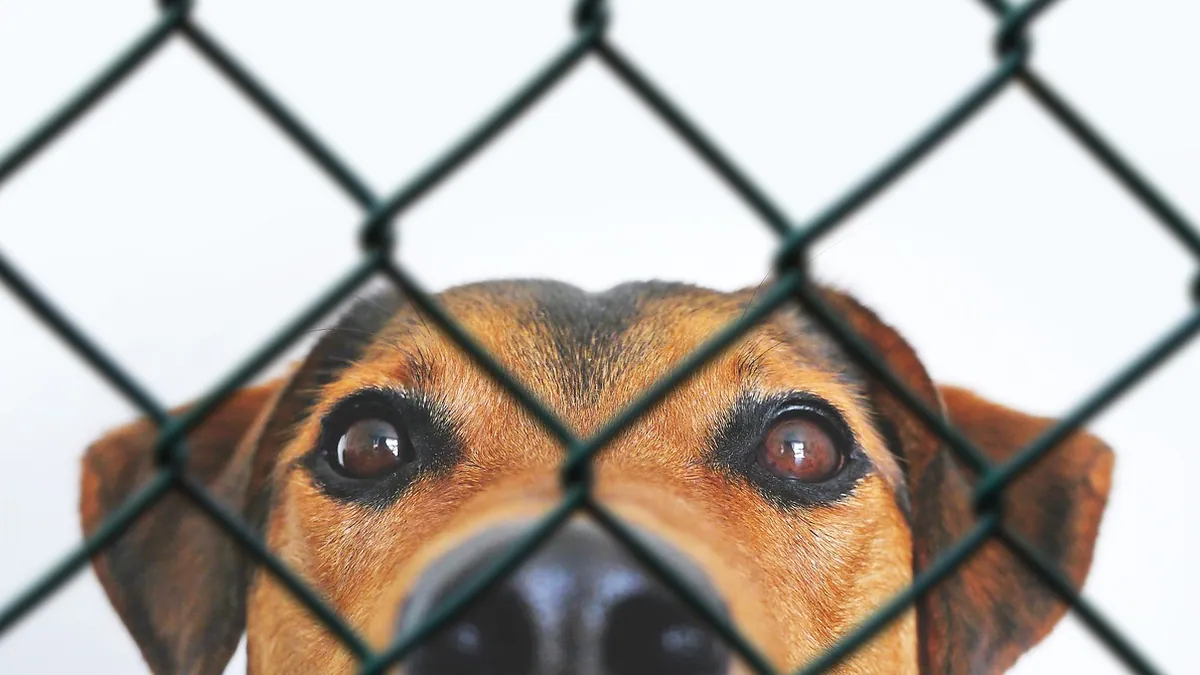
Conjunctivitis in dogs how long does it last usually comes down to one question: what caused it? Simple cases from irritants or mild infections often improve within 5 to 14 days once treatment starts. Other causes, like dry eye or allergies, can take weeks to months and may need ongoing management.
This article is educational and is not a substitute for veterinary diagnosis or treatment.
Quick Answer
- Most uncomplicated bacterial or irritant conjunctivitis in dogs improves noticeably within 3 to 7 days of starting the right treatment, with full healing in about 1 to 2 weeks.
- Allergic conjunctivitis often clears fast once the trigger is removed, and insect bites on the eye area usually heal rapidly with topical corticosteroids [1].
- Dry eye (keratoconjunctivitis sicca) is a long-term condition, not a two-week problem. It needs lifelong tear support and monitoring [2].
- If the eye is not clearly better after 3 to 5 days of treatment, or if it is worse at any point, your dog needs a recheck.
- Never use leftover eye drops from a previous pet or a human prescription without veterinary guidance, because the wrong medication can make some eye conditions worse.
What Conjunctivitis Means in Plain Words
The conjunctiva is the thin, moist tissue that lines the inside of the eyelids and covers the white part of the eye. When it becomes inflamed, the eye looks red and puffy, and it may water or produce discharge. That inflammation is conjunctivitis, often called pink eye [1].
Conjunctivitis is common in dogs, and the causes range from infections to environmental irritants [1]. The redness and swelling you see are the tissue reacting, not a diagnosis by itself. Two dogs with identical-looking eyes can have completely different problems underneath.
Signs Owners Notice
The classic signs are redness of the eye, swelling of the tissue around the cornea, discharge from the eye, and mild eye discomfort [1]. In practice, owners often describe it a little differently.
You might see your dog squinting, pawing at the face, or rubbing the eye along the carpet. The eye may look weepy or crusty, especially after sleep. Some dogs have a clear watery discharge, while others have thicker yellow or green material. The white of the eye can look pink, beefy red, or swollen enough that it bulges slightly.
Mild discomfort is typical [1]. Severe pain, a closed eye that will not open, or a cloudy cornea is a different story and points toward a deeper problem than simple conjunctivitis.
Causes and Risk Factors
Veterinarians group the causes into a few broad buckets. Knowing which bucket your dog falls into is the single biggest factor in predicting how long recovery takes.
Infectious causes
Bacterial infection is one possibility. In a study of dogs and cats with conjunctivitis, 50 percent of the dog samples (3 of 6) grew bacteria on culture, and one dog had more than one bacterial species [3]. Bacterial conjunctivitis is often caused by organisms such as Staphylococcus and Streptococcus, and how severe it becomes depends on the specific species involved [4]. These infections are contagious, which is why protecting the unaffected eye matters [4].
Allergic and irritant causes
Allergies, dust, pollen, smoke, shampoo, and other irritants can inflame the conjunctiva. Swelling around the cornea is especially dramatic with allergic reactions, trauma, low blood protein levels, and insect bites [1]. Insect bites respond to topical corticosteroids and usually heal rapidly [1]. For a deeper look at this category, see Allergic Conjunctivitis In Dogs: Comprehensive Veterinary Reference Guide.
Dry eye and other tear problems
Keratoconjunctivitis sicca, or KCS, is an immune-mediated disorder in which the eyes do not make enough tears. It causes ocular surface inflammation and carries a risk of vision loss [2]. Tear protein concentrations were significantly higher in dogs with KCS (30.7 ± 13.5 mg/mL) than in healthy dogs (11.5 ± 1.8 mg/mL) [2]. This is a chronic disease, not a short-term infection.
Anatomy and breed
Brachycephalic breeds (flat-faced dogs like Pugs, French Bulldogs, and Shih Tzus) have eyes that sit more exposed, and their tear film lipid layer appears to be negatively affected by age [5]. Breed surveys of veterinary ophthalmologists list Toy Poodles, Shiba Inus, Shih Tzus, Chihuahuas, Miniature Dachshunds, and French Bulldogs among the most frequently presented breeds for eye complaints [6]. Anatomy, age, and breed all shape risk.
How Veterinarians Diagnose It
The appearance of the conjunctiva alone usually is not enough for your veterinarian to identify the cause on a physical exam [1]. A specific diagnosis often requires a medical history, a physical exam, tests on conjunctival scrapings, a Schirmer tear test, and occasionally a biopsy [1].
In plain terms, expect your vet to ask when it started, whether one or both eyes are involved, and whether your dog has allergies or prior eye problems. They will likely measure tear production with a Schirmer tear test, check for corneal ulcers with a stain, and look at the eyelids and lashes. If infection is suspected, they may culture the discharge [3]. This step matters because the wrong treatment can delay healing.
Treatment Options
Treatment depends entirely on the cause, which is why the timeline varies so much.
For bacterial infection, your veterinarian will choose an antibiotic based on exam findings and, when needed, culture and susceptibility testing [3]. The dose and frequency are calculated for your individual dog based on weight and health, so follow the label exactly.
For allergic or insect-bite related swelling, topical corticosteroids are commonly used and usually work quickly [1]. These medications are not appropriate if the cornea has an ulcer, so never start them on your own.
For KCS, treatment aims to restore tear production and control surface inflammation. A sustained-release cyclosporine implant placed under the conjunctiva reduced conjunctival hyperemia significantly through 3 months and reduced ocular discharge significantly by 9 months in dogs that had not responded well to topical cyclosporine [7]. Tear production increased in 19 eyes, though the collective results were not statistically significant, and three eyes showed no improvement [7]. This tells you that dry eye management is often a long game with periodic adjustments.
Supportive care at home includes keeping the eye clean with a damp cotton ball, preventing rubbing with an Elizabethan collar if needed, and giving all medications on schedule. Do not stop treatment early just because the eye looks better.
Recovery, Outlook, and Long-Term Management
This is the part most owners care about most, so here is a practical breakdown by cause.
| Cause | Typical timeline | What to expect |
|---|---|---|
| Irritant or insect bite | Rapid, often within days | Swelling settles quickly with appropriate topical treatment [1] |
| Simple bacterial infection | Noticeable improvement in 3 to 7 days, full healing around 1 to 2 weeks | Needs the correct antibiotic and consistent dosing [3] |
| Allergic conjunctivitis | Days to a few weeks | May recur with seasonal triggers |
| Dry eye (KCS) | Weeks to months for control, then lifelong | Requires ongoing tear support and monitoring [2][7] |
| Trauma or foreign body | Depends on damage | Healing time set by the corneal injury, not the conjunctiva |
A few principles apply across the board. Improvement should be visible and steady. The discharge should thin out, the redness should fade, and your dog should seem more comfortable. If the eye looks the same after several days of correct treatment, the diagnosis may need revisiting.
Long-term management matters most for dogs with allergies or dry eye. Allergic dogs may need seasonal support, and some benefit from identifying and reducing exposure to triggers. Dogs with KCS typically need lifelong therapy, with rechecks to confirm tear production is holding steady [2][7]. For owners tracking other long-term health timelines, our guides on How Long Do Dogs Live For and How Long Does A Dogs Heat Last cover related questions.
Prevention
You cannot prevent every case, but you can lower the odds.
Keep irritants away from your dog's face. Rinse shampoo carefully during baths and avoid spraying cleaners, perfumes, or aerosols near the eyes. If your dog has known allergies, work with your veterinarian on a plan before the season starts.
For contagious bacterial conjunctivitis, hygiene matters. The condition is highly contagious, so preventive measures to reduce transmission, especially to the unaffected eye, are essential [4]. Wash your hands after touching the eye area, use separate clean cotton balls for each eye, and do not share eye medications between pets.
For breeds with exposed eyes, keep the eye surface moist and check the eyes daily [5][6]. Early treatment of a minor issue is almost always faster and cheaper than treating an advanced one.
Limitations and When to Contact a Veterinarian
This article gives general timelines, but your dog's individual case needs a veterinarian to diagnose and treat. Call your clinic for guidance, and use these red flags to decide how fast to act.
Contact a veterinarian the same day if your dog is squinting constantly, holding the eye closed, or has thick yellow or green discharge that is getting worse. These signs suggest more than simple surface inflammation.
Seek emergency care right away if the eye looks cloudy, the cornea turns blue or white, the eyeball appears to be bulging or pushed forward, or your dog is in obvious pain and will not let you near the face. A sudden swollen eye after a bite or trauma also warrants urgent care [1].
Schedule a routine recheck if the eye is not clearly improving after 3 to 5 days of treatment, if it improves and then worsens again, or if symptoms keep coming back. Recurring conjunctivitis often points to an underlying cause like allergies or dry eye that needs its own plan [2].
Frequently Asked Questions
Can conjunctivitis in dogs go away on its own?
Mild cases from a passing irritant can settle without medication, but you cannot tell by looking whether the cause is harmless or serious. Because the appearance of the conjunctiva alone usually is not enough to identify the cause, a veterinary exam is the safer path [1]. Waiting too long risks the problem spreading deeper into the eye.
Is conjunctivitis in dogs contagious to other pets?
Bacterial conjunctivitis is highly contagious, which is why preventive measures to reduce transmission to the unaffected eye and to other animals matter [4]. Keep your dog's bedding and toys separate while symptoms are active, and wash your hands after handling the eye area. Allergic conjunctivitis is not contagious.
Can I use human eye drops on my dog?
No, not without veterinary direction. Some human eye products contain ingredients or preservatives that are inappropriate for dogs, and steroid-containing drops can worsen a corneal ulcer. Your veterinarian will select a medication matched to the specific cause and calculate the dose for your dog's weight and health.
Does my dog need to wear a cone during treatment?
Often yes, especially if your dog paws at the face or rubs the eye on furniture. Rubbing can worsen inflammation, introduce new bacteria, or injure the cornea. Your veterinarian will tell you whether a cone is needed and for how long based on the severity of the case.
Will my dog's eye look normal again after treatment?
In most uncomplicated cases, yes. Redness and swelling fade as the inflammation resolves, and the eye returns to its usual appearance. Dogs with chronic conditions like dry eye may always have some baseline redness or discharge, and the goal becomes steady control instead of a perfectly clear eye [2][7].
Related Articles
- Allergic Conjunctivitis In Dogs: Comprehensive Veterinary Reference Guide
- How Long Does A Dogs Heat Last
- How Long Does A Dog Period Last
- How Long Do Dogs Live For
- How Long Do Dog Periods Last
- How Long Do Dogs Live
- Conjunctivitis in Dogs: Causes, Contagion, and Treatment
- Dog Conjunctivitis Treatment: What You Can Use at Home
- Conjunctivitis in Dogs After Grooming: Causes and Care
References
- Disorders of the Conjunctiva in Dogs - Dog Owners. Merck Veterinary Manual.
- Tear Protein Alteration in Dogs with Keratoconjunctivitis Sicca. Animals : an open access journal from MDPI, 2026.
- Microbiological investigation of conjunctivitis in cats and dogs from Kars, Türkiye (2024-2025): culture- and MALDI-TOF MS-based identification and antimicrobial susceptibility testing of bacterial isolates. BMC veterinary research, 2026.
- Tear Film Osmolarity in Horses With Bacterial Conjunctivitis. Veterinary medicine and science, 2025.
- Variations in the tear film lipid layer by age in healthy brachycephalic dogs. Research in veterinary science, 2025.
- Common Ophthalmic Conditions in Popular Dog Breeds in Japan: Insights From a Survey of 105 Veterinarians Practicing Ophthalmology. Veterinary ophthalmology, 2026.
- A Sustained-Release Thermoplastic Polyurethane/Poly L-Lactide-Co-DL-Lactide (TPU/PLDLA) Cyclosporine-A Implant for the Treatment of Canine Keratoconjunctivitis Sicca: A Retrospective Case Series. Veterinary ophthalmology, 2026.