Dog Conjunctivitis Treatment: What You Can Use at Home
By Dr. Zubair Khalid, DVM, MS, PhD ·
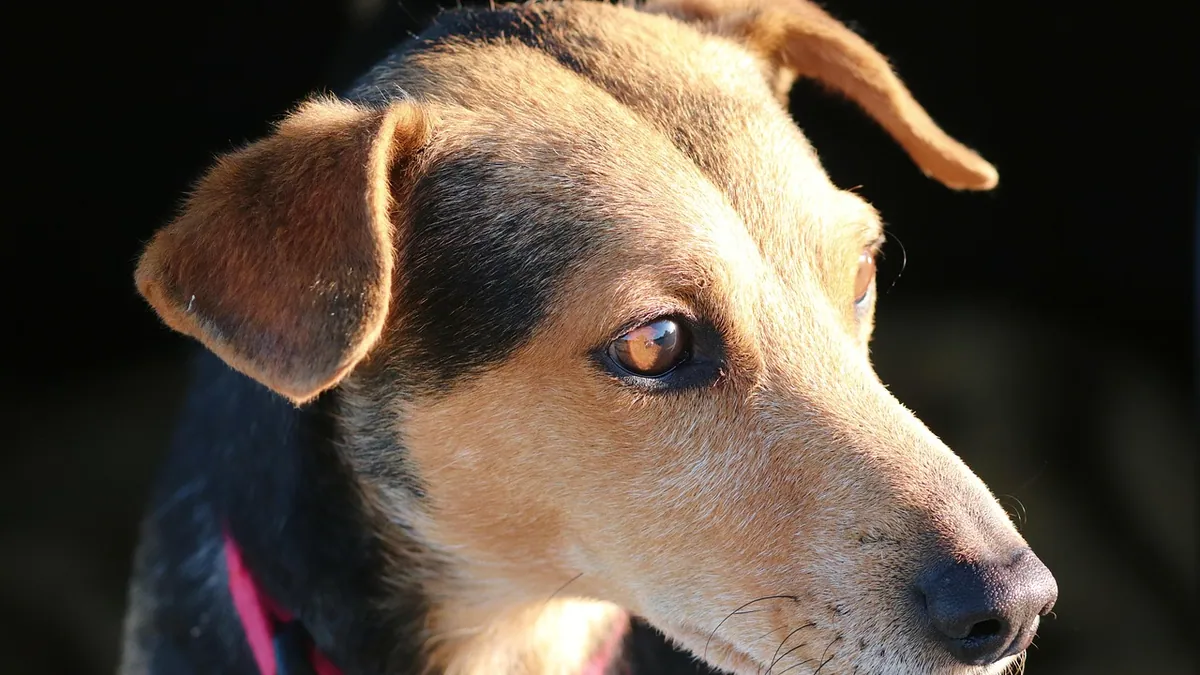
Most cases of conjunctivitis in dogs treatment over the counter products are a bad idea, and some common human eye drops can actually harm your dog's eyes. A few gentle, vet-approved options exist for mild irritation, but true infections need a diagnosis and prescription medicine. This article is educational and is not a substitute for veterinary diagnosis or treatment.
Quick Answer
- Never use Visine or other redness-reducing human eye drops on your dog. The active ingredient, tetrahydrozoline HCL, has not been well tested in animals and can cause heart and nerve effects [1].
- Plain saline eye wash or vet-labeled eye cleaning solution is the safest at-home option for flushing out dust, pollen, or discharge.
- Antibiotic eye ointments sold for people should not be used without a veterinarian's approval, because the wrong drug can worsen some eye conditions.
- Most bacterial conjunctivitis in dogs needs a prescription, and your vet decides the product and dose based on an eye exam.
- Call your vet the same day if you see yellow or green pus, squinting, pawing at the eye, or a cloudy cornea.
What Is Conjunctivitis in Dogs?
Conjunctivitis is inflammation of the conjunctiva, the thin pink tissue that lines the inside of the eyelids and covers the white part of the eye. In dogs it shows up as redness, swelling, watery or thick discharge, squinting, and frequent pawing at the face.
The cause matters more than the symptom. Conjunctivitis can come from bacteria, viruses, allergies, dry eye, foreign material like a grass awn, or a scratch on the cornea. Each cause needs a different treatment, and using the wrong product can delay healing or cause damage.
Bacterial conjunctivitis is common but not universal. In one study of dogs and cats with conjunctivitis, only about half of the dog samples grew bacteria in culture, and some animals had more than one type of bacteria present [2]. That means a red eye is not automatically a bacterial infection, and antibiotics are not always the answer.
What Veterinarians Use for Dog Conjunctivitis
Your veterinarian picks a treatment based on what they find during an eye exam. That exam usually includes a Schirmer tear test to measure tear production, a fluorescein stain to check for corneal ulcers, and sometimes a swab for culture.
For confirmed bacterial infections, vets commonly prescribe topical antibiotic drops or ointments. For deeper or systemic infections, they may choose an injectable antibiotic. One study looked at cefovecin, an injectable antibiotic, and found that it reached measurable concentrations in the tear film of dogs for up to 336 hours after a single injection [3]. That kind of long-acting option can help when giving eye drops several times a day is difficult.
Chlamydial infections, which are more common in cats but can affect dogs, are typically treated with tetracycline-class antibiotics, and systemic treatment is often preferred because the infection can involve other parts of the body [4].
If the underlying problem is dry eye (keratoconjunctivitis sicca), antibiotics alone will not fix it. Dry eye is an immune-mediated condition where tear production drops, and it needs tear-stimulating medicine such as cyclosporine. A newer option is a slow-release cyclosporine implant placed under the conjunctiva, which reduced conjunctival redness for up to three months in a small group of dogs [5]. Your vet will decide which approach fits your dog.
How Conjunctivitis Treatment Works
Antibiotic eye medicines work by killing or stopping the growth of bacteria on the eye surface. Drops and ointments deliver the drug directly to the tissue, but tears wash them away quickly, so frequency matters.
Researchers are studying ways to keep medicine on the eye longer. In one study, pre-treating the eye with a hyaluronic acid gel 30 seconds before moxifloxacin drops increased the total amount of antibiotic in the tear film by about two times compared with the drops alone [6]. This is one reason your vet may recommend a lubricating gel alongside an antibiotic.
For allergic conjunctivitis, the treatment is different. Antihistamines, allergy medication, and removing the trigger help more than antibiotics. If your dog's eyes water and itch every spring, see Dog Allergy Home Remedies for background on managing allergies at home.
For dry eye, treatment works by stimulating tear production or replacing tears. Tear protein levels are actually higher in dogs with dry eye than in healthy dogs, which shows how much inflammation is involved in that condition [7]. That inflammation is why dry eye needs consistent, long-term treatment, not a one-time drop.
Dosing Basics for Dog Eye Medicine
Your veterinarian calculates the dose and frequency from your dog's weight, the specific product, and how severe the eye problem is. Never guess a dose or copy a dose from another pet.
Eye ointments are usually applied as a thin ribbon along the inside of the lower eyelid. Eye drops go into the lower eyelid pocket while the eye is open. Wash your hands first, hold the tube or bottle without touching the tip to the eye, and let your dog blink to spread the medicine.
If you miss a dose, give it when you remember unless it is almost time for the next one. Do not double up to catch up. If you are unsure, call your vet's office and ask.
Finish the full course even if the eye looks normal after a few days. Stopping early can let the infection return, and repeated incomplete treatment can lead to resistant bacteria.
Common and Serious Side Effects
| Side effect | How common or serious | What to do |
|---|---|---|
| Brief stinging or head shaking right after a drop | Common, mild | Wait a minute and watch. Most dogs settle quickly. |
| Redness or swelling that gets worse after a dose | Uncommon, could be an allergic reaction to the product | Stop the medicine and call your vet. |
| Increased squinting or pawing | Uncommon, may mean the eye is more irritated or there is a corneal ulcer | Stop the medicine and have the eye checked the same day. |
| Dry eye (keratoconjunctivitis sicca) after certain oral antibiotics | Rare. In one large study, about 1.8% of dogs treated with trimethoprim sulfonamide later developed confirmed or possible dry eye [8] | Tell your vet if your dog's eyes look dull or dry weeks after treatment. |
| Vomiting, wobbling, or sluggish behavior after using human redness drops | Serious and can be an emergency | Call poison control or an emergency vet right away [1]. |
Who Should Not Use These Medicines
Do not use any human eye drop or ointment on your dog without asking your vet first. Visine and similar products are not approved for pets, and the ingredient tetrahydrozoline HCL can cause heart and neurological effects that are not well understood in animals [1]. These drops may briefly reduce redness by narrowing blood vessels, but the preservatives can irritate the eye further [1].
Skip antibiotic ointments left over from a previous pet or a family member. The drug may not match the current infection, and some antibiotics can be harmful if the cornea has an ulcer.
Tell your vet about every medicine your dog takes, including oral antibiotics, flea and tick products, and supplements. Oral trimethoprim sulfonamide has been linked to dry eye in dogs, so your vet may want to monitor tear production during or after that treatment [8].
If your dog has a history of dry eye, glaucoma, or a corneal ulcer, do not start any over-the-counter eye product on your own. Those conditions need specific treatment, and the wrong drop can make them worse.
Overdose and When to Call Poison Control
If your dog licks a large amount of eye ointment off its face, or if you accidentally put human redness drops in its eyes, call for help right away. Signs to watch for include vomiting, drooling, wobbling, slow heart rate, or unusual sleepiness.
Contact the ASPCA Animal Poison Control Center at (888) 426-4435 or the Pet Poison Helpline at (855) 764-7661. Both may charge a consultation fee. Have the product name, the amount used, and your dog's weight ready.
For a mild overdose of a vet-prescribed eye medicine, call your veterinarian first. They can tell you whether to rinse the eye, monitor at home, or bring your dog in.
How to Apply Eye Ointment Correctly
Gather the tube, a tissue, and a treat. Have someone help hold your dog if needed.
- Wash your hands with soap and water.
- Gently lift your dog's upper muzzle so the head tilts slightly up.
- Pull down the lower eyelid to make a small pocket.
- Squeeze a thin ribbon of ointment into the pocket. Do not touch the tube tip to the eye.
- Let go and let your dog blink to spread the medicine.
- Wipe away extra ointment with a clean tissue.
- Offer praise and a treat right away.
For drops, hold the bottle above the eye and squeeze one drop into the pocket. If your dog blinks it out, wait a minute and try again. Do not apply more than the prescribed number of drops.
If your dog fights the process, ask your vet for a demonstration. A veterinary technician can show you a two-person hold that keeps everyone safe. For general eye cleaning tips between doses, see How to Safely Clean Your Dog's Eyes at Home.
Limitations and When to Contact a Veterinarian
At-home care has real limits. You cannot see a corneal ulcer, measure tear production, or tell bacterial infection from allergy without an exam. If your dog's eye does not improve within 24 to 48 hours of gentle cleaning, or if it gets worse at any point, stop home treatment and call your vet.
Call your veterinarian the same day if you notice yellow or green discharge, a red or cloudy eye, squinting that lasts more than a few hours, pawing at the face, or swelling around the eye.
Go to an emergency clinic right away if the eye looks bulging, if the cornea turns blue or white, if your dog cannot open the eye at all, if there is bleeding, or if your dog seems to be in severe pain. These signs can point to glaucoma, a deep ulcer, or a foreign object, and delay can cost vision.
Every case is different, so your dog's eye problem needs a veterinarian's eyes and hands to diagnose and treat properly.
Frequently Asked Questions
Can I use human eye drops on my dog?
No, not without veterinary guidance. Redness-reducing drops like Visine are not approved for pets and can cause heart and nerve problems in dogs [1]. Even plain saline should be used only if your vet confirms it is appropriate.
What over-the-counter eye ointment can I buy for my dog?
Pet stores sell lubricating eye gels and saline rinses labeled for dogs, and those are the safest non-prescription choices for mild irritation. Antibiotic ointments made for people should not be used unless your vet prescribes them. If you are unsure which product to buy, call your vet's office and ask.
How do I know if my dog needs antibiotics or just eye cleaning?
You cannot tell from looking. Bacterial infections often produce thick yellow or green discharge, but allergies and dry eye can look similar. A vet exam and sometimes a swab are needed to confirm whether bacteria are involved [2].
How long does conjunctivitis take to clear up in dogs?
Mild cases often improve within a few days of starting the right treatment, but this depends on the cause. Dry eye and allergies can take weeks or need ongoing management. If there is no improvement after 48 hours of treatment, call your vet.
Is it safe to use leftover eye medicine from a previous prescription?
No. Leftover medicine may be expired, may not match the current problem, and some antibiotics can harm an eye with a corneal ulcer. Ask your vet for a fresh exam and a new prescription if treatment is needed. For more on safe home eye care, see Dog Eye Infection Home Care: What Is Safe and When to See a Vet.
Related Articles
- Dog Eye Infection Home Care: What Is Safe and When to See a Vet
- Dog Allergy Home Remedies
- What Home Remedies For Dog Allergies
- Dog Allergy Remedies Home Remedies
- How to Safely Clean Your Dog's Eyes at Home
- Dog Ear Infection Treatment From Home
- Conjunctivitis in Dogs: Causes, Contagion, and Treatment
- How Long Does Conjunctivitis in Dogs Last?
- Dog Eye Infection: Symptoms, Treatment, and When to Worry
References
- Can You Give Dogs Visine Eye Drops. Pet Poison Helpline.
- Microbiological investigation of conjunctivitis in cats and dogs from Kars, Türkiye (2024-2025): culture- and MALDI-TOF MS-based identification and antimicrobial susceptibility testing of bacterial isolates. BMC veterinary research, 2026.
- Sustained Tear Film Exposure After Parenteral Cefovecin Administration in Dogs: Pharmacokinetics and Relevance to Canine Bacterial Keratitis. Veterinary ophthalmology, 2026.
- Chlamydial Conjunctivitis in Animals - Eye Diseases and Disorders. Merck Veterinary Manual.
- A Sustained-Release Thermoplastic Polyurethane/Poly L-Lactide-Co-DL-Lactide (TPU/PLDLA) Cyclosporine-A Implant for the Treatment of Canine Keratoconjunctivitis Sicca: A Retrospective Case Series. Veterinary ophthalmology, 2026.
- Optimizing topical antibiotic delivery in dogs: Tear film pharmacokinetics of moxifloxacin following pre-treatment with hyaluronic acid. PloS one, 2026.
- Tear Protein Alteration in Dogs with Keratoconjunctivitis Sicca. Animals : an open access journal from MDPI, 2026.
- Retrospective cohort study on the development of keratoconjunctivitis sicca in dogs treated with trimethoprim sulfonamide: a VetCompass Australia study. Journal of veterinary internal medicine, 2026.