Why Is My Turtle Eating Its Own Poop?
By Dr. Zubair Khalid, DVM, MS, PhD ·
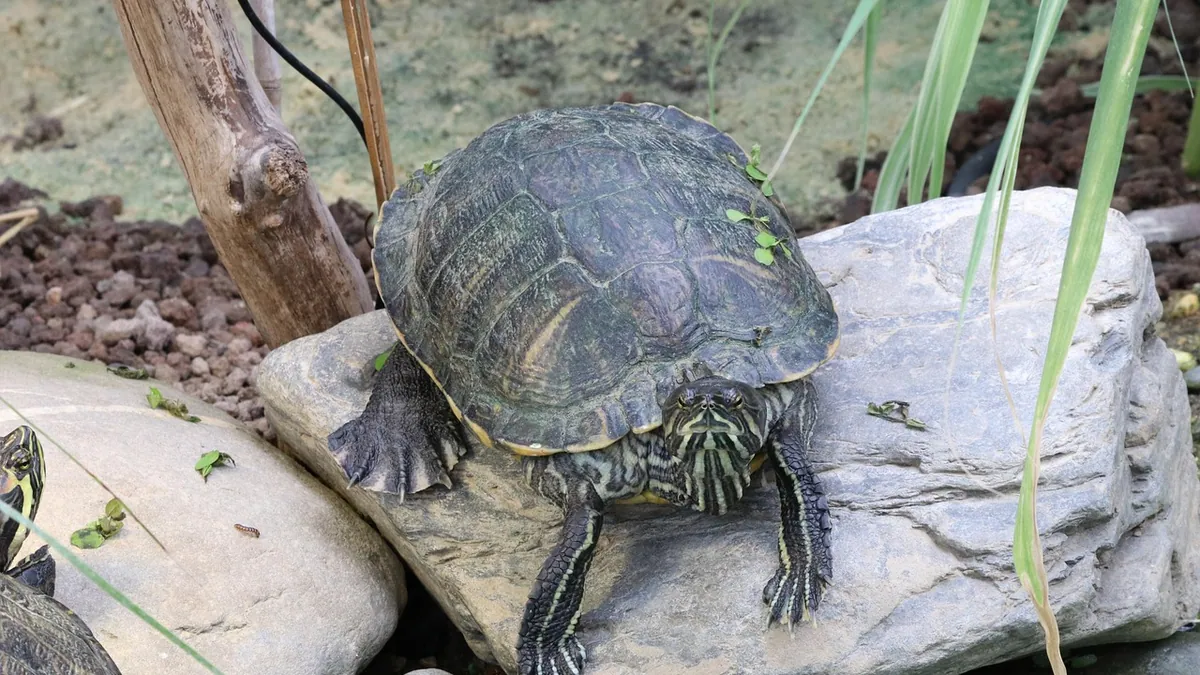
Turtles and tortoises sometimes eat their own droppings, and in most cases it is a feeding or environment problem instead of a sign of a strange new habit. If your turtle ate his poop, the first things to review are diet, enclosure setup, and stool appearance. This article is educational and is not a substitute for veterinary diagnosis or treatment.
Quick Answer
- Coprophagia (eating feces) in turtles is often linked to an incomplete or unbalanced diet, especially too little fiber or too much protein for the species.
- A dirty enclosure gives turtles easy access to stool, so poor cleaning can turn an occasional taste into a repeated behavior.
- Parasites and gut infections can cause stool changes that make a turtle want to eat it, so a fecal exam is a smart early step.
- One or two incidents in an otherwise bright, eating, basking turtle are usually not an emergency, but repeated episodes need a vet visit.
- Never give home dewormers or human medications. A veterinarian calculates any drug dose from your turtle's weight and health.
What Eating Poop Looks Like and What Counts as Normal
Coprophagia means eating feces. In turtles and tortoises, you may see the animal turn around after passing stool and swallow it, or you may notice stool disappearing from the enclosure faster than expected. Some owners only find out because they catch the turtle in the act.
Turtles are not clean eaters by nature. Many species are opportunistic feeders, and the red-eared slider is described as an opportunistic omnivore that lives in freshwater [1]. That means a slider may sample almost anything in its tank, including waste. Tortoises are primarily herbivores, and their mouth anatomy is built for a different kind of feeding than a slider's [1]. Feeding behavior also depends on the hyoid apparatus, the bony and cartilaginous structure that supports the tongue and throat, and its shape varies with habitat and diet across turtle species [2].
So a single nibble is not always abnormal. What matters is the pattern. A turtle that eats every stool, seems hungry all the time, or has loose, smelly, or oddly colored droppings is telling you something is off.
Why Is My Turtle Eating His Poop?
There is no single answer. The cause is usually one of the following, and sometimes more than one at once.
Diet Problems
A diet that does not match the species is the most common reason. Aquatic turtles such as sliders need a mix of commercial pellets, animal protein, and plant matter. Tortoises need high-fiber plant material. When fiber is too low or protein is too high, digestion suffers and stool may contain undigested material that still smells like food.
Overfeeding also plays a role. A turtle that is always hungry may eat anything it finds, including its own waste. Uneaten food left in the water fouls the tank and adds to the confusion.
Enclosure and Cleaning Problems
If stool sits in the enclosure, a bored or hungry turtle will investigate it. Small tanks, crowded setups, and infrequent water changes all increase the odds. Poor water quality in an aquatic setup can also irritate the eyes and skin and change behavior.
Parasites and Gut Infections
Reptiles commonly carry gastrointestinal parasites. In a study of 748 fecal samples from captive agamid lizards, oxyurid nematodes were the most common finding at 41.2 percent, followed by Isospora amphiboluri at 17.0 percent [3]. Turtles can carry similar gut organisms, and an infection can change stool consistency and appetite. A turtle with parasites may have diarrhea, mucus in the stool, weight loss, or a ravenous appetite.
Underlying Illness
Any sick turtle may show odd feeding behavior. Liver or kidney disease, metabolic bone disease, and respiratory infections can all reduce normal digestion. When a turtle does not feel well, its eating habits often change before anything else does.
Behavioral Copying and Boredom
Turtles in bare enclosures with little to do may develop repetitive behaviors. Eating stool can become one of them. Adding proper basking areas, hiding spots, and safe enrichment can reduce this.
| Cause | Typical clues | How urgent |
|---|---|---|
| Poor diet or overfeeding | Always hungry, undigested food in stool, obesity | Routine visit |
| Dirty enclosure | Stool left in tank, poor water quality | Fix now, vet if repeated |
| Parasites | Diarrhea, mucus, weight loss, ravenous appetite | See vet within days |
| Gut or organ illness | Lethargy, poor appetite, swollen eyes, shell changes | Same day |
| Boredom or habit | Normal stool, normal energy, repeated behavior | Routine visit |
Red Flags That Make It an Emergency
Call a veterinarian right away if you see any of these:
- Blood in the stool or black, tarry droppings
- Straining to pass stool with no result
- A swollen or prolapsed cloaca (the opening where waste and eggs pass)
- Refusing food for more than a few days
- Open-mouth breathing, bubbles from the nose, or gasping at the surface
- Sudden collapse, tremors, or inability to lift the head
- Shell softness, swelling, or a foul smell from the shell
These signs point to serious illness, not a simple diet issue. Do not wait to see if it improves on its own.
Safe Things You Can Do at Home While You Wait
You can take useful steps before your appointment without risking your turtle's health.
Clean the enclosure daily. Remove stool as soon as you see it. For aquatic turtles, change part of the water regularly and keep the filter running. For tortoises, spot-clean the substrate and replace soiled areas.
Review the diet for the species. Check that you are feeding the right ratio of pellets, protein, and plants. Feed measured amounts instead of free-feeding. Remove uneaten food after a short time.
Keep a stool log. Note the date, color, consistency, and whether you saw the turtle eat it. Take a photo. This helps your vet a lot.
Save a fresh stool sample. Place a fresh dropping in a clean, sealed container or bag and refrigerate it, do not freeze it. Bring it to the visit. A fecal exam is one of the most useful tests for this problem.
Do not use home dewormers. Over-the-counter and human parasite medications can be toxic to reptiles. A veterinarian calculates the correct drug and dose from your turtle's weight and health.
Check temperature and lighting. Make sure the basking spot and water are in the correct range for your species. Proper heat supports digestion, and poor digestion can lead to stool problems.
If you also keep mammals, some of the same stool-eating questions come up with dogs. You can read about that behavior in Why Does My Dog Eat Poop? and How to Stop a Dog from Eating Poop: Causes and Solutions.
What Your Veterinarian Will Check and Test
A reptile-savvy veterinarian will start with a full history. Expect questions about diet, enclosure size, water temperature, cleaning schedule, and how long the behavior has been going on.
Physical exam. The vet will check body condition, shell health, eyes, mouth, and the cloaca. They will look for signs of dehydration, infection, or organ disease.
Fecal testing. A direct smear and fecal flotation look for parasite eggs and cysts. This is the single most important test for a turtle that eats stool. The agamid study found that fecal smears detected six different parasite groups, with oxyurids and Isospora most common [3]. Similar testing helps identify what is living in your turtle's gut.
Blood work. A complete blood count and chemistry panel can show infection, anemia, or organ problems. Reptile reference ranges differ from mammal ranges, so this should be done by a vet who treats reptiles.
Imaging. X-rays can show intestinal blockage, egg retention, or bladder stones. Ultrasound may be used for soft tissue organs.
Water quality testing. For aquatic turtles, the vet may ask about ammonia, nitrite, and pH levels. Poor water quality is a common hidden cause of illness.
Treatment depends on the findings. Parasites are treated with species-appropriate antiparasitic drugs. Diet problems are corrected with a feeding plan. Bacterial infections need antibiotics. Your vet will calculate every dose based on your turtle's weight and condition.
Prevention and Monitoring
Prevention comes down to good husbandry and regular observation.
Match the diet to the species. Aquatic turtles and tortoises have different needs. Do not feed a tortoise like a slider or the other way around. The oropharyngeal anatomy of these two groups is built differently because their natural diets differ [1].
Feed the right amount. Overfeeding is a common mistake. Measure portions and remove leftovers.
Keep the enclosure clean. Daily stool removal and regular water changes reduce the chance your turtle finds and eats waste.
Provide enrichment. Basking platforms, hides, and safe objects to explore reduce boredom.
Schedule wellness checks. A yearly exam with a fecal test catches parasites before they cause big problems.
Watch the stool. Color, consistency, and frequency are some of the best clues to your turtle's health. Any change that lasts more than a few days deserves a call.
If your turtle stops passing stool but keeps eating, that is a different concern. The same principle of watching output applies to other pets, as described in Dog Not Pooping but Eating Normally: Causes and Solutions.
Limitations and When to Contact a Veterinarian
This article cannot diagnose your turtle. Every case needs a hands-on exam and, in most cases, a fecal test. Use these timing guidelines:
Emergency now. Bloody or black stool, straining with no stool, a prolapsed cloaca, open-mouth breathing, collapse, or seizures. Go to an emergency clinic that treats reptiles.
Same day. Repeated vomiting, refusal to eat for more than two days, severe lethargy, or a sudden change in behavior.
Within a few days. Repeated stool eating with loose droppings, weight loss, or a ravenous appetite.
Routine visit. Occasional stool eating in a turtle that is otherwise bright, eating, and active.
If you are unsure, call your veterinarian. It is always better to ask than to wait.
Frequently Asked Questions
Is it normal for turtles to eat their own poop?
Occasional stool eating happens, but it is not ideal. A healthy turtle with a good diet and clean enclosure should not make a habit of it. Repeated episodes suggest something in the diet, environment, or health needs attention.
Can my turtle get sick from eating its own poop?
Yes. Stool can carry parasite eggs and bacteria that reinfect the turtle. This is one reason a fecal exam matters when the behavior repeats. Cleaning the enclosure promptly breaks the cycle.
Will changing the food stop this behavior?
Often it helps, especially if the current diet is too low in fiber or too high in protein. Diet changes should match your species. If the behavior continues after a few weeks of correct feeding, see a veterinarian.
Do I need to bring a stool sample to the vet?
Yes, a fresh sample is very helpful. Collect a dropping within a few hours of the visit, seal it in a clean container, and refrigerate it. Do not freeze it, because freezing can damage parasite eggs and cysts.
Can parasites cause a turtle to eat poop?
Parasites can change stool consistency and appetite, which may lead to stool eating. In captive reptiles, gut parasites are common, and fecal testing is the way to find them. Treatment requires a veterinarian because doses are calculated for each animal.
Related Articles
- Why Is My Turtle or Tortoise Not Eating?
- Why Is My Tortoise Eating Dog Poop? Risks and Fixes
- Why Is My Tortoise Eating Rocks? Risks and Causes
- Terrapene carolina carolina: Eastern Box Turtle
References
- Macro- and micro-anatomical investigation of the oropharyngeal roof of landform greek tortoise (Testudo graeca graeca) and semi-aquatic red-eared slider turtle (Trachemys scripta elegans). BMC veterinary research, 2024.
- Morphological Diversity of Turtle Hyoid Apparatus is Linked to Feeding Behavior. Integrative organismal biology (Oxford, England), 2024.
- Captive Agamid lizards in Germany: Prevalence, pathogenicity and therapy of gastrointestinal protozoan and helminth infections. Comparative immunology, microbiology and infectious diseases, 2019.