Why Is My Tortoise Eating Rocks? Risks and Causes
By Dr. Zubair Khalid, DVM, MS, PhD ·
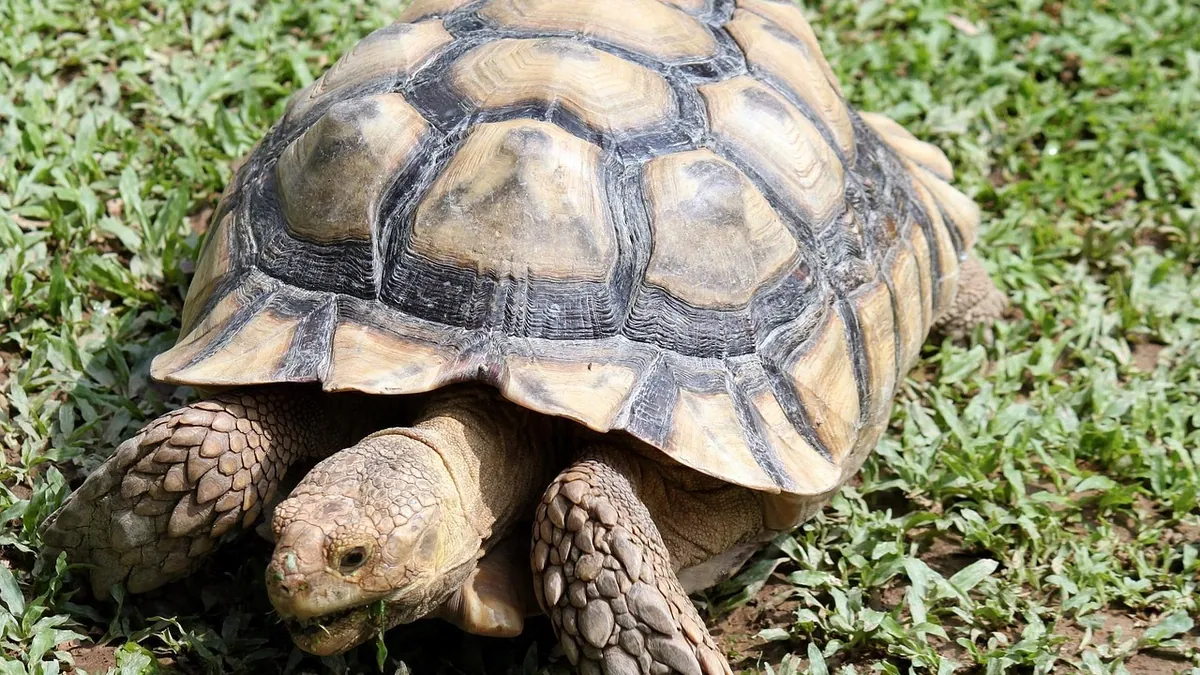
Why is my tortoise eating rocks? In most cases, a tortoise bites or swallows stones because it is looking for minerals it is missing from its diet, or because it is exploring its enclosure and mistakes small gravel for food. Sometimes the behavior is harmless curiosity, but swallowed stones can block the gut, so it deserves a closer look.
This article is educational and is not a substitute for veterinary diagnosis or treatment.
Quick Answer
- Eating rocks is called pica, and in reptiles it usually points to a mineral gap, a diet that is too low in calcium or fiber, or an enclosure with gravel the tortoise can reach [1][2].
- Wild and captive animals of many species eat earth and stones on purpose, a behavior called geophagy, to take in minerals they cannot get from food [2].
- A single small stone often passes, but a pile of gravel can cause a gastrointestinal obstruction, which has been confirmed on radiographs and at necropsy in tortoises [3].
- Fix the diet first. A balanced tortoise diet with the right calcium and fiber is the main treatment for most mineral-seeking behavior [1].
- Call your veterinarian right away if your tortoise stops eating, strains to poop, or seems weak, because impaction can become fatal [3].
Why Is My Tortoise Eating Rocks? Normal Reasons First
Not every mouthful of stone is a problem. Tortoises are grazers that investigate their world with their mouths, and a curious juvenile may nip at anything new in the enclosure.
Geophagy and gastroliths are real behaviors
Animals across many species deliberately eat earth, clay, and small stones. Russian researchers describe mineral licks, called kudurs, where animals return again and again to eat soil for the minerals in it [2]. Birds and reptiles also swallow stones, called gastroliths, that stay in the digestive tract [2]. Fossil evidence shows this is not new. A Cretaceous marine turtle was found with pebbles preserved inside its body cavity, and researchers interpreted them as stones swallowed in life [4]. So a tortoise nibbling at a pebble is doing something its ancestors did.
Exploration and accidental swallowing
Tortoises often taste-test substrate, cage furniture, and plants. Small gravel pieces can stick to food or get taken in with a bite of greens. This is especially common when a tortoise is fed on a sandy or gravelly surface.
Appetite and feeding frequency
Small tortoises use plant fiber less efficiently than large ones and need to eat more often [1]. A hungry young tortoise that is fed too little may chew on non-food items out of simple hunger.
Medical Causes to Rule Out
When the behavior is repeated or intense, think about a health problem.
Mineral and calcium deficiencies
The most common medical reason behind pica in reptiles is a diet that does not meet mineral needs. Tortoises are herbivores and need plant material to keep a healthy gut, and their natural diets are often higher in protein than many owners realize [1]. When calcium, phosphorus, or trace minerals are out of balance, a tortoise may hunt for them in soil and stone, the same drive that sends wild animals to mineral licks [2].
Parasites and gut disease
Gastrointestinal parasites are common in pet tortoises. In a survey of 1,005 fecal samples from pet tortoises in Germany, oxyurid nematodes were found in 43.18% of samples, the most prevalent parasite group detected [5]. Heavy parasite loads can cause poor digestion and odd eating habits. Stress matters too. In captive tokay geckos, a change in diet combined with a change in housing increased fecal oxyurid egg shedding, while either change alone did not [6]. A move, a new enclosure, or a diet swap can add up for your tortoise as well.
Obstruction and gut disease
Sometimes rock eating is not the cause of illness but a sign of it. A young tortoise with severe inflammation of the mouth and esophagus from an adenovirus infection was presented in poor body condition and with radiographs consistent with gastrointestinal obstruction [3]. Gut disease can change appetite and chewing behavior in ways owners notice as pica.
Other species, same question
Owners of other pets ask similar questions. A turtle eating rocks usually has the same mineral and substrate issues as a tortoise. An axolotl eating rocks is a serious emergency, because that species cannot pass gravel and often needs a veterinarian to remove it. A horse eating rocks is a different story, since horses are grazing animals with their own mineral and digestive concerns. Pica in reptiles is the umbrella term, and it always means you should review diet, environment, and health together.
When Rock Eating Becomes a Problem
A single small, smooth stone may pass through. The danger is volume and size. Gravel, sharp stones, and repeated swallowing can build up and block the intestines.
Signs that a swallowed stone is causing trouble include:
- Not eating or eating much less
- No bowel movement for several days
- Straining or squatting without passing stool
- Swelling or hardness in the belly
- Weakness, lethargy, or poor body condition
- Vomiting or regurgitation
An intestinal obstruction was confirmed at necropsy in a tortoise that died despite supportive treatment, and radiographs before death were consistent with that obstruction [3]. That case shows how serious a blocked gut can be. Do not wait to see if a stone passes on its own if your tortoise looks unwell.
What to Do Step by Step
1. Remove loose gravel and small stones
Take out any gravel, pebbles, or decorative rocks small enough to fit in your tortoise's mouth. Use a substrate the tortoise cannot easily swallow, and feed on a flat dish or slate instead of on loose ground.
2. Review the diet with your veterinarian
Tortoises need a diet built around plant material and fiber, and small tortoises should be fed more often than large ones [1]. Appropriately formulated pelleted or coarsely ground tortoise diets can help meet nutritional needs, and they work well for small tortoises when fed at the right frequency [1]. Ask your veterinarian to check the calcium-to-phosphorus balance and whether a calcium supplement is needed. The veterinarian will calculate any supplement dose from your tortoise's weight and health, so do not guess.
3. Check for parasites
Bring a fresh fecal sample to your veterinarian. Given how common oxyurid nematodes are in pet tortoises, testing is a reasonable step for any tortoise with pica or digestive signs [5]. Treating a heavy parasite load can improve appetite and overall condition.
4. Reduce stress and keep routines stable
Because combined changes in diet and housing raised parasite shedding in captive geckos, try not to change everything at once [6]. If you must move your tortoise or switch foods, do one at a time and give it time to adjust.
5. Add safe enrichment
Offer a varied, safe plant mix, a proper basking area, and enough space to walk and graze. A busy, well-fed tortoise is less likely to chew on rocks. If your tortoise shares habits with other pets in your home, our guide to Why Does My Dog Eat Grass? covers similar mouthy behavior in dogs, and Why Is My Snake Not Eating? Causes and Solutions explains appetite changes in another reptile.
6. Track what you see
Note how often your tortoise eats rocks, how many stones it swallows, and any changes in appetite or droppings. This record helps your veterinarian decide how urgent the problem is.
What Not to Do
- Do not punish your tortoise. Reptiles do not learn from scolding, and stress can make health problems worse.
- Do not assume a swallowed stone will always pass. Gravel can stack up and block the gut [3].
- Do not give calcium or mineral supplements on your own. Too much of the wrong mineral causes new problems. Your veterinarian will set the dose based on weight and health.
- Do not rely on the myth that tortoises need to eat stones to digest food. Gastroliths occur in birds and reptiles, but that does not mean your pet needs gravel in its enclosure [2].
- Do not ignore repeated rock eating as a quirk. It is often the first visible sign of a diet or health problem [1].
When to Involve a Veterinarian or Behavior Professional
Call a veterinarian with reptile experience if your tortoise eats rocks more than once, if you see stones in the droppings, or if appetite or activity changes. A fecal exam, radiographs, and a diet review are the usual first steps [3][5]. If your tortoise has a confirmed or suspected obstruction, it needs medical care, not home remedies. For behavior that continues after diet and environment are corrected, ask your veterinarian for a referral to a qualified reptile behavior specialist.
If you also keep mammals, the same principles of watching what your pet swallows apply. Our articles on Why Is My Dog eating stools? Coprophagia Causes and Deterrents and My Dog Ate a Rock: Should I Induce Vomiting or Wait? cover similar "my pet ate something wrong" decisions.
Limitations and When to Contact a Veterinarian
This article cannot tell you whether your specific tortoise has an obstruction, a mineral deficiency, or a parasite infection. Only a veterinarian who examines your pet can do that.
Call your veterinarian the same day if your tortoise:
- Has not eaten for 24 to 48 hours
- Has not passed stool in several days
- Strains to defecate or has a swollen belly
- Is weak, lethargic, or losing body condition
Go to an emergency clinic now if your tortoise:
- Is unresponsive or limp
- Is gasping or having trouble breathing
- Has a prolapse or obvious bleeding
- Collapses or cannot right itself
Schedule a routine visit if your tortoise eats rocks occasionally but otherwise eats, poops, and moves normally. Bring a fresh fecal sample and photos of the enclosure and diet.
Frequently Asked Questions
Is it normal for a tortoise to eat rocks?
Occasional tasting of stones is normal exploratory behavior, and many animals eat earth and small stones on purpose for minerals [2]. Repeated or eager rock eating is not normal and usually points to a diet gap or a health problem [1].
Can a tortoise pass a swallowed rock?
A single small, smooth stone may pass through the digestive tract without trouble. Larger stones or a buildup of gravel can cause an obstruction, which has been confirmed in tortoises and can be fatal even with treatment [3].
Does my tortoise need rocks in its stomach to digest food?
No. Gastroliths do occur in birds and reptiles, and fossil turtles have been found with swallowed stones, but there is no evidence your pet tortoise needs gravel to digest its food [4][2].
Could parasites be causing my tortoise to eat rocks?
Parasites can cause digestive upset and poor condition that may show up as odd eating behavior. Oxyurid nematodes were the most common parasite found in a large survey of pet tortoise feces, so a fecal test is a sensible step [5].
Should I give my tortoise a calcium supplement for this?
Only if your veterinarian recommends one. The right amount depends on your tortoise's species, size, diet, and health, so the veterinarian will calculate the dose for your pet. A balanced diet with proper fiber and mineral content is the foundation of treatment [1].
Related Articles
- Why Is My Snake Not Eating? Causes and Solutions
- Sulcata Tortoise Pyramiding: Enclosure Humidity and High-Fiber Diet Fixes
- Why Is My Axolotl or Turtle Eating Sand? Impaction Risk
- Why Is My Turtle or Tortoise Not Eating?
- Why Is My Tortoise Lethargic? Causes and When to Worry
References
- Nutrition in Tortoises - Management and Nutrition. Merck Veterinary Manual.
- Geophagy in animals and geology of kudurs (mineral licks): a review of Russian publications. Environmental geochemistry and health, 2013.
- Hyperplastic stomatitis and esophagitis in a tortoise (Testudo graeca) associated with an adenovirus infection. Journal of veterinary diagnostic investigation : official publication of the American Association of Veterinary Laboratory Diagnosticians, Inc, 2016.
- First evidence of marine turtle gastroliths in a fossil specimen: Paleobiological implications in comparison to modern analogues. PloS one, 2024.
- Occurrence of health-compromising protozoan and helminth infections in tortoises kept as pet animals in Germany. Parasites & vectors, 2018.
- Changes in housing and diet combined increase fecal oxyurid load in captive tokay geckos. PeerJ, 2026.