Why Is My Tortoise Pacing Back and Forth? Causes
By Dr. Zubair Khalid, DVM, MS, PhD ·
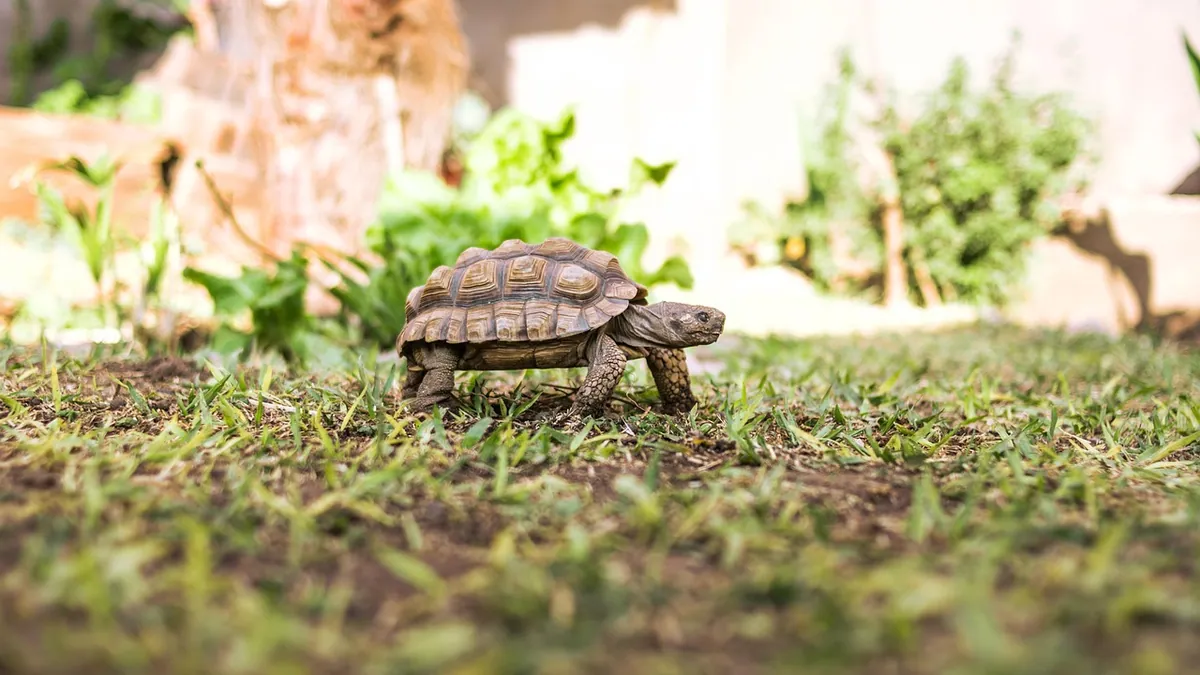
A tortoise that paces back and forth is usually trying to solve a problem. The enclosure may be too small, too bare, too hot, too cold, or too exposed, and pacing is the animal's attempt to find a better spot. Sometimes the cause is medical, so the behavior deserves a close look at both the habitat and the tortoise's health.
This article is educational and is not a substitute for veterinary diagnosis or treatment.
Quick Answer
- Pacing often means the enclosure is too small or too open. Tortoises need room to walk, turn, and choose between warm and cool zones.
- Temperature problems drive a lot of pacing. A tortoise that cannot find its preferred body temperature will keep moving and testing the space.
- A bare floor with no hides, substrate, or visual barriers gives a tortoise nothing to do and nowhere to feel safe.
- Stress hormones change movement patterns in reptiles, including fossorial species, so chronic pacing is a real welfare signal, not just a quirk [1].
- Pacing that comes with weight loss, discharge, shell changes, or refusing food needs a veterinary visit, not just a bigger tank.
Why Is My Tortoise Pacing Back and Forth? Normal Reasons First
Not every pacing tortoise is sick or miserable. Some movement is normal, especially when it has a purpose.
Exploring a new space
A tortoise moved into a new enclosure will often walk the perimeter for hours or days. It is mapping the space, checking for exits, and locating warm and cool areas. This usually settles once the tortoise learns the layout.
Breeding season restlessness
Male tortoises, and sometimes females, become more active during breeding season. They may pace along walls, push at corners, or follow a specific route over and over. This is hormonal and seasonal. It tends to fade when the season passes.
Hunger and routine
Tortoises learn feeding schedules quickly. A tortoise that expects food at a certain time may pace near the spot where you usually put it. If the pacing stops once food arrives, hunger or routine is the likely trigger.
Looking for a way out
A tortoise that can see through glass or mesh may pace along that barrier. It sees open space beyond the wall and keeps trying to reach it. This is common in glass tanks and open-topped pens.
Why is my tortoise rocking back and forth?
Rocking is a little different from pacing. A tortoise may rock while pushing against a wall, climbing, or trying to right itself. Some tortoises rock when straining to pass stool or urine. If rocking comes with straining, swelling, or a long gap since the last bowel movement, treat it as a medical concern.
Medical Causes to Rule Out
Pacing can be the first visible sign of a health problem. Reptiles hide illness well, so changes in movement often show up before other symptoms.
Temperature and digestion problems
Reptiles need heat to digest food. Many reptiles seek higher body temperatures after eating, a pattern called a post-prandial thermophilic response [2]. A tortoise that cannot reach its preferred temperature may pace constantly, trying to find warmth. If the enclosure has no proper basking zone, digestion slows and the tortoise stays restless.
Stress hormone changes
Stress affects how reptiles move and use space. In one fossorial reptile, repeated elevation of corticosterone, the main stress hormone in reptiles, changed movement and spatial behavior [1]. Long-term stress from a poor enclosure, handling, or predators nearby can produce the same kind of restless, repetitive movement.
Pain and physical discomfort
A tortoise in pain may pace, rock, or shift position constantly. Common sources include shell injuries, abscesses, bladder stones, constipation, and egg binding in females. Any of these can make a tortoise restless and unwilling to settle.
Respiratory and eye problems
Respiratory infections cause labored breathing, nasal discharge, and open-mouth breathing. A tortoise that cannot breathe comfortably may pace and stretch its neck. Eye infections and vitamin A deficiency can also cause restlessness because the tortoise cannot see well enough to feel secure.
Metabolic bone disease
Tortoises with low calcium, poor UVB exposure, or an imbalanced diet can develop soft or deformed shells and weak limbs. These tortoises often pace because walking is uncomfortable and their bodies do not work normally.
Parasites and gut issues
Internal parasites, impaction, and gut infections cause cramping and discomfort. A tortoise with these problems may pace, strain, or refuse food. A fecal exam is a simple way to check.
Neurological problems
Head tilt, circling, rolling, or uncoordinated pacing can point to neurological disease, toxin exposure, or trauma. This is different from purposeful walking and needs prompt veterinary attention.
When Pacing Becomes a Problem
Pacing is a welfare concern when it is repetitive, lasts for long stretches, and does not stop when the tortoise gets what it seems to want.
Watch for these patterns:
- The tortoise paces the same route for hours every day.
- It paces even after eating, basking, and resting.
- It rubs its nose or face raw against walls.
- It ignores food, hides, or normal basking behavior.
- It loses weight or stops growing.
- It paces at night when it should be resting.
Repetitive movement that continues without a clear trigger is often called stereotypic behavior. It usually means the environment does not meet the animal's needs. Fixing the habitat is the first step, and a veterinary exam rules out pain or disease.
What to Do Step by Step
Step 1: Measure the enclosure
Small enclosures are the most common cause of pacing in pet tortoises. A tortoise needs enough floor space to walk several body lengths, turn around, and choose between temperature zones. If your tortoise can cross the enclosure in a few steps, it is too small.
Step 2: Check the temperature gradient
Use a digital thermometer at both ends of the enclosure and at the basking spot. The basking zone should be warm enough for your species, and the cool end should be noticeably cooler. A tortoise that cannot thermoregulate will pace. Reptile cardiac and digestive function depends on temperature, and warming changes how the heart and gut work [2]. If your temperatures are off, correct them before assuming the behavior is behavioral.
Step 3: Add substrate and structure
Bare floors cause pacing. Add a safe substrate your species can dig in, plus hides, rocks, plants, and visual barriers. Break up long sight lines so the tortoise cannot see from one end of the enclosure to the other. This alone stops pacing in many cases.
Step 4: Provide enrichment
Tortoises are active animals that need mental stimulation. Rotate food placement, add safe items to explore, and offer a varied diet. Some tortoises enjoy gentle supervised time in a safe outdoor pen. Enrichment reduces repetitive movement the same way it does in other species.
Step 5: Review diet and lighting
Check calcium, UVB, and diet balance. Poor UVB and low calcium cause metabolic bone disease, which makes movement painful. Follow your veterinarian's guidance on supplements. Your vet will calculate any dose based on your tortoise's weight and health.
Step 6: Keep a simple log
Write down when pacing happens, how long it lasts, what the temperature is, and what the tortoise ate. This record helps your veterinarian tell the difference between a habitat problem and a medical one.
Step 7: Rule out illness with a vet visit
If habitat fixes do not help within a week or two, book a veterinary exam. A physical exam, fecal test, and sometimes blood work or imaging can find the cause. Pacing in other pets follows the same rule. A dog that paces and whines may have anxiety or a medical problem, and the same logic applies to reptiles. You can read more about how restlessness shows up in other species in these guides: Why Is My Dog Pacing and Whining?, Why Is My Cat Pacing and Meowing? Anxiety or Medical Issue?, and Why Is My Dog Acting restless and pacing? Bloat GDV & Pain Triage.
What Not to Do
Do not punish the behavior
Never tap, spray, or startle a pacing tortoise. Punishment adds stress, and stress hormones directly change reptile movement patterns [1]. It also teaches the tortoise to fear you, which makes handling harder.
Do not assume it is "just what tortoises do"
Some pacing is normal, but daily repetitive pacing is not. Treating it as a personality trait means the real problem goes unfixed.
Do not block all movement
Confining a tortoise to a tiny area to stop pacing makes the underlying problem worse. The goal is more space and better structure, not less movement.
Do not skip the temperature check
Owners often assume the enclosure is warm enough because the room feels warm. Measure it. Guessing leads to chronic temperature problems.
Do not self-treat with medications
Do not give antibiotics, dewormers, or supplements without veterinary direction. Wrong drugs and wrong doses cause harm. Your veterinarian calculates the dose from your pet's weight and health.
Do not ignore species differences
Tortoises, turtles, axolotls, and hedgehogs all pace for different reasons. A turtle pacing in water may be checking for a nesting site. An axolotl pacing may be reacting to water quality. A hedgehog pacing may be stressed by a small cage. The fix depends on the species, so do not copy advice across species.
When a Veterinarian or Certified Behavior Professional Should Be Involved
Call a veterinarian who treats reptiles if your tortoise paces for more than a few days, stops eating, loses weight, or shows any physical symptom. Reptile stress responses involve complex interactions between temperature, hydration, disease, and environment, and these factors can compound each other [3]. A vet can sort out what is medical and what is behavioral.
A certified behavior professional can help if your veterinarian finds no medical cause and the pacing continues. Behavior help is most useful after the habitat has been corrected and the tortoise is medically clear.
Limitations and When to Contact a Veterinarian
This article covers common causes, but every tortoise is an individual. Only a veterinarian who examines your pet can diagnose and treat a specific problem.
Contact a veterinarian the same day if your tortoise:
- Stops eating or drinking
- Has discharge from the nose, mouth, or eyes
- Shows a soft, cracked, or deformed shell
- Has swelling, a wound, or a prolapse
- Strains to pass stool or urine
- Paces with a head tilt, circling, or loss of balance
Go to an emergency clinic now if your tortoise:
- Cannot right itself
- Breathes with its mouth open and gasps
- Has a seizure or sudden paralysis
- Bleeds from the shell or vent
- Collapses or becomes unresponsive
Schedule a routine visit if the pacing continues after you fix the enclosure, or if you are unsure whether the behavior is normal for your species.
Frequently Asked Questions
Is pacing always a sign of stress in tortoises?
No, some pacing is normal exploration, breeding restlessness, or food anticipation. It becomes a concern when it is repetitive, lasts for hours, and does not stop when the tortoise's needs are met. Chronic pacing with other symptoms points to stress or illness.
Can a small enclosure really cause pacing?
Yes, enclosure size is one of the most common causes. A tortoise that cannot walk several body lengths or choose between temperature zones will keep moving and testing the walls. Upgrading space and adding structure often reduces the behavior quickly.
Does temperature affect tortoise movement?
Yes, temperature strongly affects reptile digestion and heart function, and reptiles often seek warmer spots after eating [2]. A tortoise that cannot reach its preferred temperature may pace constantly. Check your basking and cool-end temperatures with a digital thermometer.
Should I punish my tortoise for pacing?
No, punishment increases stress and can make the behavior worse. Stress hormones change movement and space use in reptiles [1]. Fix the habitat, add enrichment, and get a veterinary exam instead.
When should I see a vet for pacing?
See a vet if pacing lasts more than a few days, if your tortoise stops eating, or if you see any physical symptoms like discharge, swelling, or shell changes. Same-day or emergency care is needed for breathing trouble, seizures, bleeding, or a tortoise that cannot right itself.
Related Articles
- Why Is My Tortoise Walking in Circles? Causes
- Why Is My Tortoise Climbing the Walls? Causes and Solutions
- Why Is My Tortoise Not Moving? Causes and What to Do
References
- Going stressed underground: corticosterone-induced stress responses alter the movement and spatial ecology of males in a fossorial reptile. Movement ecology, 2026.
- Effects of change in temperature on the cardiac contractility of broad-snouted caiman (Caiman latirostris) during digestion. Journal of experimental zoology. Part A, Ecological and integrative physiology, 2021.
- Physiological responses and adaptive mechanisms of amphibians and reptiles to multiple interacting environmental stressors: an integrative review. Frontiers in physiology, 2026.