Why Is My Tortoise Shell or Skin Peeling? Normal vs Not
By Dr. Zubair Khalid, DVM, MS, PhD ·
This article is educational and is not a substitute for veterinary diagnosis or treatment.
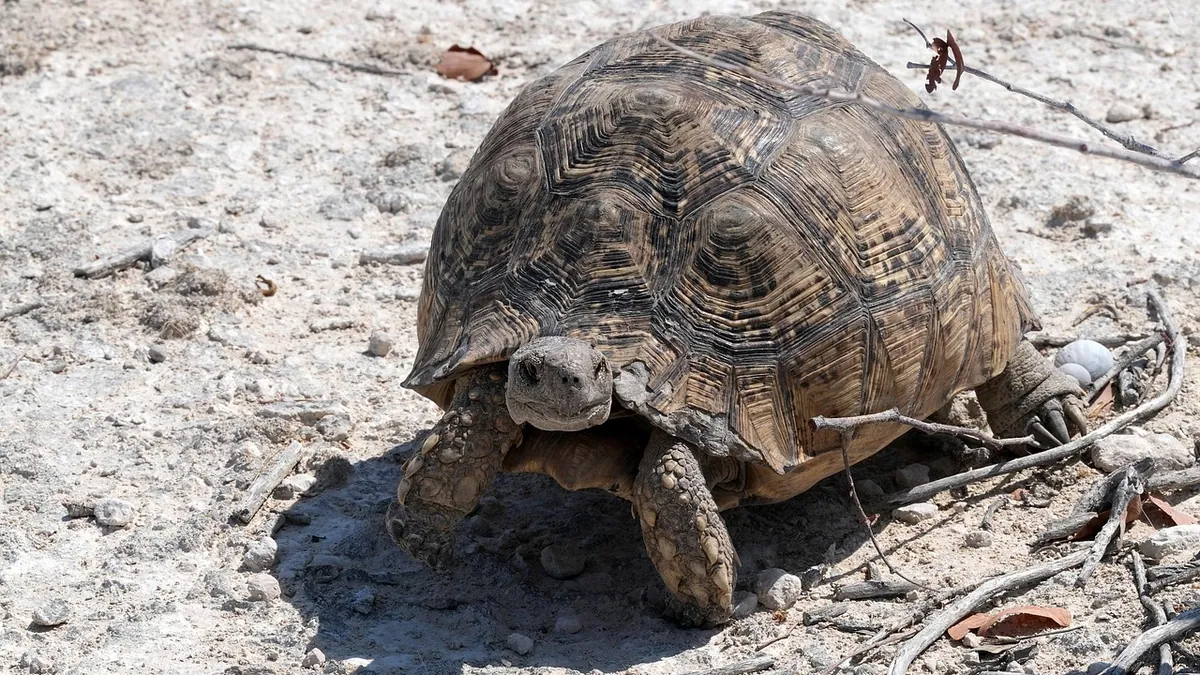
Seeing your tortoise shell is peeling can be alarming, but in many cases it is a normal part of growth. Tortoises shed the outer layer of their shell in small flakes or thin sheets as they grow, and they also shed skin in patches. The trick is telling ordinary shedding apart from a problem that needs a veterinarian.
Quick Answer
- Normal shedding looks like thin, translucent flakes lifting at the edges of scutes, with healthy shell and skin underneath.
- Retained scutes (layers that stay stuck) build up, look thick and uneven, and can trap bacteria or fungus underneath.
- Skin that peels in stringy patches, especially around the neck, often points to a humidity or soaking problem.
- White, fuzzy, or foul-smelling areas, soft spots, or open sores are signs of infection and need a vet visit.
- Never pull shedding skin or pry off loose scutes. Let them come off on their own.
What Normal Shedding Looks Like
Tortoises grow their whole lives, and their shell has to grow with them. The hard plates on top, called scutes, are made of keratin, the same material as your fingernails. As new keratin forms underneath, the old outer layer lifts and flakes away. This is called ecdysis, and it happens in small pieces over weeks or months.
Normal shedding has a few clear features. The flakes are thin and see-through, like dry skin or a peeling sunburn. The shell underneath is smooth and firm. There is no smell, no discharge, and no raw or pink tissue. Your tortoise keeps eating, walking, and behaving normally.
Skin shedding works the same way. Tortoises shed skin in small, dry patches. You may see bits of skin in the water after a soak. The neck and legs are common places to notice it because those areas move and stretch.
This process depends on keratin, a protein structure that land vertebrates evolved to protect the skin and its appendages, including scales and claws [1]. When that process is disrupted, shedding goes wrong.
Why Is My Tortoise Shell Peeling? Main Causes
Several different problems can look like simple peeling. The table below helps you sort them out.
| Cause | Typical clues | How urgent |
|---|---|---|
| Normal growth shedding | Thin translucent flakes, healthy shell beneath, normal appetite and activity | Not urgent |
| Retained scutes | Thick stacked layers, uneven shell, trapped debris or moisture underneath | Routine vet visit |
| Low humidity or dehydration | Dry flaky skin, peeling around the neck, frequent soaking in the water dish | Routine vet visit |
| Fungal infection | White or gray fuzzy patches, musty smell, soft or pitted areas | Same-day vet visit |
| Bacterial infection (shell rot) | Dark or discolored spots, bad smell, soft or oozing shell, pitting | Same-day vet visit |
| Nutritional or metabolic problem | Poor shell growth, soft shell, deformed scutes, poor appetite | Routine vet visit |
| Underlying disease | Shedding problems along with weight loss, lethargy, or not eating | Same-day vet visit |
Retained Scutes
Retained scutes happen when the old layer does not release. Instead of flaking off, the layers stack up. The shell looks bumpy, thick, or uneven. Moisture and waste can get trapped between the layers, which creates a warm, damp space where bacteria and fungus grow.
Dysecdysis is the medical term for abnormal or difficult shedding. In a review of 214 leopard geckos, dysecdysis was the single most common diagnosis, affecting nearly 30 percent of the patients seen [2]. That study was on geckos, not tortoises, but it shows how often shedding problems show up in captive reptiles. Husbandry factors were linked to skin, gastrointestinal, and eye disorders in that group [2].
Retained scutes usually trace back to low humidity, poor soaking, or a diet that does not support healthy keratin. In one case report, a Russian tortoise with generalized dysecdysis turned out to have a large internal tumor, which shows that shedding problems can sometimes signal serious internal disease [3]. That is rare, but it is a reason to take persistent shedding problems seriously.
Skin Peeling, Especially Around the Neck
If your tortoise neck is peeling, look closely at the pattern. Normal shedding produces small dry flakes. A problem looks different. You might see long stringy strips, raw pink skin, or a thick collar of dead skin that will not come off.
The neck is a common spot for trouble because it stays folded and warm. Low humidity dries the skin, and the folds trap moisture and debris. Soaking helps, but only if the water is clean and the tortoise can dry off afterward.
Fungal and Bacterial Skin Issues
Fungus and bacteria both thrive on damaged, damp skin and shell. Fungal infections often show up as white or gray fuzzy patches with a musty smell. Bacterial infections tend to cause dark, discolored, soft, or pitted areas, sometimes with discharge. Both can spread if you wait.
Shell rot is a bacterial or fungal infection of the shell. It often starts as a small discolored spot and grows. If you press gently on the area, it may feel soft or spongy instead of hard. Any soft spot on a tortoise shell is a reason to call your vet.
For more on recognizing shell infections, see Pet Turtle Shell Rot Signs. The same principles apply to tortoises.
Humidity, Diet, and Soaking
Three things drive most shedding problems in captive tortoises.
Humidity. Dry air pulls moisture out of the skin and shell. Species from humid or forest habitats need higher humidity than desert species, but almost all young tortoises benefit from a humid hide and damp substrate. Chronic low humidity causes dry, flaky skin and stuck scutes. For species prone to shell growth problems, humidity matters even more. See Sulcata Tortoise Pyramiding: Enclosure Humidity and High-Fiber Diet Fixes and Sulcata Tortoise Care: Pyramiding prevention high-humidity diet guide.
Diet. Keratin needs protein, vitamins, and minerals. A diet low in vitamin A can cause skin problems, and presumptive hypovitaminosis A was the third most common diagnosis in the leopard gecko review, affecting nearly 10 percent of patients [2]. Feed a varied diet of appropriate greens, weeds, and a calcium supplement. Your veterinarian can tell you what your species needs.
Soaking. Regular soaks hydrate the skin and soften the outer layer so it can release. A shallow dish of clean water that your tortoise can walk into and out of is a good start. Soak young tortoises a few times a week in lukewarm water that reaches the bottom of the shell. Always supervise, and never leave a small tortoise unattended in deep water.
Stress and husbandry changes can also affect reptile health. In one study, a combined change in housing and diet increased parasite loads in captive geckos, even though the animals looked normal [4]. Big enclosure changes are sometimes necessary, but make them gradually when you can.
Red Flags That Mean Emergency
Call an emergency veterinary service right away if you see any of these.
- A soft, spongy, or sunken area anywhere on the shell
- Open wounds, bleeding, or exposed tissue under a lifted scute
- Foul smell or pus coming from the shell or skin
- White, fuzzy growth spreading across the shell or skin
- Refusing to eat for more than a few days, especially with lethargy
- Swollen eyes, bubbling from the nose, or open-mouth breathing
- Sudden weakness, inability to walk, or a shell that feels unusually light
Shedding problems can appear alongside serious internal disease. The Russian tortoise in the case report had generalized dysecdysis along with not eating and lethargy, and it was later found to have a large tumor in the kidney area [3]. A boa with a bone disorder also showed dysecdysis along with anorexia and stiffness [5]. These are different species and different diseases, but the pattern is the same. Shedding trouble plus a sick tortoise is not something to watch at home.
Safe Things You Can Do at Home
While you wait for your appointment, focus on supportive care.
Soak in lukewarm water. Use a shallow container with water that reaches the lower shell. Soak for 15 to 30 minutes a few times a week. This softens stuck skin and scutes so they can release on their own.
Do not pull. Never peel shedding skin or pry off scutes. Pulling can tear healthy tissue and open a door for infection.
Check the enclosure. Measure temperature and humidity with a reliable gauge. Fix any obvious gaps, such as a heat lamp that dries the air or a substrate that stays wet and cold.
Keep the shell clean and dry between soaks. Gently wipe away debris with a soft cloth. Pat dry, especially in the folds around the neck and legs.
Offer a varied, species-appropriate diet. Include calcium and a proper vitamin source. Do not guess at supplement doses. Ask your vet.
Isolate a new tortoise. If you have more than one, keep a new animal separate until a veterinarian checks it. Skin and shell infections can spread.
Take photos. Photograph the peeling areas every few days. This helps your vet see whether the problem is improving or spreading.
What Your Veterinarian Will Check
A reptile-experienced veterinarian will start with a full history. Be ready to describe your enclosure, temperatures, humidity, diet, supplements, soaking routine, and how long you have noticed the peeling.
The physical exam focuses on the shell and skin. Your vet will look for soft spots, pits, discharge, and retained layers. They will check the eyes, mouth, and vent, and they will weigh your tortoise. Weight loss is a major clue.
Depending on what they find, your vet may recommend:
- Shell and skin sampling. A swab or small scraping can identify bacteria or fungus.
- Blood work. This checks organ function, hydration, and signs of infection.
- Radiographs or ultrasound. Imaging looks for internal disease, especially if your tortoise is not eating or is losing weight. In the Russian tortoise case, radiography and ultrasound found a mass that physical exam alone could not detect [3].
- Fecal testing. Parasites can affect overall health and shedding.
Treatment depends on the diagnosis. Bacterial infections usually need prescription antibiotics. Fungal infections need antifungal treatment. Your veterinarian will calculate any dose based on your tortoise's weight and health, so never use leftover or human medications.
Prevention and Monitoring
Most shedding problems are preventable with steady husbandry.
- Keep temperature and humidity in the correct range for your species, and check with a gauge, not by feel.
- Soak regularly, especially young tortoises and species from humid habitats.
- Feed a varied diet with appropriate calcium and vitamins.
- Provide a water dish your tortoise can enter and exit safely.
- Clean the enclosure and remove waste often.
- Weigh your tortoise monthly and write it down. Small changes add up.
- Take photos of the shell every few months so you can spot slow changes.
- Schedule a wellness visit with a reptile vet when you first get your tortoise, then yearly.
If your tortoise has had a shedding problem before, watch that area closely. Recurrence is common when the underlying husbandry issue is not fully fixed.
Limitations and When to Contact a Veterinarian
This article cannot tell you what is causing your tortoise's peeling. Only a veterinarian who examines your tortoise can do that. Individual cases need a veterinarian, and some shedding problems turn out to be signs of deeper disease.
Contact a veterinarian the same day if you see soft shell spots, a bad smell, discharge, white fuzzy growth, or skin that looks raw or bleeding. Treat these as urgent because shell and skin infections can spread quickly.
Go to an emergency clinic now if your tortoise is unresponsive, cannot walk, is breathing with its mouth open, or has a shell wound with exposed tissue.
Schedule a routine visit within a week or two if the peeling is mild but not improving, if scutes are stacking up, or if you are not sure whether the shedding is normal. A routine visit is also the right call if your tortoise is eating and active but the shell looks uneven.
If your tortoise stops eating after hibernation, that is a separate concern that needs prompt evaluation. See Tortoise Post-Hibernation Anorexia: Evaluation, Fluid Support, and Refeeding.
Frequently Asked Questions
Is it normal for my tortoise shell to peel?
Yes, mild peeling is normal. Tortoises shed thin flakes of the outer shell as they grow, and the shell underneath should look smooth and firm. If the peeling is thick, uneven, smelly, or paired with a sick tortoise, it is not normal and needs a vet visit.
Why is my tortoise neck peeling?
The neck often peels because of low humidity, dry skin, or not enough soaking. Normal shedding there looks like small dry flakes. Long stringy strips, raw skin, or a thick band of dead skin that will not come off point to a problem that needs veterinary care.
Should I pull off loose scutes or skin?
No. Pulling can tear healthy tissue underneath and let bacteria or fungus in. Soak your tortoise in lukewarm water and let the layers release on their own. If a scute stays stuck for weeks, ask your vet to look at it.
Can I use human creams or ointments on my tortoise?
No. Many human products are not safe for reptiles and can be absorbed through the skin or shell. Your veterinarian can prescribe a treatment that is appropriate for your tortoise and show you how to apply it.
How often should I soak my tortoise?
For most young tortoises, a shallow lukewarm soak a few times a week works well. Adults of humid species may need more, and desert species may need less. Ask your veterinarian for a schedule that matches your species, size, and enclosure humidity.
Related Articles
- Sulcata Tortoise Pyramiding: Enclosure Humidity and High-Fiber Diet Fixes
- Pet Turtle Shell Rot Signs
- Sulcata Tortoise Care: Pyramiding prevention high-humidity diet guide
- Tortoise Post-Hibernation Anorexia: Evaluation, Fluid Support, and Refeeding
- Sulcata Tortoise Pyramiding Prevention
- Do Tortoises Shed? Shell and Skin Shedding Explained
- Why Is My Tortoise Shell Soft? Causes and Treatment
- Why Is My Turtle Peeling? Shell and Skin Shedding
References
- Keratinization and Cornification are not equivalent processes but keratinization in fish and amphibians evolved into cornification in terrestrial vertebrates. Experimental dermatology, 2022.
- Husbandry factors are associated with skin, gastrointestinal and ophthalmic disorders in leopard geckos (Eublepharis macularius). The Veterinary record, 2026.
- Urothelial carcinoma in a Russian tortoise (Testudohorsfieldii). Journal of comparative pathology, 2023.
- Changes in housing and diet combined increase fecal oxyurid load in captive tokay geckos. PeerJ, 2026.
- Paget-like bone remodeling disorder in a red-tailed boa (Boa constrictor constrictor): diagnosis and management. Journal of veterinary science, 2026.