Why Is My Tortoise Crying? Eye Discharge Causes
By Dr. Zubair Khalid, DVM, MS, PhD ·
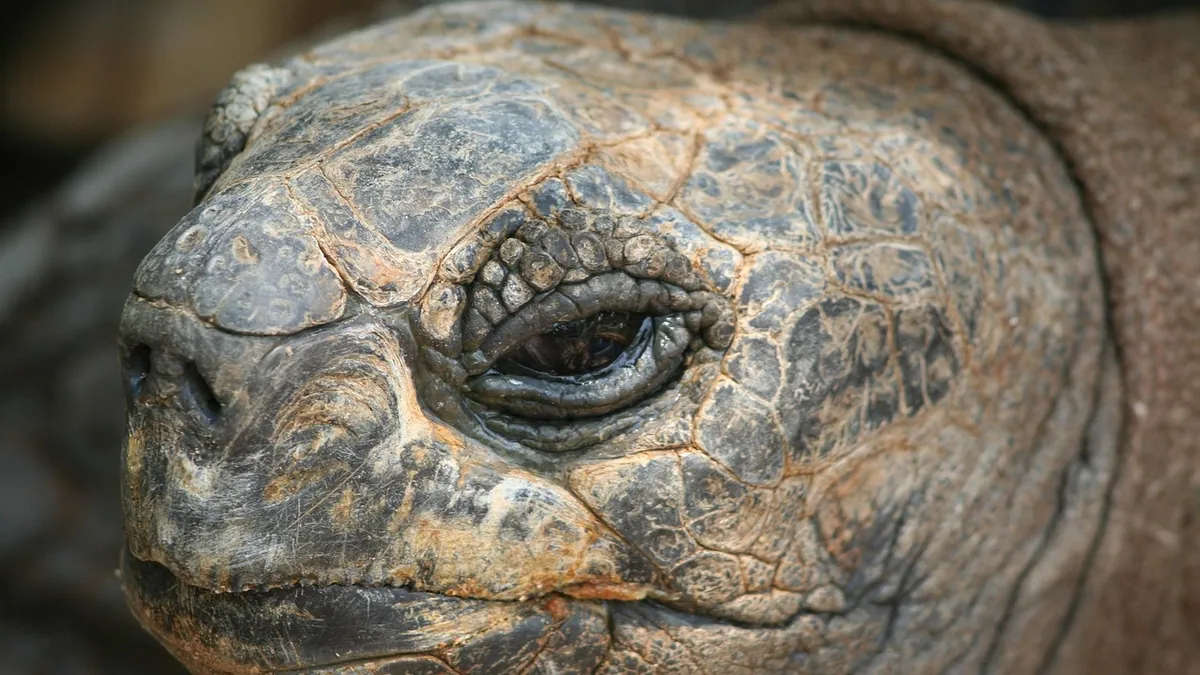
Why is my tortoise crying? In most cases, your tortoise is not crying at all. Reptiles do not produce emotional tears the way people do, so the clear or cloudy fluid you see around the eyes is discharge, and it usually points to irritation, a vitamin A problem, an infection, or respiratory disease. This article is educational and is not a substitute for veterinary diagnosis or treatment.
Quick Answer
- Reptile tears are not emotional. Watery eyes and eye discharge in tortoises and turtles almost always mean irritation, nutritional deficiency, or infection.
- Vitamin A deficiency is one of the most common nutritional causes of swollen, watery eyes in pet reptiles, especially when the diet is short on dark leafy greens and quality supplements.
- Respiratory infections often come with eye or nose discharge. In tortoises, upper respiratory disease from Mycoplasma is a known concern and can spread between animals [1].
- Some eye problems are contagious and serious. A herpesvirus outbreak in tortoises caused nasal and ocular discharge and killed 14 of 17 affected animals despite treatment [2].
- Any tortoise that stops eating, breathes with an open mouth, or has swollen shut eyes needs a veterinarian now, not home remedies.
What "Crying" Actually Looks Like in a Tortoise
When owners say "my tortoise is crying," they usually mean one of a few things. There may be a wet streak running down from the eye. The eye itself may look glossy, puffy, or half closed. Sometimes there is a crusty or cheesy material at the corner of the eye, or the skin around the eye looks damp and irritated.
A small amount of moisture around a healthy reptile eye is normal. The eye should be clear, open, and bright, with no swelling and no stuck debris. A tortoise that blinks normally, eats well, and has dry, clean skin around the eyes is not crying. What you are watching for is a change from that baseline.
The confusion comes from the word "crying." People cry when they are sad or in pain. Reptiles do not. So when a turtle or tortoise has watery eyes, treat it as a medical sign, the same way you would treat a runny nose in a dog or cat. If you want to compare how discharge looks across species, our guide to dog eye discharge explains the difference between normal moisture and a problem.
Why Is My Tortoise Crying? The Main Causes
Several conditions can make a tortoise's eyes water or produce discharge. Some are mild and easy to fix. Others are emergencies. The table below gives you a starting point, but only a veterinarian can tell you which one you are dealing with.
| Cause | Typical clues | How urgent |
|---|---|---|
| Vitamin A deficiency | Both eyes affected, swollen lids, poor diet history, lethargy, poor appetite | See a vet soon, usually within days |
| Substrate or environmental irritation | Eyes watery after a bedding or cage change, no swelling at first, otherwise bright and eating | Fix the environment, vet if it persists past a few days |
| Bacterial or chlamydial conjunctivitis | Red or swollen eyes, thick or yellow discharge, one or both eyes | See a vet soon |
| Respiratory disease (including Mycoplasma) | Nasal discharge, wheezing, open-mouth breathing, eye discharge, reduced appetite | Urgent, same day if breathing is affected |
| Viral infection (herpesvirus) | Nasal and eye discharge, mouth sores, sudden illness, often in groups of tortoises | Emergency |
| Allergy | Watery eyes linked to a specific bedding or grass, no fever, no other signs | Routine visit if it keeps returning |
| Foreign body or injury | One eye only, squinting, pawing at the face, visible grit or seed husk | Same day |
Vitamin A Deficiency
Vitamin A deficiency is a classic cause of swollen, watery eyes in captive reptiles. It happens most often when a tortoise eats a narrow diet, such as mostly lettuce or fruit, without enough dark leafy greens or a proper reptile vitamin supplement. The eyelids can swell until the eye is nearly shut, and both eyes are usually involved.
This is a nutritional problem, so it will not fix itself with eye drops alone. A veterinarian needs to confirm the diagnosis and correct the diet. Do not guess at a vitamin A dose on your own. Too much vitamin A can also harm a reptile, so the dose has to be calculated by a veterinarian based on your tortoise's weight and health.
Irritation From Substrate, Dust, or Allergens
Bedding, dust, sand, and even certain grasses can irritate the surface of the eye. If your tortoise's eyes started watering right after you changed the substrate or added a new hay, that timing matters. One documented case involved an African spur-thighed tortoise with allergic conjunctivitis linked to orchard grass, confirmed with allergy testing [3]. Allergic eye disease in reptiles is not well studied, but it does happen [3].
Irritation often affects both eyes and comes with no other signs at first. The tortoise still eats, moves around, and behaves normally. Removing the irritant and rinsing the eye with plain sterile saline can help, but if the eyes stay watery for more than a few days, get a vet involved.
Infection: Bacterial, Chlamydial, and Viral
Infection is the cause that worries veterinarians most. Chlamydia species can infect reptiles and cause conjunctivitis, along with liver and lung disease, and can be fatal in young animals [4]. Because Chlamydia can pass to people, this is also a public health concern [4]. That is one more reason not to treat a chronic eye problem at home.
Mycoplasma agassizii is a well-known cause of upper respiratory tract disease in tortoises. In a Texas tortoise surveillance program, infected animals were treated with danofloxacin at 6 mg/kg injected under the skin every other day for 30 days, and more tortoises developed signs of upper respiratory disease during the study [1]. Eye discharge often shows up alongside the nasal discharge in these cases.
Herpesvirus is the most severe example. In an outbreak among elongated tortoises, affected animals had nasal and ocular discharge and plaques in the mouth, and 14 of 17 died despite isolation and supportive care [2]. This virus is highly contagious and can stay hidden in survivors [2]. If you keep more than one tortoise and one develops eye or nose discharge, separate it from the others immediately.
Respiratory Disease
Eye discharge and respiratory disease often travel together in tortoises. The tear ducts drain into the nose, so a problem in the nose or lungs can show up as watery eyes. Watch for nasal bubbles, wheezing, clicking sounds, open-mouth breathing, a stretched-out neck, or a drop in appetite. Any of these with eye discharge moves your tortoise into the urgent category.
Foreign Bodies and Injury
A single watery, squinting eye is often a physical problem. A piece of sand, a seed husk, or a scratch from a cage mate can cause one-sided discharge. These injuries can turn into ulcers, so they need a same-day exam. Do not try to pull anything out of the eye yourself.
Red Flags That Make It an Emergency
Call a veterinarian right away if you see any of these:
- Open-mouth breathing, gasping, or a stretched-out neck
- Both eyes swollen shut
- Thick yellow or green discharge
- A swollen or bulging eye
- Blood around the eye
- The tortoise has stopped eating or is losing weight
- Mouth sores or a foul smell from the mouth
- More than one tortoise in the group showing eye or nose discharge
- Any of these signs in a very small or young tortoise
Respiratory and viral diseases can kill quickly, and the herpesvirus outbreak mentioned above shows how fast a group can be affected [2]. Waiting a week to "see if it clears up" is a risk you do not want to take.
What You Can Safely Do at Home While You Wait
Home care is about comfort and removing obvious triggers. It is not a treatment for infection or deficiency.
- Check the enclosure temperature and humidity against the needs of your species. Cold, damp housing makes respiratory disease worse.
- Remove dusty bedding, fresh hay, or anything new you added right before the eyes started watering.
- Rinse the eye gently with plain sterile saline if your veterinarian tells you to. Do not use human eye drops unless a vet prescribes them.
- Keep the water dish clean and shallow so the tortoise can soak without getting debris in the eyes.
- Offer a varied diet with dark leafy greens, and use a reptile vitamin supplement only as directed.
- Isolate a sick tortoise from others, and wash your hands after handling it. Chlamydia and other reptile infections can spread to people [4].
Do not use leftover antibiotics, do not apply ointments meant for people, and do not add vitamin A drops to food without veterinary guidance.
What Your Veterinarian Will Check and Test
A reptile vet will start with a full physical exam, including the eyes, nose, mouth, and breathing. They will ask about diet, supplements, lighting, temperature, humidity, and how long the discharge has been present.
Depending on what they find, they may:
- Flush the eye and look for a foreign body or ulcer
- Take a swab of the eye or nose discharge for culture or PCR testing
- Test for Mycoplasma, Chlamydia, or herpesvirus, since these have specific treatments and public health effects [4][1][2]
- Take blood work to check organ function and nutrition
- Take X-rays if pneumonia is suspected
Treatment depends on the cause. Bacterial infections need prescription antibiotics at a dose your vet calculates from your tortoise's weight. Viral disease is managed with supportive care and isolation. Nutritional problems are corrected with diet changes and, in some cases, a carefully measured vitamin A injection. If your vet prescribes an antibiotic, follow the full course exactly, because partial treatment can lead to relapse and resistant infections.
Prevention and Daily Monitoring
Most eye problems in tortoises are preventable with good husbandry.
- Feed a species-appropriate diet with dark leafy greens and a quality reptile supplement.
- Keep temperature and humidity in the correct range for your species, day and night.
- Use bedding that does not produce dust, and change it regularly.
- Provide clean water for drinking and soaking.
- Quarantine any new tortoise for at least several weeks before introducing it to your group.
- Check your tortoise's eyes, nose, and mouth during every handling. Early detection is the best tool you have.
If you keep other pets, remember that eye discharge is a common sign across species. Our articles on cat eye discharge and dog eye discharge goop cover what those signs mean in mammals, which is different from what they mean in reptiles.
Limitations and When to Contact a Veterinarian
This article cannot tell you what is wrong with your specific tortoise. Eye discharge has many causes, and some of them look identical at home. Only a veterinarian can examine the eye, run tests, and prescribe treatment.
Contact a veterinarian the same day if your tortoise has one watery eye, squints, or has mild discharge that started after an enclosure change. Treat it as an emergency if there is open-mouth breathing, both eyes are swollen shut, there is thick colored discharge, the tortoise has stopped eating, or more than one animal is affected. Schedule a routine visit if the eyes water off and on with no other signs, so your vet can review diet and housing before a small problem becomes a big one.
Frequently Asked Questions
Can tortoises cry real tears?
No. Tortoises do not produce emotional tears. The fluid you see is discharge from irritation, infection, or a blocked tear duct, and it should be evaluated like any other medical sign.
Is watery eyes in a turtle the same as in a tortoise?
The causes overlap closely. Both can develop eye discharge from vitamin A deficiency, poor water or enclosure quality, infection, and respiratory disease. Aquatic turtles often have water quality as an extra trigger, so test and clean the tank as part of the workup.
Can I treat my tortoise's eye discharge at home?
You can remove irritants and improve housing, but you cannot diagnose or cure an infection at home. Prescription antibiotics and correct vitamin dosing require a veterinarian who knows your tortoise's weight and health status.
Will my tortoise's eyes get better on their own?
Mild irritation from dust or bedding may settle once you fix the environment. Discharge that lasts more than a few days, affects both eyes, or comes with appetite loss or breathing changes will not resolve without treatment and can get worse quickly.
Can my other pets or I catch an eye infection from my tortoise?
Some reptile infections, including Chlamydia, can spread to people [4]. Wash your hands after handling your tortoise or cleaning its enclosure, keep sick animals isolated, and tell your veterinarian if anyone in the household develops unusual symptoms.
Related Articles
- My Tortoise Has a Runny Nose: Causes and When to Worry
- Why Is My Tortoise Wheezing? Respiratory Signs to Watch
- Why Is My Tortoise Lethargic? Causes and When to Worry
References
- Surveillance of Mycoplasma agassizii in Texas tortoises (Gopherus berlandieri) for translocation with emphasis on treatment and recovery. Frontiers in veterinary science, 2024.
- Identification and Characterization of Scutavirus testudinidalpha3 Infection in Captive Elongated Tortoises (Indotestudo elongata). Transboundary and emerging diseases, 2026.
- Orchard grass allergy in an African spur-thighed tortoise (Centrochelys sulcata) confirmed via intradermal allergen testing and provocation testing. Veterinary dermatology, 2020.
- Global Prevalence of Chlamydial Infections in Reptiles: A Systematic Review and Meta-Analysis. Vector borne and zoonotic diseases (Larchmont, N.Y.), 2021.