Why Is My Tortoise Shell Soft? Causes and Treatment
By Dr. Zubair Khalid, DVM, MS, PhD ·
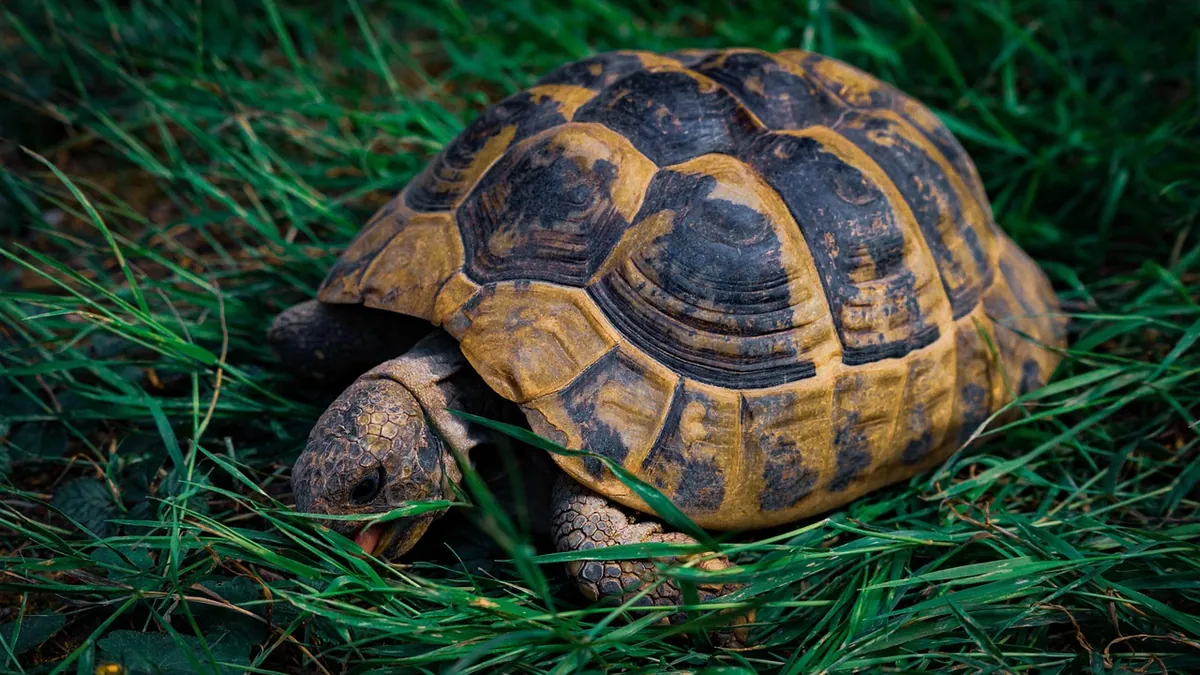
If your tortoise's shell feels soft, squishy, or bends under gentle pressure, that is not normal. A healthy shell should feel hard like a fingernail. A soft shell in a tortoise usually points to a serious underlying problem, most often metabolic bone disease, and it needs veterinary care quickly. This article is educational and is not a substitute for veterinary diagnosis or treatment.
Quick Answer
- A soft shell is a medical problem, not a cosmetic one. It usually means the shell is not mineralizing properly, most often from metabolic bone disease.
- The three biggest drivers are lack of UVB light, too little calcium in the diet, and poor diet overall.
- Young, fast-growing tortoises and females laying eggs are at higher risk.
- Do not try to fix this with supplements alone. A veterinarian needs to examine your tortoise and may run blood work or imaging.
- Call an exotic or reptile veterinarian today if the shell feels soft, if your tortoise is not eating, or if it is weak or lethargic.
What a Soft Shell Looks Like and What Is Normal
A normal tortoise shell is bone covered by a layer of keratin, the same material as your fingernails. It should feel rigid across the whole carapace (the top) and the plastron (the belly). You should not be able to press dents into it or flex it with your fingers.
Signs that something is wrong include:
- The shell feels soft, rubbery, or springy when you press gently.
- The shell bends or flexes instead of holding its shape.
- The edges of the shell feel thin or curl oddly.
- The plastron feels soft, especially in young tortoises.
- The shell looks misshapen, lumpy, or uneven.
Some owners confuse a soft shell with a shell that is simply still hardening in a very young hatchling. Hatchling shells do start softer than adult shells, but they should firm up as the tortoise grows and gets proper light, heat, and calcium. If the shell stays soft or gets softer, that is a warning sign.
If you also notice shell shape problems like pyramiding, that is a related but separate issue. You can read more about it in Sulcata Tortoise Pyramiding: Enclosure Humidity and High-Fiber Diet Fixes.
Why Is My Tortoise Shell Soft? The Main Causes
Metabolic Bone Disease (MBD)
Metabolic bone disease is the most common reason a tortoise shell goes soft. It happens when the body cannot build and maintain strong bone. The shell is bone, so it softens along with the rest of the skeleton.
MBD develops from a combination of problems:
- Not enough UVB light, so the tortoise cannot make vitamin D3.
- Not enough calcium in the diet, or calcium that cannot be absorbed.
- An imbalance between calcium and phosphorus.
- Lack of proper heat, which slows digestion and metabolism.
Without vitamin D3, a tortoise cannot absorb calcium from its food, no matter how much calcium it eats. The body then pulls calcium out of the bones, including the shell, to keep blood calcium stable. Over time the shell weakens.
Low blood calcium is a real and measurable problem in sick tortoises. In one documented case, a 21-year-old tortoise with a mass in its body cavity had hypocalcemia (low blood calcium) on blood biochemistry [1]. That shows how blood calcium can drop when a tortoise is ill, and how veterinarians use blood work to find it.
Poor Diet and Calcium-Phosphorus Imbalance
A diet heavy in the wrong foods can cause soft shell problems even when the tortoise seems to eat well. Many common feeder foods are high in phosphorus and low in calcium. When phosphorus is too high relative to calcium, the body cannot use calcium properly.
Herbivorous tortoises need a high-fiber, plant-based diet with the right mineral balance. What they eat directly affects how well their shell mineralizes over time.
Lack of UVB Light
UVB light is not optional for most tortoises. It triggers vitamin D3 production in the skin. Without it, calcium absorption drops even if the diet is perfect. Indoor tortoises kept without a proper UVB bulb are at high risk.
Infection and Other Illness
A soft shell can also be a sign of infection, especially in the plastron. Bacterial or fungal infections can soften and damage shell tissue. These often start after shell injuries, poor hygiene, or long periods on damp, dirty substrate.
Systemic illness can also play a role. Sick tortoises often stop eating, which worsens nutrition and calcium status. In the case report above, the tortoise had a four-month history of diarrhea and two months of anorexia and lethargy before the mass was found [1]. Long-term illness and poor intake can wear down a tortoise's overall condition, including its shell.
Parasites
Internal parasites can affect a tortoise's body condition and growth. Research on spur-thighed tortoises found sex-based differences in how hindgut nematodes (a type of internal worm) relate to body traits and growth rates across different habitats [2]. Heavy parasite loads can contribute to poor growth and poor overall health, which can affect shell quality.
Genetics and Species Differences
Some turtles are naturally soft-shelled. Soft-shelled turtles in the family Trionychidae have shells that are flexible by design, and their shell development is controlled by specific genes [3]. The carapacial ridge, a structure that guides shell formation, is regulated by coordinated gene activity during development [4]. This matters because it shows that shell hardness is genetically controlled in normal development. If your pet is a soft-shelled species, a flexible shell may be normal. If it is a hard-shelled species like a sulcata or a Russian tortoise, a soft shell is not normal.
Table: Causes at a Glance
| Cause | Typical clues | How urgent |
|---|---|---|
| Metabolic bone disease | Soft shell, weak limbs, poor growth, no UVB or low calcium diet | Urgent, see a vet within days |
| Calcium/phosphorus imbalance | Soft shell despite eating, wrong diet, no supplement | Urgent, see a vet within days |
| No UVB light | Indoor tortoise, no bulb or old bulb, soft shell over weeks | Urgent, fix lighting and see a vet |
| Shell infection | Soft or discolored patches, smell, discharge, shell injury | Same day, can spread fast |
| Systemic illness | Not eating, lethargy, diarrhea, weight loss | Same day to emergency |
| Heavy parasite load | Poor growth, diarrhea, poor body condition | See a vet soon |
| Normal for soft-shelled species | Flexible shell from birth, species is a soft-shell type | Not urgent, confirm species |
Red Flags That Make This an Emergency
Call an emergency or exotic vet right away if you see any of these:
- The shell is soft across a large area, not just one small spot.
- Your tortoise cannot or will not walk, or its legs seem too weak to lift its body.
- It is not eating or drinking.
- It is lethargic, unresponsive, or seems to be in pain.
- There is a foul smell, discharge, or open wound on the shell.
- The shell is bleeding or cracking.
- The tortoise is having trouble breathing or its mouth stays open.
- A female tortoise is straining to pass eggs and cannot.
These signs mean the problem is advanced or there is an emergency like infection or egg binding. Waiting can make things much worse.
Safe Things You Can Do at Home While You Wait
You cannot fix a soft shell at home, but you can keep your tortoise stable until the vet visit.
- Check your UVB bulb. Replace bulbs on the schedule the manufacturer recommends, since UVB output drops over time even if the bulb still lights up. Make sure the bulb is the right type and distance for your species.
- Check temperatures. Each species needs a specific basking temperature and a cooler zone. Use a thermometer, not guesswork.
- Offer a proper diet. Feed appropriate high-fiber plants and greens for your species. Do not load up on fruit or protein-heavy foods.
- Provide a shallow water dish. Soak your tortoise in shallow, lukewarm water if your vet says it is safe. Hydration supports overall health.
- Keep the enclosure clean. Remove waste daily to reduce infection risk.
- Do not force calcium or supplements. Do not guess at doses. Your veterinarian will calculate the right amount based on your tortoise's weight and health.
- Do not try to harden the shell yourself. Do not glue, wrap, or apply anything to the shell unless your vet tells you to.
If you keep other reptiles, check their lighting and diet too. Problems with husbandry often affect more than one animal. For a look at how environment affects another small pet, see Understanding Hamster Torpor: Causes and Safe Treatment.
What Your Veterinarian Will Check and Test
A reptile-experienced veterinarian will start with a full physical exam. They will feel the shell, check the plastron, look at the eyes, mouth, and limbs, and assess body condition and weight.
They may also:
- Take a history. They will ask about your UVB setup, temperatures, diet, supplements, and how long the shell has been soft.
- Run blood work. Blood calcium and other values help show how severe the problem is. Low blood calcium has been documented in sick tortoises [1].
- Test for parasites. A fecal exam can find internal worms that affect growth and condition [2].
- Take X-rays or imaging. These show shell and bone density and can reveal other problems. In the case report, ultrasound and endoscopy were used to find a mass inside the tortoise [1].
- Check for infection. If the shell has soft or damaged areas, the vet may sample them to look for bacteria or fungus.
Treatment depends on the cause. It often includes correcting lighting and heat, adjusting diet, and giving calcium in a form and dose the veterinarian chooses. Your vet will calculate any dose from your tortoise's weight and health. Severe cases may need injectable calcium or other supportive care.
Prevention and Monitoring
Prevention is mostly about getting husbandry right from day one.
- Provide correct UVB. Use a proper UVB bulb for your species and replace it on schedule.
- Balance the diet. Feed species-appropriate plants with the right calcium-to-phosphorus ratio.
- Use supplements correctly. Follow your vet's guidance on calcium and vitamin supplements. Do not guess.
- Keep temperatures right. Proper heat supports digestion and metabolism.
- Weigh your tortoise regularly. A kitchen scale helps you catch weight loss early.
- Check the shell monthly. Gently feel the carapace and plastron. Note any soft spots, color changes, or smells.
- Keep the enclosure clean. Good hygiene lowers infection risk.
- Schedule routine vet visits. A reptile vet can catch problems before they become severe.
If you notice your turtle shell is getting soft, or you are asking why is my turtle shell soft, treat it the same way as a tortoise. The causes and urgency are similar.
Limitations and When to Contact a Veterinarian
This article cannot diagnose your tortoise. Only a veterinarian who examines your pet can do that. Individual cases need a veterinarian, because a soft shell can have more than one cause at the same time.
Contact a veterinarian:
- Same day if the shell feels soft, if your tortoise is not eating, or if you see discharge, smell, or a wound.
- Emergency now if your tortoise cannot walk, is struggling to breathe, is bleeding, or a female is straining to pass eggs.
- Routine visit if you are unsure about your lighting, diet, or supplements, or if you want a baseline health check.
Do not wait to see if a soft shell improves on its own. It usually gets worse without treatment.
Frequently Asked Questions
Can a soft shell heal on its own?
No, a soft shell rarely heals without treatment. The underlying cause, such as metabolic bone disease or infection, has to be corrected. With the right veterinary care and husbandry fixes, many tortoises improve over time.
How long does it take for a soft shell to harden again?
It depends on the cause, the severity, and how well you correct the lighting and diet. Mild cases can improve over weeks to months. Severe cases may take longer and may leave permanent shell changes.
Is a soft shell always metabolic bone disease?
No, but MBD is the most common cause in hard-shelled tortoises. Infection, parasites, systemic illness, and poor diet can also play a role. Some species, like soft-shelled turtles, are naturally flexible.
Can I just add more calcium to fix it?
No. Calcium only helps if your tortoise can absorb it, which requires proper UVB and vitamin D3. Too much calcium can also cause problems. Your veterinarian will decide the right form and amount.
Do I need a special reptile vet?
Yes, if possible. Reptiles have specific needs that general practice vets may not handle often. Look for a veterinarian who treats reptiles or exotics. If you cannot find one nearby, call your regular vet and ask for a referral.
Related Articles
- Sulcata Tortoise Pyramiding: Enclosure Humidity and High-Fiber Diet Fixes
- Why Is My Turtle Rubbing Its Shell or Has a Soft Shell?
- Why Is My Tortoise Shell or Skin Peeling? Normal vs Not
- Why Is My Tortoise Lethargic? Causes and When to Worry
References
- Case report: Intracoelomic neoplastic mass of undetermined origin in an Asia minor spur-thighed tortoise (Testudo graeca ibera). Frontiers in veterinary science, 2023.
- Sex-Biased Interactions Between Spur-Thighed Tortoises (Testudo graeca) and Hindgut Nematodes. Ecology and evolution, 2026.
- Regulatory diversification of conserved Runx genes drives morphological innovation in soft-shell turtles. Zoological research, 2026.
- Global Analysis of Transcriptome and Translatome Revealed That Coordinated WNT and FGF Regulate the Carapacial Ridge Development of Chinese Soft-Shell Turtle. International journal of molecular sciences, 2021.